
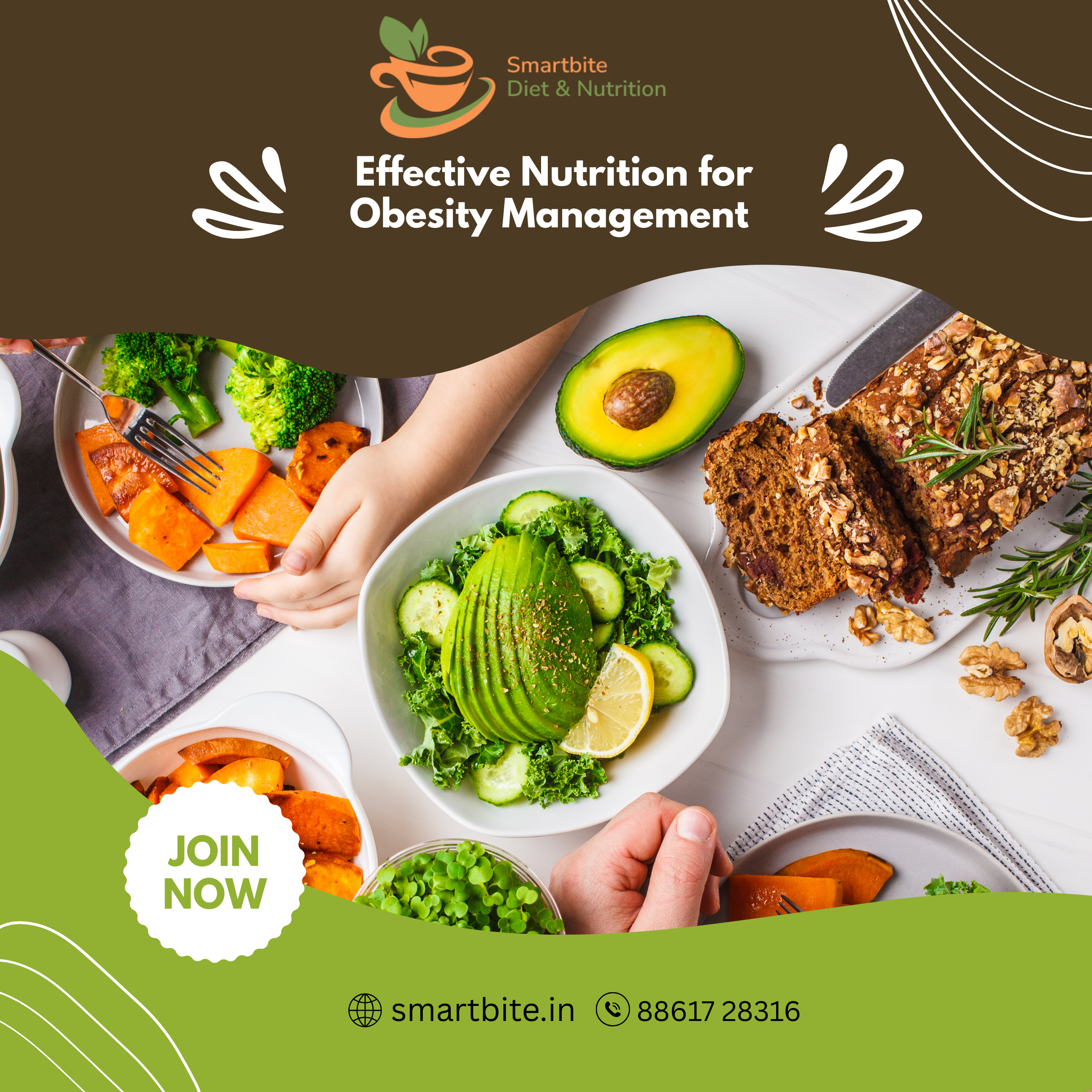
Obesity is a growing global health concern, closely linked to conditions such as diabetes, heart disease, and high blood pressure. However, managing obesity is not just about eating less or following strict diets—it’s about nourishing your body with the right nutrients to support healing, balance hormones, and maintain a healthy weight.
At SmartBite Nutrition Clinic, we believe obesity can be effectively managed with the right knowledge, personalised counselling, and small lifestyle changes. Rather than focusing on restrictive diets, we encourage smarter food choices—like eating more fruits, vegetables, whole grains, and lean proteins—while learning to listen to your body’s natural hunger cues.
Small habits such as drinking more water, eating smaller meals, and staying active can create a significant impact over time. With proper guidance and support, achieving a healthier, more balanced life is possible.
1. Increase the Consumption of Natural Foods
Whole foods such as fruits, vegetables, nuts, seeds, whole grains (brown rice, oats, millet), pulses, fish, meat, and eggs are nutrient-dense and essential for energy. They provide minerals, vitamins, and fibre while keeping calorie intake in check.
Fibre, in particular, helps you feel full for longer and reduces unnecessary snacking. For example, replacing chips with an apple curbs hunger and adds valuable nutrients, unlike empty-calorie processed snacks.
2. Control Portion Sizes
Even healthy food can lead to weight gain when consumed in excess. Portion control is crucial.
Avoid eating directly from packets.
Use portioned plates and bowls for better visual guidance.
Stop eating when you feel satisfied rather than full.
Think of your stomach as a fuel tank—don’t overfill it.
3. Stay Hydrated
Many people confuse thirst with hunger. Drinking 6–8 glasses of water daily not only prevents overeating but also improves digestion and metabolism.
Tips:
Drink a glass of water before meals.
Replace sugary drinks and sodas with plain water, lemon water, or coconut water.
4. Balance Hormones Through Nutrition
Hormones play a major role in obesity:
Insulin: Refined carbs and sugar cause spikes, leading to fat storage.
Leptin: Poor diets disrupt satiety signals, causing overeating.
Cortisol: Stress hormone that triggers cravings and belly fat.
A diet rich in protein, fibre, and healthy fats helps regulate these hormones.
5. Follow a Personalised Nutrition Plan
No two individuals are the same—some gain weight due to stress, others due to slow metabolism or health conditions. At SmartBite Clinic, we create Medical Nutrition Therapy (MNT) plans tailored to your medical history, lifestyle, and goals, making them far more effective than generic diets.
6. From Crash Diets to Lifestyle Changes
Crash diets may show quick results but often cause weight regain and harm metabolism. Instead, focus on:
Adding more vegetables to meals
Preparing wholesome meals at home
Carrying nutritious snacks when outdoors
When healthy eating becomes a habit, the results are sustainable.
7. Incorporate Physical Activity
Exercise complements nutrition and is vital for obesity management.
Aim for 30 minutes of walking, cycling, or dancing five times a week.
Include strength-building exercises like push-ups or squats.
Make small lifestyle changes: take stairs, walk while on calls, or stretch during breaks.
Building muscle helps burn calories—even at rest.
8. Prioritise Sleep and Manage Stress
Sleep: 7–8 hours per night keeps hunger and satiety hormones balanced.
Stress: High stress raises cortisol, leading to cravings for junk food.
Yoga, meditation, and deep breathing can help regulate both.
9. Eat Mindfully
Being mindful about how and when you eat is just as important as what you eat.
Avoid eating in front of screens.
Chew slowly and savour every bite.
Eat when hungry, not out of boredom.
Mindful eating naturally reduces calorie intake.
10. Seek Encouragement and Support
Motivation is easier with support.
Share your weight loss journey with family and friends.
Join nutrition programs or support groups.
Reward yourself for small wins, like reducing sugar or drinking more water.
At SmartBite Nutrition Clinic, we guide and motivate clients every step of the way.
FAQs on Nutrition and Obesity
1. Can I lose weight with diet alone?
Yes, but combining a balanced diet with physical activity accelerates results.
2. Are crash diets safe?
No. They damage metabolism and cause nutrient deficiencies.
3. How much water should I drink daily?
6–8 glasses on average, depending on body size, weather, and activity levels.
4. Is rice bad for obesity?
Not all rice is harmful. Brown rice, red rice, and millets are fibre-rich and healthier alternatives to white rice.
5. Can obesity be reversed with nutrition?
Yes. Proper nutrition, portion control, and lifestyle changes can reverse obesity in many cases.
Final Thoughts
Obesity is not just about appearance—it affects health, energy, and quality of life. The good news is that with the right strategy, including whole foods, hydration, stress management, sleep, and personalised nutrition plans, obesity can be managed effectively.
At SmartBite Nutrition Clinic, we focus on sustainable, research-based approaches that fit seamlessly into your lifestyle. Remember, obesity management is not a sprint—it’s a lifelong journey toward health and wellness.
Take the first step today—because small, consistent changes lead to lasting progress.