
Category Archives: diabetes

The Role of Fiber in Preventing Blood Sugar Spikes

The Role of Fiber in Preventing Blood Sugar Spikes

In today’s fast-paced lifestyle, managing blood sugar levels has become a growing concern not just for individuals with diabetes, but for anyone aiming to maintain steady energy, better metabolism, and long-term health. One of the most effective yet often overlooked nutritional tools for stabilizing blood sugar is dietary fiber.

At SmartBite Nutrition , we believe that smarter eating starts with understanding how food works in your body. Let’s explore how fiber plays a crucial role in preventing sudden spikes in blood sugar and why it deserves a central place in your daily diet.

What Happens During a Blood Sugar Spike?

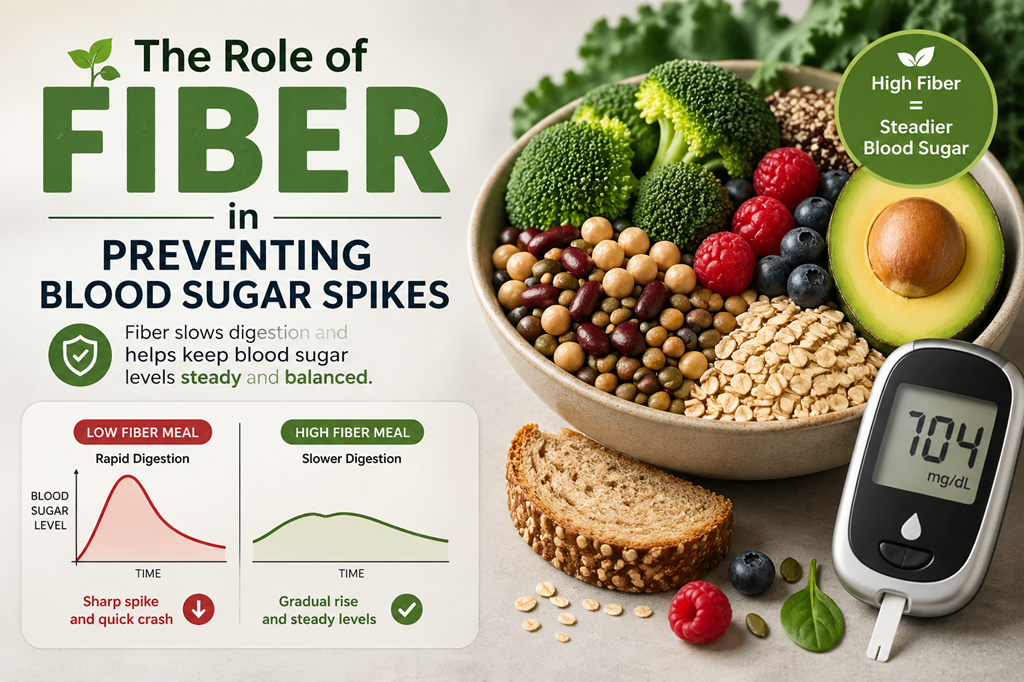
When you consume carbohydrate-rich foods especially refined ones like white bread, sugary snacks, or processed meals your body quickly breaks them down into glucose. This leads to a rapid rise in blood sugar levels, often followed by a sharp drop. These fluctuations can cause fatigue, cravings, irritability, and over time, increase the risk of insulin resistance and metabolic disorders.

How Fiber Helps Stabilize Blood Sugar

Fiber, particularly soluble fiber, acts as a natural regulator in this process. Unlike simple carbohydrates, fiber is not digested quickly. Instead, it slows down the absorption of sugar into the bloodstream, leading to a more gradual and controlled rise in blood glucose levels.

Here’s how fiber works its magic:

  1. Slows Digestion
    Fiber forms a gel-like substance in the gut, which delays the breakdown of carbohydrates. This means glucose enters the bloodstream more slowly, preventing sudden spikes.
  2. Improves Insulin Sensitivity
    A fiber-rich diet helps your body use insulin more effectively, allowing cells to absorb glucose efficiently and maintain balanced blood sugar levels.
  3. Promotes Satiety
    High-fiber foods keep you fuller for longer, reducing the likelihood of overeating or reaching for sugary snacks that can trigger glucose surges.
  4. Supports Gut Health
    Fiber feeds beneficial gut bacteria, which play a role in metabolic health and can indirectly influence blood sugar regulation.

Types of Fiber That Matter

Not all fiber is created equal. To manage blood sugar effectively, it’s important to include both:

  • Soluble Fiber: Found in oats, legumes, fruits like apples and berries, and seeds like chia and flax. This type directly helps in slowing glucose absorption.
  • Insoluble Fiber: Found in whole grains, vegetables, and nuts. While it doesn’t directly impact blood sugar, it supports digestion and overall gut health.

A balanced intake of both types ensures comprehensive benefits.

Simple Ways to Add More Fiber to Your Diet

Incorporating fiber doesn’t require a complete diet overhaul. Small, consistent changes can make a big difference:

  • Start your day with oatmeal topped with fruits and nuts
  • Choose whole fruits instead of juices
  • Replace refined grains with whole grains like brown rice or millets
  • Add a portion of legumes such as lentils or chickpeas to your meals
  • Include a side of vegetables in every meal

Smart Eating with SmartBite

At SmartBite Nutrition , we design meals that are not only delicious but also thoughtfully balanced to support your health goals. Our approach emphasizes whole ingredients, optimal fiber content, and low glycemic impact. helping you stay energized and in control throughout the day.

Fiber is more than just a digestive aid, it’s a powerful ally in managing blood sugar levels. By slowing down glucose absorption, improving satiety, and supporting metabolic health, fiber helps you avoid the highs and lows that come with blood sugar spikes.

Making fiber-rich foods a regular part of your diet is a simple yet impactful step toward better health. With SmartBite, eating smart becomes effortless and your body will thank you for it.

Start small, stay consistent, and let fiber do the heavy lifting.

How Diabetes Can Impact Heart Health and Metabolism Over Time

How Diabetes Can Impact Heart Health and Metabolism Over Time

Diabetes is more than just a condition affecting blood sugar, it has far-reaching effects on the body, particularly on heart health and metabolism. Over time, consistently elevated glucose levels can silently damage vital systems, increasing the risk of serious complications. Understanding this connection is key to managing diabetes effectively and protecting long-term health.

At SmartBite, we focus on empowering healthier choices through nutrition. Let’s break down how diabetes influences your heart and metabolism and what you can do about it.

The Link Between Diabetes and Heart Health

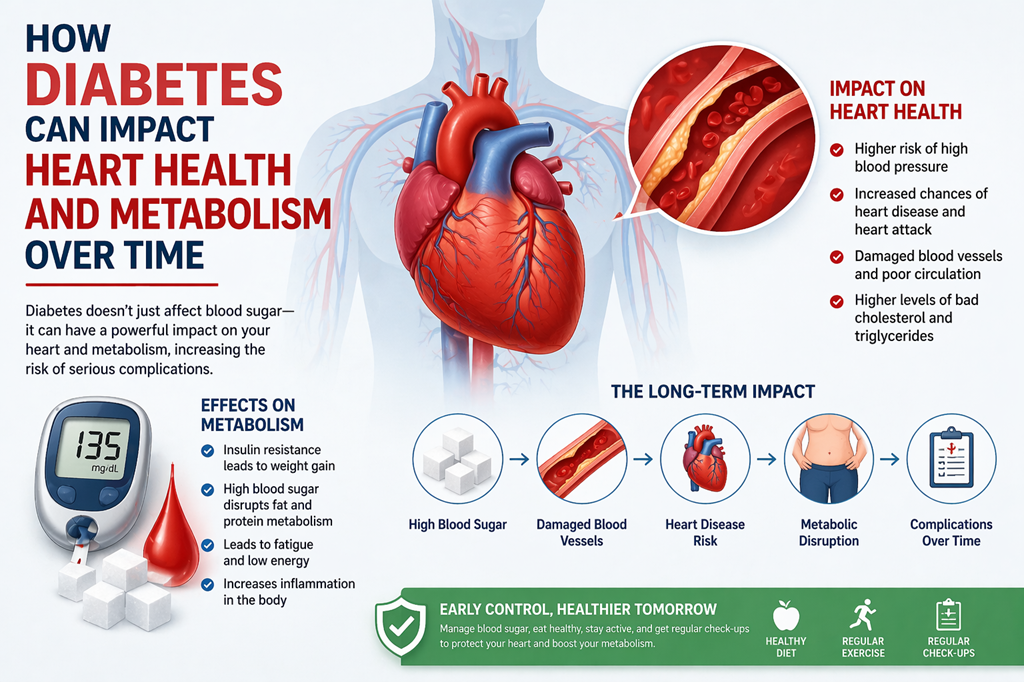
People with diabetes are at a significantly higher risk of developing cardiovascular diseases. This is largely due to prolonged high blood sugar levels, which can damage blood vessels and the nerves that control the heart.

Here’s how it happens:

  1. Damage to Blood Vessels
    Excess glucose in the bloodstream can cause inflammation and narrowing of blood vessels. Over time, this leads to a condition called atherosclerosis, where arteries become stiff and clogged, restricting blood flow to the heart.
  2. Increased Blood Pressure
    Diabetes is often associated with hypertension. High blood pressure puts additional strain on the heart, increasing the risk of heart attacks and strokes.
  3. Unhealthy Cholesterol Levels
    Many individuals with diabetes experience imbalances in cholesterol higher levels of LDL (bad cholesterol) and lower levels of HDL (good cholesterol). This combination accelerates plaque buildup in arteries.
  4. Higher Risk of Heart Disease
    Due to these combined factors, people with diabetes are more likely to develop coronary artery disease, heart failure, and other cardiovascular conditions.

How Diabetes Affects Metabolism

Metabolism refers to how your body converts food into energy. Diabetes disrupts this process at its core.

  1. Insulin Resistance
    In type 2 diabetes, the body becomes resistant to insulin, a hormone that helps glucose enter cells. As a result, glucose remains in the bloodstream instead of being used for energy.
  2. Impaired Energy Utilization
    Since cells cannot access glucose efficiently, the body struggles to produce energy. This can lead to fatigue and reduced physical performance.
  3. Fat Storage and Weight Gain
    Excess glucose may be stored as fat, particularly around the abdomen. This further worsens insulin resistance, creating a vicious cycle.
  4. Slower Metabolic Rate
    Over time, metabolic processes can become less efficient, making it harder to maintain a healthy weight or regulate energy levels.

The Long-Term Impact

If not managed well, diabetes can lead to:

  • Chronic inflammation
  • Increased risk of heart attack and stroke
  • Kidney damage and nerve issues
  • Reduced metabolic flexibility

These complications develop gradually, often without obvious symptoms in the early stages—making proactive management essential.

What You Can Do

The good news is that lifestyle choices play a powerful role in managing diabetes and reducing its impact:

  • Prioritize Balanced Nutrition: Focus on whole foods, high fiber intake, and low glycemic index meals
  • Stay Physically Active: Regular exercise improves insulin sensitivity and heart health
  • Monitor Blood Sugar Levels: Consistent tracking helps prevent long-term damage
  • Manage Stress and Sleep: Both have a direct impact on metabolic health
  • Limit Processed Foods and Sugars: Reducing spikes helps protect blood vessels

SmartBite’s Approach to Better Health

At SmartBite, we design meals that support stable blood sugar levels and overall metabolic wellness. By combining nutrient-dense ingredients with the right balance of fiber, protein, and healthy fats, we help you take control of your health one meal at a time.

The Bottom Line

Diabetes doesn’t just affect blood sugar, it influences your entire metabolic system and significantly increases the risk of heart disease over time. The key lies in early awareness and consistent lifestyle choices.

With the right nutrition and habits, it’s possible to manage diabetes effectively and protect both your heart and metabolism for the long run.

Understanding the Link Between Belly Fat and Diabetes Risk

Understanding the Link Between Belly Fat and Diabetes Risk

Belly fat, particularly the fat stored deep within the abdomen, is a major warning sign for future health risks especially type 2 diabetes. Unlike subcutaneous fat (the fat just under the skin), visceral fat is biologically active and directly influences how your body manages blood sugar and insulin.

One of the strongest connections between belly fat and diabetes lies in insulin resistance. Excess abdominal fat disrupts the body’s ability to use insulin effectively. As a result, glucose remains in the bloodstream instead of being used for energy. Over time, this leads to consistently high blood sugar levels, increasing the likelihood of developing type 2 diabetes.

Visceral fat also releases harmful chemicals and inflammatory substances that interfere with normal metabolic processes. This chronic low-grade inflammation damages cells and further reduces insulin sensitivity. The more belly fat a person has, the harder it becomes for the body to regulate blood sugar efficiently.

Hormonal imbalances also play a role. Increased belly fat can affect hormones that control hunger and satiety, leading to overeating and cravings especially for sugary and processed foods. This creates a cycle of weight gain and rising blood sugar levels, making diabetes risk even higher.

Adopting the right lifestyle changes is essential to break this cycle. This is where smart bite nutrition becomes highly effective. By focusing on balanced, nutrient-rich meals, it helps stabilise blood sugar levels and improve insulin response. Foods rich in fiber, lean protein, and healthy fats slow down glucose absorption and keep energy levels steady throughout the day.

Physical activity is equally important. Regular exercise helps burn visceral fat and enhances insulin sensitivity. Even simple habits like daily walking, strength training, and reducing sedentary time can make a significant difference. Managing stress and maintaining proper sleep patterns also support hormonal balance and metabolic health.

In conclusion, belly fat is not just about appearance it is a key indicator of internal health. With consistent efforts, mindful eating through smart bite nutrition, and an active lifestyle, reducing belly fat and lowering diabetes risk becomes both achievable and sustainable.

The Gut–Blood Sugar Connection: Why Gut Health Matters in Diabetes

When it comes to diabetes management, most people focus only on sugar intake and insulin levels. However, an important piece of the puzzle lies in the gut. The digestive system is not just responsible for breaking down food it actively communicates with the brain and plays a key role in regulating blood sugar.

The gut lining acts as a barrier, controlling what enters the bloodstream. When gut health is compromised, this barrier becomes weak a condition often referred to as “leaky gut.” This allows toxins and inflammatory compounds to enter the bloodstream, triggering inflammation and interfering with insulin function. Over time, this can contribute to insulin resistance and unstable blood sugar levels.

Gut bacteria also influence hormones that control hunger and satiety, such as ghrelin and leptin. An imbalance in gut bacteria can disrupt these signals, leading to overeating, frequent cravings, and irregular eating patterns all of which can negatively impact blood sugar control.

Another crucial connection is how the gut responds to different types of food. Diets high in refined carbohydrates and sugars can feed harmful bacteria, while diets rich in fiber nourish beneficial microbes. A poor gut environment can lead to rapid spikes and crashes in blood sugar, making diabetes harder to manage.

This is where smart bite nutrition provides a smarter, more holistic approach. Instead of just limiting sugar, it focuses on improving gut health to support better metabolic function. Including prebiotic foods like garlic, onions, and bananas, along with probiotic-rich options such as curd and fermented foods, helps build a stronger, healthier gut microbiome.

Mindful eating habits such as eating slowly, maintaining regular meal timings, and avoiding overeating also support digestion and gut balance. Physical activity and stress reduction techniques further enhance gut health by improving circulation and reducing inflammation.

In essence, the gut and blood sugar are deeply connected. By prioritizing gut health through consistent habits and approaches like smart bite nutrition, individuals can achieve better blood sugar control, improved digestion, and long-term metabolic health.

How Busy Professionals Can Lose 8–12 Kgs and Reverse High Sugar Levels in 90 Days

If you’re between 45 and 55, juggling work, family, and endless responsibilities, weight gain and fluctuating blood sugar can feel like a daily battle. Whether you’re a working professional or a homemaker, struggling with belly fat, type 2 diabetes, pre-diabetes, or metabolic syndrome, here’s some good news: you don’t need to starve yourself or spend hours at the gym to see results.

A structured, science-backed 90-day lifestyle program by expert dietitians in Bangalore can help you lose 8–12 kgs and reverse high sugar levels naturally with guaranteed transformation or extended support free.

Why Weight Gain and High Sugar Become Harder to Manage After 45

As we age, our metabolism naturally slows down. Add to that hectic schedules, irregular meals, stress, and sedentary habits — and the result is rising blood sugar, stubborn belly fat, and chronic fatigue.

Here’s what’s happening beneath the surface:

  • Insulin resistance: Your body becomes less efficient at using glucose for energy, leading to high sugar levels.
  • Hormonal changes: Lower Estrogen and Testosterone levels affect fat distribution and energy.
  • Inflammation: Chronic low-grade inflammation makes weight loss and sugar control more difficult.
  • Muscle loss: Reduced lean muscle mass lowers metabolic rate, making it easier to gain weight even on a normal diet.

A nutritionist for diabetes management understands these age-related changes and creates food plans that support better metabolic health and blood sugar balance.

The 90-Day Blueprint: Lose Weight and Stabilize Sugar Naturally

This isn’t about quick fixes or crash diets. It’s a structured, evidence-based plan designed by leading dietitians in Bangalore — tailored specifically for men and women over 45 to support blood sugar control, metabolic reset, and sustainable fat loss.

  1. Smart Nutrition, Not Starvation

Crash diets cause sugar spikes and energy crashes. Instead, we focus on balanced, blood-sugar-friendly meals that nourish your body and help reverse insulin resistance.

Core principles:

  • Eat low-glycemic index foods to stabilize sugar levels.
  • Priorities lean protein (fish, eggs, lentils, paneer) to preserve muscle mass.
  • Add healthy fats like avocado, nuts, and olive oil for satiety.
  • Avoid processed carbs, refined sugar, and packaged snacks.

Example day:

  • Breakfast: High-protein vegetable omelette + green tea
  • Lunch: Grilled chicken/fish or tofu with quinoa and sautéed veggies
  • Snack: Nuts + Greek yogurt
  • Dinner: Light soup, salad, and protein source

A diabetes dietitian in Bangalore ensures your diet plan keeps your blood sugar stable while supporting healthy weight loss.

  1. Gentle Movement That Fits Your Schedule

You don’t need intense workouts or expensive gym memberships. What matters is consistent, low-impact activity that improves insulin sensitivity and supports a healthy metabolism.

Practical options for busy lifestyles:

  • 20–30 minutes of brisk walking after meals
  • Light strength training 2–3 times a week
  • Stretching or yoga to reduce stress hormones

Even short, 10-minute movement breaks between work calls can have a measurable impact on blood sugar levels and energy.

  1. Sleep, Stress & Hormone Reset

Poor sleep and chronic stress are silent sugar saboteurs. Elevated cortisol levels can spike blood sugar and make fat loss harder.

Quick resets:

  • Follow a consistent sleep schedule (7–8 hours/night).
  • Add 5-minute deep breathing or meditation to lower cortisol.
  • Schedule “digital sunset” time to reduce nighttime stress.

These lifestyle tweaks recommended by metabolic health experts amplify fat loss and support hormone balance naturally.

  1. Real Results With Accountability & Support

Many people know what to do but struggle to stay consistent. That’s why structured programs with expert dietitian support can make a massive difference.

  • Personalized nutrition guidance
  • Weekly progress tracking
  • Stress and lifestyle optimization
  • Guaranteed transformation or extended support free

The result? 8–12 kgs weight loss, lower HbA1c levels, better energy, and renewed confidence — all in 90 days.

Why This Works — Even When Other Diets Fail

Most conventional plans fail because they’re built for short-term results, not hormonal realities after 45. This approach works because it:

  • Targets insulin resistance, not just calorie control
  • Preserves muscle mass for a faster metabolism
  • Stabilises hormones naturally
  • Fits seamlessly into busy professional schedules

This isn’t a diet — it’s a complete metabolic reset plan developed by a qualified nutritionist for diabetes and weight loss in Bangalore.

Your Transformation Starts Now

If you’ve struggled with weight gain, belly fat, fatigue, or high blood sugar, know this: it’s not about discipline — it’s about the right strategy.

By focusing on balanced nutrition, simple movement, stress management, and expert accountability, men and women aged 45–55 can reverse high sugar levels, lose excess weight, and regain vitality without crash diets or punishing workouts.

Your health is your greatest investment. Start your 90-day metabolic reset today with expert guidance from a Diabetes Dietitian in Bangalore and step into a lighter, stronger, more energetic version of yourself.


How a Dietitian for Diabetes Helps You Control Blood Sugar Naturally

How a Dietitian for Diabetes Helps You Control Blood Sugar

Managing diabetes is a lifelong journey — but you don’t have to walk it alone. At Smart Bite, our expert diabetes dietitians help clients take charge of their health through personalized nutrition strategies that make a real difference. Whether you’re newly diagnosed or looking to fine-tune your management plan, our approach is rooted in science, support, and sustainable habits.

  1. Tailored Nutrition Plans

Every individual has different needs — and diabetes isn’t a one-size-fits-all condition. Our registered dietitians at Smart Bite create personalized meal plans that fit your lifestyle, medication, and goals. We help you manage your carbohydrate intake smartly while still enjoying food you love. From glycemic load to portion control, our team guides you on how to structure balanced meals for optimal blood sugar control.

  1. Glucose Monitoring Guidance

Managing blood sugar involves more than just medication. Smart Bite dietitians can teach you to interpret your glucose readings and adjust your meals accordingly. We help you master techniques like carb counting, label reading, and managing meals around physical activity.

  1. Weight Management Support

Type 2 diabetes and weight challenges often go hand in hand. With Smart Bite, you receive evidence-based strategies for healthy, sustainable weight loss — no fad diets, just practical lifestyle adjustments. Even modest weight loss can lead to significantly improved insulin sensitivity and better overall control.

  1. Comprehensive Health Focus

Diabetes often brings other conditions like high blood pressure or cholesterol. Our dietitians help you manage these too, with dietary plans that support your heart, kidneys, and overall wellness — not just blood sugar.

  1. Lifestyle Coaching and Accountability

Change takes time, and support makes all the difference. Smart Bite offers ongoing coaching to help you build habits that stick — from mindful eating and meal prepping to overcoming cravings or emotional eating triggers.

Diabetes doesn’t define you — and at Smart Bite, we’re here to help you manage it on your terms. With our expert dietitian support, you’ll gain the tools to improve your health, feel your best, and prevent complications long term. Start your diabetes wellness journey with Smart Bite today.

Your body is unique — your weight loss plan should be too. With Smart Bite, you’re not alone. Our dietitians create customized programs that fit your body, your life, and your goals. Start your transformation the smart way — with Smart Bite by your side.

Nutrition to Deal With Diabetes

Best Nutritionist in Bangalore For Diabetes | Best Diabetes Dietitian

Best Nutritionist in Bangalore For Diabetes

Diabetes management is not just a matter of monitoring blood sugar levels – it lives a healthy, active, and optimistic life. Here at Smartbite, we feel that food is not just fuel; This is a passport for a healthy, happy tomorrow. And when diabetes is a nutritional problem for management, we understand that the process seems scary. This is why we are here to help you in a simple passage to preserve science -mechanized advice, encouragement, and welfare.

Why Nutrition is the key to Diabetes Management in Bangalore ?

After diabetes, your daily life is like navigating in a maze. But this is a lot: Nutrition is your best weapon to handle diabetes. Diet plan for sugar patients plays an important role in regulating blood sugar levels, reducing complications, and increasing general well-being. A proper nutritional approach reduces drug addiction over time.

In Smartbite best nutrition clinic we have seen how smart dietary changes can change life. Whether you make new diagnoses or handle diabetes for years, understanding your nutrition requirements is the first step in best food for diabetes control dietitians .

Balanced Food Power

One of the biggest myths about diabetes is that you have to leave carbohydrates. The truth is that it is a matter of balance – not missing. A balanced plate includes complex carbohydrates, lean proteins, and good fat. This balance will keep your blood sugar stable and your diet plan for energy level will remain continuous throughout the day.

Here is an original equation that we appoint in Smartbite:

Half of your plate: Non-stiffening roads such as spinach, broccoli, and vine papers

A quarter of your plate: a lean protein that grilled chicken, tofu, or lenses

A quarter of your plate: Whole grains like quinoa, brown rice, or whole-grain pasta

And don’t forget the healthy fat! Avocado, nuts, seeds, and olive oil are not only delicious but also slow down sugar absorption.

Understand the Glycemic Index.

Not all carbohydrates are the same. Some increase blood sugar rapidly, while others stabilize it. This is the place where the glycemic index (GI) comes in – it ranks foods and how they affect blood sugar levels.

Best Food for Diabetes Control

  1. Oats
  2. Whole Grain
  3. High Protein Fruits
  4. Beans

Diabetes nutritionist suggest that Foods to avoid for diabetes such as white bread, sweet drinks, and processed foods. Simple rules of thumb: More impossible food will be just as better for nutrition in the handling of diabetes.

Sub-control and desired food

This is not what you use – this is the amount and how carefully you use it. Part control helps to avoid the height of blood sugar. In Smartbite, we often emphasize brain eating habits such as:

  1. Food slowly and without distraction
  2. Listen to signs of hunger and perfection
  3. Drinking a glass of water before meals to prevent eating more

Mindful eating brings you back to your body and makes every food for the task of loving.

Nutrition for Diabetes 

Smartbite best nutritionist for diabetes suggest adding these superstar foods to their daily meals:

Blade Greens: low in calories, high in fiber, and filled with antioxidants

Berries: rich in glycemic index and low vitamin

Nuts and Seeds: Good sources of healthy fat and protein

Greek Yogurt: High in protein and beneficial to gut health

Logans: High complex carbohydrates and fiber

These foods not only help with nutrition for diabetes care but also benefit the reduction in heart health, digestion, and inflammation.

The Role Of Fiber In Blood Sugar Management

When it comes to diabetes control, fiber is your favorite. It slows digestion, keeps you full for a long time, and prevents rapid blood sugar growth. There are two types of fiber:

  1. Loose fiber: Found in oats, apples, and beans; Lies in water and reduces blood sugar and cholesterol.
  2. Insoluble fiber: Available in whole grains, nuts, and vegetables; Helps digestive health.

Smartbite recommends 25-30 grams of fiber per day for optimal general health and optimal glucose level.

Smart Snacking: Beat The Cravings

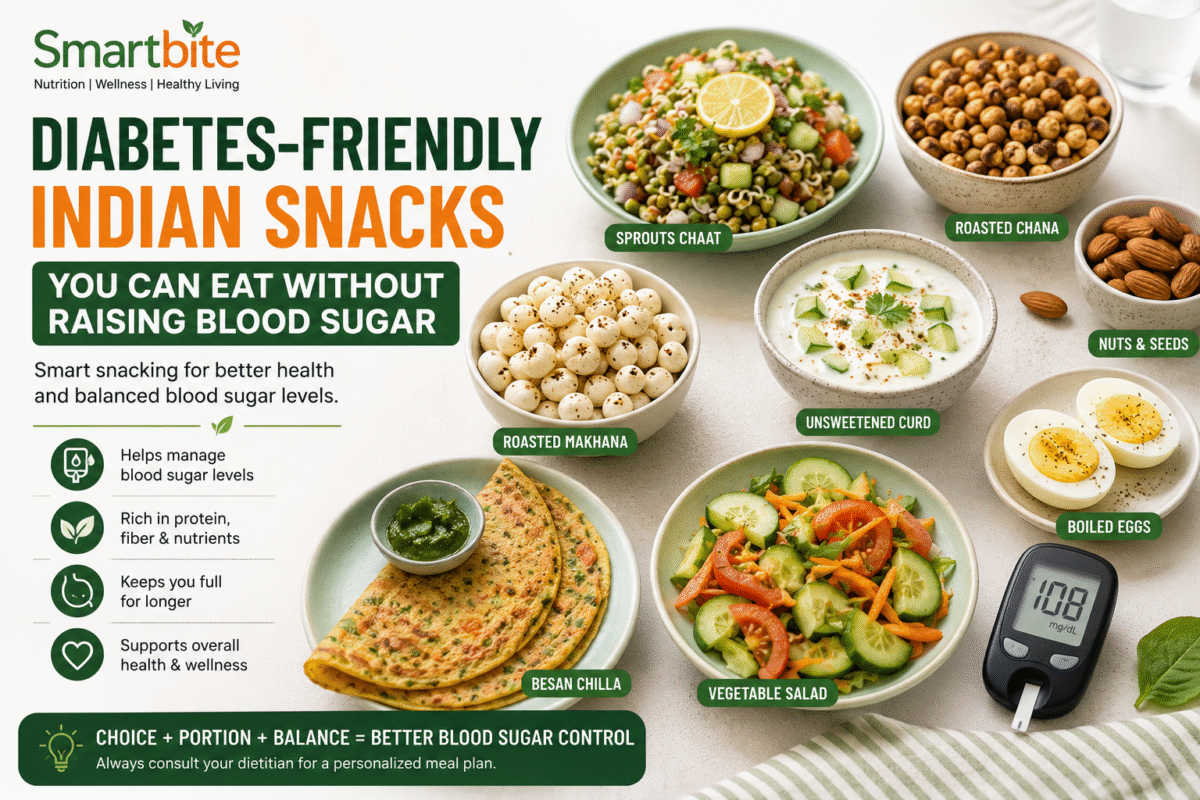
Yes, you can snack healthy snacking can keep you full and avert blood sugar slumps between meals. Smartbite’s top snack ideas for nutrition to support diabetes management are:

  1. Small apple with almond butter
  2. Mixed nuts in a handful
  3. Veggie sticks with hummus
  4. Boiled eggs
  5. Greek yogurt with chia seeds

Performance and available healthy snacks can encourage you to oppose the attraction of processed foods with high sugar.

Water: A Cool Hero

Water allows the removal of extra glucose through urine and average dehydration occasional problem for individuals with melody. Drink at least 8 glasses of water per day. If plain water is very blurred, use lemon, cucumber, or fresh coin slices.

Smartbite also advises against sugary drinks, even ones marked “diet” or “low-sugar,” as they can affect insulin sensitivity in the long term as well.

Meal Timing And Consistency

Missed meals or missed meals at abnormal times can produce unstable blood sugars. Scheduling regular eating keeps things even and provides your body with a pace to stick to.

Try to:

  1. Consume meals and snacks at fixed hours every day
  2. Have some form of protein with each meal
  3. Not skip whole hours between eating

Here at Smartbite, we make personal meal plans based on your needs and accommodate the rhythm of your life so you can enjoy a steady stream of energy every day.

Living Well With Smartbite’s Guidance

Diabetes best nutrition should not be complicated. With the right guidance, you can eat your favorite foods, feel more energetic, and live a full, active life. At Smartbite, we believe in making healthy foods easier, sewn, and strengthened.

Our experts are here to offer you flexible plans, expert advice, and continuous support traveling through your health.

Conclusion: Take Charge Of Your Health With Smartbite

Diabetes does not have to control your life, even if it is a lifelong disease. With the correct attitude and correct nutrition, you can thrive. Keep in mind, that nutrition to control diabetes is not a bunch of rules — it’s your key to feeling better, living longer, and loving food once more.

Let Smartbite is the best nutritionist for diabetes near me be your partner in this journey. Together, we’ll build a roadmap for better health, one smart bite at a time.

X