Category Archives: Weight Loss

5 Hacks for PCOS Weight Loss

5 Hacks for PCOS Weight Loss

5 Hacks for PCOS Weight Loss: Simple Nutrition and Lifestyle Changes That Work

Losing weight with polycystic ovary syndrome (PCOS) can feel challenging, especially when you are eating carefully, exercising regularly, and still struggling to see consistent results. If you have been searching for practical ways to manage your weight without following extreme diets, you are not alone.

PCOS is a hormonal condition associated with reproductive and metabolic changes. Factors such as insulin resistance, sleep quality, stress, physical activity, genetics, and eating patterns can influence weight management. However, every woman with PCOS has different nutritional needs, symptoms, and health goals.

The good news is that you do not need to completely change your lifestyle overnight. Small, sustainable habits can help you build a healthier routine.

In this SmartBite guide, we explore 5 hacks for PCOS weight loss that focus on balanced nutrition, regular movement, better sleep, and realistic long-term habits.

1. Build Balanced Meals Instead of Cutting Out Carbohydrates

One of the most common mistakes people make when trying to lose weight with PCOS is eliminating carbohydrates completely. Although reducing highly refined foods may be helpful for some people, carbohydrates do not need to be removed from everyone’s diet.

The 2023 International Evidence-Based Guideline for PCOS does not identify one particular diet composition as universally superior for PCOS outcomes. Instead, it supports sustainable, individualized healthy eating.

A practical approach is to build balanced meals containing protein, vegetables, fiber-rich carbohydrates, and healthy fats.

Try these simple changes:

  • Choose whole grains, oats, millets, beans, and other fiber-rich carbohydrate sources.
  • Include protein-rich foods such as dal, beans, paneer, tofu, eggs, curd, or other suitable options.
  • Add vegetables to your main meals.
  • Include appropriate portions of nuts, seeds, and healthy cooking oils.
  • Reduce frequent consumption of sugary drinks and highly refined snacks.

For example, a balanced Indian meal might include roti, dal, vegetables, and curd. You do not necessarily need expensive ingredients or complicated recipes to eat well.

The goal is to create satisfying meals that fit your nutritional requirements, food preferences, and daily routine.

2. Include Protein and Fiber to Help Manage Hunger

The second of these 5 hacks for PCOS weight loss is to pay attention to protein and fiber.

Protein contributes to maintaining muscle and supports normal body functions. Fiber supports digestive health and can help meals feel more satisfying.

When meals are consistently low in protein or fiber, you may find yourself feeling hungry again quickly and reaching for convenient snacks.

Protein-rich food options include:

  • Dal and legumes
  • Chickpeas and beans
  • Paneer and tofu
  • Eggs
  • Unsweetened curd
  • Fish or lean meat, if preferred

Fiber-rich food options include:

  • Vegetables
  • Whole fruits
  • Oats
  • Whole grains
  • Beans and lentils
  • Nuts and seeds

You can combine these foods in practical ways. For breakfast, consider vegetable poha with a protein source, moong dal chilla, or oats with unsweetened curd and nuts.

For lunch, try combining vegetables, dal or another protein source, and an appropriate portion of whole grains.

Remember that individual requirements differ. A qualified nutrition professional can help you determine suitable portions based on your health, activity level, and goals.

3. Combine Walking With Strength Training

Exercise is an important part of a healthy PCOS lifestyle, but you do not need to spend hours doing intense workouts.

A combination of aerobic activity and strength training can support physical fitness, cardiovascular health, and weight management.

Walking is an accessible starting point for many people. You can gradually increase your daily movement by taking short walks, using stairs when appropriate, or taking movement breaks during long periods of sitting.

Strength training is also valuable because it helps develop and maintain muscle.

A practical exercise routine may include:

  • Walking at a comfortable pace
  • Resistance exercises
  • Bodyweight exercises
  • Cycling or swimming
  • Yoga or mobility activities
  • Other activities you enjoy

Start at a level that suits your current fitness and gradually increase activity as appropriate.

You do not need to perform hundreds of crunches to lose belly fat. Abdominal exercises strengthen the core but cannot selectively remove fat from the stomach.

Consistency matters more than choosing the most exhausting workout.

If you have a medical condition, significant joint pain, or other exercise limitations, consult your healthcare professional before making major changes to your routine.

4. Improve Sleep and Manage Everyday Stress

Many people focus entirely on food and exercise while overlooking sleep and stress.

However, poor sleep and ongoing stress can make weight management more difficult by affecting energy, appetite, food choices, and your ability to maintain healthy routines.

PCOS is also associated with a higher prevalence of obstructive sleep apnea. If you regularly snore, wake feeling unrefreshed, or experience excessive daytime sleepiness, discuss these symptoms with a healthcare professional.

You can start with a few practical habits:

  • Maintain a consistent sleep and wake schedule.
  • Create a relaxing bedtime routine.
  • Reduce late-night screen use if it interferes with sleep.
  • Take short breaks during stressful workdays.
  • Practice breathing exercises or meditation if helpful.
  • Make time for activities that help you relax.

Avoid expecting yourself to follow a perfect routine every day. Sustainable habits are more useful than rigid rules that become difficult to maintain.

5. Track Progress Beyond the Weighing Scale

The fifth hack is to stop judging your entire journey by daily weight changes.

Body weight can fluctuate because of fluid retention, menstrual-cycle changes, digestion, and other factors. A single measurement does not tell you whether your overall health is improving.

Depending on your individual goals, useful progress indicators may include:

  • Waist circumference
  • Strength and physical fitness
  • Energy levels
  • Sleep quality
  • Consistency with meals
  • Physical activity
  • Menstrual health
  • Blood glucose and other clinical markers when medically indicated

If weight loss is appropriate for you, a healthcare professional can help establish realistic expectations and a sustainable approach.

Avoid crash diets, detox products, and supplements that promise rapid belly-fat reduction. There is no single food, drink, or exercise that specifically eliminates abdominal fat.

Also remember that not every woman with PCOS needs to lose weight. Healthy lifestyle habits can be beneficial even when weight loss is not a goal.

When Should You Seek Professional Guidance?

If you have PCOS and are struggling with weight management, consider consulting a qualified healthcare professional or dietitian.

Depending on your symptoms and medical history, assessment may include blood glucose, blood pressure, cholesterol, menstrual health, medications, and other metabolic factors.

Professional guidance is especially important if you have diabetes, thyroid disease, persistent unexplained weight changes, or plans for pregnancy.

Do not stop or change prescribed medication because your weight is not changing.

Final Thoughts: Small Habits Can Make a Meaningful Difference

These 5 hacks for PCOS weight loss are not shortcuts or guaranteed weight-loss solutions. They are practical starting points for building healthier habits that can fit into everyday life.

Focus on balanced meals, adequate protein and fiber, regular movement, strength training, sufficient sleep, and sustainable routines. Avoid unnecessary food restrictions and seek professional guidance when you need help understanding your individual nutritional needs.

At SmartBite Diet & Nutrition, personalized nutrition guidance can help you develop a practical eating strategy around your food preferences, lifestyle, health requirements, and goals.

Your PCOS journey does not need to be perfect. Start with one manageable change, practise it consistently, and build from there.

Better food choices. Sustainable habits. A healthier you.

Frequently Asked Questions

1. What are the best hacks for PCOS weight loss?

Balanced meals, adequate protein and fiber, regular physical activity, strength training, sufficient sleep, and sustainable habits are useful starting points. The best approach depends on individual needs.

2. Should I stop eating rice or roti if I have PCOS?

Not necessarily. Rice and roti can fit into a balanced eating pattern. Consider appropriate portions, fiber content, and pairing carbohydrates with protein and vegetables.

3. Does everyone with PCOS need to lose weight?

No. PCOS occurs across a range of body sizes. The appropriate goal may be weight management, preventing excess weight gain, improving metabolic health, or addressing other symptoms.

4. Can exercise alone manage PCOS weight concerns?

Exercise supports overall health, but nutrition, sleep, stress, medications, and other individual factors can also influence weight management.

5. Can a PCOS nutritionist help me?

A qualified nutrition professional can help you create a sustainable eating plan tailored to your preferences, lifestyle, health conditions, and goals.
Why Are You Always Craving Sweets

PCOS Cravings Explained: Why Are You Always Craving Sweets?

PCOS Cravings Explained: Why Are You Always Craving Sweets?

If you have PCOS and constantly find yourself reaching for chocolate, sweets, desserts, sweetened coffee, or other sugary foods, you are not alone. PCOS cravings explained: why are you always craving sweets? is an important question because persistent cravings can be influenced by several factors—not simply a lack of willpower.

Polycystic ovary syndrome (PCOS) is a complex condition with reproductive, metabolic, psychological, and lifestyle dimensions. Insulin resistance is recognized as an important feature of PCOS, and women with PCOS also have a higher risk of abnormal glucose regulation and type 2 diabetes.

However, it is important not to assume that every sweet craving is caused by insulin resistance. Hunger, meal composition, sleep, stress, habits, emotional eating, food environment, and individual dietary patterns can all influence cravings.

This guide from SmartBite Diet & Nutrition explains why sweet cravings may occur with PCOS and what you can do to manage them without extreme dieting.

PCOS Cravings Explained: Why Are You Always Craving Sweets?

Sweet cravings can feel especially strong when you are trying to lose weight or follow a healthier diet. You may decide to avoid sweets completely, manage successfully for a few days, and then suddenly feel like you cannot stop thinking about chocolate, cake, ice cream, or another favorite dessert.

The important thing to remember is:

A craving is not a personal failure. It is information about your eating pattern, habits, environment, and sometimes your emotional state.

Instead of trying to fight every craving through restriction, it can be more helpful to understand what may be triggering it.

1. Insulin Resistance May Play a Role

One reason PCOS cravings for sweets receive so much attention is the connection between PCOS and insulin resistance.

Insulin helps regulate blood glucose and allows glucose to be used by cells for energy. Insulin resistance occurs when tissues respond less effectively to insulin. PCOS is associated with insulin resistance, although the degree varies between individuals.

This does not mean that every woman with PCOS who craves sugar has insulin resistance.

It also does not mean that eating sugar automatically causes PCOS.

Rather, metabolic health is one part of the bigger picture.

If you are concerned about blood glucose or diabetes risk, speak with your healthcare professional rather than trying to diagnose insulin resistance based on cravings alone.

2. Skipping Meals Can Make Cravings Stronger

One of the most common practical reasons for intense sweet cravings is simply being too hungry.

For example:

Breakfast skipped → very light lunch → busy afternoon → intense hunger → strong evening sweet craving.

When you have gone many hours without eating, highly palatable foods can become particularly appealing.

Instead of waiting until you are extremely hungry, consider creating regular meals that contain enough protein, fiber, and overall nourishment for your individual needs.

A balanced meal can include:

  • Protein
  • Vegetables
  • Fiber-rich carbohydrates
  • Healthy fats

This is generally more sustainable than trying to survive on tiny portions throughout the day.

3. Your Breakfast May Not Be Keeping You Satisfied

A breakfast based mainly on refined carbohydrates or sugary foods may leave you hungry again relatively quickly.

For example, a breakfast consisting primarily of sweetened cereal, biscuits, pastries, or a sugary beverage may provide less protein and fiber than a balanced meal.

Instead, consider options such as:

  • Vegetable omelette with whole-grain toast
  • Vegetable poha with a protein source
  • Oats with nuts and unsweetened curd
  • Idli with sambar
  • Moong dal chilla with vegetables
  • Paneer or tofu with appropriate whole-grain options

The best choice depends on your preferences, nutritional requirements, and overall meal plan.

4. Too Much Restriction Can Increase Food Preoccupation

Another important part of PCOS cravings explained: why are you always craving sweets? is the role of restrictive dieting.

If you repeatedly tell yourself:

“I can never eat sweets.”

you may start thinking about sweets even more.

The 2023 international PCOS guideline does not recommend one specific diet composition as universally superior. Instead, it recommends sustainable healthy eating tailored to individual preferences and goals while avoiding unnecessarily restrictive and nutritionally unbalanced diets.

This means your nutrition plan does not have to be based on fear of carbohydrates or complete avoidance of every food you enjoy.

A sustainable plan can include flexibility.

5. Stress Can Trigger Emotional Eating

Sometimes a sweet craving isn’t primarily about physical hunger.

You may want chocolate after:

  • A stressful workday
  • An argument
  • Poor sleep
  • Feeling anxious
  • Feeling bored
  • Feeling emotionally exhausted

Sweet foods can become associated with comfort, relaxation, reward, or celebration.

The solution is not to blame yourself.

Instead, pause and ask:

“Am I physically hungry, or am I looking for comfort?”

If you are not physically hungry, try another response first:

  • Take a short walk
  • Drink water or another unsweetened beverage
  • Talk to someone
  • Practice deep breathing
  • Listen to music
  • Take a short break
  • Do something relaxing

If you still want the food afterward, you can make a conscious choice rather than eating automatically.

6. Poor Sleep Can Increase the Difficulty of Managing Cravings

Sleep is another important part of PCOS management.

PCOS is associated with a higher prevalence of obstructive sleep apnea, independent of BMI, and the international guideline recommends assessing symptoms such as snoring, waking unrefreshed, daytime sleepiness, or fatigue when appropriate.

Poor sleep can also make maintaining regular eating and activity habits more difficult.

If you regularly wake up tired or have persistent sleep problems, discuss them with a healthcare professional.

Good nutrition isn’t just about what’s on your plate. Sleep and daily routine matter too.

7. Your Food Environment Matters

Sometimes the problem isn’t your appetite—it is availability.

If cookies, sweets, chocolates, and sugary drinks are always visible at home or work, you are naturally more likely to think about them.

Try making healthier choices easier:

  • Keep fruit easily accessible.
  • Keep nuts or other planned snacks available.
  • Avoid keeping large quantities of trigger foods within easy reach.
  • Prepare meals in advance when possible.
  • Carry a balanced snack when you know you’ll be away from home for several hours.

You don’t need perfect willpower when your environment is designed to support better decisions.

8. Don’t Eliminate Carbohydrates Just Because You Have PCOS

A common PCOS nutrition mistake is assuming:

“Carbohydrates cause PCOS, so I need to stop eating them.”

That is an oversimplification.

The current international guideline states that there is no evidence that one particular diet composition is superior to all others for PCOS outcomes. Sustainable healthy eating should instead be adapted to individual preferences, goals, and nutritional needs.

Carbohydrate-containing foods can be part of a balanced diet.

The focus should be on:

Quality + portion + fiber + overall meal balance.

Whole grains, legumes, vegetables, fruits, oats, and other minimally processed foods can fit into a healthy eating pattern.

9. Try Pairing Carbohydrates With Protein and Fiber

Instead of thinking:

“I must avoid carbohydrates.”

think:

“How can I make this meal more balanced?”

For example:

Fruit + nuts

or

Roti + dal + vegetables

or

Oats + unsweetened curd + nuts/seeds

or

Rice + vegetables + dal/paneer/tofu

The exact portions should be based on your individual needs.

This approach can make meals more satisfying and reduce the tendency to rely on sweets when hunger returns.

10. What Should You Do When a Sweet Craving Hits?

Try the following five-step approach.

Step 1: Check your hunger

Ask yourself:

“When did I last eat?”

If it has been several hours and you are genuinely hungry, eat a balanced meal or snack.

Step 2: Identify the trigger

Are you:

  • Hungry?
  • Stressed?
  • Bored?
  • Tired?
  • Emotionally upset?

Step 3: Drink some water

Thirst can sometimes be confused with hunger, although water should not be used to suppress genuine hunger.

Step 4: Choose consciously

If you still want something sweet, don’t turn it into a guilt cycle.

A reasonable portion can be incorporated into an overall balanced eating pattern.

Step 5: Move on

One dessert does not ruin your health goals.

The pattern of your diet over time matters much more than one food.

Can You Eat Sweets With PCOS?

For many people, sweets can fit into an overall healthy eating pattern.

The goal is not necessarily:

“Never eat sugar again.”

Instead:

“How often, how much, and in what overall dietary context?”

If sweets are consumed frequently and in large amounts, reducing their frequency and portion size may be useful. But completely banning foods can make a diet difficult to sustain.

Your nutrition strategy should be realistic enough to continue long term.

When Should You Get Professional Help?

If your cravings are persistent, difficult to control, or accompanied by symptoms such as excessive thirst, frequent urination, unexplained weight changes, extreme fatigue, or other concerning symptoms, speak with a healthcare professional.

If you frequently experience episodes of eating unusually large amounts of food with a sense of losing control, professional support is also important. Eating disorders and disordered eating should be considered in PCOS regardless of body weight.

A qualified dietitian or nutrition professional can help you understand your eating patterns without resorting to unnecessary restriction.

SmartBite’s Approach to PCOS Nutrition

At SmartBite Diet & Nutrition, the focus should not be on giving every woman with PCOS the same diet chart.

PCOS is different for every individual.

A personalized nutrition approach can consider:

  • Your food preferences
  • Daily routine
  • Activity level
  • Weight-management goals
  • Medical conditions
  • Medication
  • Blood glucose status
  • Lifestyle
  • Cultural eating habits
  • Personal challenges with cravings

The 2023 international guideline emphasizes individualized lifestyle management and sustainable eating rather than a single universal PCOS diet.

Final Thoughts

PCOS Cravings Explained: Why Are You Always Craving Sweets?

The answer isn’t simply “because you have PCOS.”

Sweet cravings can be influenced by metabolic factors, hunger, meal composition, sleep, stress, habits, food availability, emotional eating, and restrictive dieting.

Instead of fighting your cravings with extreme rules, start by understanding them.

Build balanced meals, include adequate protein and fiber, avoid unnecessarily restrictive diets, maintain regular physical activity, prioritize sleep, and pay attention to emotional triggers.

Most importantly, don’t judge yourself because you wanted something sweet.

PCOS management is not about perfection. It is about creating sustainable habits that support your health over time.

If your cravings are persistent or accompanied by other metabolic symptoms, seek personalized professional guidance rather than trying to diagnose the cause yourself.

Frequently Asked Questions

Why do I crave sweets so much with PCOS?

PCOS can involve metabolic factors such as insulin resistance, but cravings can also be influenced by hunger, restrictive dieting, stress, sleep, habits, and food environment. Cravings alone cannot diagnose insulin resistance.

Should I completely stop eating sugar if I have PCOS?

Not necessarily. A sustainable diet does not have to completely eliminate every food you enjoy. The focus should be on overall dietary quality, portions, frequency, and individual nutritional needs.

Does eating sugar cause PCOS?

No. PCOS is a complex condition with genetic, hormonal, metabolic, and other contributing factors. Eating sweets does not simply “cause” PCOS.

What is the best diet for PCOS cravings?

There is no single diet proven to be best for every person with PCOS. Current international guidance supports sustainable healthy eating tailored to individual preferences and goals.

Can a PCOS nutritionist help with sweet cravings?

Yes. A qualified nutrition professional can help identify eating patterns and develop a practical plan around your lifestyle, food preferences, health needs, and goals.

Eating Less but Still Not Losing Weight With PCOS? Here’s Why

Eating Less but Still Not Losing Weight With PCOS? Here’s Why

Eating Less but Still Not Losing Weight With PCOS? Here’s Why

Eating Less but Still Not Losing Weight With PCOS? Here’s Why is a common question among women who are making genuine efforts to improve their diet but are not seeing the expected change on the weighing scale.

You may have reduced portions, stopped certain foods, exercised more, and still feel that your weight is barely moving. This can be frustrating and can sometimes lead to even stricter dieting.

But PCOS is more complicated than simply “eat less and lose weight.” Polycystic ovary syndrome (PCOS) is associated with hormonal and metabolic changes, and weight management can be influenced by insulin resistance, sleep, stress, activity, medications, genetics, and other health factors. The 2023 international PCOS guideline recommends individualized lifestyle management rather than one universal diet or weight-loss method.

This article explains why weight loss may feel difficult with PCOS and what a more sustainable approach can look like.

Eating Less but Still Not Losing Weight With PCOS? Here’s Why

The first thing to understand is that eating less does not always mean you are following the right nutritional strategy for your individual needs.

Weight is influenced by multiple factors, including food intake, physical activity, sleep, medications, health conditions, genetics, and long-term lifestyle patterns.

With PCOS, additional metabolic and hormonal factors can make the process more challenging.

That does not mean weight loss is impossible.

It means the approach may need to be more personalized.

1. Insulin Resistance Can Be a Factor

Insulin resistance is an important feature of PCOS. When cells respond less effectively to insulin, the body may compensate by producing more insulin. PCOS is also associated with increased risk of impaired glucose regulation and type 2 diabetes.

However, it is important not to oversimplify this.

Not every woman with PCOS has the same degree of insulin resistance, and insulin resistance is not the only reason someone may struggle with weight.

Rather than eliminating carbohydrates completely, focus on balanced meals containing:

  • Protein
  • Vegetables
  • Fiber-rich carbohydrates
  • Healthy fats
  • Appropriate portions

Your nutritional needs should be individualized according to your health, activity level, preferences, and goals.

2. “Eating Less” May Not Mean Eating Better

Reducing the amount of food you eat can sometimes make meals nutritionally inadequate without addressing the underlying problem.

For example, someone may eat very small meals but consume foods that provide little protein or fiber. They may then experience hunger later and find it difficult to maintain the routine.

A more sustainable approach is to improve meal quality and balance, not simply make every portion smaller.

A balanced plate could include:

Protein + vegetables + high-fiber carbohydrate + healthy fat

For example, a meal might combine dal or paneer with vegetables and an appropriate portion of whole grains or another high-fiber carbohydrate.

3. You May Be Underestimating Portions Without Realizing It

Even nutritious foods contain energy.

Foods such as nuts, seeds, nut butters, oils, smoothies, dried fruits, and large portions of healthy grains can contribute significant calories.

This doesn’t mean these foods are unhealthy.

It means that portion awareness still matters.

If you have been eating healthier but your weight has remained unchanged for an extended period, reviewing your actual portions, beverages, snacks, cooking oils, weekend eating, and meal frequency may reveal opportunities for adjustment.

A qualified nutrition professional can help you identify these patterns without resorting to extreme restriction.

4. Your Weight May Not Reflect Every Positive Change

The weighing scale is only one measure.

You may experience improvements in:

  • Waist circumference
  • Strength
  • Fitness
  • Energy
  • Food consistency
  • Physical activity
  • Sleep
  • Blood glucose or other metabolic markers

without seeing dramatic changes in body weight.

The international PCOS guideline specifically recognizes improvements in central adiposity and metabolic health as meaningful outcomes, not just changes in body weight. It also notes that healthy lifestyle interventions can provide benefits even when weight loss does not occur.

So if your weight is stable but your waist measurement, fitness, or metabolic health is improving, that is still progress.

5. You May Need to Look at Your Activity Outside Exercise

Going to the gym or taking a 30-minute walk is valuable, but your total daily movement also matters.

Someone may exercise for 30 minutes and then spend most of the remaining day sitting.

Try incorporating simple movement throughout the day:

  • Take short walking breaks.
  • Walk after meals when practical.
  • Use stairs when appropriate.
  • Stand and stretch during long periods of sitting.
  • Increase general daily activity gradually.

The PCOS guideline supports physical activity and minimizing sedentary behavior as part of healthy lifestyle management.

6. Strength Training Can Be Useful

Exercise for PCOS does not need to mean endless cardio.

A balanced routine can include:

  • Walking
  • Cycling
  • Swimming
  • Strength training
  • Resistance exercises
  • Yoga
  • Other activities you enjoy

Strength training can help you develop and maintain muscle while supporting overall physical fitness.

The goal should not be to “punish” yourself for eating.

Instead, exercise should become part of a sustainable lifestyle.

7. Sleep and Stress Matter More Than Many People Realize

Weight management is not only about food.

Sleep, stress, medications, health conditions, and genetics can all influence body weight.

When you’re consistently stressed or sleep-deprived, maintaining healthy eating and activity habits may become more difficult.

Instead of trying to make your routine perfect, focus on achievable improvements:

  • Maintain a consistent sleep schedule.
  • Create a relaxing bedtime routine.
  • Take regular movement breaks.
  • Make time for activities you enjoy.
  • Avoid skipping meals simply because you’re busy.
  • Plan meals in advance when possible.

These changes may appear small, but consistency matters.

8. Crash Dieting Is Not a Long-Term Solution

If you are frustrated by slow progress, you may be tempted to drastically cut calories.

This can create a cycle:

Eat very little → feel hungry and tired → struggle to maintain the diet → overeat or abandon the plan → restart another restrictive diet.

Instead, the goal should be a nutrition plan that you can maintain.

The international PCOS guideline states that there is no single diet composition proven to be superior for PCOS outcomes. It recommends sustainable healthy eating tailored to individual preferences and goals while avoiding unnecessarily restrictive and nutritionally unbalanced diets.

That is an important message for anyone searching for the “best PCOS diet.”

There isn’t one universal diet.

9. Your Body May Need a Personalized Energy Deficit

If weight loss is an appropriate goal for you, an energy deficit may be part of the plan.

But it should be individualized.

The PCOS guideline recommends considering individual energy requirements, body weight, and physical activity when creating a tailored energy deficit.

This is very different from simply deciding to eat as little as possible.

A personalized approach considers:

  • Current body weight
  • Height
  • Activity level
  • Age
  • Dietary preferences
  • Medical conditions
  • Medications
  • Lifestyle
  • Weight-management goals

10. Check Whether Another Health Issue Is Affecting Your Progress

PCOS may not be the only factor.

Other health conditions, medications, sleep problems, psychological factors, and lifestyle changes can influence weight.

If you have been consistently following a reasonable nutrition and activity plan but are experiencing unexplained weight changes or other symptoms, discuss them with your healthcare professional.

Depending on your situation, they may assess areas such as:

  • Blood glucose
  • Blood pressure
  • Cholesterol
  • Thyroid function when clinically appropriate
  • Menstrual health
  • Medications
  • Sleep
  • Other metabolic factors

Do not change prescribed medication simply because your weight is not changing.

What Should You Do If You’re Eating Less but Still Not Losing Weight?

Instead of cutting your food intake further, take a step back and review your overall routine.

Start with these questions:

Are my meals balanced?

Do they contain adequate protein, vegetables, and fiber?

Am I drinking calories without noticing?

Sugary drinks, sweetened coffee, juices, and frequent high-calorie beverages can add up.

Am I getting enough daily movement?

Look beyond your formal workout.

Am I sleeping adequately?

Poor sleep can make healthy routines harder to maintain.

Am I following the plan consistently?

Look at your whole week rather than one healthy day.

Am I measuring progress only through weight?

Track waist circumference, fitness, strength, and other relevant health indicators too.

A Simple PCOS-Friendly Meal Strategy

You don’t necessarily need complicated recipes.

A practical approach is to build meals around four components:

1. Protein

Examples include dal, beans, tofu, paneer, eggs, curd, fish, or lean meats depending on your dietary preference.

2. Vegetables

Include a variety of vegetables to increase fiber and nutrient intake.

3. High-Fiber Carbohydrates

Options can include oats, whole grains, millets, legumes, beans, and other minimally processed carbohydrate sources.

4. Healthy Fats

Use appropriate portions of nuts, seeds, avocado, and suitable cooking oils.

The exact proportions should be personalized.

Does Weight Loss Always Need to Be the Goal?

Not every woman with PCOS needs to lose weight.

The PCOS guideline recommends focusing on healthy lifestyle behaviors and preventing excess weight gain for women who are not overweight. It also emphasizes that lifestyle improvements can provide health benefits even without weight loss.

This is important because PCOS management should be about health, not simply achieving a particular number on a weighing scale.

When Should You Get Professional Nutrition Support?

If you’ve been trying to manage your PCOS through diet but are constantly confused about what to eat, a qualified dietitian or nutrition professional can help you develop an individualized strategy.

Professional support can be particularly valuable if you also have:

  • Prediabetes or diabetes
  • Thyroid disease
  • High cholesterol
  • Significant weight changes
  • Fertility goals
  • Food intolerances
  • A history of restrictive dieting
  • Medications that affect weight

A sustainable nutrition plan should fit your real life rather than forcing you to follow an unrealistic menu.

Final: Eating Less but Still Not Losing Weight With PCOS? Here’s Why

Eating Less but Still Not Losing Weight With PCOS? Here’s Why is not a question with one simple answer.

PCOS can make weight management more complicated because metabolic health, hormones, lifestyle, sleep, stress, genetics, medications, and physical activity can all play a role.

The answer isn’t necessarily to eat less and less.

Instead, consider a more complete approach:

Balanced nutrition + appropriate portions + regular movement + strength training + good sleep + stress management + medical monitoring + consistency.

The 2023 international PCOS guideline supports individualized, sustainable lifestyle management and specifically notes that there is no single diet that is superior for all women with PCOS.

At SmartBite, nutrition guidance can be built around your individual lifestyle, food preferences, health needs, and weight-management goals. The aim should be to create practical habits that you can maintain—not a short-term restrictive diet.

Your progress should be measured by more than the weighing scale. Better nutrition, improved fitness, healthier habits, and better metabolic health all matter.

Frequently Asked Questions

Why am I not losing weight even though I eat less with PCOS?

PCOS can make weight management more complex, but other factors may also contribute, including portion sizes, physical activity, sleep, stress, medications, genetics, and other health conditions.

Should I eat very few calories to lose weight with PCOS?

No. Extreme restriction is generally difficult to sustain and may result in an inadequate diet. If weight loss is appropriate, an individualized energy deficit is preferable to simply eating as little as possible.

Should I stop eating carbohydrates if I have PCOS?

Not necessarily. Current PCOS guidance does not support one specific diet composition as universally superior. A sustainable eating pattern should be tailored to your preferences and nutritional needs.

Can exercise help if my weight isn’t changing?

Yes. Physical activity can provide important health benefits even when the scale does not change. The PCOS guideline recommends lifestyle intervention to improve metabolic health and overall wellbeing.

Can a nutritionist help with PCOS weight management?

A qualified nutrition professional can help you create a sustainable eating strategy based on your individual needs, preferences, health conditions, activity level, and goals.

Why Is Belly Fat So Stubborn With PCOS? Causes & Solutions

Why Is Belly Fat So Stubborn With PCOS? Causes & Solutions

Why Is Belly Fat So Stubborn With PCOS? Causes & Solutions

Belly fat can be one of the most frustrating concerns for women living with PCOS (Polycystic Ovary Syndrome). You may be eating healthier, exercising regularly, and making an effort to lose weight, yet the fat around your abdomen may appear to change very slowly. This can be discouraging, but it does not necessarily mean that you are doing something wrong.

PCOS is a complex hormonal and metabolic condition. Factors such as insulin resistance, hormonal changes, genetics, sleep, stress, food choices, physical activity, and overall lifestyle can influence body weight and fat distribution. Understanding Why Is Belly Fat So Stubborn With PCOS? Causes & Solutions can help you approach weight management in a healthier and more sustainable way.

Why Is Belly Fat So Stubborn With PCOS?

There is no single reason why abdominal fat can be difficult to manage with PCOS. Different women can experience PCOS differently, and the factors affecting weight may vary from person to person.

1. Insulin Resistance and PCOS

Insulin resistance is commonly associated with PCOS. Insulin is a hormone that helps glucose move from the bloodstream into the body’s cells to be used for energy. When the body becomes less responsive to insulin, it may compensate by producing more insulin.

This can make metabolic health and weight management more challenging for some people with PCOS.

However, insulin resistance is not the only explanation for abdominal fat, and not every person with PCOS has the same metabolic profile.

A balanced diet can help support overall metabolic health. Instead of eliminating entire food groups, focus on meals containing protein, vegetables, fiber-rich carbohydrates, and healthy fats in appropriate portions.

2. Hormonal Changes Can Affect Body Composition

PCOS involves hormonal changes that can affect ovulation, menstrual cycles, androgen levels, and other aspects of health. These hormonal factors can contribute to differences in body composition and weight management.

This is one reason why a diet that works well for one person may not produce the same results for another person with PCOS.

Rather than following a restrictive diet found online, consider an individualized nutrition approach based on your health, food preferences, activity level, lifestyle, and goals.

3. Genetics and Abdominal Fat

Genetics also influence where the body tends to store fat. Some people naturally store a greater proportion of their body fat around the abdomen.

Your waist measurement can provide useful information alongside your weight and BMI. Progress should therefore not be judged only by the number displayed on a weighing scale.

Changes in waist circumference, strength, fitness, energy, eating habits, and overall wellbeing can also be meaningful indicators of progress.

4. Stress Can Make Healthy Habits More Difficult

Modern lifestyles can involve considerable stress from work, family responsibilities, finances, and other everyday situations.

Stress does not automatically cause belly fat, but ongoing stress can make healthy habits more difficult to maintain. You may sleep less, move less, experience changes in appetite, or choose convenient high-calorie foods more often.

Instead of trying to eliminate all stress, focus on manageable strategies such as:

  • Maintaining a consistent daily routine
  • Taking regular movement breaks
  • Practicing relaxation or breathing exercises
  • Spending time outdoors
  • Getting adequate sleep
  • Making time for enjoyable physical activity

Small improvements that can be maintained are often more useful than dramatic lifestyle changes that last only a few days.

5. Poor Sleep Can Affect Weight Management

Sleep is an important part of overall health. When you regularly get insufficient or poor-quality sleep, maintaining healthy eating and exercise habits can become more difficult.

Some people may experience increased hunger, reduced energy, or greater cravings for highly processed foods when they are tired.

Try to maintain a consistent sleep and wake schedule and create a relaxing bedtime routine. If you experience persistent snoring, extreme daytime sleepiness, or other sleep problems, speak with a healthcare professional.

6. Your Diet Matters, But Extreme Dieting Is Not the Answer

When belly fat is stubborn, it can be tempting to dramatically reduce calories or completely eliminate carbohydrates.

However, extreme restriction is not necessary for everyone with PCOS.

Carbohydrates can be part of a balanced diet. The focus should be on the type, portion, fiber content, and overall meal combination.

For example, instead of consuming a large portion of refined carbohydrates alone, consider combining an appropriate portion of a high-fiber carbohydrate with:

Protein + vegetables + healthy fats

This can create a more balanced and satisfying meal.

Foods such as vegetables, legumes, whole grains, oats, millets, beans, nuts, seeds, and other minimally processed foods can be incorporated according to individual nutritional needs and preferences.

7. Protein and Fiber Can Help Create More Balanced Meals

Protein and fiber are important components of a nutritious eating pattern.

Protein sources can include:

  • Eggs
  • Paneer
  • Tofu
  • Dal
  • Beans
  • Unsweetened curd or Greek yogurt
  • Fish or lean meats, depending on dietary preferences

Fiber-rich foods can include:

  • Vegetables
  • Fruits
  • Legumes
  • Whole grains
  • Oats
  • Seeds
  • Nuts

The right amount depends on your individual nutritional requirements.

A balanced meal can help you stay satisfied and make it easier to maintain consistent eating habits throughout the day.

8. Exercise Can Support PCOS Weight Management

Exercise should not be viewed as punishment for eating.

Regular physical activity can support cardiovascular fitness, strength, mood, metabolic health, and overall wellbeing.

A combination of activities can be useful, such as:

  • Walking
  • Strength training
  • Cycling
  • Swimming
  • Yoga
  • Resistance exercises
  • Other activities you enjoy

Strength training can help maintain and develop muscle. Regular walking can also be a practical way to increase daily physical activity.

Can abdominal exercises remove belly fat?

Not specifically.

Crunches, planks, and other abdominal exercises can strengthen the core, but they cannot selectively burn fat from the abdomen.

Reducing overall body fat, when appropriate, requires a broader approach involving nutrition, physical activity, sleep, and long-term lifestyle habits.

9. Avoid Quick-Fix PCOS Weight-Loss Claims

The internet is full of claims about foods, teas, supplements, detoxes, and exercises that supposedly “melt PCOS belly fat.”

Be cautious.

There is no single food or drink that can selectively remove abdominal fat.

Similarly, you should not assume that a supplement is safe simply because it is marketed as “natural.” Supplements can interact with medications and may not be appropriate for everyone.

If you are considering supplements for PCOS, discuss them with a qualified healthcare professional.

10. Focus on Overall Health, Not Just the Scale

Weight is only one measure of health.

For someone managing PCOS, it can be useful to monitor several factors, including:

  • Waist circumference
  • Weight trend
  • Physical activity
  • Strength
  • Energy levels
  • Sleep quality
  • Menstrual regularity
  • Eating consistency
  • Blood glucose when medically indicated
  • Blood pressure and cholesterol when recommended

A person may experience improvements in fitness and metabolic health even when the scale changes slowly.

This broader perspective can make the process less frustrating and more sustainable.

What Is a Practical PCOS-Friendly Eating Pattern?

There is no single “perfect” PCOS diet.

Instead, aim for meals that are balanced, enjoyable, and realistic for your lifestyle.

A simple meal structure could include:

Protein: Paneer, tofu, eggs, dal, beans, curd, fish, or lean meat depending on your preference.

Vegetables: Include a variety of colorful vegetables.

High-fiber carbohydrates: Oats, whole grains, millets, legumes, or other minimally processed options.

Healthy fats: Nuts, seeds, avocado, and suitable cooking oils in sensible portions.

Also pay attention to sugary drinks, highly refined snacks, and frequently eating beyond your hunger.

The objective is not perfection. It is consistency.

When Should You Consult a Professional?

If you have PCOS and are struggling with weight or abdominal fat despite consistent lifestyle efforts, personalized professional guidance can be helpful.

A healthcare professional may consider factors such as:

  • Blood glucose
  • Blood pressure
  • Cholesterol
  • Menstrual patterns
  • Hormonal symptoms
  • Medications
  • Sleep
  • Family history
  • Fertility goals
  • Other medical conditions

People with PCOS can have different nutritional and medical needs, particularly when diabetes, thyroid conditions, pregnancy, fertility treatment, or regular medications are involved.

Do not make major dietary or medication changes without appropriate professional guidance.

Final: Why Is Belly Fat So Stubborn With PCOS? Causes & Solutions?

So, Why Is Belly Fat So Stubborn With PCOS? Causes & Solutions?

The answer is more complex than simply eating fewer calories.

PCOS can involve metabolic, hormonal, genetic, lifestyle, and psychological factors that may influence weight and body-fat distribution. Insulin resistance may play an important role for some people, while sleep, stress, food choices, physical activity, and genetics can also contribute.

The most sustainable approach is usually not a crash diet or a “belly-fat-burning” product.

Instead, focus on:

Balanced nutrition + regular movement + strength training + adequate sleep + stress management + appropriate medical care + consistency.

At SmartBite, personalized nutrition guidance can help you develop practical food habits based on your lifestyle, preferences, nutritional needs, and health goals.

Your PCOS journey does not need to be perfect. Small, consistent changes can be more valuable than extreme strategies that are difficult to maintain.

Better food choices are not about restriction. They are about building a healthier relationship with food and creating habits that can support your wellbeing for the long term.

Weight Loss After 40 Why It Feels Harder and What to Do

Weight Loss After 40: Why It Feels Harder and What to Do

Losing weight after 40 can feel different from losing weight in your 20s or 30s. You may be eating almost the same foods and doing similar activities, but the weighing scale may not respond as quickly as it once did.

This does not mean weight loss is impossible after 40. Your body simply changes with age, and your diet and lifestyle may need to change with it.

From muscle loss and hormonal changes to stress and poor sleep, several factors can make weight management more challenging. The good news is that small, consistent changes can make a big difference.

Here are the main reasons weight loss may feel harder after 40 and what you can do about it.

Why Is Weight Loss Harder After 40?

  1. You May Lose Muscle With Age

As we get older, muscle mass can gradually decrease, especially when we are not doing strength exercises. Muscle tissue uses energy, so having less muscle can reduce the number of calories your body burns at rest.

This does not mean your metabolism suddenly stops working after 40. Rather, changes in muscle mass, activity levels, and body composition can contribute to lower daily energy needs.

What to do: Include strength training two or more days a week. Exercises such as squats, resistance-band exercises, push-ups, and weight training can help maintain muscle.

  1. Hormonal Changes Can Affect Your Body

Hormonal changes become more noticeable for many people during their 40s. For women, the years around perimenopause and menopause can bring changes in body composition and fat distribution. Men may also experience age-related hormonal changes.

These changes can make managing weight more difficult for some people.

What to do: Instead of relying on extreme diets, focus on balanced meals, regular exercise, good sleep, and stress management. If you notice significant or unusual changes in your weight, speak with a healthcare professional.

  1. Daily Activity May Decrease

Work, family responsibilities, commuting, and other commitments can make it harder to stay active. You may spend more hours sitting than you did when you were younger.

Even if you exercise for 30 minutes, being inactive for most of the remaining day can affect your overall energy expenditure.

What to do: Look for simple ways to move more. Take short walking breaks, use the stairs, walk after meals, or spend some time doing household activities.

  1. Stress Can Lead to Unhealthy Eating

Life can become more demanding after 40. Work pressure, family responsibilities, financial concerns, and lack of personal time can increase stress.

For some people, stress leads to emotional eating. High-calorie snacks, sweets, and processed foods can become an easy source of comfort.

What to do: Find ways to manage stress that do not involve food. Walking, meditation, deep breathing, hobbies, talking to friends, or spending time outdoors can help.

  1. Poor Sleep Can Make Weight Management Difficult

Sleep often gets overlooked when people are trying to lose weight. However, consistently poor sleep can affect hunger, appetite, energy, and food choices.

When you are tired, it can be harder to choose nutritious foods or stay active.

What to do: Try to maintain a regular sleep and wake-up time. Keep your bedroom comfortable, reduce screen use before bed, and avoid heavy meals close to bedtime.

  1. Your Old Diet May No Longer Suit You

A diet that worked in your 20s may not work in exactly the same way after 40. Your activity level, muscle mass, eating habits, and energy needs may have changed.

Crash diets can also make healthy weight management harder to maintain because they are difficult to follow long term.

What to do: Focus on the quality of your food rather than extreme calorie restriction. Build meals around vegetables, fruits, protein-rich foods, whole grains, legumes, nuts, and healthy fats.

  1. Protein Becomes More Important

Getting enough protein can be especially useful as you get older because it supports the maintenance of muscle when combined with appropriate physical activity.

Good protein sources include eggs, fish, chicken, paneer, curd, milk, tofu, soy, dal, beans, and chickpeas.

Try to include a protein source in each main meal instead of eating most of your protein at only one meal.

  1. Focus on Strength, Not Just the Scale

Many people judge their progress only by body weight. However, changes in muscle, body fat, waist size, fitness, and energy levels can also matter.

If you are exercising and eating well, the scale may not always change quickly.

What to do: Track multiple signs of progress, such as waist measurements, strength, fitness, energy levels, and how your clothes fit.

A Simple Weight Loss Plan After 40

You do not need a complicated diet to get started. Try these simple habits:

  • Eat protein with every main meal.
  • Fill a large portion of your plate with vegetables.
  • Choose whole grains and high-fiber foods more often.
  • Limit sugary drinks and highly processed snacks.
  • Drink enough water throughout the day.
  • Walk regularly and reduce long periods of sitting.
  • Include strength training in your weekly routine.
  • Prioritize good-quality sleep.
  • Manage stress with healthy activities.
  • Focus on consistency instead of perfection.

Final Thoughts

Weight loss after 40 may feel harder, but it is absolutely possible. The key is to understand that your body and lifestyle may have changed, so your approach needs to change too.

Instead of following strict diets or trying to lose weight quickly, focus on habits that you can maintain for months and years. Eat balanced meals, get enough protein and fiber, stay active, build muscle, sleep well, and manage stress.

If you are struggling to lose weight despite consistent lifestyle changes, or if you have unexplained weight changes, it is a good idea to speak with a qualified healthcare professional or nutritionist. A personalized approach can help you understand your individual needs and create a realistic plan for healthy weight management.

Why Am I Not Losing Weight

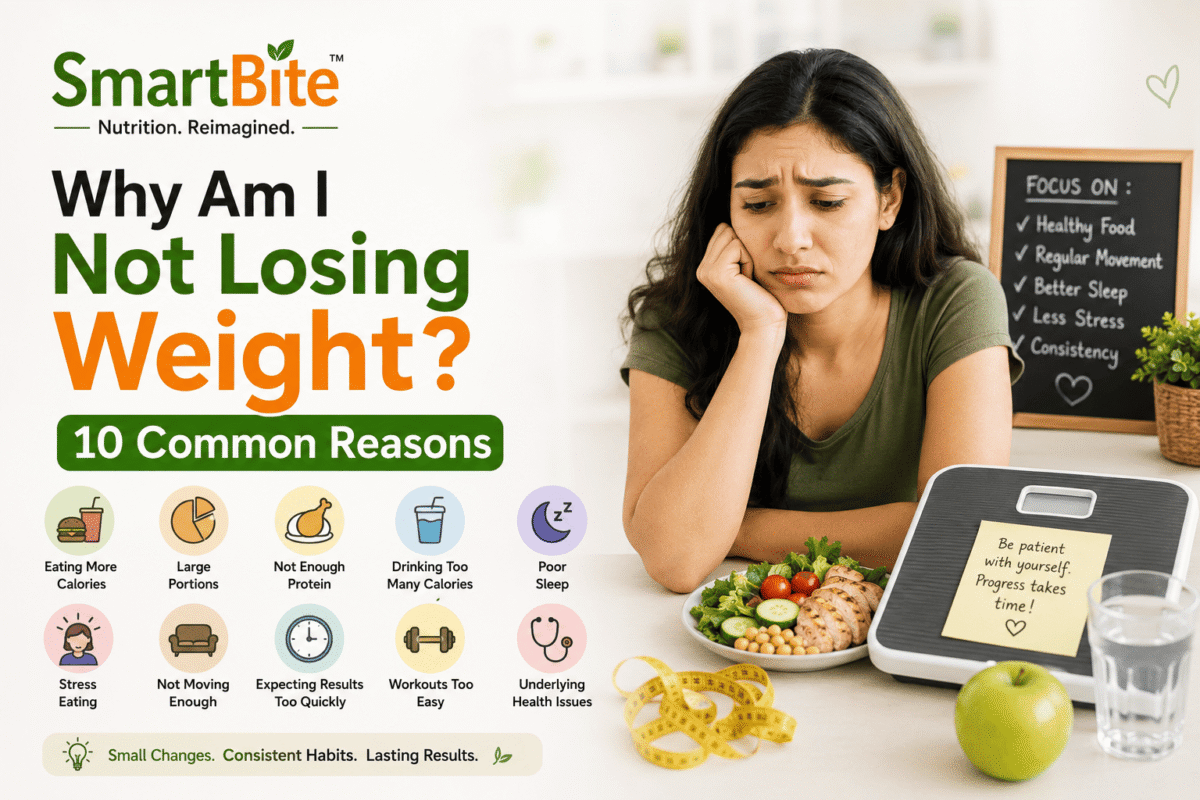
Why Am I Not Losing Weight? 10 Common Reasons

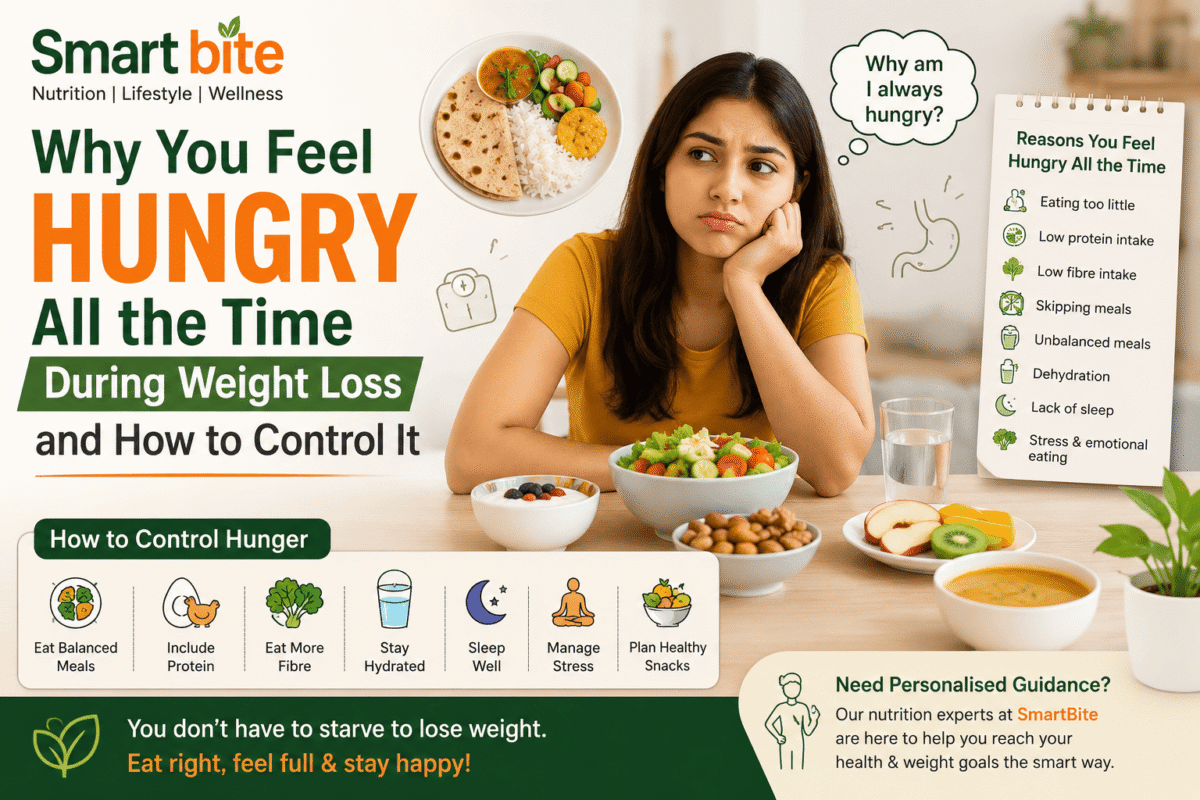
Trying to lose weight can be frustrating, especially when you are eating better, exercising regularly, and still not seeing the number on the scale go down. If you are wondering, “Why am I not losing weight?”, the answer may not be that you are doing everything wrong.

Weight loss depends on many factors, including food choices, portion sizes, activity, sleep, stress, hormones, and consistency. Sometimes small habits that seem harmless can slow your progress.

Why am I not losing weight?

Here are 10 common reasons you may not be losing weight and what you can do about them.

  1. You Are Eating More Calories Than You Think

Even healthy foods contain calories. Nuts, oils, dressings, smoothies, sauces, and snacks can quickly increase your daily calorie intake.

You may eat nutritious meals but still consume more energy than your body needs.

What to do: Pay attention to portion sizes and keep a simple food diary for a few days. This can help you understand where extra calories may be coming from.

  1. Your Portions Are Too Large

Healthy food is important, but portion size matters too. For example, whole grains, avocado, nuts, and peanut butter can be part of a healthy diet, but eating large amounts may make weight loss harder.

Try using smaller plates and building balanced meals with vegetables, lean protein, whole grains, and healthy fats.

  1. You Are Not Eating Enough Protein

Protein can help you feel full for longer and supports muscle maintenance during weight loss. If your meals are mostly carbohydrates with very little protein, you may feel hungry again soon after eating.

Include protein-rich foods such as eggs, Greek yogurt, chicken, fish, beans, lentils, tofu, or cottage cheese in your meals.

  1. You Drink Too Many Calories

Liquid calories are easy to overlook. Sugary coffee, soft drinks, fruit juices, milkshakes, and some smoothies can add a surprising amount of calories without making you feel very full.

A simple solution: Choose water, unsweetened tea, or other low-calorie drinks more often. If you enjoy coffee, reduce added sugar and high-calorie creamers.

  1. You Are Not Getting Enough Sleep

Sleep plays an important role in healthy weight management. When you regularly sleep too little, you may feel more tired and find it harder to control hunger and cravings.

Aim for a consistent sleep routine and try to get around 7–9 hours of sleep each night if possible.

  1. Stress Is Affecting Your Eating Habits

Long-term stress can make healthy eating more difficult. Some people respond to stress by eating more, especially foods high in sugar or fat.

Instead of relying on food for stress relief, try simple habits such as walking, deep breathing, meditation, stretching, or spending time doing something you enjoy.

  1. You Are Not Moving Enough During the Day

Going to the gym for an hour does not necessarily mean you are active for the rest of the day. Sitting for long periods can reduce your overall daily movement.

Try adding more activity to your routine. Walk after meals, take the stairs, stand up regularly, or aim for more daily steps.

  1. You Expect Results Too Quickly

Healthy weight loss usually takes time. Your weight can also change from day to day because of water retention, food intake, digestion, and other factors.

Instead of focusing only on the scale, look at other signs of progress, such as better energy, improved fitness, better-fitting clothes, and healthier eating habits.

Consistency is more important than quick results.

  1. Your Workout Routine Has Become Too Easy

Your body adapts to repeated activities. If you have been doing the same workout for months without increasing the challenge, your progress may slow.

You can gradually increase your walking time, resistance, repetitions, or workout intensity. Strength training is also useful because maintaining muscle can support a healthy metabolism.

However, you do not need to exercise excessively to lose weight.

  1. An Underlying Health Issue May Be Involved

Sometimes difficulty losing weight can be related to certain medications or health conditions. Hormonal conditions, thyroid problems, sleep disorders, and other health issues can affect weight management.

If you have been making consistent lifestyle changes but are struggling with unexplained weight gain or other symptoms, talk with a qualified healthcare professional. They can help identify whether an underlying issue needs attention.

How to Start Losing Weight Again

If your weight loss has stopped, avoid extreme diets or skipping meals. Instead, go back to the basics:

  • Eat more vegetables and fiber-rich foods.
  • Include protein in every main meal.
  • Watch portion sizes.
  • Reduce sugary drinks and highly processed snacks.
  • Drink enough water.
  • Stay physically active throughout the day.
  • Get enough quality sleep.
  • Manage stress.
  • Track your habits rather than obsessing over the scale.
  • Give your body enough time to respond.

Final Thoughts

If you are asking, “Why am I not losing weight?”, remember that weight loss program is not always a straight line. Small changes in your eating habits, activity level, sleep, and stress can make a meaningful difference over time.

The goal should not be a quick fix. A balanced diet and sustainable lifestyle are much more likely to help you maintain your results in the long run.

At SmartBite, the focus is on making nutrition simple, practical, and sustainable. Instead of following extreme diets, focus on healthy habits that you can continue for years.

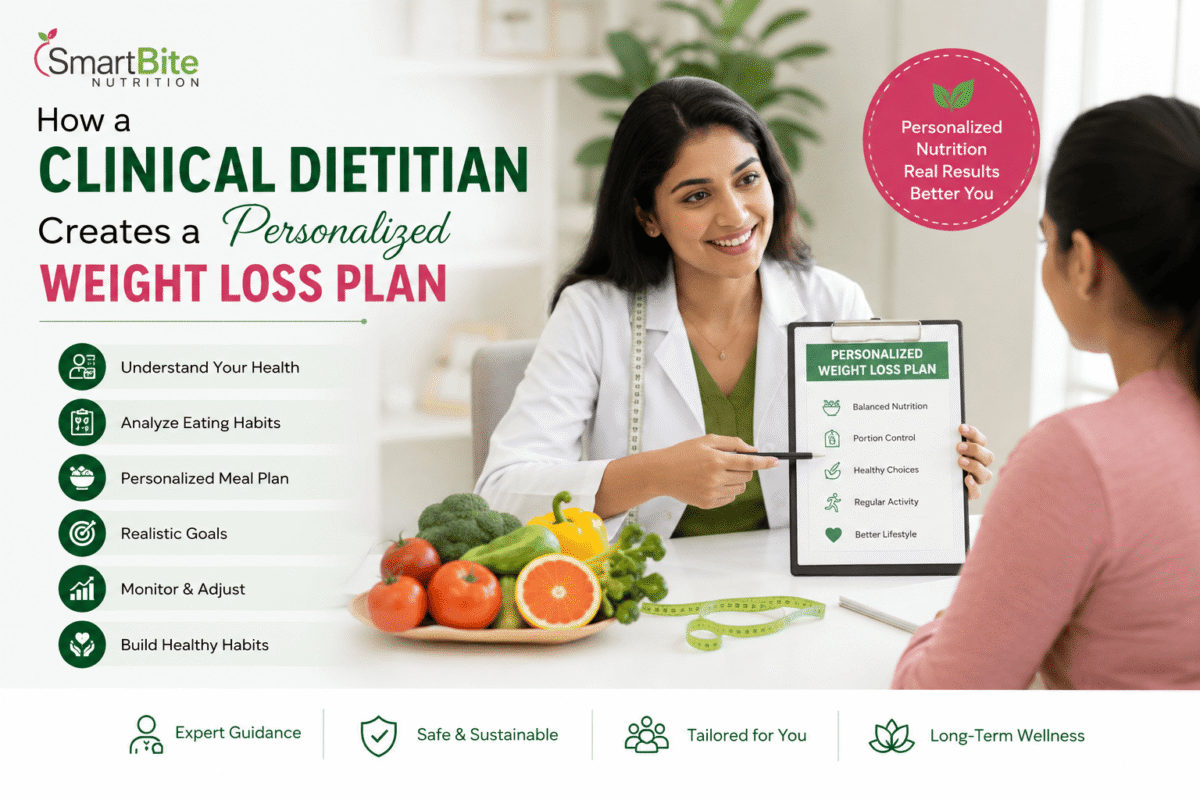
How a Clinical Dietitian Creates a Personalized Weight Loss Plan

How a Clinical Dietitian Creates a Personalized Weight Loss Plan

Losing weight is not only about eating less or following a popular diet. Every person has a different body, lifestyle, food preference, and health condition. That is why a personalized weight loss plan can be more helpful than following the same diet as everyone else.

A clinical dietitian studies your individual needs and creates a practical food plan that supports healthy and sustainable weight loss. If you are looking for a dietitian in Bangalore for weight loss, understanding how a personalized plan is created can help you make a better decision.

Understanding Your Health and Weight Goals

The first step is to understand your current health condition and weight loss goals. A clinical dietitian may review factors such as:

  • Current weight and height
  • Age and daily activity level
  • Eating habits
  • Sleep routine
  • Work schedule
  • Medical history
  • Previous attempts to lose weight
  • Food allergies or intolerances

Some people may also have health conditions that affect weight management. Therefore, a personalized approach is important.

Instead of giving the same diet chart to everyone, a dietitian tries to understand what is suitable for your body and lifestyle.

Checking Your Current Eating Habits

Many people know that they need to lose weight, but they may not know which daily habits are causing weight gain.

A clinical dietitian may ask questions such as:

  • What do you eat for breakfast?
  • How many meals do you eat every day?
  • Do you eat late at night?
  • How often do you order food from outside?
  • How much water do you drink?
  • Do you eat snacks when stressed or bored?

This helps identify areas where small changes can make a big difference.

For example, skipping breakfast may lead to overeating later in the day. Frequent sugary drinks or large portions may also increase daily calorie intake without people realizing it.

Creating a Plan Based on Your Lifestyle

One of the biggest problems with strict diet plans is that they can be difficult to follow for a long time.

A person working long hours may not have time to prepare complicated meals. Someone who travels frequently may have different food options. A family may also follow traditional Indian eating habits.

A clinical dietitian creates a plan that fits your real life.

The goal is not to make you eat only salads or remove all your favourite foods. Instead, the focus is on creating a balanced routine with the right food choices and portion sizes.

If you are searching for a dietitian clinic in Bangalore for weight loss, choose a service that understands your lifestyle and helps you build healthy habits that you can continue.

Planning Balanced and Nutritious Meals

A healthy weight loss plan should provide the nutrients your body needs.

A personalized meal plan may include a proper balance of:

  • Protein
  • Fibre
  • Healthy fats
  • Complex carbohydrates
  • Vitamins and minerals

Protein-rich foods can help support fullness and muscle maintenance. Fibre-rich foods such as vegetables, fruits, and whole grains can also help you feel satisfied.

The exact food plan will depend on your individual needs, preferences, and health condition.

A good weight loss plan should not focus only on reducing calories. It should also support overall nutrition and energy levels.

Considering Your Food Preferences

A diet plan is easier to follow when it includes foods you actually enjoy.

For example, some people prefer South Indian meals, while others may prefer North Indian food. Some people are vegetarian, while others eat eggs, fish, or chicken.

A clinical dietitian can plan meals around your food preferences.

This makes healthy eating more practical and reduces the feeling that you are following a temporary or restrictive diet.

The aim is to learn how to make better choices with the foods you normally eat.

Setting Realistic Weight Loss Goals

Many people want to lose a large amount of weight in a very short time. However, extremely restrictive diets can be difficult to maintain.

A clinical dietitian helps set realistic goals based on your current condition and lifestyle.

The focus is usually on making gradual improvements, such as:

  • Improving meal timing
  • Eating more nutritious foods
  • Controlling portion sizes
  • Reducing highly processed foods
  • Increasing physical activity
  • Improving sleep habits

Small and consistent changes can be easier to maintain over time.

Monitoring Progress and Making Changes

A personalized weight loss plan is not always fixed. Your body, routine, and progress may change over time.

Regular follow-ups allow the dietitian to understand what is working and what needs to be adjusted.

For example, the diet plan may be changed if:

  • You feel hungry too often
  • Your work schedule changes
  • Your weight loss progress slows down
  • You find certain meals difficult to follow
  • Your physical activity increases

This flexibility is one of the important benefits of working with a professional dietitian.

Building Healthy Habits for Long-Term Results

Successful weight management is not only about reaching a target number on the weighing scale. It is also about developing healthier habits.

A clinical dietitian can help you learn:

  • How to plan balanced meals
  • How to control portions
  • How to make healthier choices when eating outside
  • How to manage cravings
  • How to maintain your weight after reaching your goal

These habits can help make healthy eating a part of your daily life.

Why Choose SmartBite Nutrition for Personalized Weight Loss Support?

At SmartBite Nutrition, the focus is on understanding individual needs and creating practical nutrition guidance. Every person has a different lifestyle, eating pattern, and weight management goal.

Instead of following a one-size-fits-all approach, personalized nutrition guidance can help you make changes that fit your daily routine.

If you are looking for a weight loss clinic in Bangalore , professional guidance can help you understand your food habits and work towards healthier, sustainable changes.

Conclusion

There is no single diet plan that works perfectly for everyone. A personalized weight loss plan considers your body, lifestyle, food preferences, health needs, and goals.

A clinical dietitian helps create a practical approach that is easier to follow and adjust over time. Rather than relying on extreme diets or quick fixes, personalized nutrition focuses on building healthier habits.

If you are searching for a trusted dietitian clinic in Bangalore for weight loss, SmartBite Nutrition can help you take a more personalized approach towards your weight management goals.

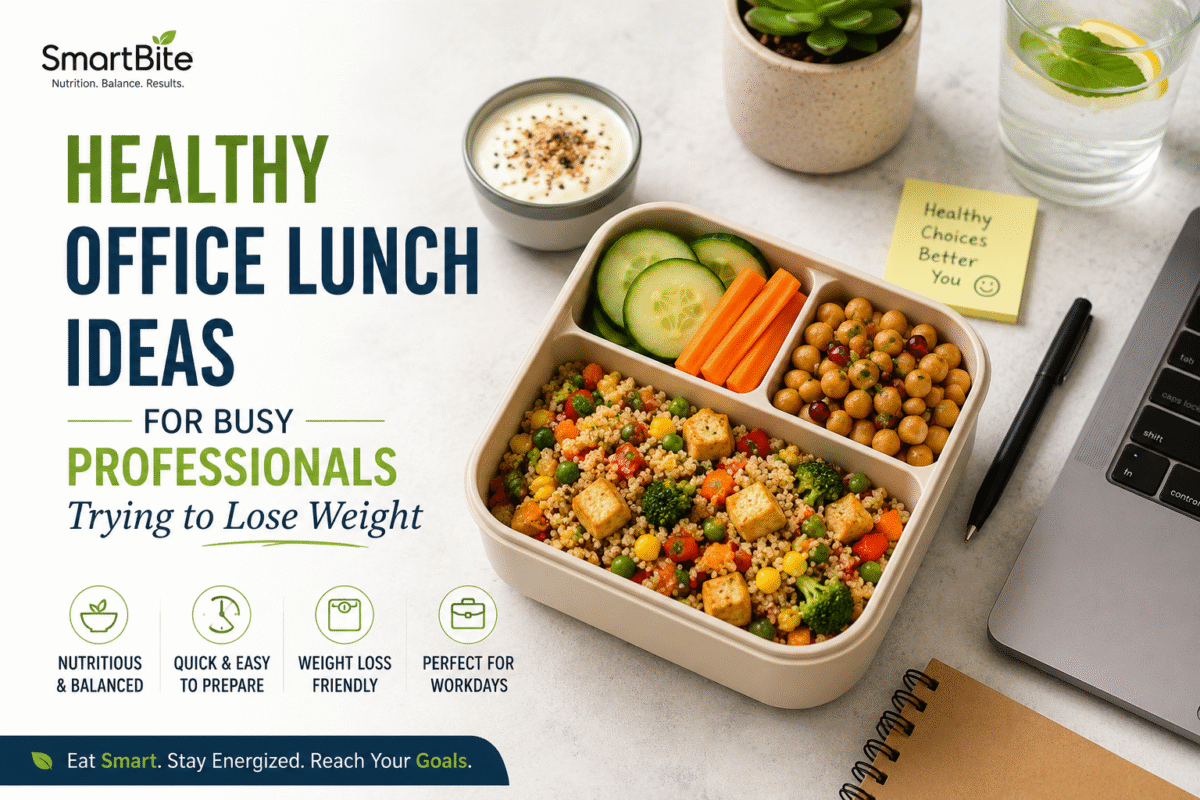
Healthy Office Lunch Ideas for Busy Professionals Trying to Lose Weight

Healthy Office Lunch Ideas for Busy Professionals Trying to Lose Weight

For busy professionals, lunch is often the most difficult meal of the day. Tight deadlines, meetings, travel, and limited food options can make it easy to order fast food or skip meals. However, planning a healthy office lunch can make weight management easier while helping you stay full and energized.

A good weight-loss lunch does not need to be boring or complicated. The simple goal is to include a balance of protein, fibre-rich carbohydrates, vegetables, and healthy fats, while keeping portions suitable for your individual needs.

Why Is a Healthy Office Lunch Important?

A balanced lunch can help you avoid extreme hunger later in the day. When you are very hungry, you may be more likely to choose large portions, sugary snacks, or highly processed foods. Research-based healthy eating guidance commonly recommends building meals around vegetables, whole grains, and healthy protein sources.

Here are some easy lunch ideas that can fit into a busy workday.

1. Vegetable and Paneer Roti Wrap

A whole-wheat roti wrap is easy to prepare and carry to the office. Fill it with grilled paneer, cucumber, carrots, capsicum, lettuce, and a light curd-based dressing.

This combination provides protein and vegetables while keeping the meal simple and filling.

2. Dal, Brown Rice and Vegetable Bowl

This is a simple Indian lunch option. Pack:

  • A suitable portion of brown rice or another whole grain
  • Dal or another pulse
  • A large serving of mixed vegetables
  • Salad or curd

Beans and lentils can provide both protein and fibre, while whole grains and vegetables can be part of a balanced meal. (nhs.uk)

3. Quinoa or Millet Salad Bowl

Prepare a bowl with quinoa or millet, plenty of vegetables, and a protein source such as paneer, tofu, chickpeas, eggs, chicken, or fish.

Add lemon, herbs, and a small amount of healthy fat such as nuts or seeds for flavour.

4. Grilled Chicken and Vegetable Lunch Box

For non-vegetarians, grilled chicken can be paired with:

  • Stir-fried vegetables
  • Salad
  • A suitable portion of brown rice or whole-wheat roti

Avoid turning a healthy lunch into a high-calorie meal by using too much creamy sauce, mayonnaise, butter, or oil.

5. Chickpea or Rajma Salad

Chickpeas and rajma are convenient options for a filling office lunch. Mix cooked chickpeas or rajma with cucumber, tomato, onion, carrots, coriander, and lemon.

You can add a small portion of whole grains or a whole-wheat roti if needed. Preparing the ingredients in advance can save time during busy weekdays.

6. Vegetable Khichdi with Curd

Khichdi can be a comforting and practical lunch when prepared with dal, vegetables, and a suitable amount of rice or millet.

Add vegetables such as carrots, beans, peas, spinach, or bottle gourd. Serve with plain curd and salad for a more balanced meal.

7. Egg and Whole-Wheat Roti Roll

A simple egg roll can be prepared in just a few minutes. Use eggs, vegetables, and a whole-wheat roti.

You can prepare the filling the night before and pack it in the morning. This is a useful option for professionals who do not have much time for cooking.

8. Tofu or Paneer Buddha Bowl

A Buddha bowl can include several healthy foods in one lunch box:

  • Leafy greens or other vegetables
  • Tofu or paneer
  • Chickpeas or beans
  • A suitable portion of quinoa, brown rice, or millet
  • Seeds or a small amount of nuts

The exact portion should depend on your calorie needs, activity level, and weight-loss goals.

9. Whole-Wheat Sandwich with Protein

Choose whole-grain bread and add a protein source such as paneer, egg, chicken, hummus, or tofu.

Add plenty of cucumber, tomato, lettuce, and other vegetables. Try to limit excess cheese, butter, and mayonnaise.

10. Leftover Dinner Can Become Tomorrow’s Lunch

Healthy office lunches do not always require cooking a separate meal.

If dinner includes vegetables, protein, and a suitable portion of carbohydrates, you can pack a portion for lunch the next day. This can save time and reduce the temptation to order unhealthy food.

A Simple Formula for Building Your Office Lunch

A useful way to plan a balanced meal is to divide your plate into:

Half: Non-starchy vegetables or salad
One-quarter: Protein such as dal, beans, tofu, paneer, eggs, fish, or lean chicken
One-quarter: Quality carbohydrates such as whole grains, brown rice, whole-wheat roti, or other suitable carbohydrate foods

This type of plate method is a simple guide for creating balanced meals and managing portions.

Tips for Busy Professionals Trying to Lose Weight

Plan Your Lunch the Night Before

Prepare vegetables, cook protein sources, or pack leftovers in advance. When a healthy lunch is ready, you are less likely to make a last-minute food choice.

Include Protein

Protein-rich foods can help make meals more satisfying and can support muscle health during weight loss.

Add More Vegetables

Vegetables can add volume and fibre to your meal without adding as many calories as many high-fat or highly processed foods. Try to include different vegetables during the week. (American Diabetes Association)

Watch Portion Sizes

Even nutritious foods can contribute more energy than you need when portions are very large. Weight loss usually requires an overall energy deficit, but the right calorie intake varies from person to person. (nhs.uk)

Choose Water Instead of Sugary Drinks

Sweetened drinks can add extra calories without making you feel full. Water is a simple choice to include with your office lunch.

Do Not Follow Extreme Diets

Skipping entire food groups or following very restrictive diets may not be necessary for sustainable weight management. A balanced eating pattern that fits your lifestyle is often easier to maintain.

How a Dietitian Can Help With Weight Loss

There is no single lunch plan that works for everyone. Your food requirements can depend on your age, activity level, work schedule, health conditions, food preferences, and weight goals.

If you are searching online for the best dietician in Bangalore for weight loss, it is important to look for qualified nutrition professionals who can provide a personalized and practical eating plan instead of promoting extreme diets or quick fixes.

Working with the best dietitian in Bangalore can help you understand suitable portions, meal timing, protein needs, and healthier food choices that fit your daily routine.

At Smartbite Nutrition, the focus can be on creating realistic meal plans that work with Indian food, busy schedules, and long-term health goals.

Final Thoughts

Losing weight does not mean eating plain salads every day or spending hours cooking. A healthy office lunch can be as simple as dal and vegetables, a paneer wrap, a grain bowl, grilled chicken with vegetables, or a balanced leftover meal.

The key is to plan ahead and include a good balance of vegetables, protein, fibre-rich foods, and suitable portions.

Small, consistent changes are often easier to maintain than extreme diets. Start by preparing just two or three healthy lunches each week and gradually build a routine that works for you.

Disclaimer: This article is for general educational purposes and is not a substitute for personalized medical or nutrition advice. If you have a medical condition or specific dietary needs, consult a qualified healthcare professional or registered dietitian.

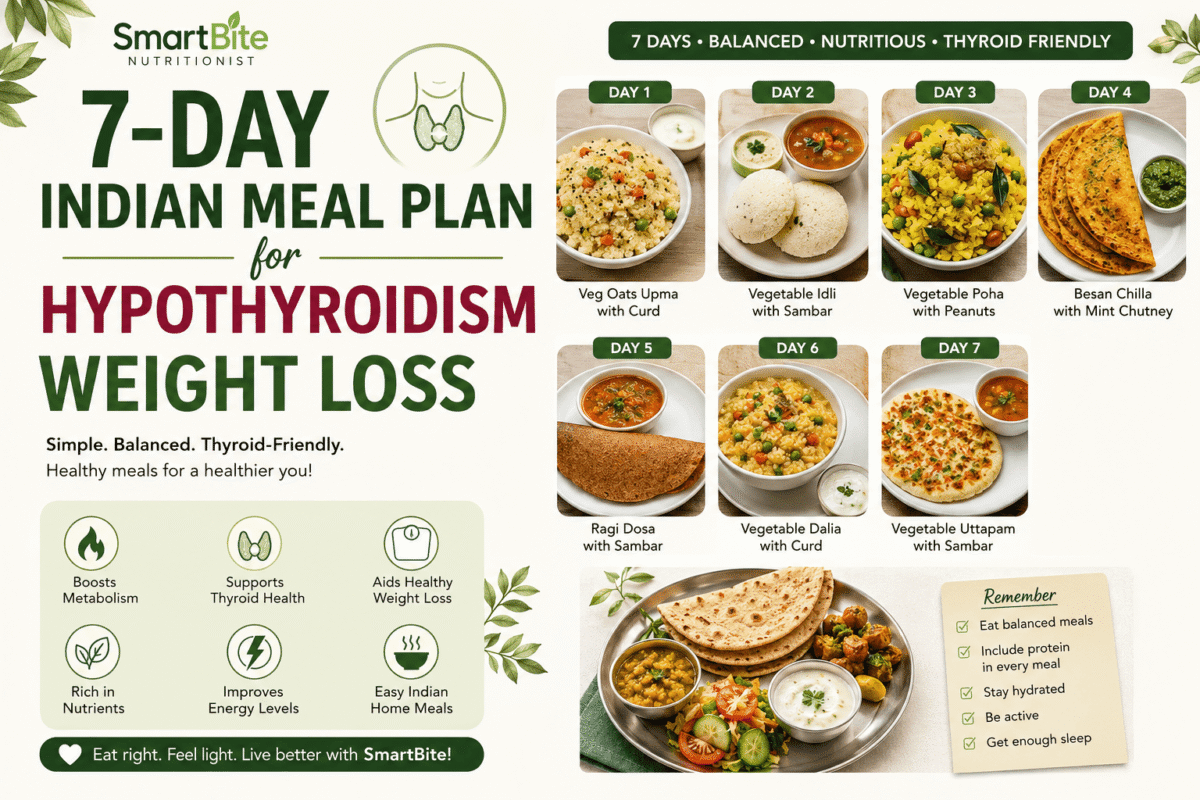
7-Day Indian Meal Plan for Hypothyroidism Weight Loss

Hypothyroidism can affect energy levels, metabolism, and overall well-being. Many people with hypothyroidism also find it difficult to manage their weight. While there is no single food or diet that can cure hypothyroidism, a balanced eating plan, regular physical activity, proper sleep, and prescribed medical treatment can support healthy weight management.

The good news is that you do not need expensive or complicated foods. A simple Indian diet with vegetables, fruits, whole grains, pulses, and good sources of protein can be both healthy and practical.

This 7-day Indian meal plan for hypothyroidism weight loss is a general guide for people who want to make healthier food choices. Individual calorie and nutrient needs can vary based on age, weight, activity level, medical history, and thyroid treatment.

Important Tips Before Following the Meal Plan

If you are taking thyroid medication, follow your doctor’s instructions about when and how to take it. Do not stop or change your medication based only on diet advice.

For weight loss, focus on:

  • Eating balanced meals
  • Including protein in your diet
  • Controlling portion sizes
  • Eating more vegetables and fibre-rich foods
  • Limiting highly processed foods and sugary drinks
  • Staying physically active
  • Getting enough sleep

Here is a simple 7-day Indian meal plan that can be adapted to your lifestyle.

Day 1

Breakfast: Vegetable oats upma with a bowl of curd.

Mid-morning: One apple or guava.

Lunch: Two small chapatis, moong dal, mixed vegetable sabzi, and cucumber salad.

Evening snack: Roasted chana with unsweetened tea.

Dinner: Paneer bhurji with vegetables and one small chapati.

Day 2

Breakfast: Vegetable idli with sambar.

Mid-morning: A small bowl of papaya.

Lunch: A controlled portion of rice, rajma, cooked vegetables, and salad.

Evening snack: Roasted makhana or a small handful of nuts.

Dinner: Grilled fish with sautéed vegetables. Vegetarians can choose paneer or another suitable protein source.

Day 3

Breakfast: Vegetable poha with a small amount of peanuts.

Mid-morning: One orange or another seasonal fruit.

Lunch: Two chapatis, chana dal, bhindi or beans sabzi, and salad.

Evening snack: Buttermilk with roasted chana.

Dinner: Vegetable moong dal khichdi with curd.

Day 4

Breakfast: Besan chilla with vegetables and mint chutney.

Mid-morning: A small handful of almonds or walnuts.

Lunch: Two chapatis, palak dal, mixed vegetables, and salad.

Evening snack: Homemade sprouts chaat.

Dinner: Egg bhurji with vegetables and one or two small chapatis. Paneer can be used as a vegetarian alternative.

Day 5

Breakfast: Ragi dosa with sambar.

Mid-morning: A bowl of seasonal fruit.

Lunch: Vegetable pulao in a controlled portion with raita and dal or grilled chicken.

Evening snack: Roasted makhana or peanuts.

Dinner: Vegetable soup with grilled paneer or chicken.

Day 6

Breakfast: Vegetable dalia with curd.

Mid-morning: One apple or guava.

Lunch: Two chapatis, masoor dal, lauki or mixed vegetable sabzi, and salad.

Evening snack: Buttermilk with roasted chana.

Dinner: Grilled fish or paneer with stir-fried vegetables.

Day 7

Breakfast: Vegetable uttapam with sambar.

Mid-morning: Papaya or another seasonal fruit.

Lunch: Two chapatis, dal, seasonal vegetables, salad, and curd.

Evening snack: A small handful of nuts or roasted makhana.

Dinner: Light vegetable khichdi with a protein source such as dal, paneer, egg, fish, or chicken.

Foods to Include in Your Diet

A balanced hypothyroidism diet does not need to be complicated. Try to include a variety of healthy foods throughout the week.

Good options include:

  • Green and colourful vegetables
  • Seasonal fruits
  • Dal, chana, rajma, and other pulses
  • Eggs, fish, and chicken for non-vegetarians
  • Paneer and curd in suitable portions
  • Whole grains and millets
  • Nuts and seeds in controlled quantities

For people with a busy Bangalore lifestyle, meal planning can help avoid frequent ordering of unhealthy food. Preparing simple meals at home can make it easier to control ingredients and portions.

Simple Tips for Better Weight Management

Do not depend on crash diets or skip meals regularly. Extreme dieting can be difficult to maintain and may leave you feeling hungry and tired.

Instead, focus on eating enough protein, vegetables, and fibre-rich foods. Watch portion sizes, especially for rice, chapatis, snacks, sweets, and calorie-dense foods.

Try to stay physically active with walking, strength training, yoga, cycling, or any activity you enjoy. Regular movement can support overall health and help maintain muscle while losing weight.

Sleep is also important. Poor sleep can affect hunger, food choices, and energy levels.

Final Thoughts

Hypothyroidism does not mean you have to follow a strict or boring diet. A simple Indian meal plan with balanced portions, protein-rich foods, vegetables, fruits, and regular physical activity can support your weight management goals.

The best diet plan is one that fits your lifestyle and nutritional needs. If you are struggling with hypothyroidism and weight loss, a personalized plan from a qualified nutritionist can help you make healthier and more sustainable food choices.

Disclaimer: This article is for general educational purposes only. It is not a substitute for medical advice. Always consult your doctor or qualified dietitian before making major changes to your diet or thyroid treatment.


Why You Feel Hungry All the Time

Why You Feel Hungry All the Time During Weight Loss and How to Control It

Starting a weight-loss journey can sometimes feel difficult, especially when you are hungry all the time. You may eat a meal, but within a short time, you start thinking about food again.

Many people believe that feeling constantly hungry means they are doing weight loss correctly. However, extreme hunger can make a diet difficult to follow and may lead to overeating later.

The good news is that you do not need to stay hungry to work towards a healthy weight. Understanding why you feel hungry during weight loss can help you make better food and lifestyle choices.

  1. You Are Eating Too Little

One common reason for constant hunger is cutting too much food at once.

Some people drastically reduce their food intake or skip multiple meals to lose weight faster. While this may seem effective in the beginning, extreme restriction can increase hunger and make the diet difficult to maintain.

Instead of following a very low-calorie diet without guidance, focus on balanced meals and a sustainable eating pattern.

  1. Your Meals Are Low in Protein

Protein can help you feel fuller after eating. If most of your meals contain mainly carbohydrates with very little protein, you may feel hungry again sooner.

Try including a suitable protein source in your meals, such as:

  • Dal and other pulses
  • Chana or rajma
  • Paneer
  • Tofu
  • Curd
  • Eggs
  • Fish
  • Chicken

The right amount of protein depends on individual factors such as your age, activity level, health condition, and overall diet.

  1. You Are Not Eating Enough Fibre

Fibre-rich foods can add volume to meals and may help you feel satisfied.

Include more foods such as:

  • Vegetables
  • Fruits
  • Whole grains
  • Dal and beans
  • Oats
  • Seeds

Instead of eating only a small portion of rice or roti, try adding vegetables, dal, salad, and another suitable protein source to make the meal more balanced.

  1. You Are Skipping Meals

Skipping meals may work for some people, but for others, it can lead to extreme hunger later in the day.

For example, if you skip breakfast and lunch, you may become so hungry in the evening that controlling portions becomes difficult.

A regular meal pattern that suits your lifestyle may help prevent extreme hunger.

  1. Your Meals Are Not Balanced

A meal containing only carbohydrates may not keep you satisfied for long.

For example, instead of eating only rice or several rotis, try creating a more balanced plate.

A simple approach could include:

  • ½ plate: Vegetables or salad
  • ¼ plate: Protein-rich foods
  • ¼ plate: Rice, roti, or another carbohydrate source

This is only a general guide. Individual needs can vary.

  1. You Are Not Drinking Enough Water

Sometimes thirst can be confused with hunger.

Drinking water regularly throughout the day may help you stay hydrated. However, you should not use water as a way to suppress genuine hunger or replace proper meals.

Listen to your body’s hunger signals and maintain regular hydration.

  1. Lack of Sleep Can Affect Your Appetite

Poor sleep can affect appetite and food choices. When you are tired, you may feel more interested in high-calorie snacks, sweets, or fast food.

Try to maintain a regular sleep schedule and get adequate rest as part of your overall weight-management routine.

  1. Stress May Be Increasing Your Desire to Eat

Stress can affect eating habits in different ways. Some people eat less when stressed, while others experience stronger cravings for comfort foods.

Before reaching for a snack, take a moment to ask yourself:

“Am I physically hungry, or am I bored, stressed, tired, or simply craving something?”

This simple habit can help you better understand your eating patterns.

  1. Your Weight-Loss Plan May Be Too Restrictive

A diet that completely removes your favourite foods can be difficult to follow for a long time.

For example, you do not necessarily need to completely avoid rice, roti, fruits, or other traditional foods to manage your weight.

A more practical approach is to focus on:

  • Portion awareness
  • Balanced meals
  • Adequate protein
  • More vegetables and fibre
  • Limiting highly processed foods
  • Regular physical activity
  • Good sleep

A sustainable plan is usually easier to follow than an extremely restrictive one.

How to Control Hunger During Weight Loss

Here are some practical ways to manage hunger:

Eat Balanced Meals

Include a combination of protein, fibre-rich foods, carbohydrates, and healthy fats where appropriate.

Plan Healthy Snacks

If you genuinely feel hungry between meals, choose a satisfying option instead of waiting until you become extremely hungry.

Some options may include:

  • Fruit with curd
  • Roasted chana
  • A small portion of nuts
  • Makhana
  • Boiled eggs
  • Paneer or tofu
  • Unsweetened yoghurt

Eat Slowly

Eating very quickly may make it harder to notice when you are satisfied. Try to eat slowly and pay attention to your hunger and fullness levels.

Avoid Extreme Diets

Very restrictive diets may increase hunger and make it harder to maintain healthy eating habits over time.

Don’t Ignore Genuine Hunger

Weight loss does not mean you need to feel hungry all day. Constant or extreme hunger may be a sign that your meal plan needs adjustment.

When Should You Consult a Dietitian?

If you constantly feel hungry, experience frequent cravings, or find it difficult to follow your current weight-loss plan, personalised nutrition guidance may help.

A weight loss dietitian can consider your lifestyle, food preferences, activity level, health history, and goals to create a more practical eating plan.

At SmartBite, personalised weight-loss programs focus on creating sustainable food habits instead of relying on extreme restrictions. The aim is to help you enjoy balanced Indian meals while working towards your health and weight-management goals.

Final Thoughts

Feeling hungry occasionally during weight loss can happen, but constant hunger should not be ignored.

Instead of simply eating less and less, look at the quality and balance of your meals. Adding adequate protein, fibre, and nutrient-rich foods, maintaining a regular eating pattern, managing stress, and getting enough sleep may help you control hunger more effectively.

The best weight-loss plan is not the one that makes you suffer through constant hunger. It is the one that supports your health and is practical enough to follow in the long term.

Close Welcome Bar