Category Archives: Diet

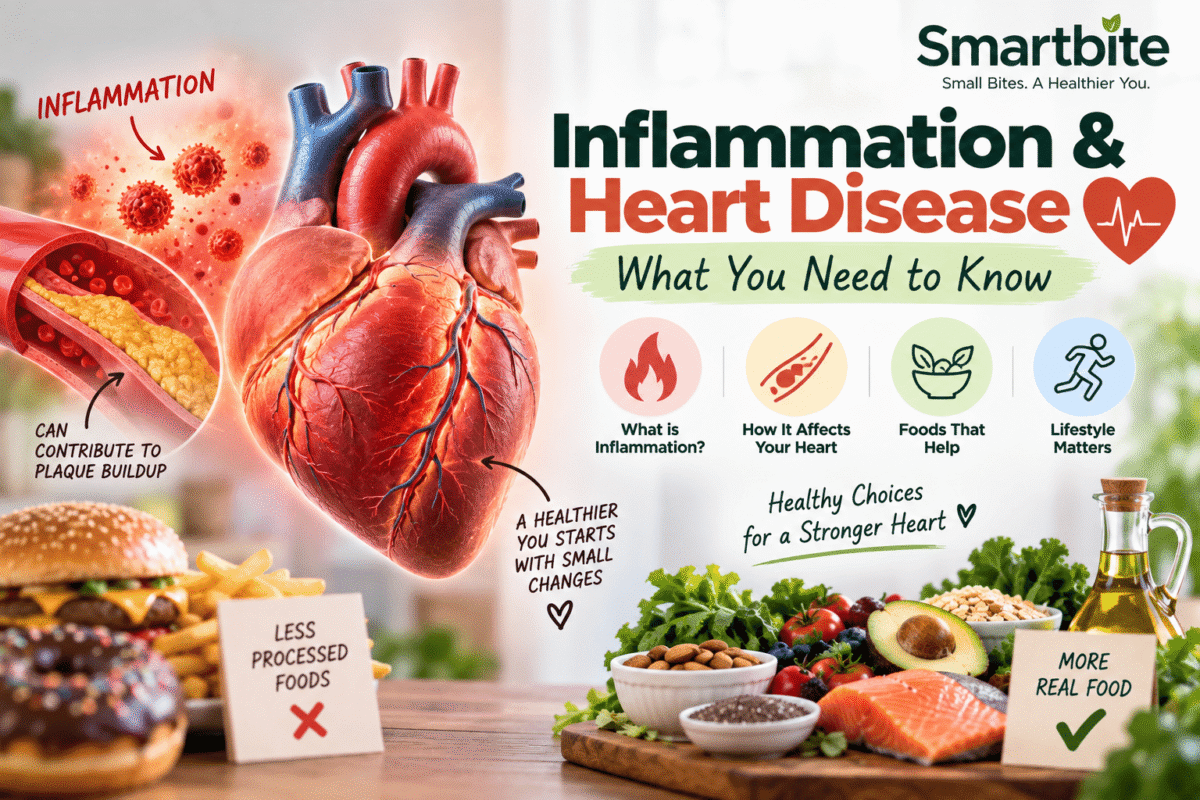
Inflammation & Heart Disease: What You Need to Know

When we think about heart disease, we often hear about cholesterol, high blood pressure, smoking, and lack of exercise. But there is another important factor that deserves attention: inflammation.

Inflammation is a normal part of the body’s defense system. It helps the body respond to infections and injuries. The problem can occur when inflammation continues for a long time. Chronic, low-level inflammation is associated with the development and progression of cardiovascular disease, particularly a condition called atherosclerosis.

Understanding the connection between inflammation and heart health can help you make better lifestyle and food choices.

What Is Inflammation?

Inflammation is the body’s natural response to injury, infection, or other problems. Short-term inflammation can be helpful because it helps the body protect and repair itself.

For example, if you cut your finger, the area may become red, swollen, and painful. This is an example of acute inflammation.

Chronic inflammation is different. It can continue at a low level for months or years without obvious symptoms. Researchers have found that chronic inflammation can play an important role in cardiovascular disease.

How Is Inflammation Connected to Heart Disease?

One important connection is through atherosclerosis, which is the buildup of plaque inside the arteries.

Plaque can contain cholesterol, inflammatory cells, calcium, and other substances. As plaque develops, it can narrow the arteries and reduce blood flow. Inflammation can contribute to the progression of plaque and, in some cases, make a plaque more likely to rupture and contribute to a blood clot. This can lead to serious events such as a heart attack or stroke.

This does not mean inflammation is the only cause of heart disease. Heart health is influenced by many factors, including cholesterol, blood pressure, diabetes, smoking, physical activity, genetics, and diet.

What Can Increase Chronic Inflammation?

Several lifestyle and health factors can contribute to chronic inflammation or cardiovascular risk.

These may include:

  • Smoking
  • Physical inactivity
  • Excess body weight
  • Poor-quality diet
  • Long-term stress
  • Poor sleep
  • Uncontrolled blood pressure
  • High LDL cholesterol
  • Diabetes and metabolic problems

These factors often overlap. For example, an unhealthy diet and lack of physical activity can contribute to weight gain, blood sugar problems, and other cardiovascular risk factors.

Can Food Help Reduce Inflammation?

Food cannot completely prevent or cure heart disease, but a healthy eating pattern can support heart health.

Instead of looking for one “anti-inflammatory food,” focus on your overall diet.

Include more:

Fruits and Vegetables : Fruits and vegetables provide fiber, vitamins, minerals, and plant compounds that support overall health.

Choose a variety of colorful foods such as berries, oranges, apples, tomatoes, carrots, spinach, broccoli, beans, and other vegetables.

Whole Grains : Oats, barley, whole-wheat products, brown rice, and other minimally processed whole grains can provide fiber and other nutrients.

Try replacing some refined grains with whole-grain options.

Nuts and Seeds : Almonds, walnuts, peanuts, flaxseeds, chia seeds, and pumpkin seeds can provide healthy fats, fiber, and other nutrients.

Because nuts and seeds are calorie-dense, reasonable portions are important.

Fish and Other Protein Sources : Fatty fish such as sardines, salmon, and mackerel provide omega-3 fatty acids. Other protein choices can include beans, lentils, tofu, eggs, and lean poultry.

Healthy Cooking Oils :  Using appropriate amounts of unsaturated-fat-rich oils can be part of a heart-friendly eating pattern. The goal is not to add large amounts of oil, but to use it sensibly as part of balanced meals.

Foods to Limit

A heart-friendly diet is not only about what you add. It is also about what you eat less often.

Try to limit:

  • Highly processed snacks
  • Sugary drinks
  • Excess sweets and desserts
  • Deep-fried foods
  • Processed meats
  • Foods high in saturated fat
  • Excessive alcohol
  • Large amounts of refined carbohydrates

You do not have to completely eliminate every food on this list. What matters most is your overall eating pattern and how often these foods appear in your diet.

Lifestyle Matters Too

Food is only one part of heart health.

Regular physical activity, maintaining a healthy weight, getting enough sleep, avoiding smoking, and managing blood pressure and cholesterol are all important. The American Heart Association recommends focusing on several key lifestyle and health factors rather than relying on one single strategy.

Even small changes can be useful. Walking regularly, eating more vegetables, replacing sugary drinks with water, and getting better sleep can all contribute to a healthier lifestyle.

Final Thoughts

The connection between inflammation and heart disease is complex. Inflammation is a normal and necessary part of the body’s immune response, but chronic inflammation can contribute to the development and progression of atherosclerosis.

The best approach is not to search for a single food or supplement that “removes inflammation.” Instead, focus on the bigger picture: eat a balanced diet, stay physically active, sleep well, avoid smoking, and manage important risk factors such as blood pressure, cholesterol, and blood sugar.

If you have heart disease, diabetes, high cholesterol, or high blood pressure, speak with your doctor or a qualified nutritionist before making major changes to your diet or taking supplements.
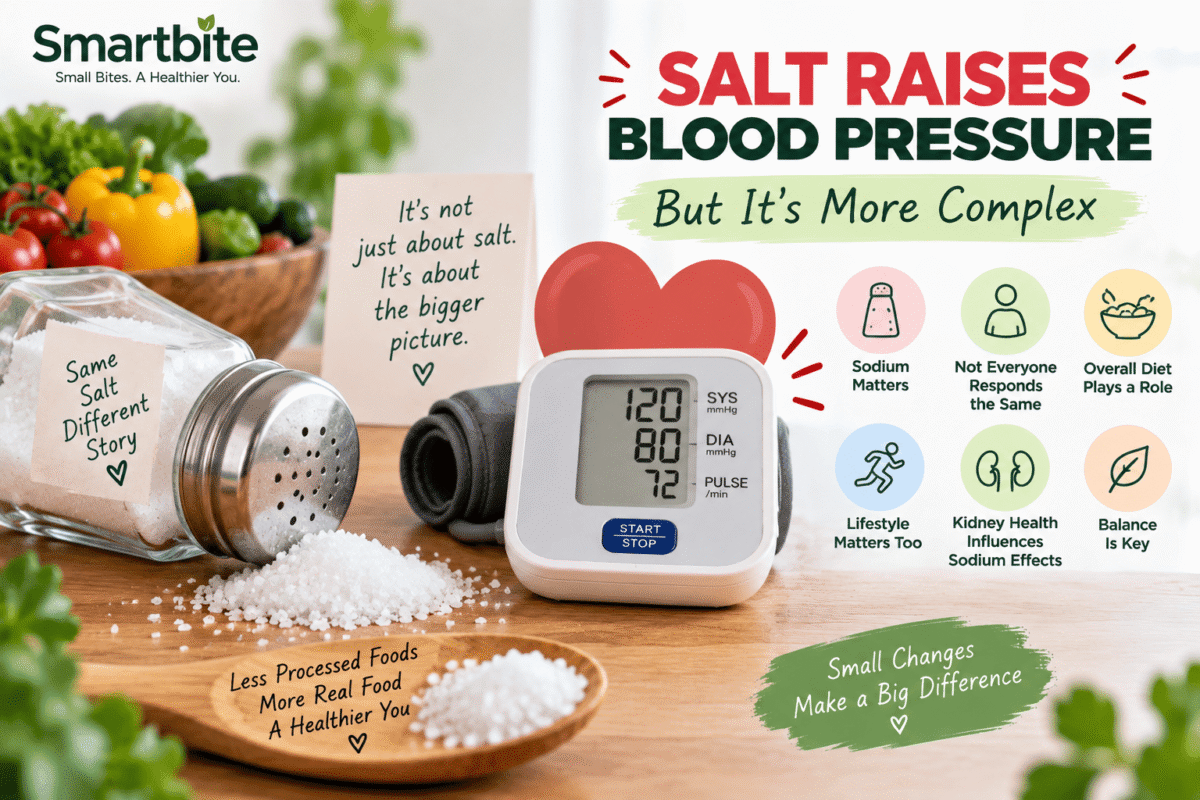
Salt Raises Blood Pressure — But It’s More Complex

For years, we have heard a simple health warning: “Salt raises blood pressure.” This advice is not completely wrong, but the relationship between salt and blood pressure is more complex than it sounds.

Salt contains sodium, and sodium plays an important role in the body. Your body needs some sodium to maintain fluid balance, support nerves, and help muscles work properly. However, consuming too much sodium can contribute to higher blood pressure, especially in people who are sensitive to salt.

So, should you completely stop eating salt? Not necessarily. The better approach is to understand how sodium affects your body and where most of the salt in your diet comes from.

How Does Salt Affect Blood Pressure?

Sodium helps control the amount of fluid in your body. When you consume a high amount of sodium, your body may retain more water. This can increase the amount of fluid in your bloodstream and, in some people, contribute to higher blood pressure.

However, not everyone responds to sodium in exactly the same way. Some people are more salt-sensitive, meaning their blood pressure changes more noticeably when they consume more sodium.

Age, genetics, kidney health, overall diet, physical activity, and other health factors can influence how your body responds to sodium.

Salt Is Not the Only Factor

Blood pressure is affected by many parts of your lifestyle, not just salt.

Body weight, physical activity, stress, sleep, alcohol intake, smoking, genetics, and overall diet can all play a role.

This is why simply removing salt from your meals may not solve every blood pressure problem.

For example, someone may eat less table salt but still consume a lot of packaged foods, processed snacks, instant noodles, sauces, and restaurant meals. These foods can contain significant amounts of sodium.

Where Does Most Sodium Come From?

Many people think the salt shaker is the biggest source of sodium in their diet. In reality, a large amount can come from processed and packaged foods.

Common sources include:

  • Instant noodles and ready-to-eat meals
  • Packaged soups
  • Chips and salty snacks
  • Pickles and papads
  • Processed meats
  • Packaged sauces and dressings
  • Some breads and bakery products
  • Restaurant and takeaway foods

This means that reducing sodium is not simply about putting less salt on your plate. It is also about looking at the foods you eat regularly.

What About Indian Food?

Indian meals can be healthy and flavorful without excessive salt. Foods such as dal, vegetables, roti, rice, fruits, curd, beans, and fresh salads can form part of a balanced diet.

The challenge often comes from foods such as pickles, papad, namkeen, packaged snacks, instant foods, and heavily salted restaurant dishes.

Instead of relying on extra salt for flavor, try using spices and herbs such as cumin, coriander, ginger, garlic, turmeric, black pepper, lemon, and fresh coriander.

These ingredients can make food flavorful without adding large amounts of salt.

Potassium Also Matters

When talking about sodium and blood pressure, it is important not to ignore potassium.

Potassium-rich foods include bananas, oranges, tomatoes, spinach, beans, lentils, potatoes, and many other fruits and vegetables.

A diet rich in fruits and vegetables can provide potassium along with fiber and other nutrients. However, people with certain kidney conditions or those taking specific medications may need to be careful about potassium intake and should follow their healthcare professional’s advice.

Should You Stop Eating Salt Completely?

For most people, completely eliminating salt is unnecessary and can make food difficult to enjoy. The goal is to avoid excessive sodium intake while maintaining a balanced diet.

If you have high blood pressure, your doctor or dietitian may recommend a specific sodium limit based on your health and treatment plan.

It is also useful to read nutrition labels when buying packaged foods. Compare products and choose options with less sodium when possible.

Final Thoughts

The statement “salt raises blood pressure” has some truth, but it does not tell the whole story. Sodium can increase blood pressure, particularly in people who are salt-sensitive, but blood pressure is influenced by many dietary and lifestyle factors.

Rather than fearing salt completely, focus on reducing excessive sodium from packaged and highly processed foods, eating more fresh foods, including suitable potassium-rich foods, staying active, and maintaining a healthy lifestyle.

If you have high blood pressure or another health condition, speak with a qualified healthcare professional or nutritionist before making major changes to your diet. A personalized approach can help you manage sodium intake without unnecessarily restricting nutritious foods.

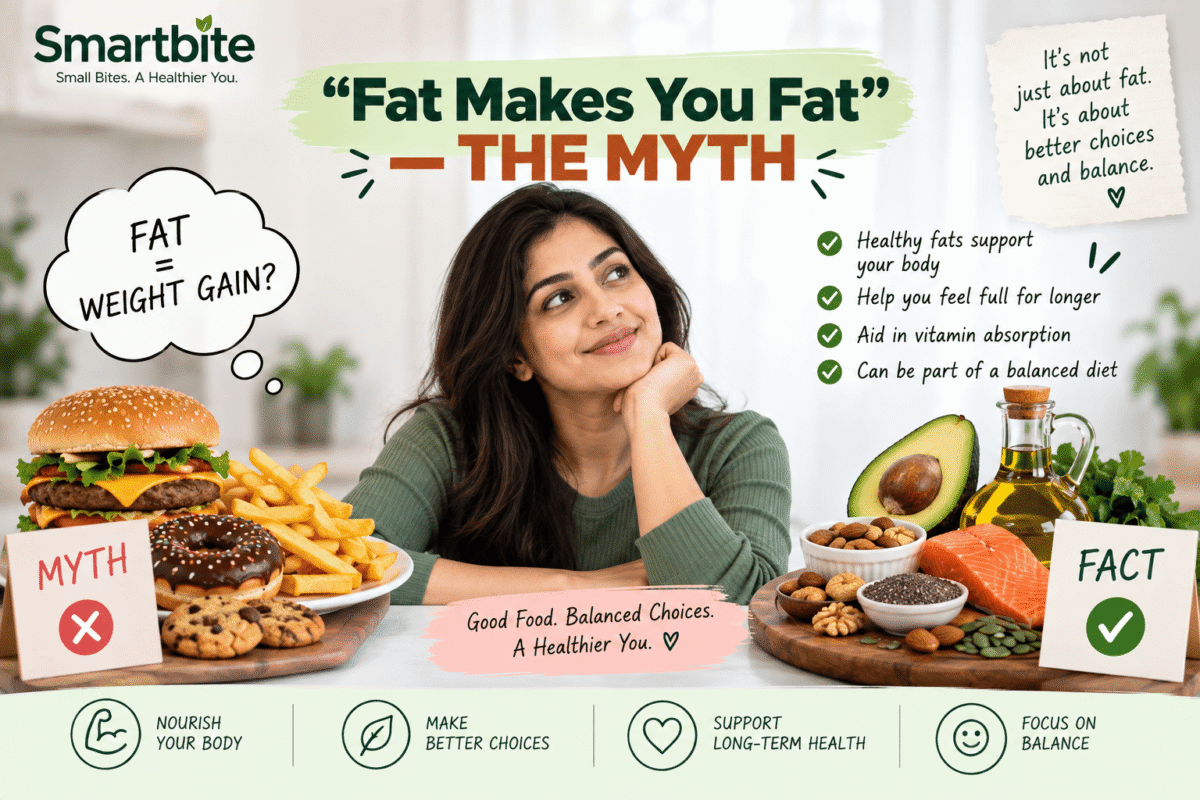
“Fat Makes You Fat” — The Myth

“Fat Makes You Fat” — The Myth

For years, people have been told that eating fat will automatically make them gain weight. Many people still avoid foods like nuts, seeds, avocado, and cooking oils because they believe that “fat makes you fat.”

But the truth is more simple: dietary fat does not automatically cause weight gain. What matters more is your overall diet, portion sizes, activity level, and how much energy you consume compared with how much your body uses.

Healthy fats can actually be an important part of a balanced diet.

Why Do People Think Fat Makes You Fat?

The idea came partly from the fact that fat contains more calories per gram than protein or carbohydrates. Fat provides about 9 calories per gram, while protein and carbohydrates provide about 4 calories per gram.

Because of this, eating very large amounts of high-fat foods can make it easier to consume more calories than your body needs.

However, this does not mean that every food containing fat causes weight gain. Your overall eating pattern matters much more than one nutrient.

For example, eating a small portion of nuts as part of a balanced meal is very different from regularly eating large portions of fried snacks, pastries, or ultra-processed foods.

Your Body Needs Dietary Fat

Fat is not something you need to completely remove from your diet. Your body needs dietary fat for several important functions.

Fat helps your body absorb fat-soluble vitamins such as vitamins A, D, E, and K. It also supports cell function and provides essential fatty acids that the body cannot make on its own.

Fat can also make meals more satisfying and enjoyable.

The goal is not to eat as little fat as possible. The goal is to choose better sources of fat and appropriate portions.

Not All Fats Are the Same

One of the biggest problems with the “fat makes you fat” idea is that it treats all fats as if they are identical.

They are not.

Healthy Unsaturated Fats

Unsaturated fats are commonly found in foods such as:

  • Almonds and walnuts
  • Peanuts
  • Chia and flaxseeds
  • Sesame seeds
  • Avocados
  • Olive oil
  • Mustard oil
  • Fatty fish

These foods can fit well into a balanced eating pattern.

Saturated Fat

Saturated fat is found in foods such as butter, ghee, full-fat dairy, fatty meats, and some processed foods.

These foods do not necessarily need to be completely avoided, but portions matter. For overall health, it is generally helpful to avoid getting too much saturated fat and to include more unsaturated fat sources.

Trans Fat

Artificial trans fats are a different story. They have been linked with increased health risks and should be avoided as much as possible. They may be present in some processed and commercially prepared foods.

Healthy Fat Can Still Be High in Calories

There is an important point to remember: healthy does not mean calorie-free.

Nuts, seeds, oils, nut butters, and avocado contain beneficial nutrients, but they are also energy-dense.

For example, adding several spoonfuls of peanut butter to meals every day can significantly increase calorie intake, even though peanut butter can be part of a healthy diet.

If your goal is weight loss, portion control still matters.

A small handful of nuts can be a useful snack. Eating an entire large packet while watching television is a different situation.

What About Cooking Oil?

Cooking oil is another area where people can become confused.

You do not need to completely stop using oil to lose weight. However, using large amounts can increase the calorie content of your meals without making them much more filling.

Measure your oil rather than pouring it directly from the bottle. Choose oils appropriate for your cooking style and overall dietary needs, and focus on using reasonable amounts.

Fat Can Help You Feel Satisfied

Meals containing some fat may feel more satisfying than meals that are extremely low in fat. When combined with protein and fiber-rich foods, healthy fats can help create balanced meals.

For example, a meal containing vegetables, dal, whole-grain roti, and a moderate amount of nuts or seeds can be more satisfying than a meal based only on refined carbohydrates.

This can make it easier to follow a healthy eating pattern without constantly feeling hungry.

So, Does Eating Fat Make You Fat?

Not by itself.

Weight gain happens when you consistently consume more energy than your body needs over time. Fat can contribute to excess calorie intake because it is energy-dense, but carbohydrates and protein can also contribute to weight gain when consumed in excess.

Instead of asking, “Should I stop eating fat?” ask:

“Which fats am I eating, how much am I eating, and what does my overall diet look like?”

This is a much more useful way to think about nutrition.

How to Include Fat in a Healthy Diet

You can follow a few simple habits:

  • Add a small portion of nuts or seeds to your meals.
  • Use cooking oils in moderate amounts.
  • Choose fish when appropriate for your diet.
  • Include natural sources of unsaturated fats.
  • Limit foods containing artificial trans fats.
  • Keep fried and highly processed foods occasional.
  • Pay attention to portion sizes, especially with oils, nuts, and spreads.
  • Combine healthy fats with vegetables, protein, and fiber-rich foods.

Final Thoughts

The statement “fat makes you fat” is an oversimplification. Dietary fat is an important nutrient, and removing it completely is neither necessary nor ideal for most people.

The better approach is to focus on the type and amount of fat you eat. Choose nutritious sources such as nuts, seeds, fish, and suitable cooking oils while keeping portions reasonable.

For healthy weight management, look at your complete diet rather than blaming one nutrient. A balanced diet, regular physical activity, good sleep, and sustainable eating habits are far more important than completely avoiding fat.

If you are unsure how much dietary fat you need or which sources are best for your goals, a qualified nutritionist can help create a personalized eating plan based on your lifestyle and nutritional needs.

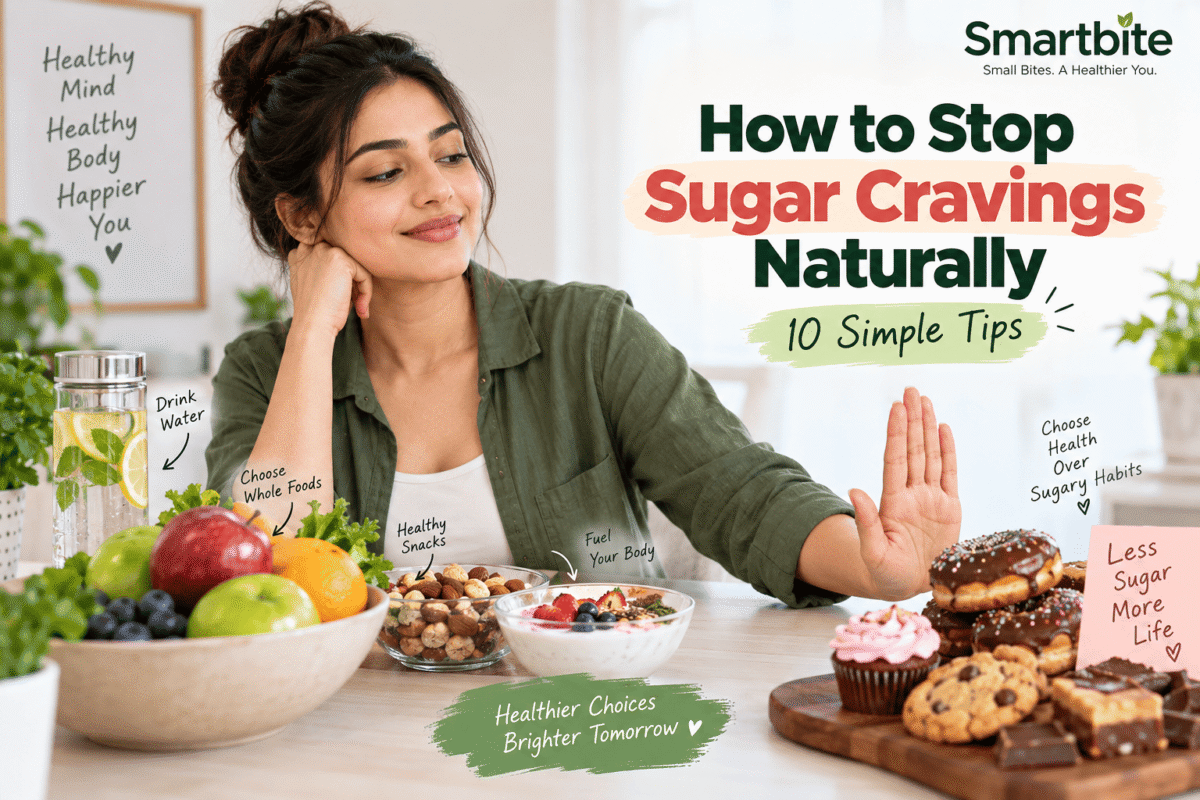
10 Simple Tips How to Stop Sugar Cravings Naturally

10 Simple Tips How to Stop Sugar Cravings Naturally

Do you often crave something sweet after a meal or feel like you need chocolate, biscuits, or sweets in the evening? Sugar cravings are common, but frequent cravings can make healthy eating difficult. The good news is that you do not always need to completely avoid sugar to manage them.

Small changes in your meals, sleep, hydration, and daily routine can help reduce sugar cravings naturally. Here are 10 simple tips by Smartbite Nutrition you can start using today.

  1. Start Your Day With a Protein-Rich Breakfast

A breakfast containing protein can help you stay full and satisfied for longer. When your breakfast is mostly made up of sugary foods or refined carbohydrates, you may feel hungry again soon.

Try foods such as eggs, paneer, Greek yogurt, dal chilla, sprouts, or unsweetened curd. You can also add nuts and seeds for healthy fats and extra nutrition.

A balanced breakfast can make it easier to control cravings later in the day.

  1. Do Not Skip Meals

Skipping meals may seem like a simple way to reduce calories, but it can leave you extremely hungry later. When you become very hungry, high-sugar foods can become much harder to resist.

Instead of going for long periods without eating, aim for regular, balanced meals. Include protein, vegetables, whole grains, and healthy fats in your meals.

For example, dal with roti and vegetables is a more filling choice than eating a small snack and staying hungry.

  1. Choose Naturally Sweet Foods

When you want something sweet, you do not always need to reach for sweets or desserts. Naturally sweet foods can satisfy your taste buds while also providing useful nutrients.

Fresh fruits such as apples, oranges, bananas, berries, guava, and papaya are good options. You can pair fruit with a handful of nuts or unsweetened yogurt for a more satisfying snack.

The goal is not to remove sweetness from your diet, but to choose better sources of it.

  1. Drink Enough Water

Sometimes what feels like a food craving may actually be thirst or simply a habit of reaching for something to eat.

Keep water nearby throughout the day and drink regularly. If plain water feels boring, try adding lemon, mint, or cucumber for a refreshing taste.

However, avoid using sugary drinks as a solution. Soft drinks, packaged juices, and sweetened beverages can add a large amount of sugar without making you feel full.

  1. Add More Fiber to Your Meals

Fiber helps make meals more filling and can support better appetite control. Foods rich in fiber include vegetables, fruits, beans, lentils, oats, whole grains, nuts, and seeds.

Instead of eating white bread with a sweet spread, try whole-grain toast with peanut butter and a piece of fruit. These small changes can make your meals more satisfying.

  1. Get Enough Sleep

Poor sleep can make it harder to manage hunger and food choices. When you are tired, you may be more likely to look for quick sources of energy, including sugary snacks.

Try to maintain a regular sleep schedule and aim for adequate sleep each night. Reducing screen time before bed and keeping your bedroom comfortable can also help create a better sleep routine.

  1. Find Out What Triggers Your Cravings

Sugar cravings are not always caused by hunger. They can also be connected to stress, boredom, emotions, habits, or certain situations.

For a few days, notice when your cravings happen. Do you crave sweets when you are stressed? Do you always eat dessert while watching TV? Do you reach for biscuits when working late?

Understanding your triggers can help you find healthier alternatives. For example, if stress triggers your cravings, try taking a short walk, listening to music, or doing a few minutes of deep breathing.

  1. Keep High-Sugar Snacks Out of Easy Reach

Your environment can strongly influence your food choices. If sweets and sugary snacks are always visible and easily available, you may eat them even when you are not hungry.

Keep healthier options ready instead. Fresh fruit, roasted chana, nuts, seeds, makhana, or unsweetened yogurt can be convenient choices.

You do not need to make your home completely sugar-free. Simply making healthier foods easier to access can help.

  1. Do Not Completely Ban Your Favorite Foods

Completely avoiding sweets can sometimes make you think about them even more. A better approach for many people is moderation.

If you enjoy a dessert, have a small portion and eat it mindfully. Enjoy it without guilt, then return to your normal balanced meals.

Healthy eating does not have to mean never eating your favorite foods.

  1. Stay Active Every Day

Regular physical activity can support overall health and make it easier to maintain healthy eating habits. You do not necessarily need an intense workout.

Walking, cycling, yoga, dancing, strength training, or any activity you enjoy can be part of an active lifestyle.

Even a short walk after meals can be a simple way to add more movement to your day.

Final Thoughts

Learning how to stop sugar cravings naturally is not about fighting your body or completely eliminating sugar. It is about building habits that keep you satisfied, energized, and less dependent on sugary foods.

Start with just two or three changes. Eat balanced meals, include enough protein and fiber, drink water, sleep well, and pay attention to your craving triggers. Over time, these simple habits can make sugary foods easier to manage.

If your sugar cravings are frequent, intense, or difficult to control, a qualified nutritionist can help identify possible dietary and lifestyle factors and create a plan that suits your individual needs.

Smartbite Best Dietitian can help you build practical and sustainable eating habits without extreme diets or unnecessary restrictions.

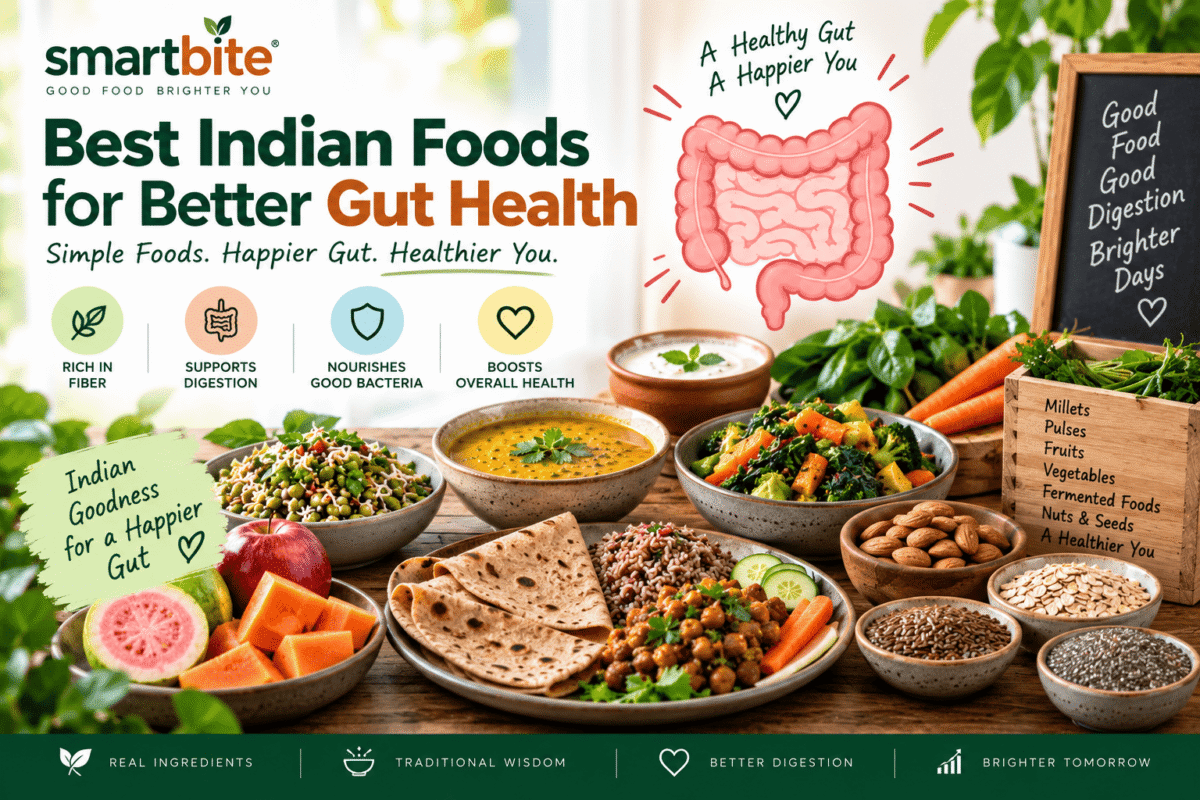
Best Indian Foods for Better Gut Health

Your gut plays an important role in digestion, nutrient absorption and overall health. The good news is that supporting your gut does not require expensive supplements or complicated diets. Many everyday Indian foods can provide the fiber, nutrients and variety your digestive system needs.

From vegetables and fruits to dal, whole grains, curd and traditional fermented foods, Indian cuisine offers plenty of options for building a gut-friendly diet.

Here are some of the best Indian foods for better gut health, with practical suggestions from a dietitian’s perspective.

  1. Dal and Lentils

Dal is a staple in Indian households and an excellent source of plant protein and dietary fiber. Moong dal, masoor dal, toor dal and other pulses can be included regularly as part of a balanced diet.

If you are not accustomed to eating much fiber, increase your intake gradually to reduce the chance of gas or bloating.

  1. Curd

Plain curd is a simple addition to an Indian meal. It provides protein and calcium and is a naturally fermented dairy food.

Choose plain, unsweetened curd rather than flavored varieties with added sugar. You can enjoy it with lunch, add it to a vegetable bowl or use it to prepare raita.

  1. Vegetables

A diet rich in vegetables is one of the simplest ways to increase fiber and improve overall diet quality.

Include a variety of vegetables such as:

  • Carrots
  • Spinach and other leafy greens
  • Beans
  • Bhindi
  • Pumpkin
  • Cabbage
  • Cauliflower
  • Broccoli
  • Tomatoes
  • Cucumber
  • Beetroot

ICMR-NIN recommends eating a variety of fresh, locally available and preferably seasonal vegetables and fruits. Its dietary guidelines also highlight dietary fiber as important for proper bowel function.

  1. Guava

Guava is a particularly useful fruit to include when you want more fiber in your diet. Enjoy it whole rather than as juice.

You can have guava as a mid-morning snack or add chopped pieces to a fruit bowl.

  1. Papaya

Papaya is a popular Indian fruit and can be a refreshing addition to breakfast or a snack.

Rather than depending on papaya alone for digestive health, include it as part of an overall diet containing fruits, vegetables, whole grains and pulses.

  1. Apples and Pears

Apples and pears can provide fiber when eaten whole, especially when the edible skin is consumed after proper washing.

They make convenient alternatives to packaged snacks and can be paired with a small serving of nuts for a more satisfying snack.

  1. Oats

Oats are an easy source of fiber and can be used in both traditional and modern Indian meals.

Try vegetable oats upma, overnight oats with curd and fruit, or a simple bowl of oats topped with nuts and seeds.

  1. Millets

Millets such as ragi, jowar, bajra and foxtail millet can add variety to your grain intake.

Use them in rotis, dosa, idli, porridge or other preparations. The goal is not to completely eliminate rice or wheat, but to create more variety in your diet.

  1. Whole-Wheat Roti

Whole-wheat atta contains more fiber than refined flour. A balanced meal of whole-wheat roti, dal, vegetables and curd can provide a useful combination of fiber, protein and other nutrients.

Choose minimally processed whole-grain foods more often where they suit your individual dietary needs.

  1. Chickpeas and Rajma

Chickpeas, kala chana and rajma are nutritious sources of plant protein and fiber.

They can be included in curries, salads, chaat or traditional preparations. If legumes cause bloating, start with smaller portions and increase gradually.

  1. Sprouts

Sprouted moong and other sprouts can be added to salads, breakfast dishes and snacks.

Try a simple sprouts chaat with cucumber, tomato, coriander and lemon. Make sure sprouts are handled and prepared safely, particularly for young children, older adults and people with weakened immunity.

  1. Flaxseeds

Flaxseeds provide fiber and healthy fats. Ground flaxseed can be added to oats, curd, smoothies or homemade foods.

Start with a small amount and ensure adequate fluid intake when increasing dietary fiber.

  1. Chia Seeds

Chia seeds are another convenient way to add fiber to your diet. They can be mixed into curd, oats or a homemade smoothie.

They should complement—not replace—a diet based on vegetables, fruits, pulses and whole grains.

  1. Traditional Fermented Foods

Indian cuisine includes several fermented foods, including idli, dosa, dhokla and certain traditional batters.

These foods can add variety to the diet. However, fermentation does not automatically make every food a “probiotic food,” so it is better to focus on overall dietary variety rather than relying on one fermented best food for gut health.

  1. Nuts and Seeds

Almonds, walnuts, peanuts, pumpkin seeds and sunflower seeds can contribute fiber, healthy fats and other nutrients.

Keep portions moderate because nuts and seeds are energy-dense. A small handful can make a nutritious snack.

How to Build a Gut-Friendly Indian Plate

A healthy gut diet is about the overall pattern, not one magic food.

A simple meal could include:

½ plate: vegetables and salad
¼ plate: protein such as dal, beans, curd, paneer or another suitable source
¼ plate: rice, roti, millet or another whole-grain carbohydrate

Add fruit during the day and choose water as your main beverage.

ICMR-NIN’s dietary guidance recommends at least 400 g of vegetables and 100 g of fresh fruits daily for adults, while emphasizing variety and different colors of produce. Individual needs can vary depending on age, health and dietary requirements.

Foods to Limit for Better Gut Health

You don’t need to completely eliminate your favorite foods. However, try not to make highly processed foods the foundation of your diet.

Limit frequent consumption of:

  • Highly processed packaged snacks
  • Excessively fried foods
  • Sugary beverages
  • Foods high in added sugar
  • Refined-grain-heavy meals with little fiber
  • Very large portions of processed or fast foods

Instead, gradually replace some of these foods with fruits, vegetables, pulses, whole grains, nuts and seeds.

Don’t Forget Water and Movement

Fiber works best as part of a diet with adequate fluid intake. If you suddenly increase fiber without drinking enough fluids, you may experience bloating or discomfort.

Regular physical activity is also an important part of a healthy lifestyle. Walking, cycling, yoga or another activity you enjoy can complement a nutritious diet.

Final Thoughts

The best Indian foods for gut health are not exotic or difficult to find. Everyday foods such as dal, vegetables, fruits, curd, whole grains, millets, chickpeas, sprouts, nuts and seeds can form the foundation of a gut-friendly eating pattern. At Smartbite dietitian , we believe better health starts with simple food choices that you can enjoy and maintain every day.

The key is variety, balance and consistency. Instead of searching for one “superfood,” aim to eat different plant foods throughout the week and gradually increase fiber if your current diet is low in it.If you have persistent bloating, abdominal pain, constipation, diarrhea, unexplained weight loss or other ongoing digestive symptoms, consult a doctor or qualified dietitian rather than trying to manage the problem through diet alone.


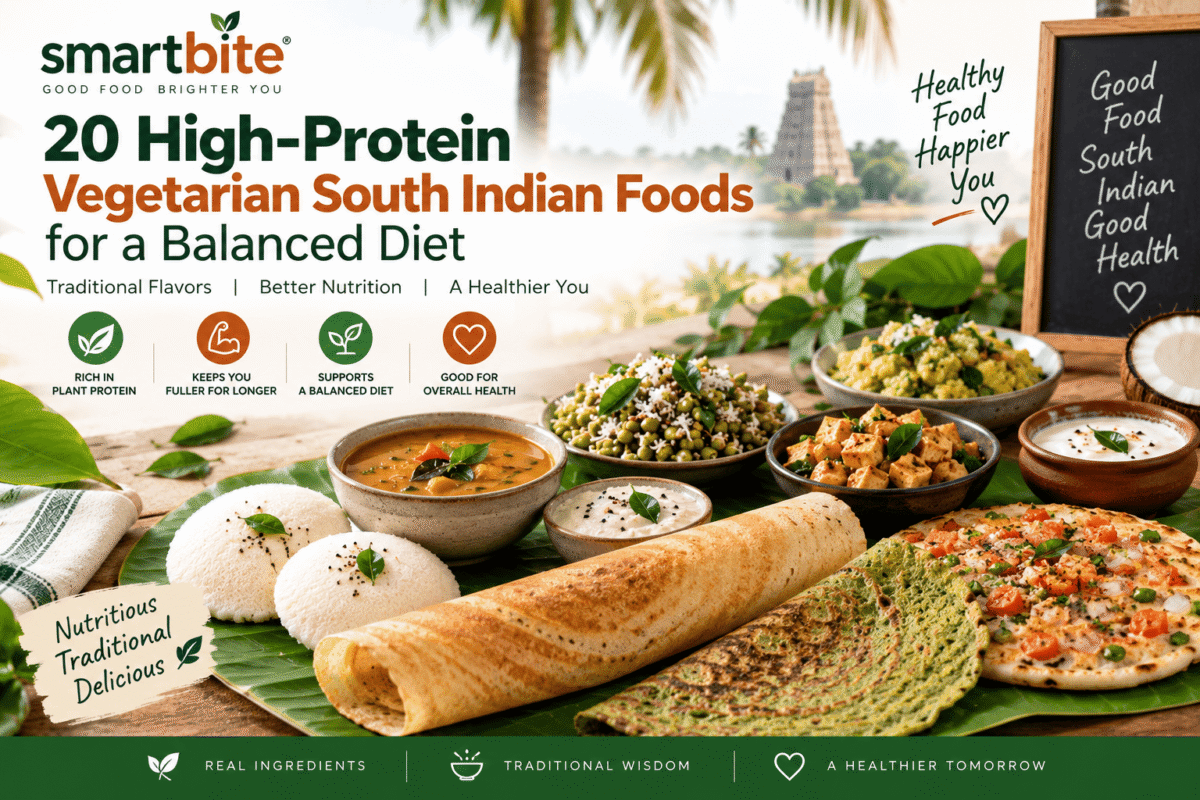
20 High-Protein Vegetarian South Indian Foods for a Balanced Diet

20 High-Protein Vegetarian South Indian Foods for a Balanced Diet

South Indian food is often associated with idli, dosa, rice and coconut-based dishes. While these foods can certainly be part of a healthy diet, a balanced South Indian meal should also include enough protein, vegetables, healthy fats and fiber.

For vegetarians, the good news is that South Indian cuisine offers plenty of natural protein sources. Lentils, dals, beans, sprouts, curd, paneer, soy and traditional fermented foods can make everyday meals more nutritious and satisfying.

Here are 20 high-protein vegetarian South Indian foods you can include in a balanced diet.

  1. Sambar

Sambar is one of the easiest ways to add protein to a South Indian meal. It is prepared mainly with dal and vegetables, making it a combination of plant protein, fiber and micronutrients.

Enjoy it with idli, dosa, millet dishes or a moderate serving of rice.

  1. Adai

Adai is a protein-rich South Indian pancake traditionally prepared using a mixture of dals and rice. Because it contains several types of lentils, it is generally more protein-focused than a plain dosa.

Add vegetables such as onions, carrots or spinach to make it even more nutritious.

  1. Pesarattu

Pesarattu is an Andhra-style green gram dosa made primarily from whole or split moong dal. It is naturally rich in plant protein and can be a filling breakfast option.

Pair it with vegetable chutney or curd instead of relying heavily on coconut-based accompaniments.

  1. Moong Dal Chilla

Although not exclusive to South India, moong dal chilla fits easily into an Indian vegetarian meal plan. Soaked moong dal is blended into a batter and cooked like a thin pancake.

Add grated vegetables, coriander and spices for extra flavor and nutrition.

  1. Idli with Sambar

Idli itself is mainly made from rice and urad dal, while sambar provides an additional pulse-based protein source. Combining the two creates a more balanced traditional breakfast.

For extra fiber, consider adding vegetable-rich sambar and a side of vegetables.

  1. Dosa with Sambar

A traditional dosa paired with sambar is another practical way to combine cereals and pulses. The fermentation involved in dosa batter also contributes to its traditional nutritional profile.

For a more balanced plate, choose vegetable fillings rather than making the meal entirely starch-based.

  1. Vegetable Uttapam

Uttapam uses fermented dosa batter and is topped with vegetables such as onions, tomatoes, carrots and capsicum. Adding a generous serving of sambar increases the protein content of the meal.

It can be a satisfying breakfast or light dinner.

  1. Sundal

Sundal is a popular South Indian snack made with cooked legumes such as chickpeas, black chickpeas, green peas or peanuts.

It is an excellent alternative to highly processed evening snacks and can be prepared with curry leaves, mustard seeds, coconut and spices.

  1. Chickpea Sundal

Chickpeas are a useful vegetarian source of protein and fiber. A bowl of chickpea sundal makes a simple snack or side dish.

You can add grated carrot, cucumber, coriander and lemon to make it more refreshing.

  1. Green Gram Sundal

Green gram sundal provides plant protein along with fiber. It can be especially useful when you want a light snack that keeps you satisfied between meals.

Try adding chopped vegetables and lemon rather than excessive coconut.

  1. Black Chickpea Sundal

Black chickpeas, also called kala chana, are another nutritious pulse that works well in South Indian cooking.

Black chickpea sundal can be served as an evening snack or included alongside a vegetable-based lunch.

  1. Sprouted Green Gram Salad

Sprouted moong can be combined with cucumber, tomato, coriander, lemon and spices to create a refreshing high-protein vegetarian snack.

Sprouts can also be added to breakfast bowls, salads or chaat-style dishes.

  1. Dal Rasam

Rasam is generally lighter than sambar, but versions prepared with dal can contribute some protein to a meal. Pair it with vegetables and a protein-rich side dish for better overall balance.

Avoid making rice and rasam the entire meal if your goal is to increase protein intake.

  1. Avial with Curd

Avial is a vegetable-rich Kerala dish traditionally prepared with mixed vegetables, coconut and yogurt/curd. While it is not a very high-protein dish by itself, the addition of curd makes it more nutritionally balanced.

Serve it alongside dal, beans or another protein-rich food.

  1. Curd Rice with a Protein-Rich Side

Curd provides protein and calcium, while rice supplies carbohydrates. To make curd rice more balanced, serve it with a side of sundal, sprouts or vegetable-based dal.

This is particularly useful when you want a lighter meal without completely removing carbohydrates.

  1. Vegetable Kootu

Kootu combines vegetables with dal and is a nutritious addition to a South Indian lunch. The combination of pulses and vegetables provides protein, fiber and a variety of micronutrients.

It works well with a moderate serving of rice or millet.

  1. Keerai Kootu

Keerai kootu combines leafy greens with dal and spices. It is a simple way to add both vegetables and plant protein to a traditional meal.

Use different seasonal greens to keep your meals varied.

  1. Paneer Vegetable Curry

Paneer is a vegetarian protein source that can be included occasionally in South Indian-style meals. Cook it with vegetables and mild spices rather than using a heavy cream-based preparation.

Paneer can also be added to dosa fillings, wraps or vegetable bowls.

  1. Tofu South Indian Stir-Fry

Tofu can be combined with vegetables, curry leaves, mustard seeds and South Indian spices for a quick protein-rich dish.

It can be served with millet, dosa or a small portion of rice for a balanced meal.

  1. Soy Chunk Vegetable Curry

Soy chunks are a concentrated vegetarian protein option and can be prepared with tomatoes, onions, vegetables and traditional South Indian spices.

They can be added to curries, pulao-style dishes or vegetable preparations when you want to increase the protein content of a meal.

How to Build a High-Protein South Indian Meal

You don’t need to completely change your traditional diet to eat more protein. Instead, focus on combining different food groups.

A simple plate could include:

  • Protein: dal, sambar, beans, sprouts, curd, paneer, tofu or soy
  • Vegetables: leafy greens and seasonal vegetables
  • Carbohydrates: rice, dosa, idli, millet or other whole grains
  • Healthy fats: nuts, seeds or moderate amounts of cooking oils
  • Fiber: vegetables, pulses, salads and whole grains

ICMR-NIN’s dietary guidance emphasizes that a balanced vegetarian diet can provide the required amino acids, and combinations of cereals and pulses can improve protein quality.

Simple Ways to Increase Protein in Your Daily Diet

If your usual meals are mostly rice, dosa or idli, try making small changes:

Add dal: Include sambar, dal or kootu with your main meal.

Choose protein-rich snacks: Replace biscuits or fried snacks with sundal, roasted legumes, sprouts or curd.

Add vegetables to breakfast: Vegetable uttapam, adai or pesarattu can make breakfast more filling.

Include curd: Add plain curd to lunch or dinner when it suits your dietary needs.

Rotate protein sources: Don’t depend on just one food. Rotate dals, beans, sprouts, dairy, soy and other vegetarian sources.

Combine foods: Pairing cereals with pulses is a traditional and useful approach to improving the overall quality of vegetarian protein

Final Thoughts

Eating a high-protein vegetarian diet doesn’t mean giving up your favorite South Indian foods. Traditional dishes such as sambar, adai, pesarattu, sundal, kootu, idli and dosa can all fit into a balanced eating pattern when paired thoughtfully.

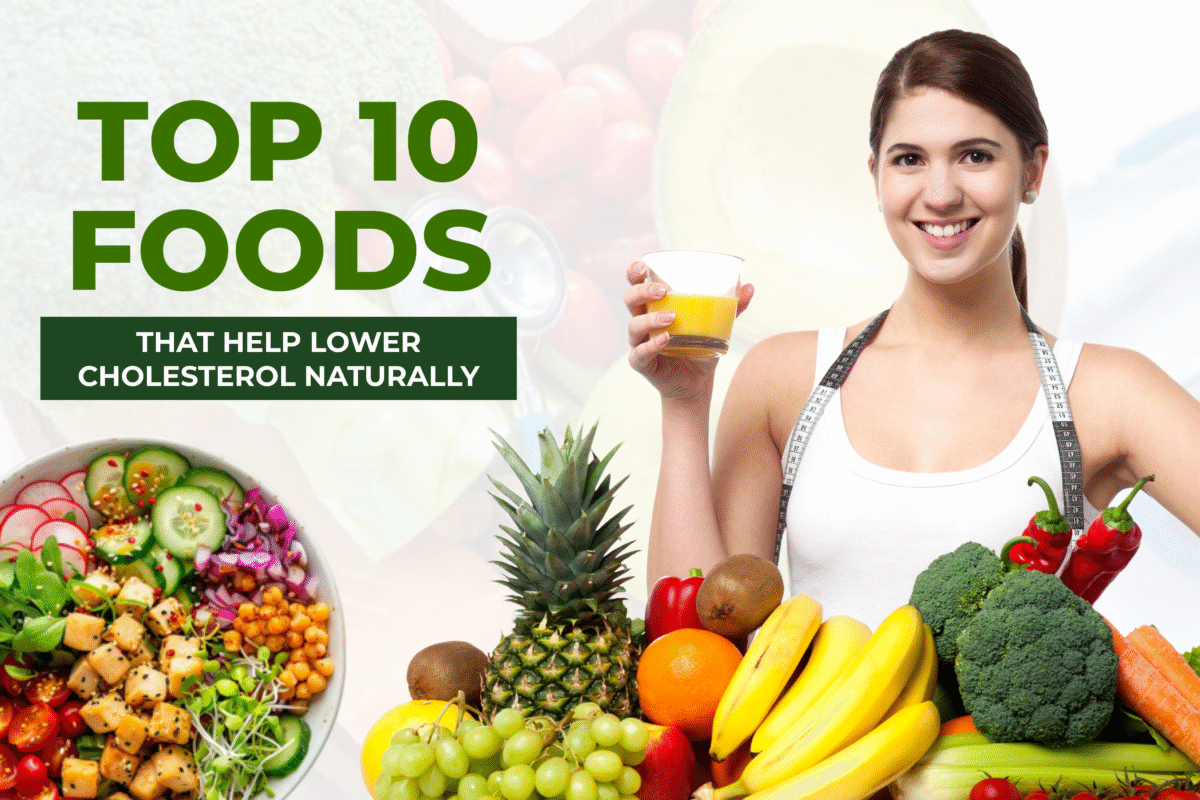
Top 10 Foods That Help Lower Cholesterol Naturally

Top 10 Foods That Help Lower Cholesterol Naturally

Introduction

High cholesterol is one of the major risk factors for heart disease and stroke. While medications may be necessary in some cases, making healthy dietary changes can significantly improve cholesterol levels. Including heart-friendly foods in your daily diet can help reduce LDL (“bad”) cholesterol and support overall cardiovascular health.

Here are the top 10 foods that can help lower cholesterol naturally.

1. Oats and Whole Grains

Oats are rich in soluble fiber called beta-glucan, which helps remove excess cholesterol from the body.

Include:

  • Oatmeal
  • Barley
  • Brown rice
  • Whole wheat

2. Nuts

Almonds and walnuts contain healthy fats, fiber, and antioxidants that support heart health.

Recommended intake:
A small handful (20–30 grams) daily.

3. Fatty Fish

Fish rich in omega-3 fatty acids help lower triglycerides and improve heart health.

Best options:

  • Salmon
  • Sardines
  • Mackerel
  • Tuna

4. Beans and Lentils

Legumes are excellent sources of plant protein and fiber, which help reduce LDL cholesterol.

Examples:

  • Rajma
  • Chickpeas
  • Moong dal
  • Masoor dal

5. Fruits Rich in Fiber

Fruits contain soluble fiber and antioxidants that help maintain healthy cholesterol levels.

Best choices:

  • Apples
  • Oranges
  • Berries
  • Guava
  • Pears

6. Leafy Green Vegetables

Green vegetables provide fiber and antioxidants that support heart health.

Include:

  • Spinach
  • Fenugreek leaves
  • Kale
  • Broccoli

7. Flaxseeds and Chia Seeds

These seeds are packed with omega-3 fatty acids and fiber that help lower bad cholesterol naturally.

Tip:
Add one to two tablespoons to smoothies, curd, or salads.

8. Garlic

Garlic contains compounds that may help reduce LDL cholesterol and support healthy blood pressure.

How to use:
Add fresh garlic to soups, curries, and salads.

9. Avocados

Avocados provide heart-healthy monounsaturated fats that help improve cholesterol balance.

10. Olive Oil

Replacing saturated fats with olive oil can help reduce bad cholesterol and promote heart health.

Foods to Limit

Avoid excessive intake of:

  • Fried foods
  • Processed snacks
  • Sugary beverages
  • Bakery products
  • Trans fats
  • Red meat and processed meats

Lifestyle Tips for Healthy Cholesterol

  • Exercise for at least 30 minutes most days.
  • Maintain a healthy body weight.
  • Avoid smoking.
  • Manage stress effectively.
  • Get regular health check-ups.

When Should You Consult a Nutritionist?

If you have:

  • High cholesterol levels
  • Diabetes
  • Thyroid disorders
  • Obesity
  • Family history of heart disease

A personalized nutrition plan can help improve your cholesterol levels and reduce the risk of heart disease.

Frequently Asked Questions (FAQs)

1. Which foods are best for lowering cholesterol naturally?

Foods rich in soluble fiber and healthy fats, such as oats, nuts, beans, fatty fish, fruits, leafy vegetables, flaxseeds, chia seeds, garlic, avocados, and olive oil, can help lower LDL (bad cholesterol) and support heart health.

2. Can oats really help reduce cholesterol?

Yes. Oats contain a type of soluble fiber called beta-glucan, which helps reduce the absorption of cholesterol into the bloodstream and lowers LDL cholesterol levels.

3. How long does it take for diet changes to lower cholesterol?

Most people may see improvements in their cholesterol levels within 6–12 weeks of consistently following a heart-healthy diet and active lifestyle. Individual results may vary.

4. Are nuts good for people with high cholesterol?

Yes. Almonds, walnuts, pistachios, and other unsalted nuts contain healthy fats, fiber, and antioxidants that help improve cholesterol levels when eaten in moderation.

5. Can I lower cholesterol naturally without medication?

In many cases, healthy eating, regular exercise, maintaining a healthy weight, and avoiding smoking can help lower cholesterol naturally. However, some people may still require medication based on their cholesterol levels and overall health, so it’s important to consult a healthcare professional.

Conclusion

Lowering cholesterol naturally is possible with the right food choices and healthy lifestyle habits. Incorporating fiber-rich foods, healthy fats, fruits, vegetables, and regular exercise can help protect your heart and improve overall well-being.

At SmartBite Nutrition Clinic, Dt. Nazish Akhtar provides personalized diet plans for cholesterol management, weight loss, diabetes, PCOS, thyroid disorders, and overall wellness.

Do not let another year pass making the same resolutions. Take the next step today.

📍 Book your consultation now at www.smartbite.in – and start your transformation today.


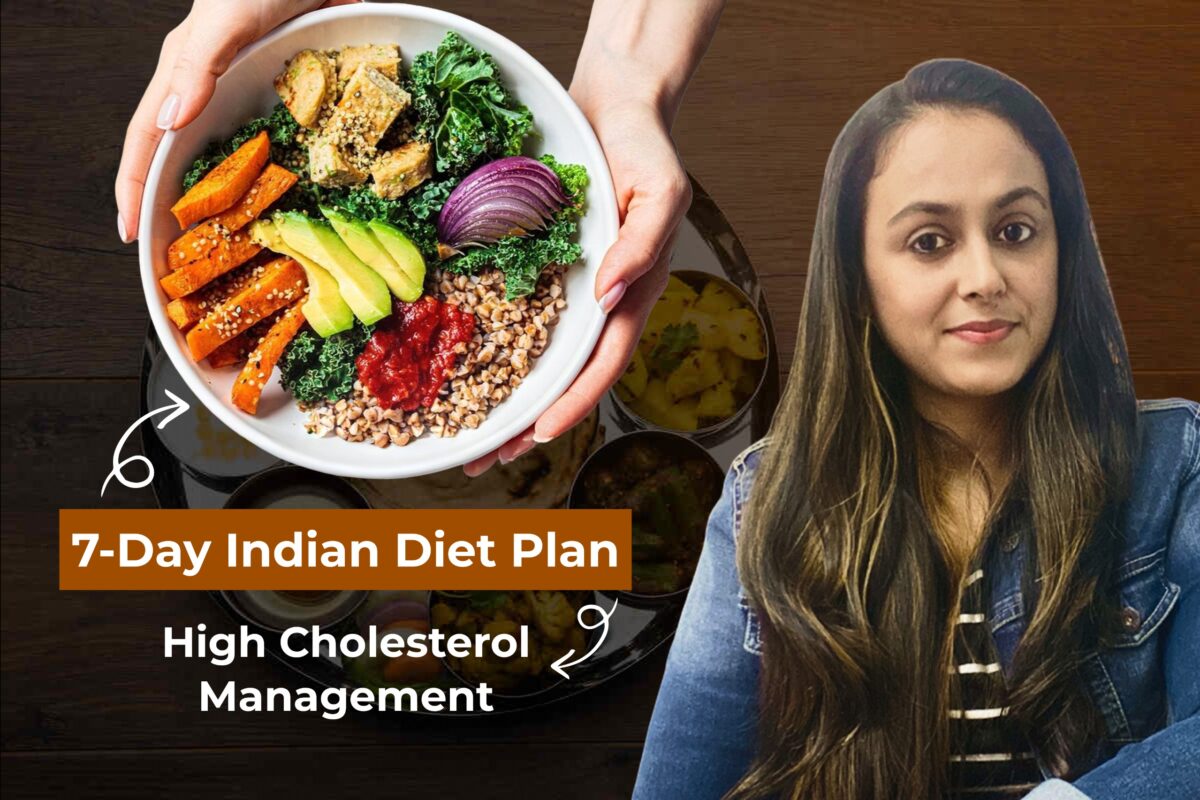
7-Day Indian Diet Plan for High Cholesterol Management

7-Day Indian Diet Plan for High Cholesterol Management

Introduction

High cholesterol is a major risk factor for heart disease and stroke. Fortunately, healthy eating and lifestyle changes can help manage cholesterol levels naturally. A balanced Indian diet rich in fiber, healthy fats, and plant-based proteins can help lower LDL (bad cholesterol) and support overall heart health.

Here is a simple 7-day Indian diet plan for managing high cholesterol.


Day 1

Breakfast

Vegetable oats upma + Green tea

Mid-Morning Snack

1 Apple

Lunch

2 Whole wheat rotis + Mixed vegetable curry + Dal + Salad

Evening Snack

Handful of almonds and walnuts

Dinner

Moong dal khichdi + Cucumber raita


Day 2

Breakfast

Vegetable poha + Buttermilk

Mid-Morning Snack

1 Orange

Lunch

Brown rice + Rajma curry + Salad

Evening Snack

Roasted chana

Dinner

Grilled fish or paneer + Stir-fried vegetables


Day 3

Breakfast

Oats porridge with flaxseeds

Mid-Morning Snack

Guava

Lunch

2 Rotis + Chole curry + Vegetable salad

Evening Snack

Green tea + Sprouts salad

Dinner

Vegetable soup + Whole wheat chapati


Day 4

Breakfast

Idli with sambar

Mid-Morning Snack

Papaya

Lunch

Brown rice + Sambar + Beans poriyal

Evening Snack

Handful of walnuts

Dinner

Paneer bhurji with multigrain roti


Day 5

Breakfast

Vegetable dosa with coconut chutney

Mid-Morning Snack

Pear

Lunch

2 Rotis + Mixed vegetable curry + Dal

Evening Snack

Roasted makhana

Dinner

Grilled chicken or tofu with sautéed vegetables


Day 6

Breakfast

Besan chilla with mint chutney

Mid-Morning Snack

Watermelon

Lunch

Millet khichdi + Curd + Salad

Evening Snack

Green tea and roasted peanuts

Dinner

Vegetable soup with whole wheat toast


Day 7

Breakfast

Vegetable upma + Fresh fruit

Mid-Morning Snack

Pomegranate

Lunch

Brown rice + Fish curry or dal + Salad

Evening Snack

Sprouts chaat

Dinner

Mixed vegetable stew + Chapati


Foods to Include

  • Oats and whole grains
  • Fruits and vegetables
  • Lentils and legumes
  • Nuts and seeds
  • Fatty fish
  • Olive oil
  • Low-fat dairy products

Foods to Avoid

  • Fried foods
  • Bakery products
  • Sugary drinks
  • Processed snacks
  • Red meat
  • Butter and ghee in excess
  • Foods high in trans fats

Lifestyle Tips for Healthy Cholesterol

  • Exercise for at least 30–45 minutes daily.
  • Maintain a healthy body weight.
  • Manage stress through yoga and meditation.
  • Avoid smoking and excessive alcohol.
  • Get regular lipid profile check-ups.

When Should You Consult a Nutritionist?

Seek professional guidance if you have:

  • High cholesterol levels
  • Diabetes
  • Obesity
  • Hypertension
  • Thyroid disorders
  • Family history of heart disease

A personalized diet plan can help improve cholesterol levels and reduce the risk of cardiovascular diseases.

Frequently Asked Questions (FAQs)

What is the best Indian diet for high cholesterol?

A diet rich in oats, whole grains, fruits, vegetables, legumes, nuts, seeds, and healthy fats can help lower cholesterol and improve heart health.

Which foods should I avoid if I have high cholesterol?

Avoid fried foods, processed snacks, sugary beverages, bakery products, trans fats, and excessive amounts of red meat, butter, and ghee.

Can oats help lower cholesterol levels?

Yes. Oats contain soluble fiber called beta-glucan, which helps reduce LDL (bad cholesterol) and supports heart health.

How long does it take to lower cholesterol through diet?

With consistent dietary and lifestyle changes, many people may notice improvements in cholesterol levels within 6–12 weeks, depending on their overall health and habits.

Conclusion

Managing cholesterol naturally is possible with the right diet and lifestyle. A balanced Indian meal plan rich in fiber, healthy fats, fruits, vegetables, and regular exercise can significantly improve heart health.

At SmartBite Nutrition Clinic, Dt. Nazish Akhtar provides personalized nutrition plans for cholesterol management, weight loss, diabetes, PCOS, thyroid disorders, and overall wellness.

Do not let another year pass making the same resolutions. Take the next step today.

📍 Book your consultation now at www.smartbite.in – and start your transformation today.


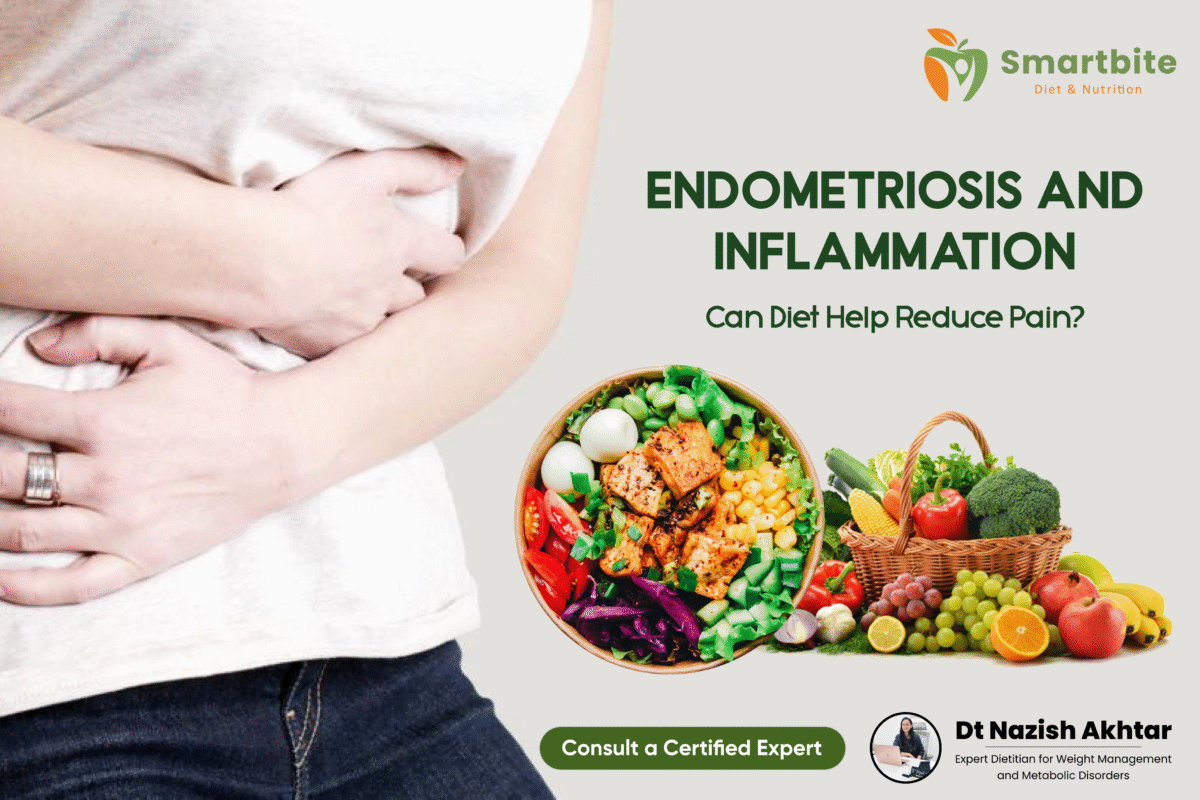
Endometriosis and Inflammation: Can Diet Help Reduce Pain?

Endometriosis and Inflammation: Can Diet Help Reduce Pain?

Introduction

Endometriosis is a chronic inflammatory condition that affects approximately 1 in 10 women of reproductive age. It can cause debilitating pelvic pain, painful periods, digestive issues, fatigue, and fertility challenges, significantly impacting quality of life.

While there is currently no cure for endometriosis, research suggests that inflammation plays a major role in the progression of the disease. The good news is that dietary and lifestyle modifications may help manage inflammation and potentially reduce pain and other symptoms.

In this article, we’ll explore the connection between endometriosis and inflammation and discuss how an anti-inflammatory diet may support symptom management.

What is Endometriosis?

Endometriosis occurs when tissue similar to the lining of the uterus grows outside the uterus. These growths are commonly found on:

  • Ovaries
  • Fallopian tubes
  • Bladder
  • Bowel
  • Pelvic lining

Like the uterine lining, these tissues respond to hormonal changes during the menstrual cycle. However, because the blood and tissue cannot leave the body normally, inflammation, scar tissue, and pain can develop over time.

Common Symptoms of Endometriosis

Symptoms may vary from person to person and include:

  • Severe menstrual cramps
  • Chronic pelvic pain
  • Heavy menstrual bleeding
  • Pain during intercourse
  • Painful bowel movements
  • Bloating and digestive discomfort
  • Fatigue
  • Lower back pain
  • Difficulty conceiving

Some women experience mild symptoms, while others may have severe pain that interferes with daily activities.

The Role of Inflammation in Endometriosis

Inflammation is one of the key factors involved in endometriosis.

Women with endometriosis often have increased levels of inflammatory substances in the body. This persistent inflammation may contribute to:

  • Increased pain sensitivity
  • Pelvic discomfort
  • Fatigue
  • Hormonal imbalance
  • Oxidative stress
  • Digestive symptoms

Reducing inflammation through nutrition and lifestyle changes may help improve symptom management and overall well-being.

Can Diet Help Reduce Endometriosis Pain?

Although diet cannot cure endometriosis, adopting an anti-inflammatory eating pattern may help:

  • Reduce inflammation
  • Support hormonal balance
  • Improve gut health
  • Decrease bloating
  • Enhance energy levels
  • Support immune function
  • Improve quality of life

Best Foods for Endometriosis

1. Fruits and Vegetables

Rich in antioxidants and phytonutrients, fruits and vegetables help combat inflammation.

Include:

  • Berries
  • Apples
  • Oranges
  • Spinach
  • Broccoli
  • Tomatoes
  • Carrots
  • Bell peppers

Aim for a colorful plate to maximize nutrient intake.

2. Omega-3 Fatty Acids

Omega-3 fats have powerful anti-inflammatory properties.

Good sources include:

  • Salmon
  • Sardines
  • Mackerel
  • Flaxseeds
  • Chia seeds
  • Walnuts

3. Whole Grains

Whole grains provide fiber that supports gut health and hormone metabolism.

Choose:

  • Oats
  • Brown rice
  • Quinoa
  • Whole wheat
  • Millets

4. Healthy Fats

Healthy fats may help reduce inflammation and support hormonal health.

Include:

  • Olive oil
  • Avocados
  • Almonds
  • Walnuts
  • Pumpkin seeds

5. Lean Protein Sources

Protein supports tissue repair and overall health.

Healthy options include:

  • Eggs
  • Fish
  • Chicken
  • Paneer
  • Tofu
  • Lentils
  • Beans

Foods That May Worsen Inflammation

Some foods may trigger or worsen symptoms in certain women.

Consider limiting:

Processed Foods

  • Packaged snacks
  • Fast food
  • Chips

Added Sugars

  • Soft drinks
  • Cakes
  • Sweets
  • Candy

Refined Carbohydrates

  • White bread
  • Pastries
  • Sugary cereals

Excess Red Meat

High intake of red and processed meat may increase inflammatory markers.

Excess Alcohol and Caffeine

These may aggravate symptoms in some individuals and should be consumed in moderation.

The Importance of Gut Health

Emerging research suggests that gut health and endometriosis may be closely linked.

To support a healthy gut microbiome, include:

  • Yogurt
  • Kefir
  • Fermented foods
  • Fruits and vegetables
  • Whole grains
  • Fiber-rich foods

A healthy gut may help regulate hormones and reduce inflammation.

Lifestyle Habits That May Help Manage Endometriosis

Exercise Regularly

Regular physical activity may:

  • Improve circulation
  • Reduce stress
  • Support hormonal balance
  • Enhance mood

Activities such as walking, yoga, swimming, and strength training are excellent options.

Prioritize Sleep

Aim for 7–9 hours of quality sleep each night to support recovery and reduce inflammation.

Manage Stress

Chronic stress can increase inflammatory responses and worsen symptoms.

Helpful stress-management techniques include:

  • Meditation
  • Deep breathing exercises
  • Yoga
  • Mindfulness practices

Stay Hydrated

Adequate water intake supports digestion and overall health and may help reduce bloating.

When Should You Consult a Nutritionist?

You should seek professional guidance if you experience:

  • Severe menstrual pain
  • Persistent bloating
  • Digestive issues
  • Chronic fatigue
  • Difficulty managing symptoms
  • Nutritional concerns

A personalized nutrition plan can help identify trigger foods and provide strategies tailored to your individual needs.

Frequently Asked Questions (FAQs)

Can diet cure endometriosis?

No. Diet cannot cure endometriosis, but it may help manage inflammation and reduce symptoms.

Which foods are best for endometriosis?

Fruits, vegetables, omega-3-rich foods, whole grains, healthy fats, and lean proteins are generally beneficial.

Does sugar increase inflammation?

Excess sugar and highly processed foods may contribute to inflammation and worsen symptoms in some women.

Is dairy bad for endometriosis?

Not necessarily. Some women tolerate dairy well, while others may notice symptom improvement by limiting certain dairy products.

Can maintaining a healthy weight help?

Yes. Maintaining a healthy weight may support hormonal balance and help manage inflammation.

Conclusion

Endometriosis is a complex inflammatory condition that affects many aspects of a woman’s health. While diet alone cannot cure endometriosis, an anti-inflammatory eating pattern and healthy lifestyle habits may help reduce pain, improve energy levels, and enhance quality of life.

At SmartBite Nutrition Clinic, we believe in a holistic approach to women’s health. Our personalized nutrition programs are designed to help women manage inflammation, support hormonal balance, and improve overall well-being naturally.

Do not let another year pass making the same resolutions. Take the next step today.

📍 Book your consultation now at www.smartbite.in – and start your transformation today.

Foods You Must Avoid To Balance Your Hormones

7 Foods You Must Avoid To Balance Your Hormones

With the increasing concerns around health and well being ,we see a lot of people prioritizing their bodies in their daily routines.

People have started to realize how important it is to stay fit and healthy and that is why we see a number of people consulting nutritionists, dieticians and other health experts. These health experts help in figuring out what works the best for each individual as per his/her body type.

Health experts often suggest workouts and balanced diet plans that individuals can follow in order to maintain their body but there is something else as well that affects our body in a very crucial way.

It’s our hormones. Hormones play the role of chemical messengers in our body. They are secreted by endocrine glands and affect our body in the following way :

  • Regulate Growth and Development 

Hormones play a vital role in the growth and development of an individual.

  • Maintain Metabolism and energy levels 

Hormones such as thyroxine and insulin play a crucial role in regulating how our body uses food to generate energy it requires.

  • Mental support and emotions 

Hormones like cortisol, adrenaline etc. constantly affect our emotions and affect out mental health

These hormones are directly affected by the foods we consume. Here’s a brief list of food you  must avoid to balance your hormones: 

  1. Alcohol: it can destroy the balance of estrogen and insulin
  1. Excessive caffeine: higher intake of caffeine can lead increased cortisol
  1. Sugary foods: foods with excessive sugar can lead to insulin imbalance
  1. Refined carbohydrates: these foods also create imbalance of insulin
  1. Processed and junk food: unhealthy chemicals present can lead to disruption of growth hormones.
  1. Deep fried food : these foods can have an adverse effects on metabolic hormones
  1. Foods with artificial additives : these foods generally message up with the regular hormonal function.

Smartbite nutrition promotes hormone-friendly eating by focusing on clean, balanced meals that help stabilize insulin, cortisol, and metabolic hormones. With smarter food choices, Smartbite supports long-term hormonal balance and overall well-being. With Smartbite, nutrition becomes simpler and more intentional, helping you make food choices that support hormone health, energy levels, and overall well-being.

Close Welcome Bar