
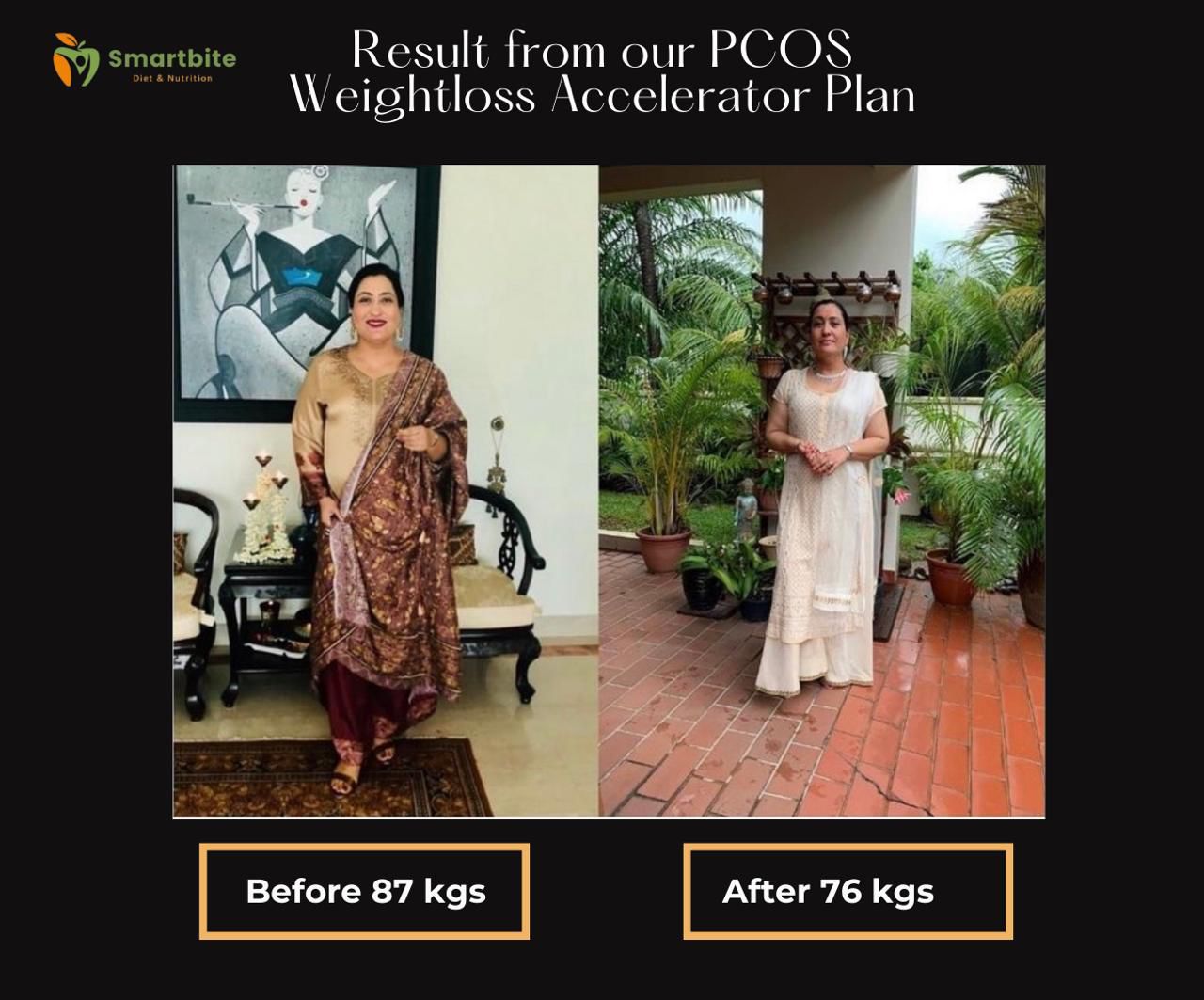
Weight loss can feel like an uphill battle for women with PCOS (Polycystic Ovary Syndrome), even when they follow the same diet and exercise routines as others. The reason lies in how metabolism functions differently in the body.
In a normal metabolism, the body efficiently converts food into energy, regulates blood sugar levels, and maintains hormonal balance. However, with PCOS, hormonal imbalances especially elevated insulin levels can disrupt this process. Insulin resistance is one of the most common challenges in PCOS, causing the body to store more fat and making it harder to burn calories effectively.
Additionally, higher levels of androgens (male hormones) can lead to increased fat accumulation, particularly around the abdomen. This not only affects physical appearance but also slows metabolic rate over time. Cravings, fatigue, and irregular hunger signals further complicate weight management, making consistency difficult.
Unlike a normal metabolism where calorie deficits often lead to steady weight loss, PCOS requires a more strategic approach. It’s not just about eating less it’s about eating smarter. Balanced meals that stabilise blood sugar, reduce inflammation, and support hormonal health are key.
This is where smart bite nutrition plays a vital role. Focusing on whole foods, lean proteins, healthy fats, and low-glycemic carbohydrates can help manage insulin levels and improve metabolic function. Regular physical activity, stress management, and adequate sleep also contribute significantly to sustainable results.
Understanding that PCOS is not just a weight issue but a metabolic condition is crucial. With the right approach, patience, and consistency, weight loss is absolutely possible just different from the conventional path. Embracing personalized strategies like smart bite nutrition can make the journey more effective and empowering.
Regular strength training and low-impact exercises, combined with stress management techniques like yoga or meditation, can further enhance metabolic health. Hydration and mindful eating also play a critical role in supporting long-term results.