Category Archives: Cholesterol

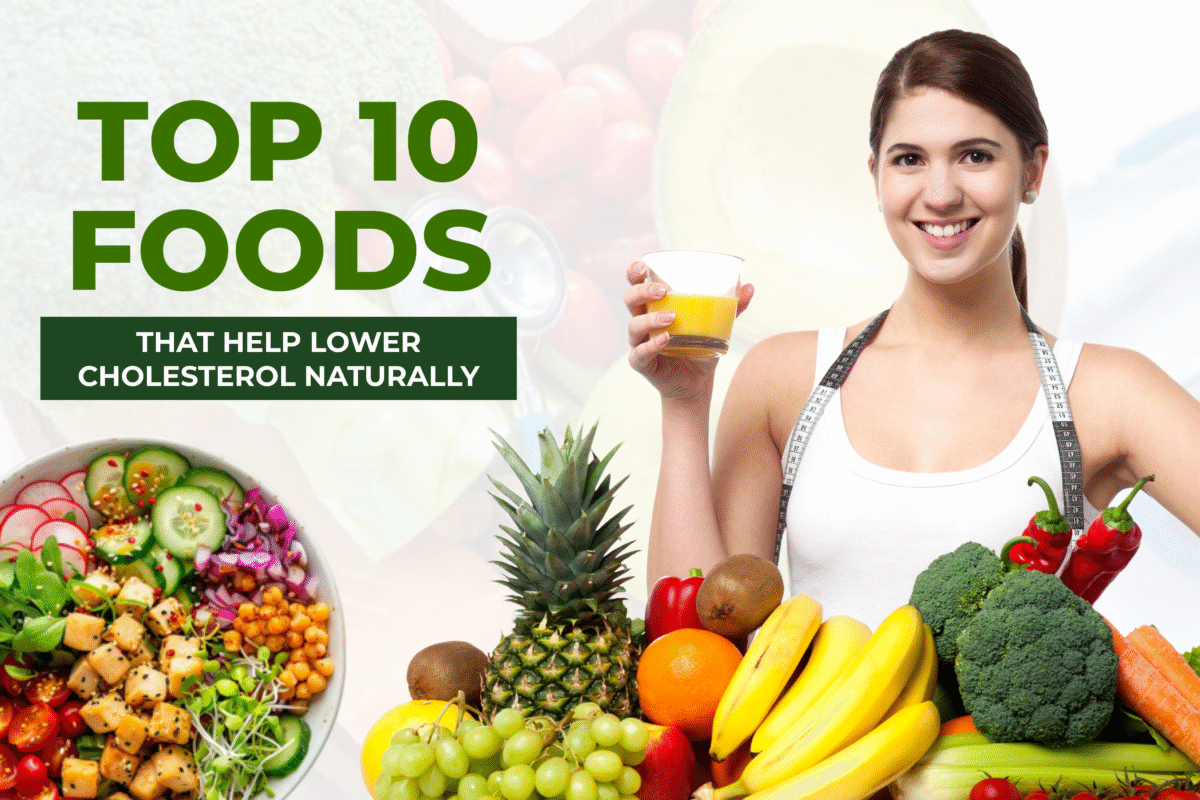
Top 10 Foods That Help Lower Cholesterol Naturally

Top 10 Foods That Help Lower Cholesterol Naturally

Introduction

High cholesterol is one of the major risk factors for heart disease and stroke. While medications may be necessary in some cases, making healthy dietary changes can significantly improve cholesterol levels. Including heart-friendly foods in your daily diet can help reduce LDL (“bad”) cholesterol and support overall cardiovascular health.

Here are the top 10 foods that can help lower cholesterol naturally.

1. Oats and Whole Grains

Oats are rich in soluble fiber called beta-glucan, which helps remove excess cholesterol from the body.

Include:

  • Oatmeal
  • Barley
  • Brown rice
  • Whole wheat

2. Nuts

Almonds and walnuts contain healthy fats, fiber, and antioxidants that support heart health.

Recommended intake:
A small handful (20–30 grams) daily.

3. Fatty Fish

Fish rich in omega-3 fatty acids help lower triglycerides and improve heart health.

Best options:

  • Salmon
  • Sardines
  • Mackerel
  • Tuna

4. Beans and Lentils

Legumes are excellent sources of plant protein and fiber, which help reduce LDL cholesterol.

Examples:

  • Rajma
  • Chickpeas
  • Moong dal
  • Masoor dal

5. Fruits Rich in Fiber

Fruits contain soluble fiber and antioxidants that help maintain healthy cholesterol levels.

Best choices:

  • Apples
  • Oranges
  • Berries
  • Guava
  • Pears

6. Leafy Green Vegetables

Green vegetables provide fiber and antioxidants that support heart health.

Include:

  • Spinach
  • Fenugreek leaves
  • Kale
  • Broccoli

7. Flaxseeds and Chia Seeds

These seeds are packed with omega-3 fatty acids and fiber that help lower bad cholesterol naturally.

Tip:
Add one to two tablespoons to smoothies, curd, or salads.

8. Garlic

Garlic contains compounds that may help reduce LDL cholesterol and support healthy blood pressure.

How to use:
Add fresh garlic to soups, curries, and salads.

9. Avocados

Avocados provide heart-healthy monounsaturated fats that help improve cholesterol balance.

10. Olive Oil

Replacing saturated fats with olive oil can help reduce bad cholesterol and promote heart health.

Foods to Limit

Avoid excessive intake of:

  • Fried foods
  • Processed snacks
  • Sugary beverages
  • Bakery products
  • Trans fats
  • Red meat and processed meats

Lifestyle Tips for Healthy Cholesterol

  • Exercise for at least 30 minutes most days.
  • Maintain a healthy body weight.
  • Avoid smoking.
  • Manage stress effectively.
  • Get regular health check-ups.

When Should You Consult a Nutritionist?

If you have:

  • High cholesterol levels
  • Diabetes
  • Thyroid disorders
  • Obesity
  • Family history of heart disease

A personalized nutrition plan can help improve your cholesterol levels and reduce the risk of heart disease.

Frequently Asked Questions (FAQs)

1. Which foods are best for lowering cholesterol naturally?

Foods rich in soluble fiber and healthy fats, such as oats, nuts, beans, fatty fish, fruits, leafy vegetables, flaxseeds, chia seeds, garlic, avocados, and olive oil, can help lower LDL (bad cholesterol) and support heart health.

2. Can oats really help reduce cholesterol?

Yes. Oats contain a type of soluble fiber called beta-glucan, which helps reduce the absorption of cholesterol into the bloodstream and lowers LDL cholesterol levels.

3. How long does it take for diet changes to lower cholesterol?

Most people may see improvements in their cholesterol levels within 6–12 weeks of consistently following a heart-healthy diet and active lifestyle. Individual results may vary.

4. Are nuts good for people with high cholesterol?

Yes. Almonds, walnuts, pistachios, and other unsalted nuts contain healthy fats, fiber, and antioxidants that help improve cholesterol levels when eaten in moderation.

5. Can I lower cholesterol naturally without medication?

In many cases, healthy eating, regular exercise, maintaining a healthy weight, and avoiding smoking can help lower cholesterol naturally. However, some people may still require medication based on their cholesterol levels and overall health, so it’s important to consult a healthcare professional.

Conclusion

Lowering cholesterol naturally is possible with the right food choices and healthy lifestyle habits. Incorporating fiber-rich foods, healthy fats, fruits, vegetables, and regular exercise can help protect your heart and improve overall well-being.

At SmartBite Nutrition Clinic, Dt. Nazish Akhtar provides personalized diet plans for cholesterol management, weight loss, diabetes, PCOS, thyroid disorders, and overall wellness.

Do not let another year pass making the same resolutions. Take the next step today.

📍 Book your consultation now at www.smartbite.in – and start your transformation today.
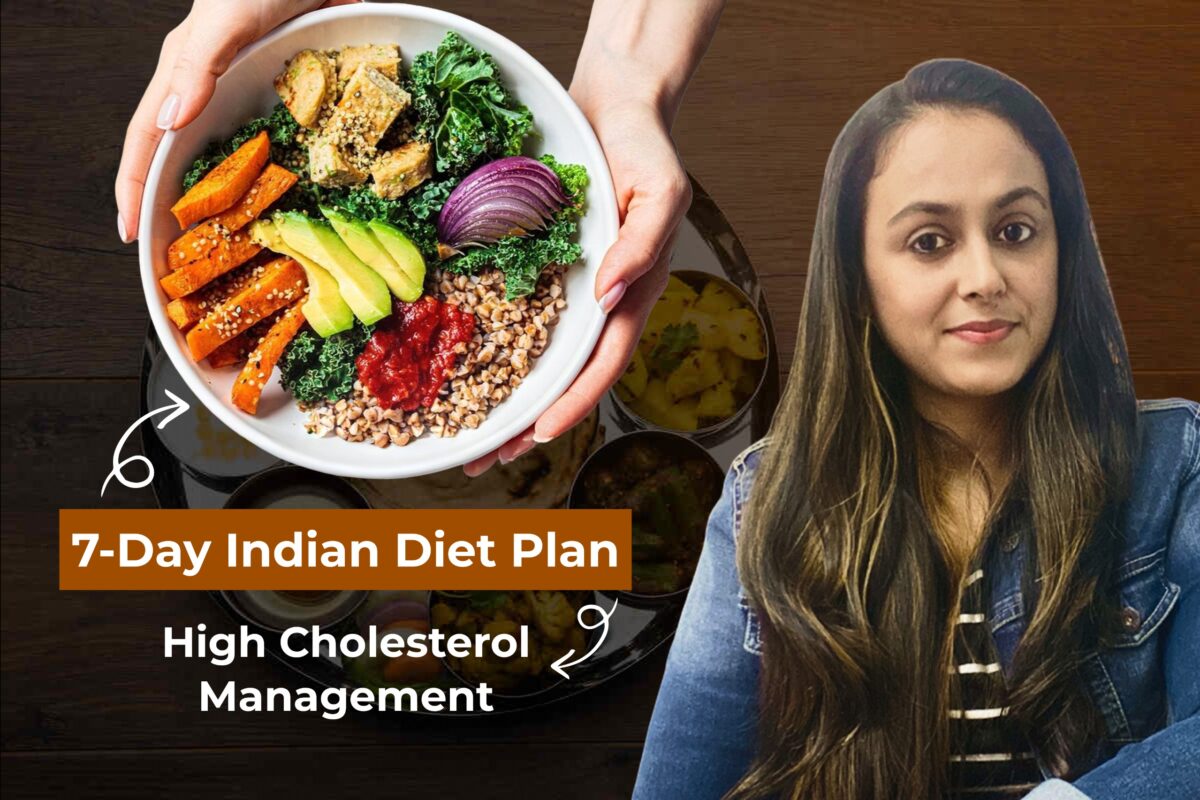
 

7-Day Indian Diet Plan for High Cholesterol Management

7-Day Indian Diet Plan for High Cholesterol Management

Introduction

High cholesterol is a major risk factor for heart disease and stroke. Fortunately, healthy eating and lifestyle changes can help manage cholesterol levels naturally. A balanced Indian diet rich in fiber, healthy fats, and plant-based proteins can help lower LDL (bad cholesterol) and support overall heart health.

Here is a simple 7-day Indian diet plan for managing high cholesterol.


Day 1

Breakfast

Vegetable oats upma + Green tea

Mid-Morning Snack

1 Apple

Lunch

2 Whole wheat rotis + Mixed vegetable curry + Dal + Salad

Evening Snack

Handful of almonds and walnuts

Dinner

Moong dal khichdi + Cucumber raita


Day 2

Breakfast

Vegetable poha + Buttermilk

Mid-Morning Snack

1 Orange

Lunch

Brown rice + Rajma curry + Salad

Evening Snack

Roasted chana

Dinner

Grilled fish or paneer + Stir-fried vegetables


Day 3

Breakfast

Oats porridge with flaxseeds

Mid-Morning Snack

Guava

Lunch

2 Rotis + Chole curry + Vegetable salad

Evening Snack

Green tea + Sprouts salad

Dinner

Vegetable soup + Whole wheat chapati


Day 4

Breakfast

Idli with sambar

Mid-Morning Snack

Papaya

Lunch

Brown rice + Sambar + Beans poriyal

Evening Snack

Handful of walnuts

Dinner

Paneer bhurji with multigrain roti


Day 5

Breakfast

Vegetable dosa with coconut chutney

Mid-Morning Snack

Pear

Lunch

2 Rotis + Mixed vegetable curry + Dal

Evening Snack

Roasted makhana

Dinner

Grilled chicken or tofu with sautéed vegetables


Day 6

Breakfast

Besan chilla with mint chutney

Mid-Morning Snack

Watermelon

Lunch

Millet khichdi + Curd + Salad

Evening Snack

Green tea and roasted peanuts

Dinner

Vegetable soup with whole wheat toast


Day 7

Breakfast

Vegetable upma + Fresh fruit

Mid-Morning Snack

Pomegranate

Lunch

Brown rice + Fish curry or dal + Salad

Evening Snack

Sprouts chaat

Dinner

Mixed vegetable stew + Chapati


Foods to Include

  • Oats and whole grains
  • Fruits and vegetables
  • Lentils and legumes
  • Nuts and seeds
  • Fatty fish
  • Olive oil
  • Low-fat dairy products

Foods to Avoid

  • Fried foods
  • Bakery products
  • Sugary drinks
  • Processed snacks
  • Red meat
  • Butter and ghee in excess
  • Foods high in trans fats

Lifestyle Tips for Healthy Cholesterol

  • Exercise for at least 30–45 minutes daily.
  • Maintain a healthy body weight.
  • Manage stress through yoga and meditation.
  • Avoid smoking and excessive alcohol.
  • Get regular lipid profile check-ups.

When Should You Consult a Nutritionist?

Seek professional guidance if you have:

  • High cholesterol levels
  • Diabetes
  • Obesity
  • Hypertension
  • Thyroid disorders
  • Family history of heart disease

A personalized diet plan can help improve cholesterol levels and reduce the risk of cardiovascular diseases.

Frequently Asked Questions (FAQs)

What is the best Indian diet for high cholesterol?

A diet rich in oats, whole grains, fruits, vegetables, legumes, nuts, seeds, and healthy fats can help lower cholesterol and improve heart health.

Which foods should I avoid if I have high cholesterol?

Avoid fried foods, processed snacks, sugary beverages, bakery products, trans fats, and excessive amounts of red meat, butter, and ghee.

Can oats help lower cholesterol levels?

Yes. Oats contain soluble fiber called beta-glucan, which helps reduce LDL (bad cholesterol) and supports heart health.

How long does it take to lower cholesterol through diet?

With consistent dietary and lifestyle changes, many people may notice improvements in cholesterol levels within 6–12 weeks, depending on their overall health and habits.

Conclusion

Managing cholesterol naturally is possible with the right diet and lifestyle. A balanced Indian meal plan rich in fiber, healthy fats, fruits, vegetables, and regular exercise can significantly improve heart health.

At SmartBite Nutrition Clinic, Dt. Nazish Akhtar provides personalized nutrition plans for cholesterol management, weight loss, diabetes, PCOS, thyroid disorders, and overall wellness.

Do not let another year pass making the same resolutions. Take the next step today.

📍 Book your consultation now at www.smartbite.in – and start your transformation today.
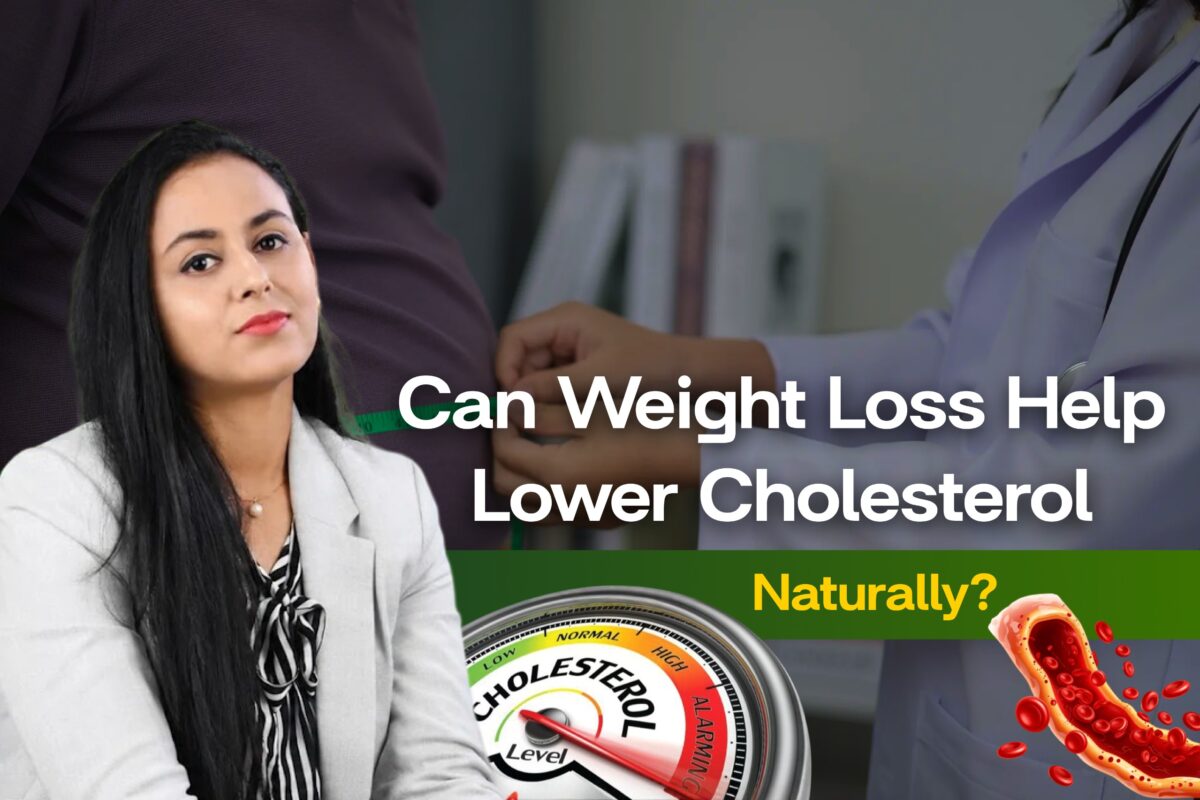
 

Can Weight Loss Help Lower Cholesterol Naturally?

Can Weight Loss Help Lower Cholesterol Naturally?

Introduction

High cholesterol is a major risk factor for heart disease and stroke. Many people wonder whether losing weight can improve their cholesterol levels naturally. The answer is yes. Healthy weight loss, combined with a balanced diet and regular physical activity, can help reduce LDL (bad cholesterol), increase HDL (good cholesterol), and improve overall heart health.

How Are Weight and Cholesterol Connected?

Excess body fat, especially around the abdomen, can affect the body’s ability to regulate fats and cholesterol. Being overweight may:

  • Increase LDL (bad cholesterol)
  • Raise triglyceride levels
  • Lower HDL (good cholesterol)
  • Increase the risk of heart disease and diabetes

Losing even 5–10% of body weight can significantly improve cholesterol levels and overall metabolic health.

Benefits of Weight Loss for Cholesterol

1. Reduces Bad Cholesterol (LDL)

Healthy weight loss can help decrease LDL cholesterol, reducing the risk of plaque buildup in arteries.

2. Increases Good Cholesterol (HDL)

Regular exercise and healthy eating can improve HDL cholesterol, which helps remove excess cholesterol from the bloodstream.

3. Lowers Triglycerides

Weight loss and reduced sugar intake can help lower triglycerides, another important marker of heart health.

4. Improves Insulin Sensitivity

Maintaining a healthy weight helps the body use insulin more effectively and reduces the risk of type 2 diabetes.

Best Foods for Weight Loss and Cholesterol Management

Include:

  • Oats and whole grains
  • Fruits and vegetables
  • Lentils and legumes
  • Nuts and seeds
  • Fatty fish rich in omega-3
  • Low-fat dairy products
  • Olive oil and healthy fats

Foods to Limit

Avoid excessive intake of:

  • Fried foods
  • Processed snacks
  • Sugary beverages
  • Bakery products
  • Trans fats
  • Red meat and processed meats

Lifestyle Tips to Lower Cholesterol Naturally

Exercise Regularly

Aim for at least 150 minutes of moderate physical activity every week.

Good options include:

  • Walking
  • Cycling
  • Swimming
  • Strength training
  • Yoga

Maintain a Healthy Weight

Gradual and sustainable weight loss is more effective than crash diets.

Manage Stress

Stress can negatively affect heart health. Practice meditation, yoga, and relaxation techniques.

Get Quality Sleep

Aim for 7–9 hours of sleep every night to support metabolism and overall health.

When Should You Consult a Nutritionist?

Seek professional guidance if you have:

  • High cholesterol levels
  • Obesity or overweight
  • Diabetes
  • Thyroid disorders
  • PCOS
  • Family history of heart disease

A personalized nutrition plan can help you achieve healthy weight loss and better cholesterol control.

Frequently Asked Questions (FAQs)

Can losing weight lower cholesterol naturally?

Yes. Losing even 5–10% of your body weight can help reduce LDL (bad cholesterol), lower triglycerides, and improve HDL (good cholesterol), supporting better heart health.

How much weight do I need to lose to improve cholesterol levels?

Even a modest weight loss of 5–10% of your current body weight can significantly improve cholesterol levels and reduce the risk of heart disease.

Which foods help lower cholesterol and support weight loss?

Foods such as oats, fruits, vegetables, lentils, nuts, seeds, fatty fish, and healthy fats like olive oil can help lower cholesterol naturally and support healthy weight loss.

Can exercise help lower cholesterol?

Yes. Regular physical activity can increase HDL (good cholesterol), lower LDL (bad cholesterol), and improve overall cardiovascular health. Aim for at least 150 minutes of moderate exercise per week.

Conclusion

Weight loss can play an important role in lowering cholesterol naturally and improving heart health. By adopting healthy eating habits, staying physically active, and maintaining a healthy lifestyle, you can achieve long-term wellness and reduce your risk of cardiovascular disease.

At SmartBite Nutrition Clinic, Dt. Nazish Akhtar provides personalized nutrition plans for cholesterol management, weight loss, diabetes, PCOS, thyroid disorders, and overall wellness.

Do not let another year pass making the same resolutions. Take the next step today.

📍 Book your consultation now at www.smartbite.in – and start your transformation today.
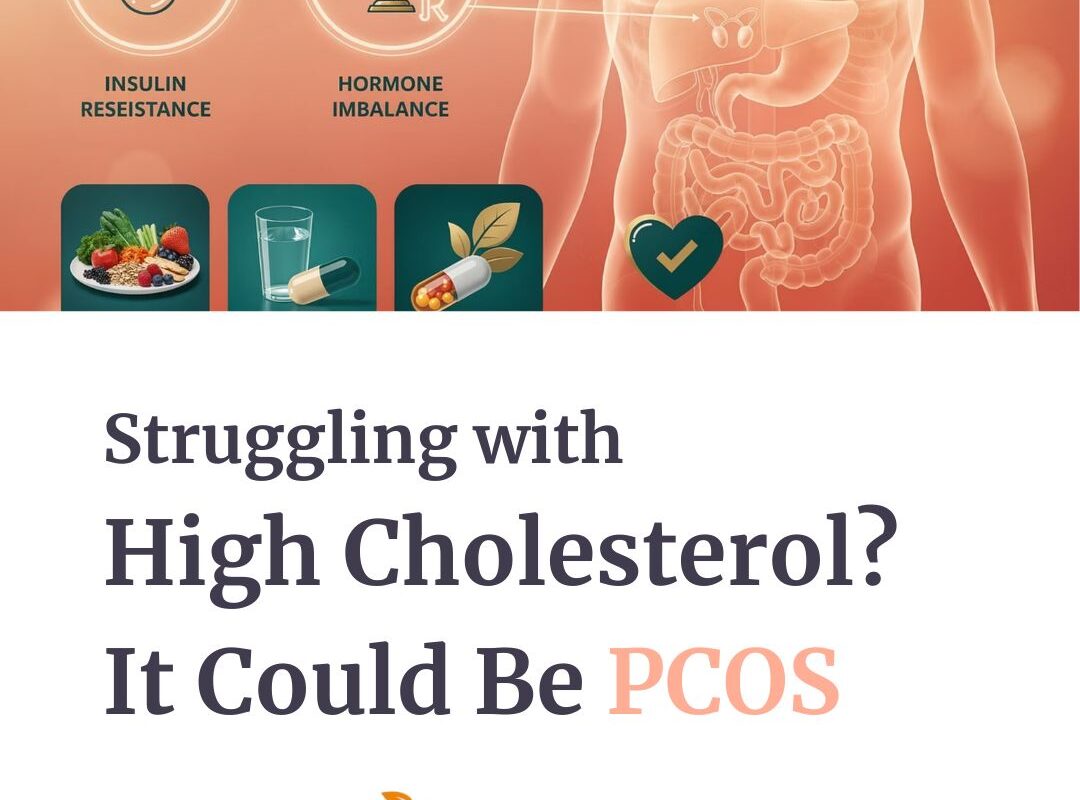
 

Struggling with High Cholesterol It Could Be PCOS

Struggling with High Cholesterol? It Could Be PCOS – Here’s What to Know

Ever catch your cholesterol readings climbing, no obvious reason? That’s troublesome (PCOS), a widespread hormonal imbalance, frequently hides in the background, driving up high cholesterol and nudging heart risks higher as years pass. Recognizing this tie early and it seems so clear once pointed out lets you step in with practical shifts that stick.

PCOS scrambles insulin regulation completely. Bad cholesterol surges upward and good cholesterol fades away. Slowly but surely, fat accumulates in arteries, restricting blood flow and straining the heart, women dealing with PCOS often show levels two, even three times above normal. Fatigue weighs you down daily. Belly fat accumulates stubbornly; periods turn erratic or vanish. Fortunately, a straightforward blood test pinpoints these shifts early on, giving you a solid head start before complications set in deeper.

Diet proves powerful here, load up on oats for fibres, almonds for crunch, crisp apples, vibrant leafy greens, and fish packed with omega-3s; they actively pull bad cholesterol levels down without much fuss. Dial back those fried temptations, sugary indulgences, hefty red meat portions they only bog things down further. Toss in daily walks, maybe some gentle stretching insulin starts cooperating better, energy steadies out, no need for exhausting gym routines or anything extreme. Stress sneaks in too, worsening PCOS symptoms and inflating cholesterol further; yet yoga sessions, deliberate deep breathing, or even quiet meditation done consistently often yield noticeable drops in numbers within a few months, building momentum.

Keep close tabs with your doctor, perhaps every six months for reviews and tweaks. High cholesterol linked to PCOS might daunt at first glance, but these small mixed daily habits, smart eating, light activity, vigilant monitoring, dramatically lower risks while boosting how you feel overall. Plenty of women navigate this successfully and come out thriving. The momentum builds steadily; begin incorporating one change today and watch it compound over time

X