Monthly Archives: September 2025

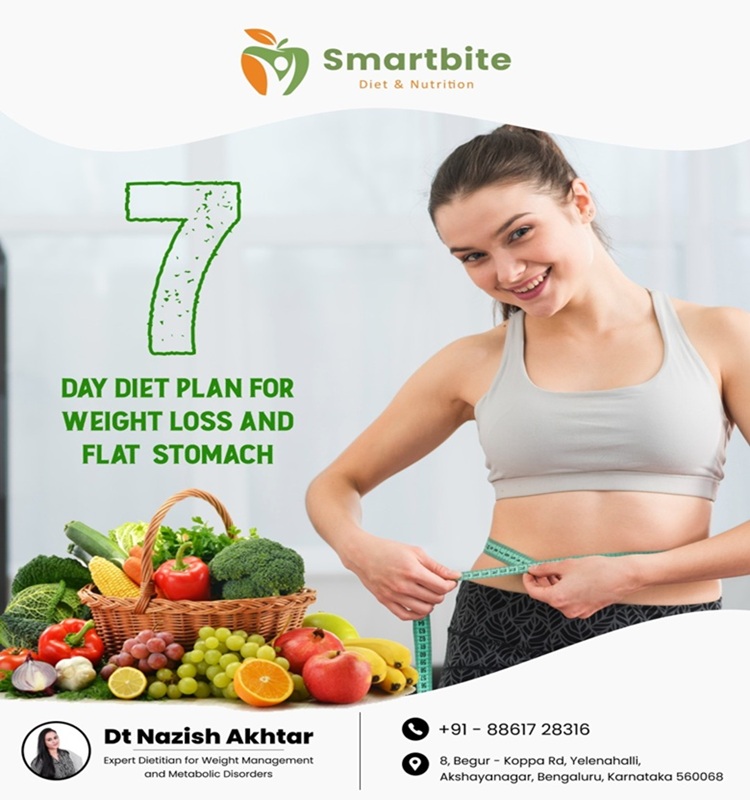
7-Day Diet Plan for Weight Loss & a Flat Stomach

7-Day Diet Plan for Weight Loss & a Flat Stomach

If you’ve been living a busy, demanding life, you know the struggle is real—you want to feel light, but heavy diets never fit your lifestyle. After coaching clients for more than a decade, I’ve learned one thing: the best plan is always the simplest one.

This 7-Day Reset Plan is designed to be easy to follow, stress-free, and effective. It focuses on two essentials:
1.Fat loss through clean, whole foods
2. Reducing bloating so you see and feel a flatter stomach fast

This isn’t about starving yourself—it’s about swapping processed foods for high-quality, real ingredients that leave you full, energized, and light. Many of my clients have used this exact plan successfully, and I’m confident it can work for you too.

The 3 Golden Rules of the Week

  1. Protein is Your Anchor : Include a palm-sized portion of protein (veg or non-veg) in every major meal. It keeps cravings away, fuels muscles, and curbs hunger.
  2. Hydration is Your Anti-Bloat Trick : Drink 2.5–3 litres of pure water daily. It flushes out sodium, reduces puffiness, and keeps your digestion smooth.
  3. No Refined Sugar : Cut out packaged sweets, sodas, and juices. This alone helps shed water weight and makes you feel lighter.

Your Daily 7-Day Meal Format

Consistency is key. Stick to this simple schedule:

Hydrate First (Morning Ritual)

  • 1 glass of warm lemon water

Breakfast (7:30–8:30 AM) – High Protein Start

  • Veg: Vegetable poha/upma (low oil), paneer scramble, OR Greek yoghurt with fruit
  • Non-Veg: 2 boiled/scrambled eggs OR oats with 1 scoop whey protein

Mid-Morning (11:00 AM) – Energy Boost

  • 1 fresh fruit (apple/orange) OR a handful of raw nuts

Lunch (1:00–2:00 PM) – Fibre + Protein + Veggies

  • Veg: 2 petite rotis, a bowl of dal, and vegetable subzi
  • Non-Veg: 2 rotis, chicken/fish curry with vegetables + salad

Evening Snack (5:00–6:00 PM) – Appetite Control

  • 1 cup plain buttermilk OR sprout salad OR roasted chana

Dinner (7:30–8:30 PM) – Light & Protein-Focused

  • Veg: Big bowl of mixed soup + paneer/tofu
  • Non-Veg: Chicken/fish clear soup + steamed veggies

SmartBite Makes It Simple

Meal prep is the toughest part for working professionals in a fast-paced city like Bangalore. That’s where SmartBite Nutrition, Akshayanagar, comes in.

We deliver balanced, freshly prepared meals designed around this exact plan—whether veg or non-veg. No guesswork, no stress. Just convenient, nutrient-rich meals that support your 7 day diet plan for weight loss and health goals.

Quick Q&A for Success

Q: Will I feel hungry on this diet?
A: No! It’s high in protein and fibre. If hunger strikes, drink water first, then have fruit or nuts.

Q: Can I still drink coffee?
A: Yes—but stick to black or with a splash of milk. No sugar, syrups, or cream.

Q: Why no heavy carbs at dinner?
A: At night, your body needs less fuel. A lighter, protein-rich dinner helps digestion and supports fat burning while you sleep.

Q: What if I cheat one day?
A: Don’t quit. Get back on track with your next meal. Progress comes from consistency, not perfection.

Boost athletic performance with personalized diet plans.

Boost athletic performance with personalized diet plans

Boost athletic performance with personalized diet plans

Introduction

Athletic events are thrilling not only because of the spectacle they present but also because of the immense talent and effort that goes into them. Whether it’s the cricketer who strikes a six, the runner who crosses the finish line, or the footballer who scores a goal—there is one very important and often overlooked factor behind the performance: nutrition.

Well-balanced nutrition is critical for athletes. As a football player or a professional athlete, the right diet is needed to perform at your best. Eating food that is not well-timed or not nutrition-based can make a player feel fatigued, distracted, or mentally sluggish. With proper nutrition, athletes can improve performance during competitions and recover faster afterwards.

This is why a precise, personalized diet plan works better than a general, one-size-fits-all approach. At SmartBite Nutrition Clinic, we design tailored diet programs based on the sport an athlete plays to help them reach peak performance.

1. The Importance of Personal Nutrition Plans

Imagine two athletes training side by side. One is a sprinter, specializing in short, intense bursts of activity. The other is a marathon runner, built for long-distance endurance. Would both require the same diet? Absolutely not.

  • The sprinter needs quick energy and muscle strength.

  • The marathon runner needs slow, steady energy and stamina.

A good diet plan considers:

  • Your physique (muscle and fat composition, metabolism)

  • Your sport type (strength vs endurance)

  • Your weekly training volume and intensity

  • Any medical conditions (low iron, vitamin deficiency, digestive issues)

Even slight imbalances can reduce efficiency and overall health—this is where professional guidance matters.

2. Carbohydrates – The Body’s Main Source of Energy

Carbohydrates are often blamed for weight gain, but for athletes, they are the primary fuel. Just as petrol powers a car, carbs power the body.

  • In a football or hockey game, carbs keep players running and active.

  • In weightlifting, carbs act as explosive fuel for heavy lifts.

Good sources: rice, oats, bread, fruits, potatoes, quinoa, vegetables.

👉 Example: A runner who eats pasta with vegetables before a race will have steady energy for the run. Skipping carbs could leave them exhausted midway.

3. Protein – The Repair and Strength Builder

During training, muscles develop tiny tears. Protein repairs them, helping muscles grow stronger.

  • Athletes need more protein than average individuals.

  • Best sources: eggs, chicken, fish, milk, beans, lentils, soy, nuts.

👉 Example: A weightlifter who eats protein-rich foods like eggs and milk after training recovers faster than one who relies only on bread.

Tip: Spread protein intake throughout the day for maximum recovery.

4. Healthy Fats – Long-Lasting Energy

Not all fats are bad. Healthy fats provide enduring energy and support hormone regulation—both crucial for performance and recovery.

Good fats: fish, avocado, nuts, seeds, olive oil.

👉 Example: A swimmer who eats nuts and fish regularly recovers faster and feels less sore after intense training.

5. Water and Electrolytes – The Overlooked Fuel

Many athletes plan meals but overlook hydration. Even slight dehydration lowers focus, energy, and strength.

  • Drink at least 6–8 glasses daily (more in hot weather).

  • Replace lost salts and minerals (sodium, potassium, magnesium).

  • Best options: coconut water, lemon water, electrolyte drinks.

👉 Example: Players who hydrate during matches avoid cramps, unlike those who neglect fluids.

6. Right Food at the Right Time

When you eat matters as much as what you eat.

  • Before exercise: light carbs + small protein (banana with peanut butter, yoghurt with fruit).

  • During long training: quick carbs (fruit, sports drink).

  • After exercise: carbs + protein (oats with milk, chicken with rice).

👉 Example: A footballer who skips recovery meals often feels sluggish the next day.

7. Supplements – Not Always Needed

Supplements can help, but random use may be harmful. They are only needed when food is insufficient.

  • Protein powders: useful if meals lack protein.

  • Iron: essential if tests show low levels.

  • Omega-3s: support joints and recovery.

At SmartBite Nutrition Clinic, we only recommend supplements if necessary.

8. Nutrition for the Mind

Sports require mental sharpness too.

  • Balanced meals prevent fatigue.

  • Leafy greens and nuts improve focus and memory.

  • Proper hydration enhances reaction time.

👉 Example: Even chess players benefit from a good diet, not just athletes in physical sports.

9. Advantages of Personalized Diet Plans

Athletes following personalized nutrition programs often see:

  • Greater endurance and energy

  • Faster recovery times

  • Improved strength and muscle gain

  • Fewer injuries and cramps

  • Better mental focus and confidence

FAQs on Athlete Nutrition

1. Do athletes need more protein than others?
Yes. Training breaks muscle fibres, and protein repairs them.

2. Are carbs bad for athletes?
No. Carbs are the main energy source—just focus on healthy ones.

3. Can dehydration affect performance?
Yes. Even mild dehydration reduces endurance, speed, and concentration.

4. Should all athletes take supplements?
No. They are only needed to fill diet gaps.

5. How do I know what diet is right for me?
By consulting a nutrition expert who studies your sport, body type, and lifestyle.

Final Thoughts

Training makes you stronger, but nutrition fuels both training and recovery. Without the proper diet, performance will always be limited. With a tailored nutrition plan, athletes can maximize strength, stamina, and focus.

At SmartBite Nutrition Clinic, we design simple, science-based diet plans that match an athlete’s sport, lifestyle, and body needs. These plans aren’t about restrictions—they’re about fueling for success.

Effective Nutrition for Obesity Management

Effective Nutrition for Obesity Management

Obesity is a growing global health concern, closely linked to conditions such as diabetes, heart disease, and high blood pressure. However, managing obesity is not just about eating less or following strict diets—it’s about nourishing your body with the right nutrients to support healing, balance hormones, and maintain a healthy weight.

At SmartBite Nutrition Clinic, we believe obesity can be effectively managed with the right knowledge, personalised counselling, and small lifestyle changes. Rather than focusing on restrictive diets, we encourage smarter food choices—like eating more fruits, vegetables, whole grains, and lean proteins—while learning to listen to your body’s natural hunger cues.

Small habits such as drinking more water, eating smaller meals, and staying active can create a significant impact over time. With proper guidance and support, achieving a healthier, more balanced life is possible.

1. Increase the Consumption of Natural Foods

Whole foods such as fruits, vegetables, nuts, seeds, whole grains (brown rice, oats, millet), pulses, fish, meat, and eggs are nutrient-dense and essential for energy. They provide minerals, vitamins, and fibre while keeping calorie intake in check.

Fibre, in particular, helps you feel full for longer and reduces unnecessary snacking. For example, replacing chips with an apple curbs hunger and adds valuable nutrients, unlike empty-calorie processed snacks.

2. Control Portion Sizes

Even healthy food can lead to weight gain when consumed in excess. Portion control is crucial.

  • Avoid eating directly from packets.

  • Use portioned plates and bowls for better visual guidance.

  • Stop eating when you feel satisfied rather than full.

Think of your stomach as a fuel tank—don’t overfill it.

3. Stay Hydrated

Many people confuse thirst with hunger. Drinking 6–8 glasses of water daily not only prevents overeating but also improves digestion and metabolism.

Tips:

  • Drink a glass of water before meals.

  • Replace sugary drinks and sodas with plain water, lemon water, or coconut water.

4. Balance Hormones Through Nutrition

Hormones play a major role in obesity:

  • Insulin: Refined carbs and sugar cause spikes, leading to fat storage.

  • Leptin: Poor diets disrupt satiety signals, causing overeating.

  • Cortisol: Stress hormone that triggers cravings and belly fat.

A diet rich in protein, fibre, and healthy fats helps regulate these hormones.

5. Follow a Personalised Nutrition Plan

No two individuals are the same—some gain weight due to stress, others due to slow metabolism or health conditions. At SmartBite Clinic, we create Medical Nutrition Therapy (MNT) plans tailored to your medical history, lifestyle, and goals, making them far more effective than generic diets.

6. From Crash Diets to Lifestyle Changes

Crash diets may show quick results but often cause weight regain and harm metabolism. Instead, focus on:

  • Adding more vegetables to meals

  • Preparing wholesome meals at home

  • Carrying nutritious snacks when outdoors

When healthy eating becomes a habit, the results are sustainable.

7. Incorporate Physical Activity

Exercise complements nutrition and is vital for obesity management.

  • Aim for 30 minutes of walking, cycling, or dancing five times a week.

  • Include strength-building exercises like push-ups or squats.

  • Make small lifestyle changes: take stairs, walk while on calls, or stretch during breaks.

Building muscle helps burn calories—even at rest.

8. Prioritise Sleep and Manage Stress

  • Sleep: 7–8 hours per night keeps hunger and satiety hormones balanced.

  • Stress: High stress raises cortisol, leading to cravings for junk food.

Yoga, meditation, and deep breathing can help regulate both.

9. Eat Mindfully

Being mindful about how and when you eat is just as important as what you eat.

  • Avoid eating in front of screens.

  • Chew slowly and savour every bite.

  • Eat when hungry, not out of boredom.

Mindful eating naturally reduces calorie intake.

10. Seek Encouragement and Support

Motivation is easier with support.

  • Share your weight loss journey with family and friends.

  • Join nutrition programs or support groups.

  • Reward yourself for small wins, like reducing sugar or drinking more water.

At SmartBite Nutrition Clinic, we guide and motivate clients every step of the way.

FAQs on Nutrition and Obesity

1. Can I lose weight with diet alone?
Yes, but combining a balanced diet with physical activity accelerates results.

2. Are crash diets safe?
No. They damage metabolism and cause nutrient deficiencies.

3. How much water should I drink daily?
6–8 glasses on average, depending on body size, weather, and activity levels.

4. Is rice bad for obesity?
Not all rice is harmful. Brown rice, red rice, and millets are fibre-rich and healthier alternatives to white rice.

5. Can obesity be reversed with nutrition?
Yes. Proper nutrition, portion control, and lifestyle changes can reverse obesity in many cases.

Final Thoughts

Obesity is not just about appearance—it affects health, energy, and quality of life. The good news is that with the right strategy, including whole foods, hydration, stress management, sleep, and personalised nutrition plans, obesity can be managed effectively.

At SmartBite Nutrition Clinic, we focus on sustainable, research-based approaches that fit seamlessly into your lifestyle. Remember, obesity management is not a sprint—it’s a lifelong journey toward health and wellness.

Take the first step today—because small, consistent changes lead to lasting progress.

X