PCOS and thyroid disorders are different health conditions, but their symptoms can sometimes look very similar. Weight gain, tiredness, irregular periods, mood changes, and difficulty losing weight may occur with both conditions. This can make it confusing to understand what is causing your symptoms.
The good news is that proper medical evaluation can help identify the underlying condition. Nutrition and lifestyle changes can then be planned according to your individual needs.
What Is PCOS?
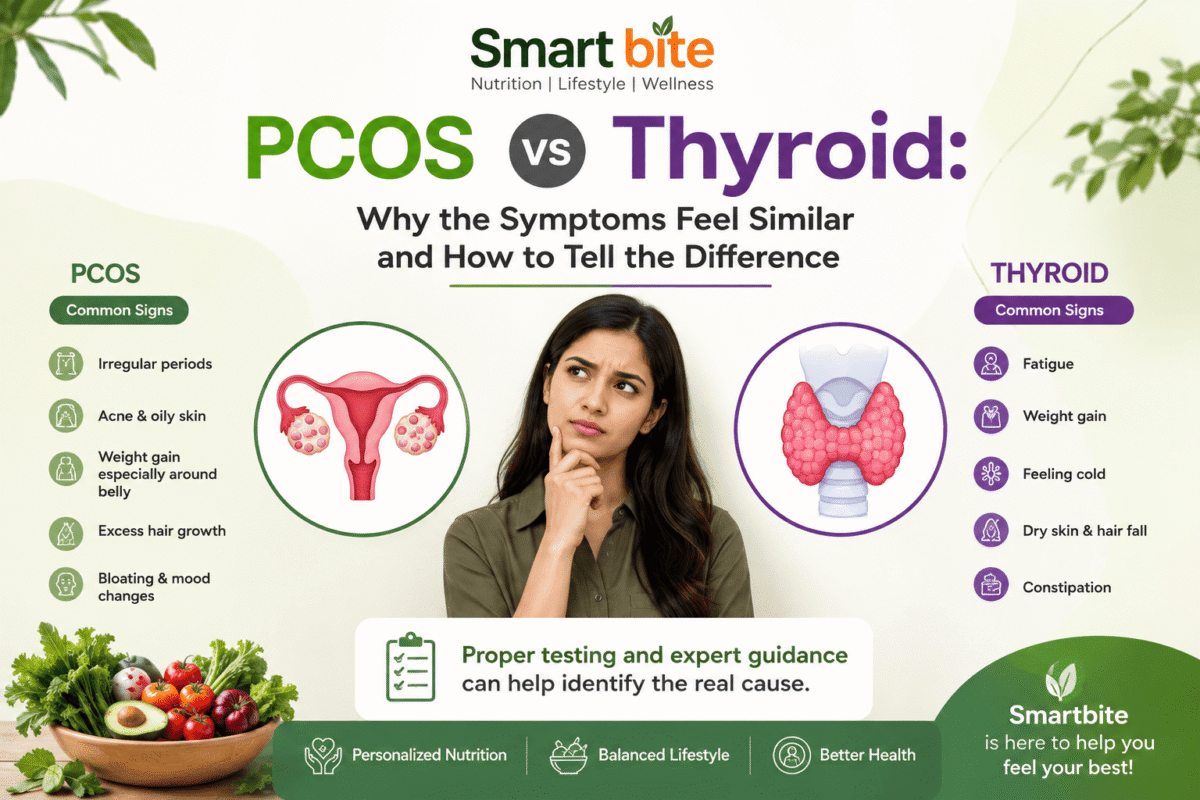
Polycystic Ovary Syndrome (PCOS) is a common hormonal and metabolic condition that can affect women during their reproductive years. It may cause irregular periods, ovulation problems, acne, increased facial or body hair, and difficulty with weight management.
PCOS Dietitian can affect people differently. Some women may have noticeable symptoms, while others may experience only a few signs. A proper medical assessment is important before starting a specific PCOS diet or treatment.
What Is a Thyroid Disorder?
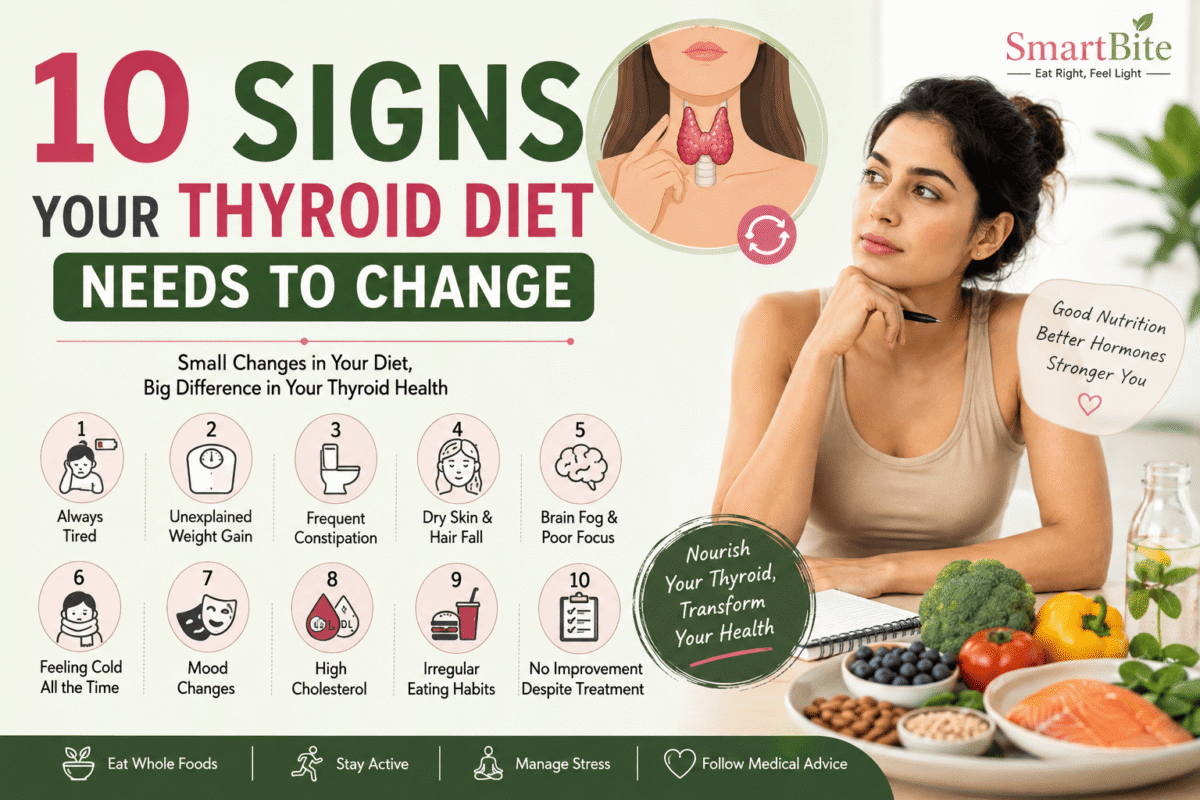
The thyroid is a small gland in the neck that produces hormones involved in regulating many body functions. An underactive thyroid, known as hypothyroidism, can cause tiredness, weight gain, feeling cold, dry skin, constipation, mood changes, and menstrual irregularities.
However, these symptoms do not automatically mean that someone has a thyroid disorder. Blood tests and medical evaluation are generally needed to assess thyroid function.
Why Do PCOS and Thyroid Symptoms Feel Similar?
Both conditions can influence hormones and metabolism, which is one reason some symptoms overlap.
For example, a woman with PCOS may experience irregular periods and difficulty managing weight. Someone with hypothyroidism may experience similar problems. Both conditions can also be associated with tiredness or changes in overall wellbeing.
This is why it is not advisable to diagnose yourself based only on symptoms.
PCOS vs Thyroid: Key Differences
PCOS is commonly associated with irregular ovulation, acne, and increased facial or body hair in some women. Thyroid problems, particularly hypothyroidism, are more commonly associated with symptoms such as feeling unusually cold, constipation, dry skin, and persistent tiredness.
There can still be overlap, so these differences should not be used as a self-diagnosis tool.
A doctor may recommend appropriate blood tests and other assessments depending on your symptoms and medical history.
Can You Have Both PCOS and Thyroid Problems?
Yes. Having PCOS does not automatically protect someone from developing a thyroid condition, and having a thyroid disorder does not rule out PCOS.
If you have ongoing symptoms such as irregular periods, unexplained weight changes, excessive tiredness, or hormonal changes, it is better to seek professional evaluation instead of assuming that one condition explains everything.
How Nutrition Can Help
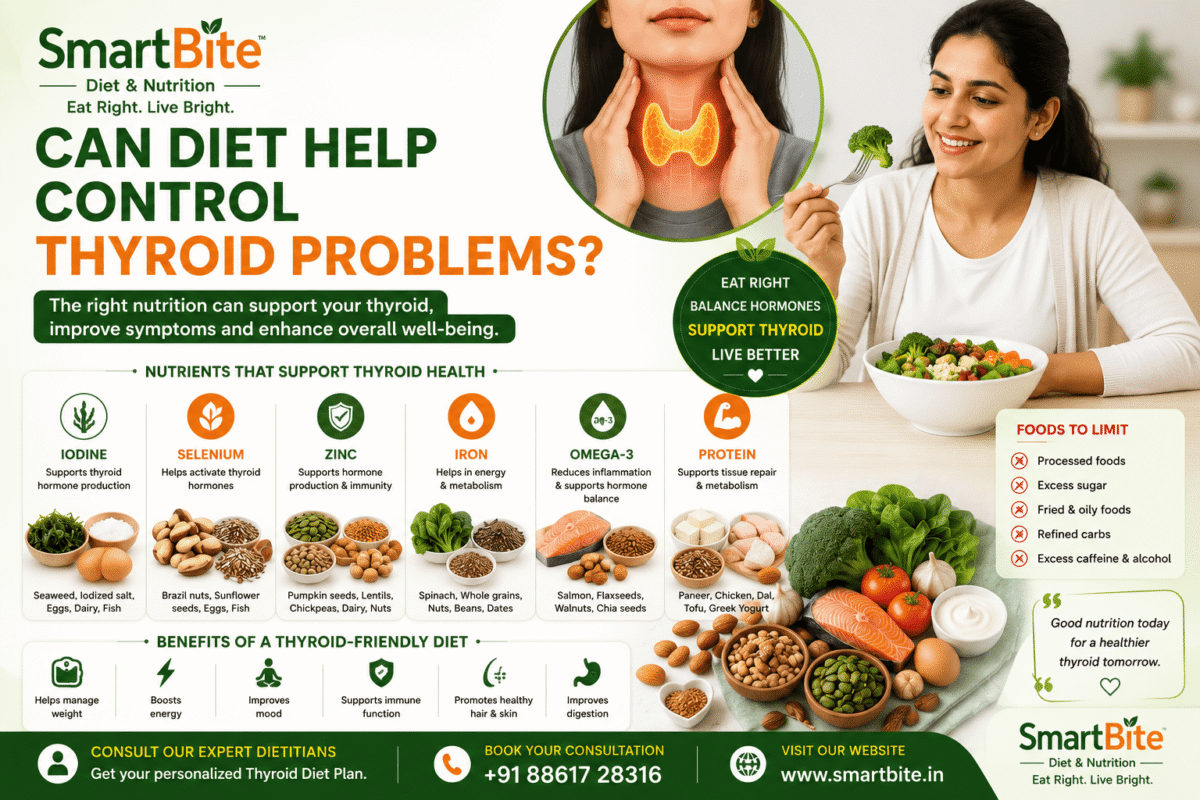
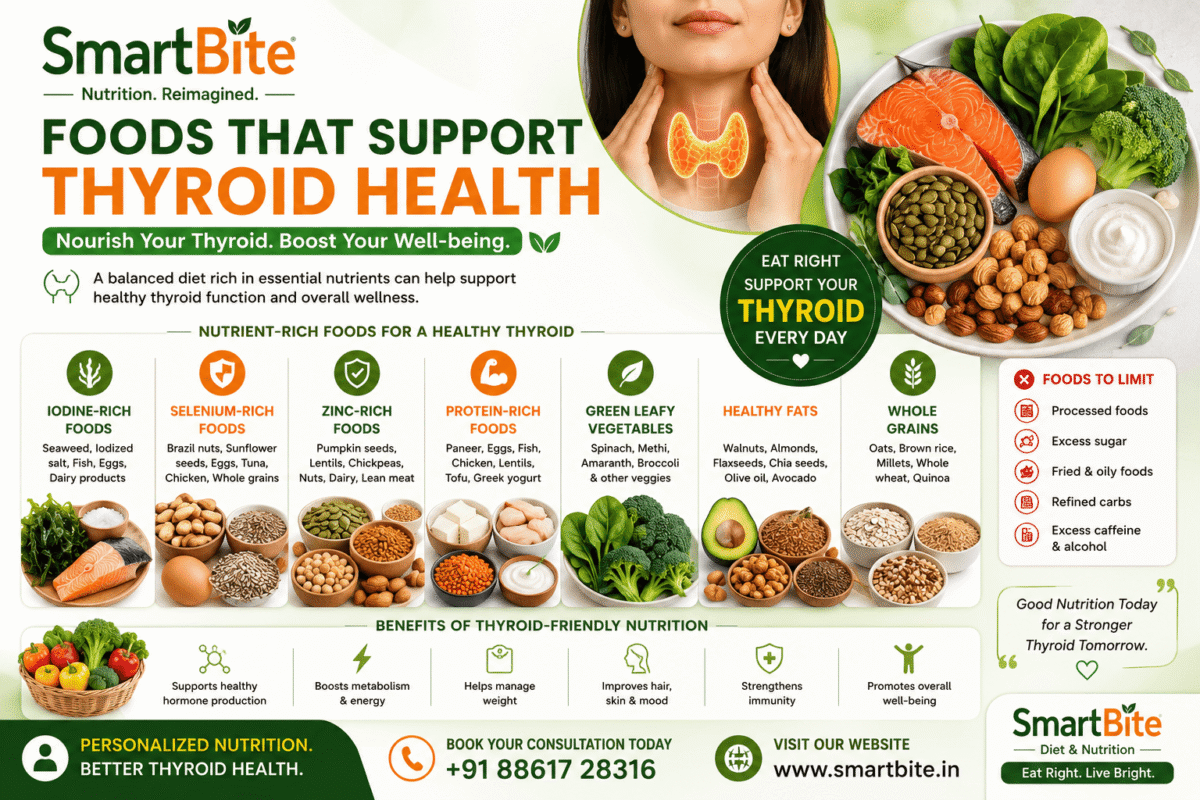
Nutrition can play an important role in supporting overall health when managing PCOS or thyroid conditions. However, there is no single diet that works for everyone.
A personalised nutrition plan may include balanced meals, adequate protein, fibre-rich foods, healthy fats, appropriate portions, and regular eating habits. Your food preferences, lifestyle, health condition, and goals should all be considered.
Working with a PCOS or thyroid dietitian can make it easier to create a practical plan that fits your daily routine.
Smartbite’s Approach
Smartbite provides personalised nutrition support for PCOS, thyroid health, weight management, diabetes, and other nutrition goals. Instead of following a generic diet, clients can receive guidance based on their individual lifestyle, food preferences, and health requirements.
If you are experiencing symptoms that could be related to PCOS or thyroid problems, medical evaluation should come first. Once your condition is understood, appropriate nutrition and lifestyle guidance can support your overall health journey.
Final Thoughts
PCOS and thyroid disorders can have similar symptoms, particularly irregular periods, weight changes, and tiredness. However, they are different conditions and should not be diagnosed based on symptoms alone.
If you are experiencing persistent hormonal or weight-related concerns, speak with a qualified healthcare professional. Once the underlying condition is identified, personalised nutrition guidance can help you develop healthier and more sustainable habits.