
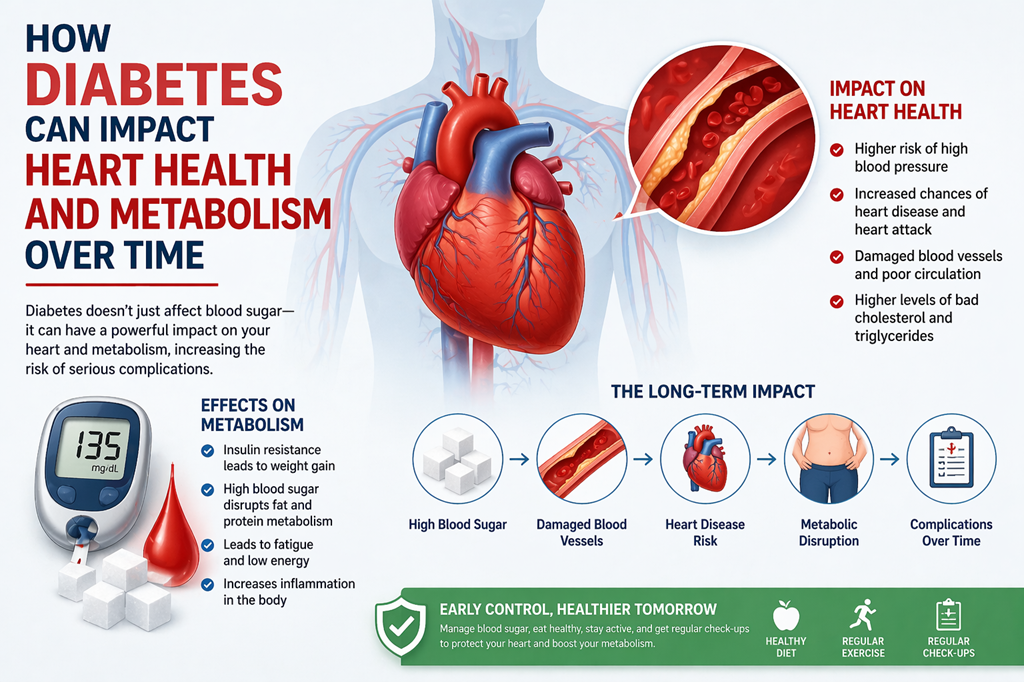
Diabetes is more than just a condition affecting blood sugar, it has far-reaching effects on the body, particularly on heart health and metabolism. Over time, consistently elevated glucose levels can silently damage vital systems, increasing the risk of serious complications. Understanding this connection is key to managing diabetes effectively and protecting long-term health.
At SmartBite, we focus on empowering healthier choices through nutrition. Let’s break down how diabetes influences your heart and metabolism and what you can do about it.
The Link Between Diabetes and Heart Health
People with diabetes are at a significantly higher risk of developing cardiovascular diseases. This is largely due to prolonged high blood sugar levels, which can damage blood vessels and the nerves that control the heart.
Here’s how it happens:
- Damage to Blood Vessels
Excess glucose in the bloodstream can cause inflammation and narrowing of blood vessels. Over time, this leads to a condition called atherosclerosis, where arteries become stiff and clogged, restricting blood flow to the heart. - Increased Blood Pressure
Diabetes is often associated with hypertension. High blood pressure puts additional strain on the heart, increasing the risk of heart attacks and strokes. - Unhealthy Cholesterol Levels
Many individuals with diabetes experience imbalances in cholesterol higher levels of LDL (bad cholesterol) and lower levels of HDL (good cholesterol). This combination accelerates plaque buildup in arteries. - Higher Risk of Heart Disease
Due to these combined factors, people with diabetes are more likely to develop coronary artery disease, heart failure, and other cardiovascular conditions.
How Diabetes Affects Metabolism
Metabolism refers to how your body converts food into energy. Diabetes disrupts this process at its core.
- Insulin Resistance
In type 2 diabetes, the body becomes resistant to insulin, a hormone that helps glucose enter cells. As a result, glucose remains in the bloodstream instead of being used for energy. - Impaired Energy Utilization
Since cells cannot access glucose efficiently, the body struggles to produce energy. This can lead to fatigue and reduced physical performance. - Fat Storage and Weight Gain
Excess glucose may be stored as fat, particularly around the abdomen. This further worsens insulin resistance, creating a vicious cycle. - Slower Metabolic Rate
Over time, metabolic processes can become less efficient, making it harder to maintain a healthy weight or regulate energy levels.
The Long-Term Impact
If not managed well, diabetes can lead to:
- Chronic inflammation
- Increased risk of heart attack and stroke
- Kidney damage and nerve issues
- Reduced metabolic flexibility
These complications develop gradually, often without obvious symptoms in the early stages—making proactive management essential.
What You Can Do
The good news is that lifestyle choices play a powerful role in managing diabetes and reducing its impact:
- Prioritize Balanced Nutrition: Focus on whole foods, high fiber intake, and low glycemic index meals
- Stay Physically Active: Regular exercise improves insulin sensitivity and heart health
- Monitor Blood Sugar Levels: Consistent tracking helps prevent long-term damage
- Manage Stress and Sleep: Both have a direct impact on metabolic health
- Limit Processed Foods and Sugars: Reducing spikes helps protect blood vessels
SmartBite’s Approach to Better Health
At SmartBite, we design meals that support stable blood sugar levels and overall metabolic wellness. By combining nutrient-dense ingredients with the right balance of fiber, protein, and healthy fats, we help you take control of your health one meal at a time.
The Bottom Line
Diabetes doesn’t just affect blood sugar, it influences your entire metabolic system and significantly increases the risk of heart disease over time. The key lies in early awareness and consistent lifestyle choices.
With the right nutrition and habits, it’s possible to manage diabetes effectively and protect both your heart and metabolism for the long run.