Author Archives: Smart@2025

Managing Gastrointestinal Disorders – Heal Your Gut Naturally

Managing Gastrointestinal Disorders – Heal Your Gut Naturally

Our digestive system plays a far greater role in our overall health than most people realize. From breaking down food and absorbing nutrients to supporting immunity and hormone regulation, the gut is the body’s foundation for balance and vitality. Yet, modern lifestyles marked by fast food, stress, and irregular sleep have made gastrointestinal (GI) disorders one of the most common health challenges of our time.

The good news? Most digestive problems can be managed and even reversed with timely intervention, mindful eating, and sustainable nutrition.

Understanding Gastrointestinal Disorders

Gastrointestinal disorders encompass a wide range of conditions that affect the digestive tract, including the stomach, intestines, liver, and colon. These may be short-term (like food poisoning) or chronic (like Irritable Bowel Syndrome or acid reflux).

Some of the most common GI disorders include:

  • Irritable Bowel Syndrome (IBS) – Causes alternating constipation and diarrhea, bloating, and abdominal discomfort.
  • Gastroesophageal Reflux Disease (GERD) – Occurs when stomach acid repeatedly flows back into the esophagus, causing heartburn.
  • Gastritis – Inflammation of the stomach lining, often due to infections, medications, or stress.
  • Constipation and Bloating – Caused by poor hydration, lack of fiber, or imbalanced gut flora.
  • Food Intolerances – Sensitivity to foods like lactose, gluten, or certain fermentable carbs (FODMAPs).

These conditions may seem mild initially, but if ignored, they can lead to nutrient deficiencies, inflammation, and poor immune function over time.

The Link Between Gut Health and Overall Well-Being

Your digestive tract is home to trillions of bacteria collectively known as the gut microbiome. This complex ecosystem influences everything from metabolism to mood. When the microbiome becomes imbalanced (a state called dysbiosis), it can trigger digestive discomfort, fatigue, and even anxiety.

A healthy gut:

  • Supports nutrient absorption
  • Produces essential vitamins (like B12 and K)
  • Regulates mood via the gut-brain axis
  • Strengthens immunity
  • Controls inflammation

That’s why addressing gut health is not just about digestion, it’s about improving whole-body wellness.

Simple Steps to Improve Gut Health

Managing gastrointestinal issues doesn’t always require extreme diets or medication. Often, it’s about making small, consistent lifestyle changes that promote balance and healing.

Here are some evidence-based ways to support your digestive health:

Eat Fiber-Rich Foods : Include plenty of fruits, vegetables, whole grains, and legumes. Fiber helps maintain regular bowel movements and feeds beneficial gut bacteria.

Stay Hydrated : Water aids digestion and prevents constipation. Aim for at least 2–3 liters daily, adjusting based on activity and climate.

Practice Mindful Eating : Chew food slowly, eat in a calm environment, and listen to your hunger cues. Rushed meals can lead to poor digestion and bloating.

Manage Stress : Chronic stress alters gut motility and increases acid production. Incorporate breathing exercises, yoga, or short walks after meals.

Include Probiotics and Prebiotics : Fermented foods like yogurt, kefir, and kimchi help maintain a healthy microbiome. Prebiotics (like oats, garlic, and bananas) feed good bacteria.

Limit Processed Foods and Caffeine : Highly processed foods, alcohol, and excessive caffeine can irritate the gut lining and trigger acidity or reflux.

Track Food Reactions : Maintain a food diary to identify foods that worsen your symptoms. A nutrition professional can help interpret these patterns.

When to Seek Professional Help

If symptoms like heartburn, constipation, or abdominal pain persist for more than a few weeks, it’s best to consult a healthcare or nutrition expert. Chronic GI issues should never be self-diagnosed professional dietary assessment can uncover underlying triggers and guide personalized interventions.

Early management can prevent complications such as ulcers, nutrient malabsorption, or chronic inflammation.

Nutrition: The Cornerstone of Gut Healing

Your gut lining regenerates every few days meaning that the food you eat directly influences your recovery. A balanced, anti-inflammatory diet rich in whole foods, antioxidants, and omega-3 fatty acids supports gut repair and microbiome diversity.

Scientific studies consistently show that personalized meal plans rather than generic diets produce the best outcomes for long-term digestive health.

How Smart Bite Nutrition Can Help

At Smart Bite Nutrition, Bangalore, gut health is one of our key areas of expertise. Our certified nutritionists combine science, empathy, and personalization to help clients overcome chronic digestive issues through evidence-based nutritional therapy.

Our approach includes: 

  • Comprehensive dietary and symptom analysis
  • Personalized meal planning for conditions like IBS, acidity, and gastritis
  • Gut microbiome-friendly food strategies
  • Lifestyle and stress management techniques
  • Continuous progress tracking and support

Whether you’re struggling with bloating, acid reflux, or unpredictable digestion, Smart Bite’s gut-healing programs are designed to help you identify triggers, rebalance your microbiome, and restore confidence in your body naturally and sustainably.

If you’re in Bangalore and ready to heal your gut from within, book a consultation with Smart Bite Nutrition today. Because a healthy gut isn’t just about food it’s about feeling good, every single day.

Easy Meals That Help Postpartum Moms Lose Weight Without Cooking Separately

Reimagining Postpartum Nutrition for the Modern Mother

For many new mothers, the postpartum phase brings a profound shift in priorities nurturing the newborn often takes precedence over self-care. Between sleepless nights, feeding schedules, and the pressures of returning to work, preparing separate diet meals can feel impossible. At Smart Bite Nutrition, we understand this reality and design integrated meal strategies that enable postpartum mothers to lose weight safely while sharing the same food as their families.

The key lies not in restrictive dieting, but in strategic meal composition balancing macronutrients, controlling portion sizes, and incorporating nutrient-dense foods that support lactation, recovery, and metabolism simultaneously.

  1. Balanced Breakfasts That Energies the Day

A well-structured breakfast sets the metabolic tone for the day. Instead of sugary or refined options, Smart Bite Nutrition recommends fiber-rich and protein-focused choices such as:

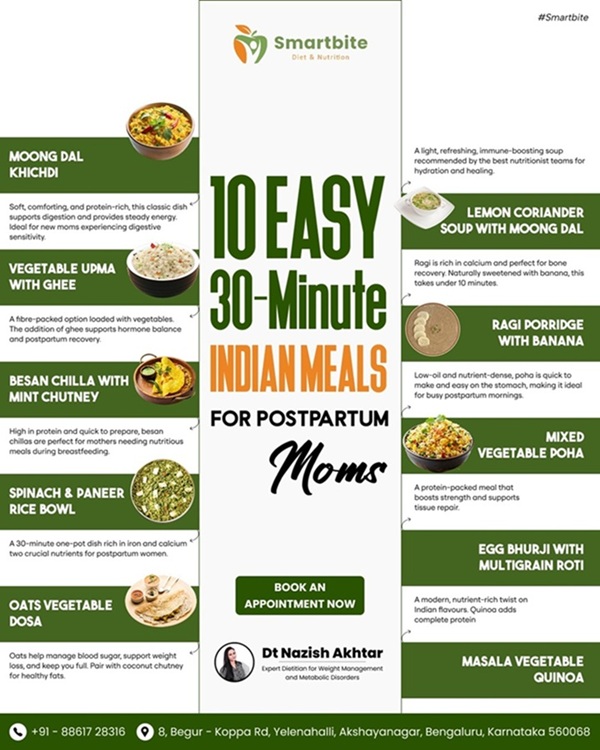
  • Oats upma with vegetables or moong dal chilla – providing slow-release carbohydrates and plant-based protein.
  • Ragi porridge with nuts and seeds – a calcium-rich option that promotes bone health and sustained energy.
  • Greek yogurt parfait with fresh fruit and chia seeds – supporting gut health and hydration.

Smart Bite Insight: Incorporating nuts, seeds, and dairy improves healthy fat intake, vital for hormonal balance and steady milk supply.

  1. One-Pot Lunches that Nourish and Simplify

Family meals can easily double as balanced postpartum options with minor modifications.

  • Vegetable dal khichdi or brown rice with dal and sabzi offer an ideal mix of carbohydrates, protein, and fiber.
  • Quinoa or millet pulao can replace white rice for enhanced satiety and mineral density.
  • Grilled chicken or tofu with steamed vegetables adds lean protein to sustain energy and aid tissue repair.

Smart Bite Insight: Use minimal oil, include herbs like turmeric and cumin for digestion, and maintain moderate ghee use for postpartum recovery.

  1. Evening Meals for Metabolic Support

Dinner should be light, protein-oriented, and easy to digest.

  • Lentil soups, stir-fried vegetables, or paneer wraps are ideal.
  • Replace refined carbs with whole grains or legumes to regulate blood sugar and prevent late-night cravings.

Smart Bite Insight: Avoid skipping meals, controlled, consistent eating maintains hormonal equilibrium and supports steady weight loss.

  1. Smart Snacking for Sustained Energy

Mid-meal options like roasted chickpeas, nuts, makhana, or fruit smoothies with oats curb hunger between meals without excess calories.

The Smart Bite Nutrition Perspective

At Smart Bite Nutrition, weight loss nutrition is approached holistically focusing on restoration, resilience, and long-term health rather than rapid weight loss. Every plan is scientifically structured to ensure that lactating mothers meet their caloric and micronutrient requirements while achieving gradual, sustainable fat loss.

By adopting these simple, family-inclusive meals, mothers can reclaim their strength, maintain milk production, and manage weight effectively all without cooking separately.

Because at Smart Bite Nutrition, we make nourishment practical, evidence-based, and achievable for every modern mother.

Postpartum Constipation Relief with Expert Nutrition T

Postpartum Constipation Relief with Expert Nutrition Tips – Smart Bite Nutrition Bangalore

Understanding Postpartum Constipation

Constipation is one of the most common, yet least discussed challenges faced by new mothers. The hormonal fluctuations following childbirth, iron supplements, reduced physical activity, dehydration, and post-delivery medications can all slow digestion. Add to that the physical discomfort from stitches or surgery, and even simple bowel movements can feel overwhelming.

At Smart Bite Nutrition Bangalore, we remind mothers that postpartum constipation is not a sign of poor health, but rather a natural physiological response that can be managed effectively through smart nutrition, hydration, and gentle lifestyle adjustments.

Why Does Constipation Occur After Delivery?

The postpartum phase brings significant changes in digestion and metabolism. Some of the leading causes include:

  • Hormonal shifts: Reduced progesterone levels post-delivery slow intestinal movement.
  • Pain medications: Post-surgical drugs and iron supplements may cause digestive sluggishness.
  • Limited mobility: Recovery periods often reduce physical activity, affecting bowel motility.
  • Dehydration: Breastfeeding increases fluid demands, often leaving mothers under-hydrated.

Recognizing these triggers helps in designing a targeted nutritional approach that supports both gut health and lactation.

Smart Bite Nutrition Tips for Postpartum Constipation Relief

  1. Prioritize Hydration

Adequate water intake is essential for bowel regularity. Aim for 3–3.5 liters daily, including soups, coconut water, or infused water. Hydration also supports breast milk production.

  1. Increase Fiber Gradually

Introduce whole grains, oats, lentils, beans, fruits, and vegetables into every meal. Fiber softens stool and promotes healthy bowel movement.
Smart Bite Tip: Add flaxseeds or soaked chia seeds to morning smoothies for extra soluble fiber.

  1. Focus on Gut-Friendly Foods

Fermented foods such as curd, kefir, idli, or sauerkraut replenish beneficial gut bacteria and enhance digestion.

  1. Moderate Iron Intake

If iron supplements are causing discomfort, discuss dosage adjustments or alternate formulations with your healthcare provider.

  1. Move Mindfully

Gentle postpartum yoga, pelvic tilts, or short walks stimulate bowel activity and relieve bloating safely.

  1. Include Healthy Fats

Natural fats like avocado, ghee, olive oil, and nuts lubricate the intestines and ease stool passage — vital for postpartum recovery.

The Smart Bite Nutrition Approach

At Smart Bite Nutrition Bangalore, we create individualized postpartum meal plans that combine clinical nutrition with real-life practicality. Our focus is to help new mothers:

  • Maintain digestive comfort
  • Support lactation
  • Regain energy and balance

Every plan is designed around local, accessible foods, ensuring sustainability and long-term wellness.

Postpartum weight loss recovery is not just about healing, it’s about restoring comfort and confidence from within. With mindful nutrition and consistent care, your body can return to its natural rhythm.

Partner with Smart Bite Nutrition Bangalore to embrace expert-led postpartum nourishment and sustainable gut health.


Lost 10 Kgs During Lactation While Balancing Work

How My Client Lost 10 Kgs During Lactation While Balancing Work and Motherhood

The Real Struggle: When Motherhood Meets Metabolism

When my client, joined Smart Bite Nutrition, she was six months postpartum, breastfeeding exclusively, and trying to balance her baby’s sleep schedule with her demanding work-from-home routine. Like many new mothers, she felt stuck, exhausted, craving sugar, and unsure how to lose weight without affecting her milk supply.

Her goal was simple: to feel strong again.

And at Smart Bite Nutrition, we knew that sustainable weight loss during lactation is possible but only when done with precision, patience, and proper nourishment.

Step 1: Fuel to Heal – Not Starve

At Smart Bite Nutrition, we start with restoring balance because deprivation doesn’t work for breastfeeding moms. Aisha’s personalized postpartum meal plan included:

  • Whole grains like oats and millets for slow energy release.
  • Lean proteins like eggs, lentils, and tofu to maintain muscle mass and milk flow.
  • Healthy fats such as nuts, seeds, and ghee for hormonal health.

We focused on nourishing over restricting. She ate every 3–4 hours, stayed hydrated, and used lactation-boosting foods like fenugreek and flaxseed to support milk production.

Step 2: Smart Workouts, Not Burnouts

Since Aisha barely had 30 minutes a day, we designed Smart Bite’s “Mom Fit Routine”, short, targeted sessions combining low-impact workouts, resistance bands, and mindful movement.

  • 20-minute strength circuits to tone the body.
  • Gentle yoga for posture correction.
  • Evening stroller walks to boost metabolism.

This approach helped her stay consistent while balancing work and baby duties.

Step 3: The Mindset Makeover

At Smart Bite Nutrition, we believe transformation starts with mindset. Aisha learned to celebrate progress, not perfection. With weekly check-ins and flexible meal adjustments, she stayed motivated without feeling pressured.

Within five months, she lost 10 kilograms, regained her confidence, and most importantly maintained a healthy milk supply for her baby.

The Smart Bite Takeaway

Losing weight during lactation isn’t about chasing numbers, it’s about honoring your body’s needs. With the right guidance, balanced nutrition, and sustainable routines, you can thrive as a working mom and feel your best again.

If you’re a new mother looking to balance work, wellness, and lactation, let Smart Bite Nutrition guide you through a personalized postpartum journey where nourishment meets results

How to Fix Your Postpartum Belly

How to Fix Your Postpartum Belly: Simple Moves to Heal Diastasis Recti

Understanding the Postpartum Belly

After childbirth, many women notice that their abdomen still appears bloated or protruded, even months later. This is often not due to residual fat but a condition known as diastasis recti, the partial or complete separation of the abdominal muscles that occurs as the uterus expands during pregnancy.

At Smart Bite Nutrition, we emphasize that a postpartum belly is not a sign of failure it’s a physiological response to pregnancy and childbirth. With the right approach, diastasis recti can be healed naturally through targeted exercises, proper nutrition, and body awareness.

What Causes Diastasis Recti?

During pregnancy, the growing uterus stretches the connective tissue (linea alba) that joins the left and right abdominal muscles. Post-delivery, this gap may remain if the tissue doesn’t fully recover, often exacerbated by:

  • Rapid or multiple pregnancies
  • Improper postpartum exercises
  • Poor posture or core instability
  • Chronic coughing or constipation

Symptoms include a visible midline bulge, lower back pain, weak core, and a sense of instability in the abdominal region.

Safe and Effective Moves to Heal Diastasis Recti

At Smart Bite Nutrition, we recommend a gradual, restorative approach focusing on deep core activation rather than high-intensity workouts.

  1. Diaphragmatic Breathing (Belly Breathing)
    Lie on your back with knees bent. Inhale deeply, allowing your abdomen to rise, then exhale and gently draw your navel toward your spine.
    Benefits: Strengthens the transverse abdominis and improves oxygen flow.
  2. Pelvic Tilts
    Engage your lower abs and tilt your pelvis slightly upward while lying on your back.
    Benefits: Improves core control and posture.
  3. Heel Slides
    Slide one heel forward while maintaining abdominal tension, then return.
    Benefits: Rebuilds coordination between pelvic and abdominal muscles.
  4. Modified Side Planks or Wall Planks
    Start with gentle variations, focusing on form and stability rather than endurance.
  5. Bridge Pose with Core Engagement
    Lift hips off the ground while drawing the belly inwards avoid bulging of the abdomen.

Smart Bite Tip: Avoid crunches, sit-ups, or heavy lifting early on these can worsen the separation.

Nutritions Role in Healing

A well-balanced postpartum diet, guided by Smart Bite Nutrition, accelerates recovery. Include:

  • Protein-rich foods (lentils, eggs, fish, tofu) for muscle repair.
  • Vitamin C and zinc for collagen regeneration.
  • Omega-3 fats for reducing inflammation and supporting hormonal balance.


The Smart Bite Perspective

Healing your postpartum belly is not just about aesthetics it’s about restoring core strength, confidence, and functionality. At Smart Bite Nutrition, our holistic programs combine customized lactation-safe meal plans, pelvic floor strengthening, and guided recovery exercises to help mothers rebuild from within.

Your body carried life, now it deserves mindful restoration. With consistency and expert guidance, your core can be strong, stable, and beautifully resilient again.

How Busy Professionals Can Lose 8–12 Kgs and Reverse High Sugar Levels in 90 Days

If you’re between 45 and 55, juggling work, family, and endless responsibilities, weight gain and fluctuating blood sugar can feel like a daily battle. Whether you’re a working professional or a homemaker, struggling with belly fat, type 2 diabetes, pre-diabetes, or metabolic syndrome, here’s some good news: you don’t need to starve yourself or spend hours at the gym to see results.

A structured, science-backed 90-day lifestyle program by expert dietitians in Bangalore can help you lose 8–12 kgs and reverse high sugar levels naturally with guaranteed transformation or extended support free.

Why Weight Gain and High Sugar Become Harder to Manage After 45

As we age, our metabolism naturally slows down. Add to that hectic schedules, irregular meals, stress, and sedentary habits — and the result is rising blood sugar, stubborn belly fat, and chronic fatigue.

Here’s what’s happening beneath the surface:

  • Insulin resistance: Your body becomes less efficient at using glucose for energy, leading to high sugar levels.
  • Hormonal changes: Lower Estrogen and Testosterone levels affect fat distribution and energy.
  • Inflammation: Chronic low-grade inflammation makes weight loss and sugar control more difficult.
  • Muscle loss: Reduced lean muscle mass lowers metabolic rate, making it easier to gain weight even on a normal diet.

A nutritionist for diabetes management understands these age-related changes and creates food plans that support better metabolic health and blood sugar balance.

The 90-Day Blueprint: Lose Weight and Stabilize Sugar Naturally

This isn’t about quick fixes or crash diets. It’s a structured, evidence-based plan designed by leading dietitians in Bangalore — tailored specifically for men and women over 45 to support blood sugar control, metabolic reset, and sustainable fat loss.

  1. Smart Nutrition, Not Starvation

Crash diets cause sugar spikes and energy crashes. Instead, we focus on balanced, blood-sugar-friendly meals that nourish your body and help reverse insulin resistance.

Core principles:

  • Eat low-glycemic index foods to stabilize sugar levels.
  • Priorities lean protein (fish, eggs, lentils, paneer) to preserve muscle mass.
  • Add healthy fats like avocado, nuts, and olive oil for satiety.
  • Avoid processed carbs, refined sugar, and packaged snacks.

Example day:

  • Breakfast: High-protein vegetable omelette + green tea
  • Lunch: Grilled chicken/fish or tofu with quinoa and sautéed veggies
  • Snack: Nuts + Greek yogurt
  • Dinner: Light soup, salad, and protein source

A diabetes dietitian in Bangalore ensures your diet plan keeps your blood sugar stable while supporting healthy weight loss.

  1. Gentle Movement That Fits Your Schedule

You don’t need intense workouts or expensive gym memberships. What matters is consistent, low-impact activity that improves insulin sensitivity and supports a healthy metabolism.

Practical options for busy lifestyles:

  • 20–30 minutes of brisk walking after meals
  • Light strength training 2–3 times a week
  • Stretching or yoga to reduce stress hormones

Even short, 10-minute movement breaks between work calls can have a measurable impact on blood sugar levels and energy.

  1. Sleep, Stress & Hormone Reset

Poor sleep and chronic stress are silent sugar saboteurs. Elevated cortisol levels can spike blood sugar and make fat loss harder.

Quick resets:

  • Follow a consistent sleep schedule (7–8 hours/night).
  • Add 5-minute deep breathing or meditation to lower cortisol.
  • Schedule “digital sunset” time to reduce nighttime stress.

These lifestyle tweaks recommended by metabolic health experts amplify fat loss and support hormone balance naturally.

  1. Real Results With Accountability & Support

Many people know what to do but struggle to stay consistent. That’s why structured programs with expert dietitian support can make a massive difference.

  • Personalized nutrition guidance
  • Weekly progress tracking
  • Stress and lifestyle optimization
  • Guaranteed transformation or extended support free

The result? 8–12 kgs weight loss, lower HbA1c levels, better energy, and renewed confidence — all in 90 days.

Why This Works — Even When Other Diets Fail

Most conventional plans fail because they’re built for short-term results, not hormonal realities after 45. This approach works because it:

  • Targets insulin resistance, not just calorie control
  • Preserves muscle mass for a faster metabolism
  • Stabilises hormones naturally
  • Fits seamlessly into busy professional schedules

This isn’t a diet — it’s a complete metabolic reset plan developed by a qualified nutritionist for diabetes and weight loss in Bangalore.

Your Transformation Starts Now

If you’ve struggled with weight gain, belly fat, fatigue, or high blood sugar, know this: it’s not about discipline — it’s about the right strategy.

By focusing on balanced nutrition, simple movement, stress management, and expert accountability, men and women aged 45–55 can reverse high sugar levels, lose excess weight, and regain vitality without crash diets or punishing workouts.

Your health is your greatest investment. Start your 90-day metabolic reset today with expert guidance from a Diabetes Dietitian in Bangalore and step into a lighter, stronger, more energetic version of yourself.


The Science of Postpartum Weight Loss: Why Hormones Matter

Bringing a baby into the world is a remarkable journey, but for many new mothers, the weeks and months after childbirth can feel like an uphill battle—especially when it comes to postpartum weight loss.

If you’ve been cutting calories, exercising whenever possible, and still not seeing results, here’s some good news: it’s not about a lack of willpower. It’s your hormones, and understanding them is the key to achieving sustainable, healthy weight loss after pregnancy.

Many women search for “how to lose weight after delivery” or “postnatal weight loss tips” but the real secret lies in knowing how hormonal imbalance after pregnancy affects your metabolism and fat storage.

Understanding the Hormonal Shift After Birth

During pregnancy, your body experiences powerful hormonal changes to support your baby’s growth and prepare for birth. After delivery, these hormones don’t just snap back overnight. In fact, hormonal imbalance is one of the main reasons postnatal weight loss can be slow or inconsistent.

Estrogen and Progesterone: These hormones plummet rapidly after childbirth, causing fluid retention, mood fluctuations, and changes in appetite regulation.

Prolactin: This is the hormone responsible for milk production. While breastfeeding can burn calories, prolactin also increases appetite and can slow down fat breakdown.

Cortisol: Known as the stress hormone, cortisol levels often stay elevated in new mothers, especially when sleep is disrupted. High cortisol is linked to fat storage around the abdomen and postpartum belly weight.

Insulin Resistance: After pregnancy, many women experience temporary insulin resistance, making it harder to regulate blood sugar levels and burn fat efficiently.

These hormonal shifts are not your fault, and no amount of willpower can override them. Instead of pushing harder, the smarter approach is to work with your hormones, not against them.

How Hormones Impact Your Metabolism

Your metabolism is like your body’s engine — it determines how efficiently your system converts food into energy. After giving birth, your metabolic rate may temporarily slow down due to fluctuating hormone levels and your body’s effort to recover.

  • Elevated cortisol encourages the body to hold on to fat as an energy reserve.
  • Lower estrogen may decrease lean muscle mass, which in turn lowers your metabolic burn.
  • Disrupted sleep can alter hunger hormones like ghrelin and leptin, making cravings harder to control.

This is why many women notice they’re eating well and moving their bodies but the scale refuses to budge. It’s a biological response, not a personal failure. Understanding this helps you approach postpartum weight management with patience and strategy.

Evidence-Based Strategies to Support Postpartum Hormonal Balance

  1. Prioritise Restorative Sleep
    Easier said than done, but even short power naps can help stabilise cortisol and reset your hunger hormones. Quality sleep is one of the most underrated tools for postpartum fat loss.
  2. Eat to Regulate Blood Sugar
    Focus on high-fibre carbohydrates, lean protein, and healthy fats to keep insulin levels steady. Avoid crash diets—they can spike cortisol and slow recovery. A well-balanced diet for postpartum weight loss nourishes your body and supports milk production.
  3. Incorporate Strength Training
    Gentle bodyweight exercises (once cleared by your doctor) can rebuild muscle, boost metabolism, and balance estrogen levels — all key factors in hormone-based weight loss after pregnancy.
  4. Support Your Thyroid Function
    Some women develop postpartum thyroiditis, which can impact energy and weight. Regular check-ups and nutrient-rich foods like iodine, selenium, and zinc help support thyroid health naturally.
  5. Stay Hydrated and Manage Stress
    Hydration aids hormonal detoxification, while stress-management practices such as breathing exercises, meditation, or light walks can reduce cortisol and aid natural hormone balance after pregnancy.

Why Willpower Alone Isn’t the Solution for Postpartum

The old saying “eat less, move more” doesn’t work for postpartum weight loss because your body is healing, not dieting. Pushing yourself harder can backfire — raising cortisol levels and slowing progress.

Real change happens when you give your body the environment to rebalance hormones naturally, restore metabolism, and build sustainable habits. That’s why postnatal weight loss is a biological journey, not a battle of discipline.

When to Seek Medical Help

If you’re several months postpartum and still struggling with fatigue, mood swings, or stalled weight loss despite healthy habits, consult your doctor. Conditions like postpartum thyroid dysfunction, insulin resistance, or hormonal imbalance may need professional guidance.

A dietitian for postnatal weight loss can help you design a personalized plan to balance hormones, regulate blood sugar, and lose baby weight naturally without affecting breastfeeding.

Conclusion

Postpartum weight loss is not a race — it’s a recalibration. Your hormones, not your willpower, are at the steering wheel in these early months. By understanding what’s happening beneath the surface, you can make smart, compassionate choices that align with your body’s needs.

With the right guidance, nutrition, and mindset, you can balance hormones naturally, boost metabolism, and achieve healthy post-pregnancy weight loss that lasts.


Which is the Best Weight Loss Clinic in Bangalore?

As someone who has spent more than a decade holding hands and navigating health management (all while juggling fancy jobs), I understand that you don’t need just any diet; you need an answer. You want expertise, convenience, and something that actually fits your life in Bangalore. That’s where SmartBite, with its years of experience and scientific approach, comes in.

When busy professionals ask me how and where they should train, I steer them toward programs that stress consistency and the building of long-term habits, not quick fixes. And here in Akshayanagar, SmartBite nutrition, led by a team of experienced dietitians and nutritionists, is all about those two philosophies.

Forget the one-size-fits-all approach. If what you are after is the best option to get that elusive result of a SUSTAINABLE weight loss, then here is what makes SmartBite your perfect ally in your busy life.

We Get the Best Weight Loss Clinic “Busy City Bangalore”

The most challenging issue in a city like ours is time. You’re commuting, you’re working long hours, you’re shuffling between meetings. This timetable often means you can’t make a home-cooked meal and end up eating out of the vending machine.

At SmartBite, we don’t just tell you what to eat; we provide the solution. We specialize in creating nutritionally complete, perfectly balanced meals that you can consume on the go. You never have to compromise on your health goal just because you had a late day. We do the shopping, the counting, and the cooking; you concentrate on your family and your career, without the stress of meal preparation.

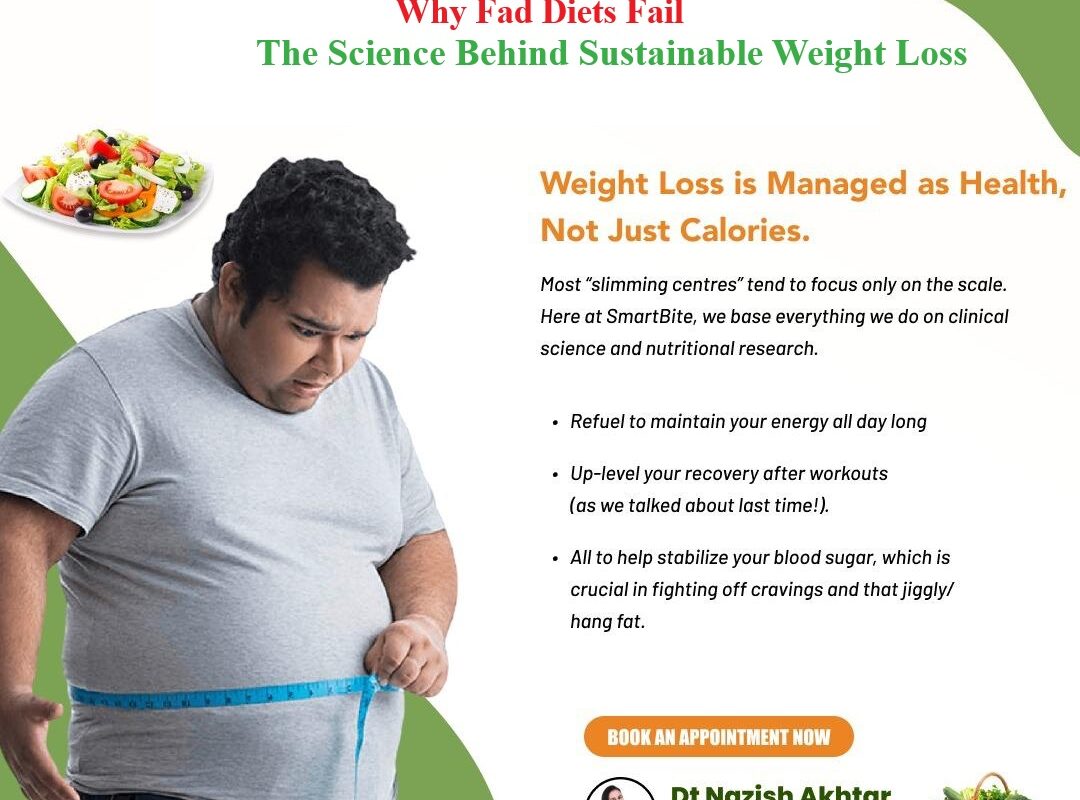
Weight Loss is Managed as Health, Not Just Calories.

Most “slimming centres” tend to focus only on the scale. Here at SmartBite, we base everything we do on clinical science and nutritional research.

Your path of discovery begins with a self-assessment. Our experts consider your medical history, daily activity levels, and specific food preferences (veg and non-veg diets) before offering you the right diet plan. We don’t just count calories, we count macros (protein, carbs, and fats) to:

  • Refuel to maintain your energy all day long at
  • Up-level your recovery after workouts (as we talked about last time!).
  • All to help stabilize your blood sugar, which is crucial in fighting off cravings and that jiggly/ hang fat.

This is the holistic mindset-guided approach, which differentiates between dieting and transforming a lifestyle permanently.

Programs: Custom-Tailored (Veg & Non-Veg Expertise)

We understand that not everyone can have a single diet plan, especially with the diverse food habits in India. Be it a bodybuilding diet plan, a non-veg diet plan, or a vegetarian diet plan, simply fill in the required details and get your personalized meal prepared by our experts, specific to your needs.

This extreme amount of personalization ensures your plan is never dull or limiting. It tastes like real food, and not “diet” food. When the meals taste great and are culturally familiar, it’s easy to be consistent, which is the only way to win the weight loss game.

Focus on Long-Term Education, Not Short-Term Fixes.

You don’t need a meal service in perpetuity. The most important thing about the SmartBite program is learning from our nutritionists. We are explaining to you the basics of how these meals work, portion sizes, and what to do when eating out or dealing with stressful periods of your life.

Our mission is straightforward: We want to make you an expert on your own body. By the time you reach the end of the personalised plan, you’ll have the knowledge and habits in place to keep off your new healthy weight for a lifetime. That is what we call a successful weight loss clinic. With SmartBite, you can look forward to a healthier, more confident future.

The Smart Choice in Akshayanagar

If you are a professional in Bangalore on the go and fed up with crash diets and short-term gains, stop searching for complex solutions. The perfect solution for weight loss? Lose Weight in the Comfort of Your Own Kitchen. The greatest weight loss principle is the one that brings expert knowledge and 100% guaranteed convenience directly to you!

SmartBite nutrition Akshayanagar brings you the best at your doorstep, innovative meal solutions that are customised by experts. Only SmartBite nutrition combines science-based customisation from a team of professional dietitians with their tasty, conveniently prepared meals – made fresh daily.

7-Day Diet Plan for Weight Loss & a Flat Stomach

7-Day Diet Plan for Weight Loss & a Flat Stomach

If you’ve been living a busy, demanding life, you know the struggle is real—you want to feel light, but heavy diets never fit your lifestyle. After coaching clients for more than a decade, I’ve learned one thing: the best plan is always the simplest one.

This 7-Day Reset Plan is designed to be easy to follow, stress-free, and effective. It focuses on two essentials:
1.Fat loss through clean, whole foods
2. Reducing bloating so you see and feel a flatter stomach fast

This isn’t about starving yourself—it’s about swapping processed foods for high-quality, real ingredients that leave you full, energized, and light. Many of my clients have used this exact plan successfully, and I’m confident it can work for you too.

The 3 Golden Rules of the Week

  1. Protein is Your Anchor
    Include a palm-sized portion of protein (veg or non-veg) in every major meal. It keeps cravings away, fuels muscles, and curbs hunger.
  2. Hydration is Your Anti-Bloat Trick
    Drink 2.5–3 litres of pure water daily. It flushes out sodium, reduces puffiness, and keeps your digestion smooth.
  3. No Refined Sugar
    Cut out packaged sweets, sodas, and juices. This alone helps shed water weight and makes you feel lighter.

Your Daily 7-Day Meal Format

Consistency is key. Stick to this simple schedule:

Hydrate First (Morning Ritual)

  • 1 glass of warm lemon water

Breakfast (7:30–8:30 AM) – High Protein Start

  • Veg: Vegetable poha/upma (low oil), paneer scramble, OR Greek yoghurt with fruit
  • Non-Veg: 2 boiled/scrambled eggs OR oats with 1 scoop whey protein

Mid-Morning (11:00 AM) – Energy Boost

  • 1 fresh fruit (apple/orange) OR a handful of raw nuts

Lunch (1:00–2:00 PM) – Fibre + Protein + Veggies

  • Veg: 2 petite rotis, a bowl of dal, and vegetable subzi
  • Non-Veg: 2 rotis, chicken/fish curry with vegetables + salad

Evening Snack (5:00–6:00 PM) – Appetite Control

  • 1 cup plain buttermilk OR sprout salad OR roasted chana

Dinner (7:30–8:30 PM) – Light & Protein-Focused

  • Veg: Big bowl of mixed soup + paneer/tofu
  • Non-Veg: Chicken/fish clear soup + steamed veggies

SmartBite Makes It Simple

Meal prep is the toughest part for working professionals in a fast-paced city like Bangalore. That’s where SmartBite Nutrition, Akshayanagar, comes in.

We deliver balanced, freshly prepared meals designed around this exact plan—whether veg or non-veg. No guesswork, no stress. Just convenient, nutrient-rich meals that support your weight loss and health goals.

Quick Q&A for Success

Q: Will I feel hungry on this diet?
A: No! It’s high in protein and fibre. If hunger strikes, drink water first, then have fruit or nuts.

Q: Can I still drink coffee?
A: Yes—but stick to black or with a splash of milk. No sugar, syrups, or cream.

Q: Why no heavy carbs at dinner?
A: At night, your body needs less fuel. A lighter, protein-rich dinner helps digestion and supports fat burning while you sleep.

Q: What if I cheat one day?
A: Don’t quit. Get back on track with your next meal. Progress comes from consistency, not perfection.

Boost athletic performance with personalized diet plans.

Boost athletic performance with personalized diet plans

Boost athletic performance with personalized diet plans

Introduction

Athletic events are thrilling not only because of the spectacle they present but also because of the immense talent and effort that goes into them. Whether it’s the cricketer who strikes a six, the runner who crosses the finish line, or the footballer who scores a goal—there is one very important and often overlooked factor behind the performance: nutrition.

Well-balanced nutrition is critical for athletes. As a football player or a professional athlete, the right diet is needed to perform at your best. Eating food that is not well-timed or not nutrition-based can make a player feel fatigued, distracted, or mentally sluggish. With proper nutrition, athletes can improve performance during competitions and recover faster afterwards.

This is why a precise, personalized diet plan works better than a general, one-size-fits-all approach. At SmartBite Nutrition Clinic, we design tailored diet programs based on the sport an athlete plays to help them reach peak performance.

1. The Importance of Personal Nutrition Plans

Imagine two athletes training side by side. One is a sprinter, specializing in short, intense bursts of activity. The other is a marathon runner, built for long-distance endurance. Would both require the same diet? Absolutely not.

  • The sprinter needs quick energy and muscle strength.

  • The marathon runner needs slow, steady energy and stamina.

A good diet plan considers:

  • Your physique (muscle and fat composition, metabolism)

  • Your sport type (strength vs endurance)

  • Your weekly training volume and intensity

  • Any medical conditions (low iron, vitamin deficiency, digestive issues)

Even slight imbalances can reduce efficiency and overall health—this is where professional guidance matters.

2. Carbohydrates – The Body’s Main Source of Energy

Carbohydrates are often blamed for weight gain, but for athletes, they are the primary fuel. Just as petrol powers a car, carbs power the body.

  • In a football or hockey game, carbs keep players running and active.

  • In weightlifting, carbs act as explosive fuel for heavy lifts.

Good sources: rice, oats, bread, fruits, potatoes, quinoa, vegetables.

👉 Example: A runner who eats pasta with vegetables before a race will have steady energy for the run. Skipping carbs could leave them exhausted midway.

3. Protein – The Repair and Strength Builder

During training, muscles develop tiny tears. Protein repairs them, helping muscles grow stronger.

  • Athletes need more protein than average individuals.

  • Best sources: eggs, chicken, fish, milk, beans, lentils, soy, nuts.

👉 Example: A weightlifter who eats protein-rich foods like eggs and milk after training recovers faster than one who relies only on bread.

Tip: Spread protein intake throughout the day for maximum recovery.

4. Healthy Fats – Long-Lasting Energy

Not all fats are bad. Healthy fats provide enduring energy and support hormone regulation—both crucial for performance and recovery.

Good fats: fish, avocado, nuts, seeds, olive oil.

👉 Example: A swimmer who eats nuts and fish regularly recovers faster and feels less sore after intense training.

5. Water and Electrolytes – The Overlooked Fuel

Many athletes plan meals but overlook hydration. Even slight dehydration lowers focus, energy, and strength.

  • Drink at least 6–8 glasses daily (more in hot weather).

  • Replace lost salts and minerals (sodium, potassium, magnesium).

  • Best options: coconut water, lemon water, electrolyte drinks.

👉 Example: Players who hydrate during matches avoid cramps, unlike those who neglect fluids.

6. Right Food at the Right Time

When you eat matters as much as what you eat.

  • Before exercise: light carbs + small protein (banana with peanut butter, yoghurt with fruit).

  • During long training: quick carbs (fruit, sports drink).

  • After exercise: carbs + protein (oats with milk, chicken with rice).

👉 Example: A footballer who skips recovery meals often feels sluggish the next day.

7. Supplements – Not Always Needed

Supplements can help, but random use may be harmful. They are only needed when food is insufficient.

  • Protein powders: useful if meals lack protein.

  • Iron: essential if tests show low levels.

  • Omega-3s: support joints and recovery.

At SmartBite Nutrition Clinic, we only recommend supplements if necessary.

8. Nutrition for the Mind

Sports require mental sharpness too.

  • Balanced meals prevent fatigue.

  • Leafy greens and nuts improve focus and memory.

  • Proper hydration enhances reaction time.

👉 Example: Even chess players benefit from a good diet, not just athletes in physical sports.

9. Advantages of Personalized Diet Plans

Athletes following personalized nutrition programs often see:

  • Greater endurance and energy

  • Faster recovery times

  • Improved strength and muscle gain

  • Fewer injuries and cramps

  • Better mental focus and confidence

FAQs on Athlete Nutrition

1. Do athletes need more protein than others?
Yes. Training breaks muscle fibres, and protein repairs them.

2. Are carbs bad for athletes?
No. Carbs are the main energy source—just focus on healthy ones.

3. Can dehydration affect performance?
Yes. Even mild dehydration reduces endurance, speed, and concentration.

4. Should all athletes take supplements?
No. They are only needed to fill diet gaps.

5. How do I know what diet is right for me?
By consulting a nutrition expert who studies your sport, body type, and lifestyle.

Final Thoughts

Training makes you stronger, but nutrition fuels both training and recovery. Without the proper diet, performance will always be limited. With a tailored nutrition plan, athletes can maximize strength, stamina, and focus.

At SmartBite Nutrition Clinic, we design simple, science-based diet plans that match an athlete’s sport, lifestyle, and body needs. These plans aren’t about restrictions—they’re about fueling for success.

X