Author Archives: Smart@2025

Understanding Eating Disorders – Professional Nutritional Support in Bangalore

In a world where “healthy eating” often turns into a stressful obsession, many people silently struggle with eating disorders conditions that affect not just the body, but also the mind and emotions. In cities like Bangalore, where fast-paced lifestyles and fitness trends collide, understanding and addressing these disorders through professional nutritional support has become more essential than ever.

At Smart Bite Nutrition, we believe that food is not the enemy our relationship with it simply needs to be healed. Let’s explore how eating disorders develop, how to recognize them, and how compassionate, expert guidance can help you rebuild a healthy connection with food and your body.

What Are Eating Disorders Really About?

Eating disorders are not merely about eating too much or too little they are complex psychological conditions that affect thoughts, emotions, and behaviors surrounding food.

The most common types include:

  • Anorexia Nervosa – An intense fear of gaining weight, leading to food restriction and extreme thinness.
  • Bulimia Nervosa – Cycles of binge eating followed by purging (through vomiting or over-exercising).
  • Binge Eating Disorder (BED) – Recurrent overeating episodes often accompanied by guilt or shame.
  • Orthorexia – An obsession with “clean” or “perfect” eating that can harm mental and physical health.

What makes these conditions particularly dangerous is that they often go unnoticed under the mask of “healthy discipline” or “fitness goals.”

Why Eating Disorders Are Rising in Bangalore

Bangalore’s dynamic urban culture has its perks innovation, opportunities, and access to modern lifestyles. But it also brings stress, social comparison, and unrealistic body expectations, especially among students, professionals, and fitness enthusiasts.

Add to that the influence of social media endless feeds of “perfect” bodies and diet trends and the result is a growing number of young men and women facing disordered eating patterns.

At Smart Bite Nutrition, our clients often come in thinking they just have “a bad relationship with food,” but upon professional assessment, deeper patterns emerge restriction, anxiety, guilt, or loss of control over eating habits. Recognizing these early is the first step to healing.

The Mind–Body Connection

You cannot separate nutrition from mental health. Eating disorders are often linked to low self-esteem, anxiety, or trauma. Healing, therefore, requires a holistic approach not just calorie counting or diet planning, but emotional and behavioural rehabilitation.

That’s where Smart Bite’s integrative nutrition therapy stands out. Our certified nutritionists and psychologists work hand-in-hand to:

  • Identify emotional triggers behind eating habits
  • Design personalized meal plans focused on nourishment, not restriction
  • Use mindful eating and body awareness techniques
  • Rebuild trust in food and self-image

This multi-dimensional healing model ensures long-term recovery and prevents relapse, a crucial aspect often missed in quick-fix diets or online programs.

What Professional Nutritional Support Looks Like

If you or a loved one is struggling, seeking help from a registered dietitian for eating disorders in Bangalore is one of the most empowering decisions you can make.

At Smart Bite Nutrition, we provide:

  • Comprehensive Assessments – Understanding medical history, emotional patterns, and lifestyle.
  • Personalized Nutrition Therapy – Balancing macro and micronutrients to restore health.
  • Meal Planning Support – Creating flexible plans that reduce anxiety around food.
  • Behavioral Counseling – Addressing fear foods, binge triggers, and negative self-talk.
  • Continuous Monitoring – Regular follow-ups to track progress, both physically and emotionally.
  • We believe in progress over perfection. Our goal isn’t to impose rules it’s to help you feel safe and confident around food again.

“Am I Struggling With an Eating Disorder?”

If you’ve ever thought…

  • “I feel guilty after eating.”
  • “I constantly check calories or weigh myself.”
  • “I avoid social gatherings because of food.”
  • “I exercise to punish myself for eating.”
    …then it may be time to seek professional guidance.

Remember: you don’t have to wait until things get severe. Early nutritional counseling can prevent eating disorders from escalating and help you rebuild balance and confidence.

Healing Starts with Compassion

Recovery from an eating disorder isn’t about following strict diets it’s about relearning self-compassion and trust. With the right support system, it’s absolutely possible to live a fulfilling, food-positive life.

At Smart Bite Nutrition Bangalore, we walk this journey with you step by step, meal by meal helping you restore not just physical health but emotional peace. Whether you’re recovering from binge eating, battling body image issues, or struggling to break restrictive eating patterns, you deserve support that understands your unique story.

Take the First Step

Healing begins when you decide to listen to your body, not fight it.
If you’re in Bangalore and looking for professional nutritional support for eating disorders, reach out to Smart Bite Nutrition today. Let’s work together to rebuild a relationship with food that’s rooted in nourishment, not fear.

Because at Smart Bite, we don’t just plan meals—we help you rediscover joy in eating.
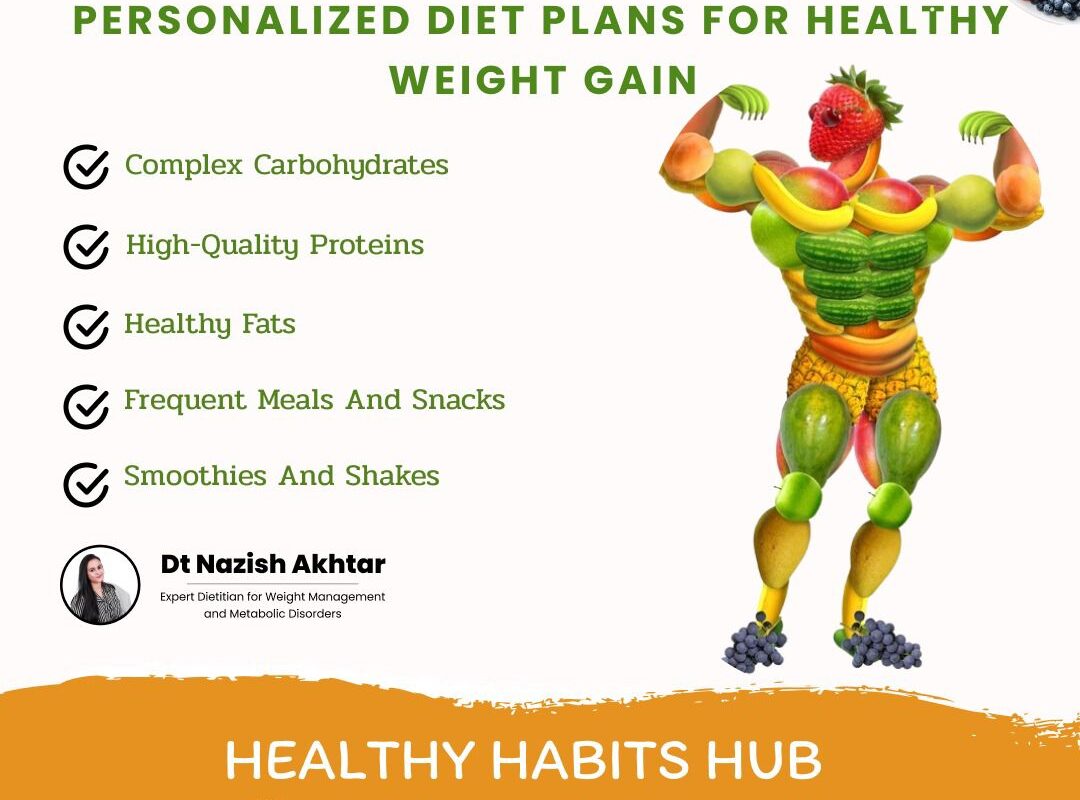
Personalized Diet Plans for Healthy Weight Gain

Personalized Diet Plans for Healthy Weight Gain

When it comes to nutrition, most discussions revolve around weight loss but what about those struggling to gain weight? For many people, healthy weight gain can be just as challenging, requiring a structured, science-backed approach rather than random eating.

If you’ve ever been told to “just eat more” but seen no real progress, you’re not alone. True, sustainable weight gain isn’t about overeating or consuming junk food it’s about nourishing your body with the right balance of calories, macronutrients, and micronutrients. That’s where personalized diet planning becomes essential.

Understanding Healthy Weight Gain

Healthy weight gain means building lean muscle and increasing strength, not just accumulating fat. This requires a caloric surplus consuming slightly more calories than your body burns while ensuring nutrient quality.

Common reasons people struggle to gain weight include:

  • High metabolism that burns calories rapidly
  • Poor appetite or irregular meals
  • Nutrient deficiencies (especially protein and essential fats)
  • Digestive issues affecting nutrient absorption
  • Stress or hormonal imbalance

A structured, personalized nutrition plan helps address these challenges, ensuring every meal contributes meaningfully to your health and strength goals.

Why Personalized Diet Plans Work Better

Generic “high-calorie diets” might help you gain weight temporarily, but they often lead to bloating, fatigue, and unhealthy fat gain. A personalized diet plan, on the other hand, is designed to fit your unique body composition, metabolism, and lifestyle.

Here’s why personalization matters

  • Calorie Accuracy: You get the right caloric surplus, not too little, not too much.
  • Macronutrient Balance : The plan maintains a healthy ratio of carbohydrates, proteins, and fats.
  • Food Preferences : It aligns with your taste, culture, and daily schedule.
  • Digestive Support : It includes foods that are easy to absorb and gut-friendly.
  • Sustainability : It helps you gain weight gradually and maintain it long-term.

At its core, personalized nutrition removes the guesswork and builds a system that works with your body, not against it.

What a Healthy Weight Gain Plan Should Include

A balanced weight gain diet focuses on nutrient-dense foods rather than just calorie-dense options. Here are the key components:

  1. Complex Carbohydrates : Carbs provide energy and help spare protein for muscle building. Opt for oats, rice, quinoa, whole grains, and starchy vegetables like sweet potatoes.
  2. High-Quality Proteins : Protein is vital for muscle repair and growth. Include eggs, chicken, paneer, tofu, legumes, and dairy products. Aim for 1.2–1.6g of protein per kg of body weight.
  3. Healthy Fats ; Good fats are calorie-rich and support hormone balance. Avocados, nuts, seeds, nut butters, olive oil, and ghee are excellent sources.
  4. Frequent Meals and Snacks : Instead of three large meals, go for 5–6 smaller ones to enhance nutrient absorption and prevent heaviness.
  5. Smoothies and Shakes : Blending fruits, milk, nut butter, and oats makes for convenient calorie boosts without feeling stuffed.
  6. Strength Training : Pairing your diet with resistance exercises ensures weight gain translates to lean muscle, not fat accumulation.
  7. Hydration and Rest : Adequate sleep and hydration are crucial for recovery, appetite regulation, and muscle growth.


Common Mistakes to Avoid

People often make these errors while trying to gain weight:

  • Skipping meals or relying on “fast-food calories”
  • Drinking too much caffeine (which reduces appetite)
  • Ignoring protein intake
  • Not tracking progress or portion sizes
  • Avoiding exercise altogether

Healthy weight gain is a strategic process, not a sprint. It’s about creating a consistent nutritional pattern your body can sustain for life.

When to Seek Professional Help

If you’re underweight despite eating well, or if digestive discomfort prevents you from gaining weight, consulting a qualified nutritionist can be transformative. Professionals use dietary analysis and metabolic assessment to tailor your calorie, protein, and micronutrient intake precisely to your needs.

They also address underlying issues like poor gut absorption, hormonal imbalance, or stress-related eating, which generic plans can never fix.

How Smart Bite Nutrition Can Help

At Smart Bite Nutrition Bangalore, we understand that gaining weight the healthy way requires both science and personalization. Our certified dietitian’s design customized weight gain plans that combine balanced nutrition, practical meal scheduling, and lifestyle guidance.

Our approach includes:

  1. In-depth dietary and body composition analysis
  2. Calorie and nutrient optimization for muscle gain
  3. Weekly progress tracking and flexible meal plans
  4. Gut-friendly food selection for better digestion
  5. Sustainable results through balanced nutrition

We’ve helped students, athletes, and working professionals in Bangalore achieve steady, healthy weight gain — without crash diets or unnecessary supplements.

If you’re ready to move beyond random eating and build a stronger, healthier version of yourself, connect with Smart Bite Dietitian in Bangalore today. Your journey toward confident, sustainable weight gain starts with one personalized plan, made just for you.

Obesity-Related Complications

Obesity-Related Complications: Causes, Risks, and Nutrition Solutions

In today’s fast-paced world, where convenience often takes precedence over conscious eating, obesity has emerged as one of the most significant global health challenges. It’s not merely about body weight or appearance obesity is a complex metabolic disorder that can lead to a range of serious health complications. Understanding its causes, associated risks, and evidence-based nutrition solutions can help you take proactive steps toward a healthier, more balanced life.

What Is Obesity?

Obesity is defined as an excessive accumulation of body fat that increases the risk of various diseases. Typically, a person with a Body Mass Index (BMI) of 30 or higher falls under the obesity category. However, BMI alone doesn’t tell the full story, body composition, fat distribution, and metabolic health are equally important.

While some degree of weight gain can be attributed to genetics or hormones, most obesity cases develop due to long-term calorie imbalance consuming more energy than the body expends over time.

Major Causes of Obesity

Obesity is rarely caused by a single factor. It results from a combination of biological, behavioral, and environmental influences:

Poor Dietary Habits – High intake of refined carbohydrates, sugary beverages, fried foods, and processed snacks significantly contributes to weight gain. These foods are calorie-dense but nutrient-poor.

Sedentary Lifestyle – Modern work culture and technology-driven leisure have reduced physical activity, slowing metabolism and encouraging fat accumulation.

Genetic and Hormonal Factors – Certain genes affect fat storage and appetite regulation. Hormonal imbalances, like hypothyroidism or PCOS, can also make weight management difficult.

Stress and Emotional Eating – Chronic stress elevates cortisol levels, promoting fat storage especially around the abdomen and triggers emotional eating habits.

Lack of Sleep – Inadequate sleep disrupts appetite-regulating hormones (ghrelin and leptin), leading to increased hunger and cravings for high-calorie foods.

Health Risks Associated with Obesity

Obesity impacts nearly every organ system in the body. It’s not just about appearance; it’s a serious medical condition that increases the risk of multiple chronic diseases:

  • Cardiovascular Diseases : High cholesterol and hypertension increase the risk of heart attack and stroke.
  • Type 2 Diabetes : Insulin resistance caused by excess fat leads to elevated blood sugar levels.
  • Joint Problems : Additional body weight strains bones and joints, leading to osteoarthritis.
  • Sleep Apnea : Fat deposits around the neck can obstruct airways during sleep.
  • Fatty Liver Disease : Obesity is a major cause of non-alcoholic fatty liver disease (NAFLD).
  • Certain Cancers : Increased body fat is linked to higher risks of breast, colon, and pancreatic cancers.
  • Mental Health Issues : Depression, anxiety, and poor self-esteem often accompany obesity, forming a harmful cycle of emotional eating.

Nutrition Solutions for Managing Obesity

While obesity management may seem daunting, targeted nutrition interventions can bring remarkable improvements in both weight and metabolic health. Rather than quick fixes or crash diets, the focus should be on sustainable lifestyle transformation.

Balanced Caloric Intake

Effective weight loss begins with creating a moderate caloric deficit eating slightly fewer calories than you burn, without depriving your body.

Macronutrient Optimization

  • Protein: Supports muscle mass, reduces hunger, and boosts metabolism.
  • Fiber: Found in fruits, vegetables, and whole grains, it improves digestion and promotes satiety.
  • Healthy Fats: Sources like olive oil, nuts, and seeds improve heart health and hormone balance.

Mindful Eating Practices

Eat slowly, avoid distractions, and listen to your body’s hunger cues. This helps prevent overeating and builds a positive relationship with food.

Hydration and Meal Timing : Adequate water intake aids digestion and reduces false hunger signals. Regular meal timings help regulate blood sugar and metabolism.

Limit Processed Foods and Sugars : Cutting back on sugary drinks, desserts, and fried items can dramatically reduce calorie overload and inflammation.

Consistency Over Perfection : Sustainable progress comes from small, consistent changes not extreme restrictions. Long-term habits always outperform short-term diets.

Lifestyle Support Beyond Nutrition

In addition to diet, regular physical activity, quality sleep, and stress management are critical. A combination of cardio, strength training, and flexibility exercises enhances metabolism and preserves lean muscle during weight loss.

Stress management techniques such as yoga, meditation, or mindful breathing can lower cortisol levels and reduce emotional eating triggers.

Smart Bite Nutrition: Your Partner in Sustainable Weight Management

At Smart Bite Best Dietitian in Bangalore, we believe that managing obesity isn’t just about counting calories it’s about understanding your body’s unique needs. Our personalized nutrition programs focus on balancing hormones, improving metabolism, and restoring overall wellness.

With Smart Bite’s expert dieticians, you receive:

  • Customized diet plans tailored to your goals, health history, and preferences
  • Metabolic assessments to identify underlying causes of weight gain
  • Evidence-based strategies for sustainable fat loss
  • Gut-friendly and anti-inflammatory food recommendations
  • Ongoing guidance, motivation, and accountability

Our mission is to help you regain control of your health not through temporary diets, but through lasting nutrition transformation. Whether you’re dealing with hormonal weight gain, emotional eating, or lifestyle-induced obesity, Smart Bite Nutrition Bangalore provides holistic, result-oriented care that truly works.

Obesity is not just about body weight it’s about overall wellness. With the right combination of nutrition science, mindful eating, and professional guidance, you can take back control of your health. Small, consistent steps today can lead to a lifetime of vitality tomorrow.

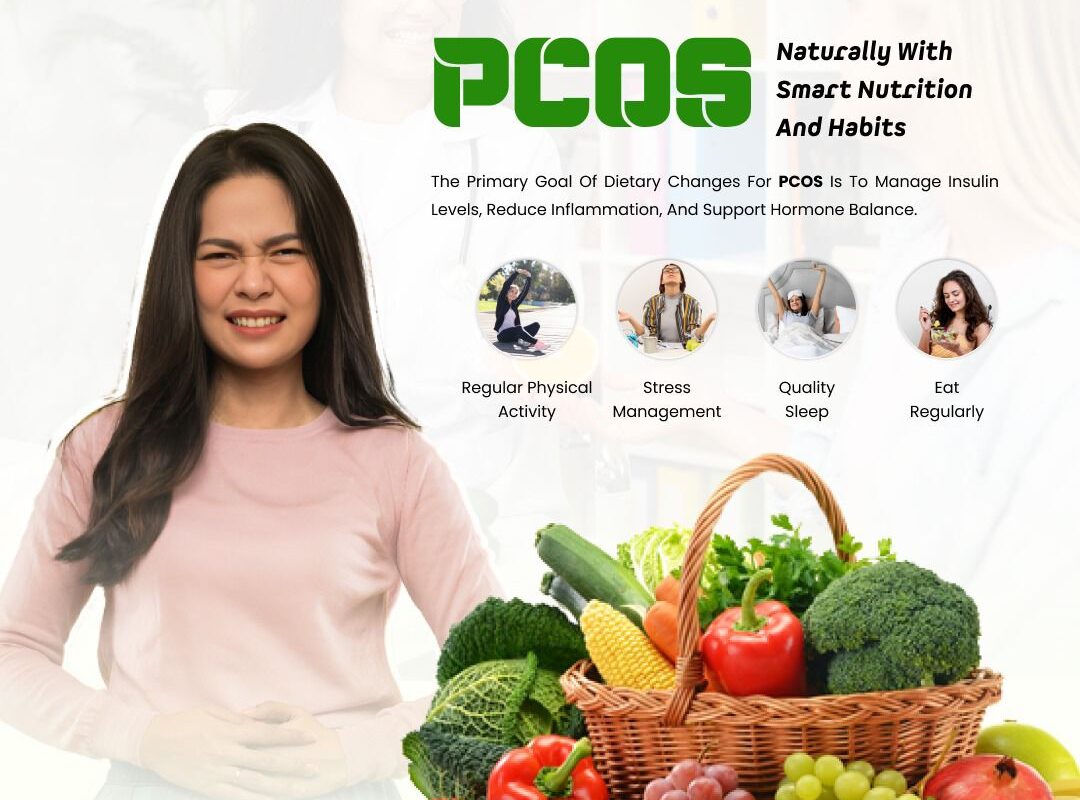
Can Diet Help Improve Fertility in PCOS

Can Diet Help Improve Fertility in PCOS?

For ambitious, high-performing women, juggling demanding schedules and personal goals often leaves little room to focus on reproductive health. But if you’re navigating polycystic ovary syndrome (PCOS) and struggling with fertility, it’s important to understand this: Diet isn’t just fuel, it’s your most strategic fertility tool  . The right nutrition can rebalance hormones, regulate cycles, and enhance your body’s natural fertility without turning your life upside down.

This isn’t about restrictive diets or endless meal prep. It’s about   precision nutrition  ,   functional foods  , and   executive-friendly strategies   designed to work with your body not against it.

Why PCOS Impacts Fertility ?

PCOS is one of the most common causes of infertility in women of reproductive age. At its core, it’s a   hormonal and metabolic disorder   marked by irregular ovulation, elevated Androgens, and insulin resistance. These factors disrupt the natural rhythm of the menstrual cycle, making conception more challenging.

  • Insulin resistance:  One of the biggest drivers of PCOS. Elevated insulin can trigger excess androgen production, which interferes with ovulation.
  • Chronic inflammation: Low-grade inflammation is common in PCOS and can impair egg quality and implantation.
  • Hormonal imbalance: Elevated androgens disrupt the normal release of Follicle-stimulating hormone (FSH) and Luteinizing hormone (LH), affecting fertility.

The good news? Nutrition can address many of these root causes, naturally boosting fertility.

The Fertility Nutrition Blueprint for High-Performing Women

You don’t need to overhaul your entire life to see results. Think of this as a   premium, precision approach efficient, elegant, and evidence-based.

  1. Balance Blood Sugar Like a CEO

When insulin is stable, hormones fall into rhythm. Start by pairing   complex carbohydrates   with   protein and healthy fats   in every meal. This stabilises energy levels and supports ovulation.

Executive-friendly swaps:

  •   Replace refined carbs with quinoa, buckwheat, or steel-cut oats.
  •   Pair coffee with a high-protein breakfast (think smoked salmon on sourdough with avocado).
  •   Opt for smart snacks like Greek yogurt with chia seeds or almond butter on apple slices.
  1. Incorporate Fertility-Boosting Superfoods

Certain functional foods act like hormonal reset buttons.

  •     Omega-3 rich foods like salmon, chia, and walnuts support egg quality and reduce inflammation.
  •     Dark leafy greens   are rich in Folate, essential for healthy ovulation and implantation.
  •     Berries   are packed with antioxidants that protect eggs from oxidative stress.
  •     Adaptogens   such as Ashwagandha and Maca root may help regulate cortisol and support hormonal balance (consult your doctor before use).

Pro tip:  Keep pre-portioned superfoods in your pantry or office drawer. They fit seamlessly into a high-performance lifestyle.

  1. Harness the Functional Medicine Approach

Instead of treating symptoms, functional nutrition targets root causes like inflammation, gut imbalance, and insulin dysregulation.

  • Support your gut:   A healthy gut microbiome enhances estrogen metabolism and reduces inflammation. Add fermented foods like kimchi, kefir, or sauerkraut.
  • Manage inflammation:   Include turmeric, extra virgin olive oil, and green tea daily.
  • Time your meals strategically:   Avoid skipping meals or long fasting windows that can spike cortisol.

This strategic approach allows your body to work in sync with your busy lifestyle, rather than demanding rigid, time-consuming routines.

  1. Create Luxurious, Time-Efficient Meal Rituals

Nutrition shouldn’t feel like a burden. Elevate your meals into rituals that fit your ambition and pace.

Sample executive-friendly fertility day:

  • Breakfast:   Chia pudding with berries, almond butter, and flaxseeds.
  • Lunch:   Grilled salmon bowl with quinoa, avocado, and mixed greens.
  • Snack:   Matcha latte with adaptogens.
  • Dinner:   Roasted vegetables, lean protein, and olive oil drizzle.

This isn’t just fertility nutrition, it’s nourishment that   supports energy, focus, and hormonal harmony  .

When to Seek Support

If you’ve been following a balanced diet and still find fertility elusive, professional support may help. Working with a nutritionist, functional medicine practitioner, or fertility specialist can help personalize your strategy. Some women may also need medical support to address underlying hormonal or metabolic factors.

 Fertility Meets High Performance

As a high-achieving woman, your time and energy are precious. You don’t need restrictive plans or complicated routines. What you need is   a smart, strategic nutrition blueprint  designed to optimize hormones, support ovulation, and enhance fertility naturally.  PCOS does not define your fertility.   By aligning your diet with your biology and lifestyle, you can take back control elegantly, effectively, and on your terms.


Managing Gastrointestinal Disorders – Heal Your Gut Naturally

Managing Gastrointestinal Disorders – Heal Your Gut Naturally

Our digestive system plays a far greater role in our overall health than most people realize. From breaking down food and absorbing nutrients to supporting immunity and hormone regulation, the gut is the body’s foundation for balance and vitality. Yet, modern lifestyles marked by fast food, stress, and irregular sleep have made gastrointestinal (GI) disorders one of the most common health challenges of our time.

The good news? Most digestive problems can be managed and even reversed with timely intervention, mindful eating, and sustainable nutrition.

Understanding Gastrointestinal Disorders

Gastrointestinal disorders encompass a wide range of conditions that affect the digestive tract, including the stomach, intestines, liver, and colon. These may be short-term (like food poisoning) or chronic (like Irritable Bowel Syndrome or acid reflux).

Some of the most common GI disorders include:

  • Irritable Bowel Syndrome (IBS) – Causes alternating constipation and diarrhea, bloating, and abdominal discomfort.
  • Gastroesophageal Reflux Disease (GERD) – Occurs when stomach acid repeatedly flows back into the esophagus, causing heartburn.
  • Gastritis – Inflammation of the stomach lining, often due to infections, medications, or stress.
  • Constipation and Bloating – Caused by poor hydration, lack of fiber, or imbalanced gut flora.
  • Food Intolerances – Sensitivity to foods like lactose, gluten, or certain fermentable carbs (FODMAPs).

These conditions may seem mild initially, but if ignored, they can lead to nutrient deficiencies, inflammation, and poor immune function over time.

The Link Between Gut Health and Overall Well-Being

Your digestive tract is home to trillions of bacteria collectively known as the gut microbiome. This complex ecosystem influences everything from metabolism to mood. When the microbiome becomes imbalanced (a state called dysbiosis), it can trigger digestive discomfort, fatigue, and even anxiety.

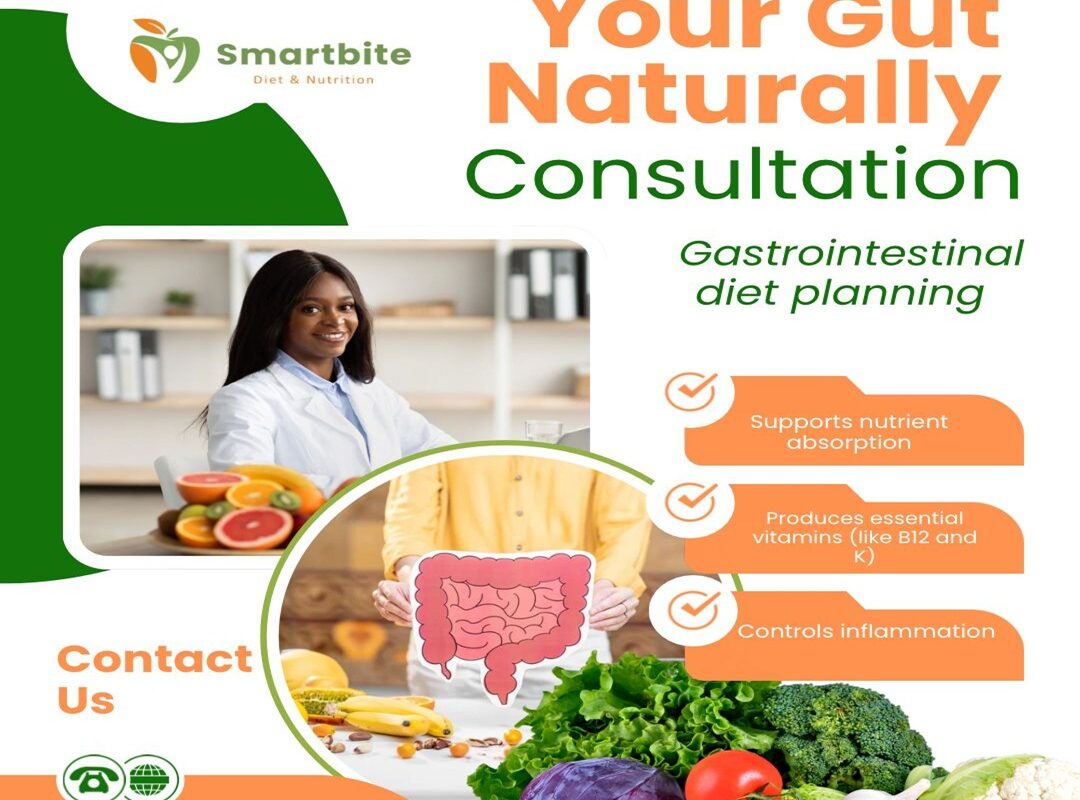
A healthy gut:

  • Supports nutrient absorption
  • Produces essential vitamins (like B12 and K)
  • Regulates mood via the gut-brain axis
  • Strengthens immunity
  • Controls inflammation

That’s why addressing gut health is not just about digestion, it’s about improving whole-body wellness.

Simple Steps to Improve Gut Health

Managing gastrointestinal issues doesn’t always require extreme diets or medication. Often, it’s about making small, consistent lifestyle changes that promote balance and healing.

Here are some evidence-based ways to support your digestive health:

Eat Fiber-Rich Foods : Include plenty of fruits, vegetables, whole grains, and legumes. Fiber helps maintain regular bowel movements and feeds beneficial gut bacteria.

Stay Hydrated : Water aids digestion and prevents constipation. Aim for at least 2–3 liters daily, adjusting based on activity and climate.

Practice Mindful Eating : Chew food slowly, eat in a calm environment, and listen to your hunger cues. Rushed meals can lead to poor digestion and bloating.

Manage Stress : Chronic stress alters gut motility and increases acid production. Incorporate breathing exercises, yoga, or short walks after meals.

Include Probiotics and Prebiotics : Fermented foods like yogurt, kefir, and kimchi help maintain a healthy microbiome. Prebiotics (like oats, garlic, and bananas) feed good bacteria.

Limit Processed Foods and Caffeine : Highly processed foods, alcohol, and excessive caffeine can irritate the gut lining and trigger acidity or reflux.

Track Food Reactions : Maintain a food diary to identify foods that worsen your symptoms. A nutrition professional can help interpret these patterns.

When to Seek Professional Help

If symptoms like heartburn, constipation, or abdominal pain persist for more than a few weeks, it’s best to consult a healthcare or nutrition expert. Chronic GI issues should never be self-diagnosed professional dietary assessment can uncover underlying triggers and guide personalized interventions.

Early management can prevent complications such as ulcers, nutrient malabsorption, or chronic inflammation.

Nutrition: The Cornerstone of Gut Healing

Your gut lining regenerates every few days meaning that the food you eat directly influences your recovery. A balanced, anti-inflammatory diet rich in whole foods, antioxidants, and omega-3 fatty acids supports gut repair and microbiome diversity.

Scientific studies consistently show that personalized meal plans rather than generic diets produce the best outcomes for long-term digestive health.

How Smart Bite Nutrition Can Help

At Smart Bite Nutrition, Bangalore, gut health is one of our key areas of expertise. Our certified nutritionists combine science, empathy, and personalization to help clients overcome chronic digestive issues through evidence-based nutritional therapy.

Our approach includes: 

  • Comprehensive dietary and symptom analysis
  • Personalized meal planning for conditions like IBS, acidity, and gastritis
  • Gut microbiome-friendly food strategies
  • Lifestyle and stress management techniques
  • Continuous progress tracking and support

Whether you’re struggling with bloating, acid reflux, or unpredictable digestion, Smart Bite’s gut-healing programs are designed to help you identify triggers, rebalance your microbiome, and restore confidence in your body naturally and sustainably.

If you’re in Bangalore and ready to heal your gut from within, book a consultation with Smart Bite Nutrition today. Because a healthy gut isn’t just about food it’s about feeling good, every single day.

Easy Meals That Help Postpartum Moms Lose Weight Without Cooking Separately

Reimagining Postpartum Nutrition for the Modern Mother

For many new mothers, the postpartum phase brings a profound shift in priorities nurturing the newborn often takes precedence over self-care. Between sleepless nights, feeding schedules, and the pressures of returning to work, preparing separate diet meals can feel impossible. At Smart Bite Nutrition, we understand this reality and design integrated meal strategies that enable postpartum mothers to lose weight safely while sharing the same food as their families.

The key lies not in restrictive dieting, but in strategic meal composition balancing macronutrients, controlling portion sizes, and incorporating nutrient-dense foods that support lactation, recovery, and metabolism simultaneously.

  1. Balanced Breakfasts That Energies the Day

A well-structured breakfast sets the metabolic tone for the day. Instead of sugary or refined options, Smart Bite Nutrition recommends fiber-rich and protein-focused choices such as:

  • Oats upma with vegetables or moong dal chilla – providing slow-release carbohydrates and plant-based protein.
  • Ragi porridge with nuts and seeds – a calcium-rich option that promotes bone health and sustained energy.
  • Greek yogurt parfait with fresh fruit and chia seeds – supporting gut health and hydration.

Smart Bite Insight: Incorporating nuts, seeds, and dairy improves healthy fat intake, vital for hormonal balance and steady milk supply.

  1. One-Pot Lunches that Nourish and Simplify

Family meals can easily double as balanced postpartum options with minor modifications.

  • Vegetable dal khichdi or brown rice with dal and sabzi offer an ideal mix of carbohydrates, protein, and fiber.
  • Quinoa or millet pulao can replace white rice for enhanced satiety and mineral density.
  • Grilled chicken or tofu with steamed vegetables adds lean protein to sustain energy and aid tissue repair.

Smart Bite Insight: Use minimal oil, include herbs like turmeric and cumin for digestion, and maintain moderate ghee use for postpartum recovery.

  1. Evening Meals for Metabolic Support

Dinner should be light, protein-oriented, and easy to digest.

  • Lentil soups, stir-fried vegetables, or paneer wraps are ideal.
  • Replace refined carbs with whole grains or legumes to regulate blood sugar and prevent late-night cravings.

Smart Bite Insight: Avoid skipping meals, controlled, consistent eating maintains hormonal equilibrium and supports steady weight loss.

  1. Smart Snacking for Sustained Energy

Mid-meal options like roasted chickpeas, nuts, makhana, or fruit smoothies with oats curb hunger between meals without excess calories.

The Smart Bite Nutrition Perspective

At Smart Bite Nutrition, weight loss nutrition is approached holistically focusing on restoration, resilience, and long-term health rather than rapid weight loss. Every plan is scientifically structured to ensure that lactating mothers meet their caloric and micronutrient requirements while achieving gradual, sustainable fat loss.

By adopting these simple, family-inclusive meals, mothers can reclaim their strength, maintain milk production, and manage weight effectively all without cooking separately.

Because at Smart Bite Nutrition, we make nourishment practical, evidence-based, and achievable for every modern mother.

After delivery, eating the right food is very important for recovery and baby care. A healthy postpartum dinner should be light, nourishing, and easy to digest. Many mothers prefer simple postpartum recipes and traditional postpartum food recipes Indian style. Homemade meals and healthy Indian snacks for breastfeeding moms help improve energy, support milk supply, and keep the body strong during the healing period.

Postpartum Constipation Relief with Expert Nutrition T

Postpartum Constipation Relief with Expert Nutrition Tips – Smart Bite Nutrition Bangalore

Understanding Postpartum Constipation

Constipation is one of the most common, yet least discussed challenges faced by new mothers. The hormonal fluctuations following childbirth, iron supplements, reduced physical activity, dehydration, and post-delivery medications can all slow digestion. Add to that the physical discomfort from stitches or surgery, and even simple bowel movements can feel overwhelming.

At Smart Bite Nutrition Bangalore, we remind mothers that postpartum constipation is not a sign of poor health, but rather a natural physiological response that can be managed effectively through smart nutrition, hydration, and gentle lifestyle adjustments.

Why Does Constipation Occur After Delivery?

The postpartum phase brings significant changes in digestion and metabolism. Some of the leading causes include:

  • Hormonal shifts: Reduced progesterone levels post-delivery slow intestinal movement.
  • Pain medications: Post-surgical drugs and iron supplements may cause digestive sluggishness.
  • Limited mobility: Recovery periods often reduce physical activity, affecting bowel motility.
  • Dehydration: Breastfeeding increases fluid demands, often leaving mothers under-hydrated.

Recognizing these triggers helps in designing a targeted nutritional approach that supports both gut health and lactation.

Smart Bite Nutrition Tips for Postpartum Constipation Relief

  1. Prioritize Hydration

Adequate water intake is essential for bowel regularity. Aim for 3–3.5 liters daily, including soups, coconut water, or infused water. Hydration also supports breast milk production.

  1. Increase Fiber Gradually

Introduce whole grains, oats, lentils, beans, fruits, and vegetables into every meal. Fiber softens stool and promotes healthy bowel movement.
Smart Bite Tip: Add flaxseeds or soaked chia seeds to morning smoothies for extra soluble fiber.

  1. Focus on Gut-Friendly Foods

Fermented foods such as curd, kefir, idli, or sauerkraut replenish beneficial gut bacteria and enhance digestion.

  1. Moderate Iron Intake

If iron supplements are causing discomfort, discuss dosage adjustments or alternate formulations with your healthcare provider.

  1. Move Mindfully

Gentle postpartum yoga, pelvic tilts, or short walks stimulate bowel activity and relieve bloating safely.

  1. Include Healthy Fats

Natural fats like avocado, ghee, olive oil, and nuts lubricate the intestines and ease stool passage — vital for postpartum recovery.

The Smart Bite Nutrition Approach

At Smart Bite Nutrition Bangalore, we create individualized postpartum meal plans that combine clinical nutrition with real-life practicality. Our focus is to help new mothers:

  • Maintain digestive comfort
  • Support lactation
  • Regain energy and balance

Every plan is designed around local, accessible foods, ensuring sustainability and long-term wellness.

Postpartum weight loss recovery is not just about healing, it’s about restoring comfort and confidence from within. With mindful nutrition and consistent care, your body can return to its natural rhythm.

Partner with Smart Bite Nutrition Bangalore to embrace expert-led postpartum nourishment and sustainable gut health.


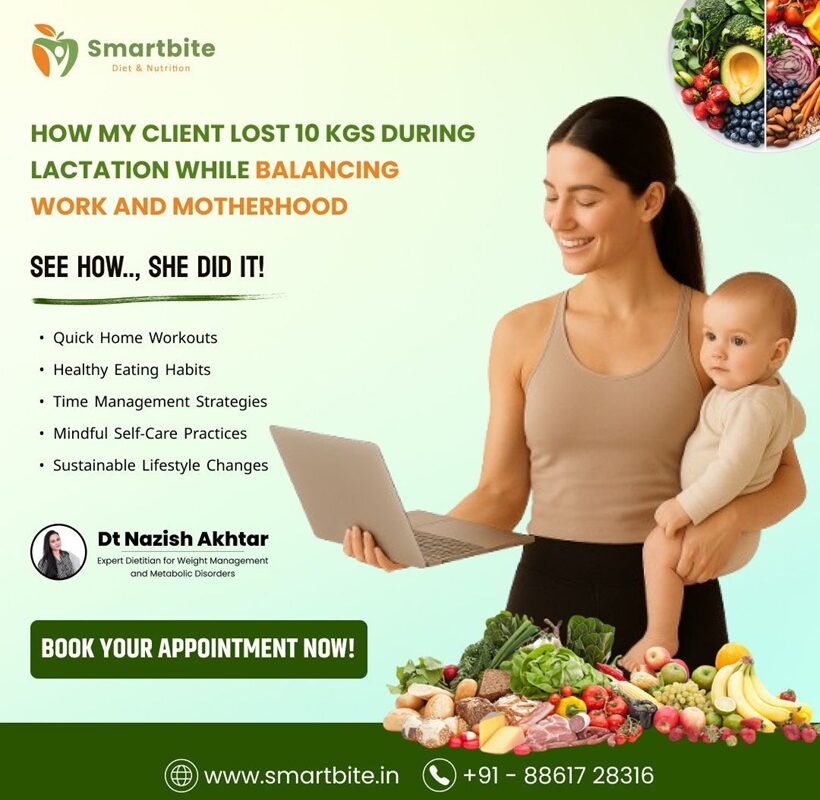
Lost 10 Kgs During Lactation While Balancing Work

How My Client Lost 10 Kgs During Lactation While Balancing Work and Motherhood

The Real Struggle: When Motherhood Meets Metabolism

When my client, joined Smart Bite Nutrition, she was six months postpartum, breastfeeding exclusively, and trying to balance her baby’s sleep schedule with her demanding work-from-home routine. Like many new mothers, she felt stuck, exhausted, craving sugar, and unsure how to lose weight without affecting her milk supply.

Her goal was simple: to feel strong again.

And at Smart Bite Nutrition, we knew that sustainable weight loss during lactation is possible but only when done with precision, patience, and proper nourishment.

Step 1: Fuel to Heal – Not Starve

At Smart Bite Nutrition, we start with restoring balance because deprivation doesn’t work for breastfeeding moms. Aisha’s personalized postpartum meal plan included:

  • Whole grains like oats and millets for slow energy release.
  • Lean proteins like eggs, lentils, and tofu to maintain muscle mass and milk flow.
  • Healthy fats such as nuts, seeds, and ghee for hormonal health.

We focused on nourishing over restricting. She ate every 3–4 hours, stayed hydrated, and used lactation-boosting foods like fenugreek and flaxseed to support milk production.

Step 2: Smart Workouts, Not Burnouts

Since Aisha barely had 30 minutes a day, we designed Smart Bite’s “Mom Fit Routine”, short, targeted sessions combining low-impact workouts, resistance bands, and mindful movement.

  • 20-minute strength circuits to tone the body.
  • Gentle yoga for posture correction.
  • Evening stroller walks to boost metabolism.

This approach helped her stay consistent while balancing work and baby duties.

Step 3: The Mindset Makeover

At Smart Bite Nutrition, we believe transformation starts with mindset. Aisha learned to celebrate progress, not perfection. With weekly check-ins and flexible meal adjustments, she stayed motivated without feeling pressured.

Within five months, she lost 10 kilograms, regained her confidence, and most importantly maintained a healthy milk supply for her baby.

The Smart Bite Takeaway

Losing weight during lactation isn’t about chasing numbers, it’s about honoring your body’s needs. With the right guidance, balanced nutrition, and sustainable routines, you can thrive as a working mom and feel your best again.

If you’re a new mother looking to balance work, wellness, and lactation, let Smart Bite Nutrition guide you through a personalized postpartum journey where nourishment meets results

How to Fix Your Postpartum Belly

How to Fix Your Postpartum Belly: Simple Moves to Heal Diastasis Recti

Understanding the Postpartum Belly

After childbirth, many women notice that their abdomen still appears bloated or protruded, even months later. This is often not due to residual fat but a condition known as diastasis recti, the partial or complete separation of the abdominal muscles that occurs as the uterus expands during pregnancy.

At Smart Bite Nutrition, we emphasize that a postpartum belly is not a sign of failure it’s a physiological response to pregnancy and childbirth. With the right approach, diastasis recti can be healed naturally through targeted exercises, proper nutrition, and body awareness.

What Causes Diastasis Recti?

During pregnancy, the growing uterus stretches the connective tissue (linea alba) that joins the left and right abdominal muscles. Post-delivery, this gap may remain if the tissue doesn’t fully recover, often exacerbated by:

  • Rapid or multiple pregnancies
  • Improper postpartum exercises
  • Poor posture or core instability
  • Chronic coughing or constipation

Symptoms include a visible midline bulge, lower back pain, weak core, and a sense of instability in the abdominal region.

Safe and Effective Moves to Heal Diastasis Recti

At Smart Bite Nutrition, we recommend a gradual, restorative approach focusing on deep core activation rather than high-intensity workouts.

  1. Diaphragmatic Breathing (Belly Breathing)
    Lie on your back with knees bent. Inhale deeply, allowing your abdomen to rise, then exhale and gently draw your navel toward your spine.
    Benefits: Strengthens the transverse abdominis and improves oxygen flow.
  2. Pelvic Tilts
    Engage your lower abs and tilt your pelvis slightly upward while lying on your back.
    Benefits: Improves core control and posture.
  3. Heel Slides
    Slide one heel forward while maintaining abdominal tension, then return.
    Benefits: Rebuilds coordination between pelvic and abdominal muscles.
  4. Modified Side Planks or Wall Planks
    Start with gentle variations, focusing on form and stability rather than endurance.
  5. Bridge Pose with Core Engagement
    Lift hips off the ground while drawing the belly inwards avoid bulging of the abdomen.

Smart Bite Tip: Avoid crunches, sit-ups, or heavy lifting early on these can worsen the separation.

Nutritions Role in Healing

A well-balanced postpartum diet, guided by Smart Bite Nutrition, accelerates recovery. Include:

  • Protein-rich foods (lentils, eggs, fish, tofu) for muscle repair.
  • Vitamin C and zinc for collagen regeneration.
  • Omega-3 fats for reducing inflammation and supporting hormonal balance.


The Smart Bite Perspective

Healing your postpartum belly is not just about aesthetics it’s about restoring core strength, confidence, and functionality. At Smart Bite Nutrition, our holistic programs combine customized lactation-safe meal plans, pelvic floor strengthening, and guided recovery exercises to help mothers rebuild from within.

Your body carried life, now it deserves mindful restoration. With consistency and expert guidance, your core can be strong, stable, and beautifully resilient again.

How Busy Professionals Can Lose 8–12 Kgs and Reverse High Sugar Levels in 90 Days

If you’re between 45 and 55, juggling work, family, and endless responsibilities, weight gain and fluctuating blood sugar can feel like a daily battle. Whether you’re a working professional or a homemaker, struggling with belly fat, type 2 diabetes, pre-diabetes, or metabolic syndrome, here’s some good news: you don’t need to starve yourself or spend hours at the gym to see results.

A structured, science-backed 90-day lifestyle program by expert dietitians in Bangalore can help you lose 8–12 kgs and reverse high sugar levels naturally with guaranteed transformation or extended support free.

Why Weight Gain and High Sugar Become Harder to Manage After 45

As we age, our metabolism naturally slows down. Add to that hectic schedules, irregular meals, stress, and sedentary habits — and the result is rising blood sugar, stubborn belly fat, and chronic fatigue.

Here’s what’s happening beneath the surface:

  • Insulin resistance: Your body becomes less efficient at using glucose for energy, leading to high sugar levels.
  • Hormonal changes: Lower Estrogen and Testosterone levels affect fat distribution and energy.
  • Inflammation: Chronic low-grade inflammation makes weight loss and sugar control more difficult.
  • Muscle loss: Reduced lean muscle mass lowers metabolic rate, making it easier to gain weight even on a normal diet.

A nutritionist for diabetes management understands these age-related changes and creates food plans that support better metabolic health and blood sugar balance.

The 90-Day Blueprint: Lose Weight and Stabilize Sugar Naturally

This isn’t about quick fixes or crash diets. It’s a structured, evidence-based plan designed by leading dietitians in Bangalore — tailored specifically for men and women over 45 to support blood sugar control, metabolic reset, and sustainable fat loss.

  1. Smart Nutrition, Not Starvation

Crash diets cause sugar spikes and energy crashes. Instead, we focus on balanced, blood-sugar-friendly meals that nourish your body and help reverse insulin resistance.

Core principles:

  • Eat low-glycemic index foods to stabilize sugar levels.
  • Priorities lean protein (fish, eggs, lentils, paneer) to preserve muscle mass.
  • Add healthy fats like avocado, nuts, and olive oil for satiety.
  • Avoid processed carbs, refined sugar, and packaged snacks.

Example day:

  • Breakfast: High-protein vegetable omelette + green tea
  • Lunch: Grilled chicken/fish or tofu with quinoa and sautéed veggies
  • Snack: Nuts + Greek yogurt
  • Dinner: Light soup, salad, and protein source

A diabetes dietitian in Bangalore ensures your diet plan keeps your blood sugar stable while supporting healthy weight loss.

  1. Gentle Movement That Fits Your Schedule

You don’t need intense workouts or expensive gym memberships. What matters is consistent, low-impact activity that improves insulin sensitivity and supports a healthy metabolism.

Practical options for busy lifestyles:

  • 20–30 minutes of brisk walking after meals
  • Light strength training 2–3 times a week
  • Stretching or yoga to reduce stress hormones

Even short, 10-minute movement breaks between work calls can have a measurable impact on blood sugar levels and energy.

  1. Sleep, Stress & Hormone Reset

Poor sleep and chronic stress are silent sugar saboteurs. Elevated cortisol levels can spike blood sugar and make fat loss harder.

Quick resets:

  • Follow a consistent sleep schedule (7–8 hours/night).
  • Add 5-minute deep breathing or meditation to lower cortisol.
  • Schedule “digital sunset” time to reduce nighttime stress.

These lifestyle tweaks recommended by metabolic health experts amplify fat loss and support hormone balance naturally.

  1. Real Results With Accountability & Support

Many people know what to do but struggle to stay consistent. That’s why structured programs with expert dietitian support can make a massive difference.

  • Personalized nutrition guidance
  • Weekly progress tracking
  • Stress and lifestyle optimization
  • Guaranteed transformation or extended support free

The result? 8–12 kgs weight loss, lower HbA1c levels, better energy, and renewed confidence — all in 90 days.

Why This Works — Even When Other Diets Fail

Most conventional plans fail because they’re built for short-term results, not hormonal realities after 45. This approach works because it:

  • Targets insulin resistance, not just calorie control
  • Preserves muscle mass for a faster metabolism
  • Stabilises hormones naturally
  • Fits seamlessly into busy professional schedules

This isn’t a diet — it’s a complete metabolic reset plan developed by a qualified nutritionist for diabetes and weight loss in Bangalore.

Your Transformation Starts Now

If you’ve struggled with weight gain, belly fat, fatigue, or high blood sugar, know this: it’s not about discipline — it’s about the right strategy.

By focusing on balanced nutrition, simple movement, stress management, and expert accountability, men and women aged 45–55 can reverse high sugar levels, lose excess weight, and regain vitality without crash diets or punishing workouts.

Your health is your greatest investment. Start your 90-day metabolic reset today with expert guidance from a Diabetes Dietitian in Bangalore and step into a lighter, stronger, more energetic version of yourself.


X