
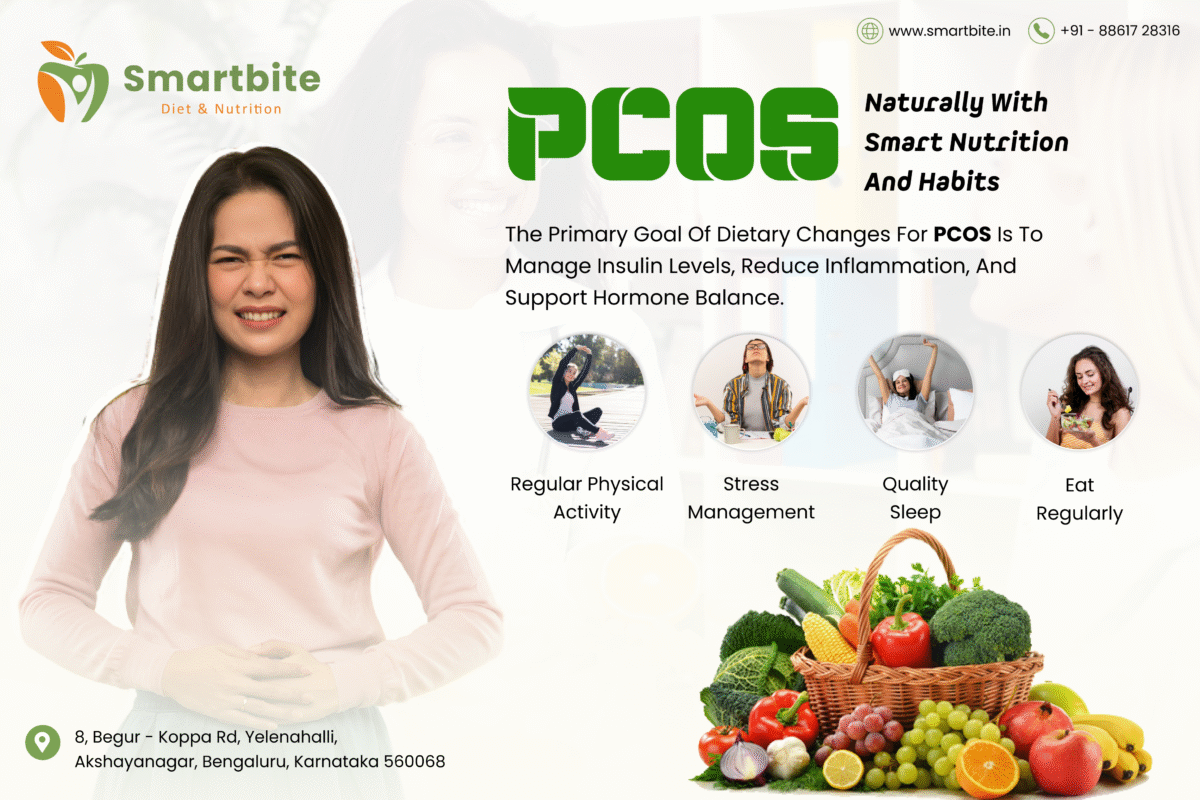
PCOS and Insulin Resistance: The Missing Link Behind Weight Gain and Cravings
Introduction
Are you struggling with stubborn weight gain, constant sugar cravings, and difficulty losing weight despite eating healthy and exercising? If you have Polycystic Ovary Syndrome (PCOS), the underlying reason could be insulin resistance.
Insulin resistance is one of the most common yet often overlooked factors contributing to weight gain and metabolic issues in women with PCOS. Understanding this connection can help you manage your symptoms effectively and achieve sustainable weight loss.
What is PCOS?
Polycystic Ovary Syndrome (PCOS) is a hormonal disorder that affects women of reproductive age. It can cause:
- Irregular or missed periods
- Weight gain, especially around the abdomen
- Acne and oily skin
- Excess facial or body hair
- Hair thinning or hair loss
- Difficulty conceiving
- Mood changes and fatigue
Around 70-80% of women with PCOS have insulin resistance, making it one of the key drivers of the condition.
What is Insulin Resistance?
Insulin is a hormone produced by the pancreas that helps move glucose (sugar) from the bloodstream into the body’s cells for energy.
In insulin resistance, the cells do not respond properly to insulin. As a result:
- The body produces more insulin to compensate.
- Excess insulin levels increase fat storage.
- Blood sugar fluctuations trigger cravings and hunger.
- Hormonal imbalance worsens PCOS symptoms.
How Insulin Resistance Causes Weight Gain
1. Increased Fat Storage
High insulin levels encourage the body to store excess calories as fat, particularly around the abdomen.
2. Frequent Hunger and Cravings
Blood sugar spikes and crashes can lead to:
- Sugar cravings
- Emotional eating
- Increased appetite
- Energy crashes
3. Slower Metabolism
Insulin resistance can make it harder for the body to burn fat efficiently, leading to gradual weight gain.
4. Increased Androgen Levels
Excess insulin stimulates the ovaries to produce more male hormones (androgens), which can worsen:
- Acne
- Irregular periods
- Hair growth
- Weight gain
Signs You May Have Insulin Resistance
Common symptoms include:
- Difficulty losing weight
- Cravings for sweets or carbohydrates
- Fatigue after meals
- Belly fat accumulation
- Increased hunger
- Dark patches around the neck or underarms (Acanthosis Nigricans)
- Irregular periods
- Elevated blood sugar levels
Best Diet for PCOS and Insulin Resistance
Focus on High-Fiber Foods
Fiber helps slow sugar absorption and improves insulin sensitivity.
Include:
- Oats
- Brown rice
- Quinoa
- Whole wheat
- Vegetables
- Fruits
- Lentils and beans
Increase Protein Intake
Protein helps reduce cravings and keeps you fuller for longer.
Good sources include:
- Eggs
- Chicken
- Fish
- Paneer
- Greek yogurt
- Tofu
- Dal and legumes
Choose Healthy Fats
Healthy fats support hormone balance and reduce inflammation.
Examples:
- Nuts and seeds
- Avocados
- Olive oil
- Flaxseeds
- Chia seeds
Limit Refined Carbohydrates and Sugar
Reduce intake of:
- White bread
- Sugary drinks
- Cakes and pastries
- Cookies
- Processed snacks
- Packaged juices
Lifestyle Changes That Improve Insulin Sensitivity
Exercise Regularly
Aim for at least 150 minutes of physical activity per week.
Include:
- Walking
- Strength training
- Yoga
- Cycling
- Swimming
Prioritize Sleep
Poor sleep can worsen insulin resistance and increase hunger hormones. Aim for 7–9 hours of quality sleep daily.
Manage Stress
Chronic stress raises cortisol levels, which may aggravate PCOS symptoms.
Helpful activities include:
- Meditation
- Deep breathing exercises
- Yoga
- Spending time outdoors
Stay Hydrated
Drinking enough water supports metabolism and overall health.
Can Weight Loss Improve PCOS?
Yes. Even losing 5-10% of body weight can significantly improve:
- Menstrual regularity
- Insulin sensitivity
- Ovulation
- Fertility
- Energy levels
- Hormonal balance
The goal should not be rapid weight loss but long-term, sustainable lifestyle changes.
When Should You Consult a Nutritionist?
If you experience:
- Persistent weight gain
- Irregular periods
- Strong cravings
- Difficulty losing weight
- Prediabetes or diabetes
- Hormonal imbalance
A personalized nutrition plan can help address the root cause and improve overall health.
Frequently Asked Questions (FAQs)
1. Does every woman with PCOS have insulin resistance?
No, but approximately 70-80% of women with PCOS are affected by insulin resistance.
2. Can insulin resistance be reversed?
Yes. Lifestyle changes, weight management, and proper nutrition can significantly improve insulin sensitivity.
3. Which foods should be avoided in PCOS?
Sugary drinks, refined flour products, processed snacks, and excessive sweets should be limited.
4. Is intermittent fasting beneficial for PCOS?
Some women may benefit from intermittent fasting, but it should be done under professional guidance to avoid hormonal imbalance.
5. Can losing weight help reduce PCOS symptoms?
Yes. Even modest weight loss can improve hormones, menstrual cycles, and fertility.
Conclusion
Insulin resistance is often the missing link behind weight gain and cravings in women with PCOS. By focusing on balanced nutrition, regular exercise, quality sleep, and stress management, it is possible to improve insulin sensitivity and regain control over your health.
At SmartBite Nutrition Clinic, we provide customized diet plans and lifestyle guidance to help women with PCOS achieve healthy, sustainable results.
Do not let another year pass making the same resolutions. Take the next step today.
📍 Book your consultation now at www.smartbite.in – and start your transformation today.