Why You’re Not Losing Weight with PCOS Despite Eating Healthy
Introduction
Are you eating healthy, exercising regularly, and still struggling to lose weight with PCOS? If so, you’re not alone. Many women with Polycystic Ovary Syndrome (PCOS) find that weight loss feels much harder compared to others.
The truth is, PCOS is more than just a reproductive disorder—it is a complex hormonal and metabolic condition that can affect insulin levels, appetite, metabolism, stress hormones, and even sleep. As a result, weight loss with PCOS requires a different approach than simply “eating less and exercising more.”
In this article, we’ll explore why weight loss can be challenging with PCOS and what you can do to achieve sustainable results.
Understanding PCOS and Weight Gain
PCOS affects hormones that regulate metabolism, blood sugar, and fat storage. Women with PCOS are more likely to experience:
- Weight gain, especially around the abdomen
- Increased hunger and cravings
- Difficulty burning fat
- Hormonal imbalance
- Insulin resistance
- Irregular menstrual cycles
These factors make losing weight more challenging, even when you’re making healthy choices.
1. Insulin Resistance May Be Slowing Down Weight Loss
Approximately 70–80% of women with PCOS have insulin resistance.
When your cells become resistant to insulin, the body produces more insulin to compensate. High insulin levels promote fat storage and make it difficult to lose weight.
Signs of Insulin Resistance
- Belly fat accumulation
- Sugar cravings
- Fatigue after meals
- Increased appetite
- Difficulty losing weight
What Helps?
- Eating balanced meals
- Increasing protein intake
- Choosing high-fiber foods
- Exercising regularly
- Avoiding sugary drinks and refined carbohydrates
2. You May Not Be Eating Enough Protein
Protein helps:
- Control hunger
- Reduce cravings
- Maintain muscle mass
- Improve metabolism
Low protein intake may leave you feeling hungry and increase snacking.
Good Protein Sources
- Eggs
- Chicken
- Fish
- Paneer
- Greek yogurt
- Tofu
- Lentils and beans
Aim to include protein in every meal.
3. Chronic Stress Can Affect Weight Loss
Stress increases cortisol, commonly known as the “stress hormone.”
High cortisol levels may contribute to:
- Increased appetite
- Emotional eating
- Belly fat storage
- Poor sleep quality
Stress Management Strategies
- Yoga
- Meditation
- Deep breathing exercises
- Walking
- Spending time outdoors
Managing stress is an important part of PCOS treatment.
4. Poor Sleep May Be Working Against You
Lack of sleep affects hormones that regulate hunger and fullness.
Poor sleep can lead to:
- Increased cravings
- Reduced energy
- Higher cortisol levels
- Slower metabolism
Aim for 7–9 hours of quality sleep every night.
5. Healthy Foods Can Still Be High in Calories
Foods like nuts, dried fruits, smoothies, and granola are nutritious but can be calorie-dense.
Portion control matters.
Focus on:
- Balanced meals
- Mindful eating
- Proper meal timing
- Avoiding unnecessary snacking
Remember, healthy eating isn’t just about food quality—it also involves quantity.
6. You’re Doing Too Much Cardio and Not Enough Strength Training
While cardio burns calories, strength training helps build muscle and improves insulin sensitivity.
Benefits of strength training include:
- Increased metabolism
- Better blood sugar control
- Fat loss
- Improved body composition
Aim to combine:
- Strength training 2–3 times per week
- Walking
- Yoga
- Cycling
- Swimming
7. Hormonal Imbalances Can Affect Your Metabolism
PCOS often involves elevated androgen levels, which can influence:
- Fat distribution
- Appetite
- Energy levels
- Muscle mass
In some cases, thyroid disorders or vitamin deficiencies may also contribute to weight-loss resistance.
Consult your healthcare provider if weight loss remains difficult despite lifestyle changes.
8. Hidden Sugars and Processed Foods May Be Sabotaging Progress
Many packaged foods marketed as “healthy” contain added sugars and refined ingredients.
Common culprits include:
- Flavored yogurt
- Breakfast cereals
- Granola bars
- Fruit juices
- Packaged smoothies
Reading food labels and choosing whole foods can make a big difference.
9. Crash Diets Can Slow Down Your Metabolism
Severely restricting calories may lead to:
- Muscle loss
- Increased cravings
- Fatigue
- Nutrient deficiencies
- Slower metabolism
Instead of quick fixes, focus on sustainable lifestyle habits.
The Best Approach to Weight Loss with PCOS
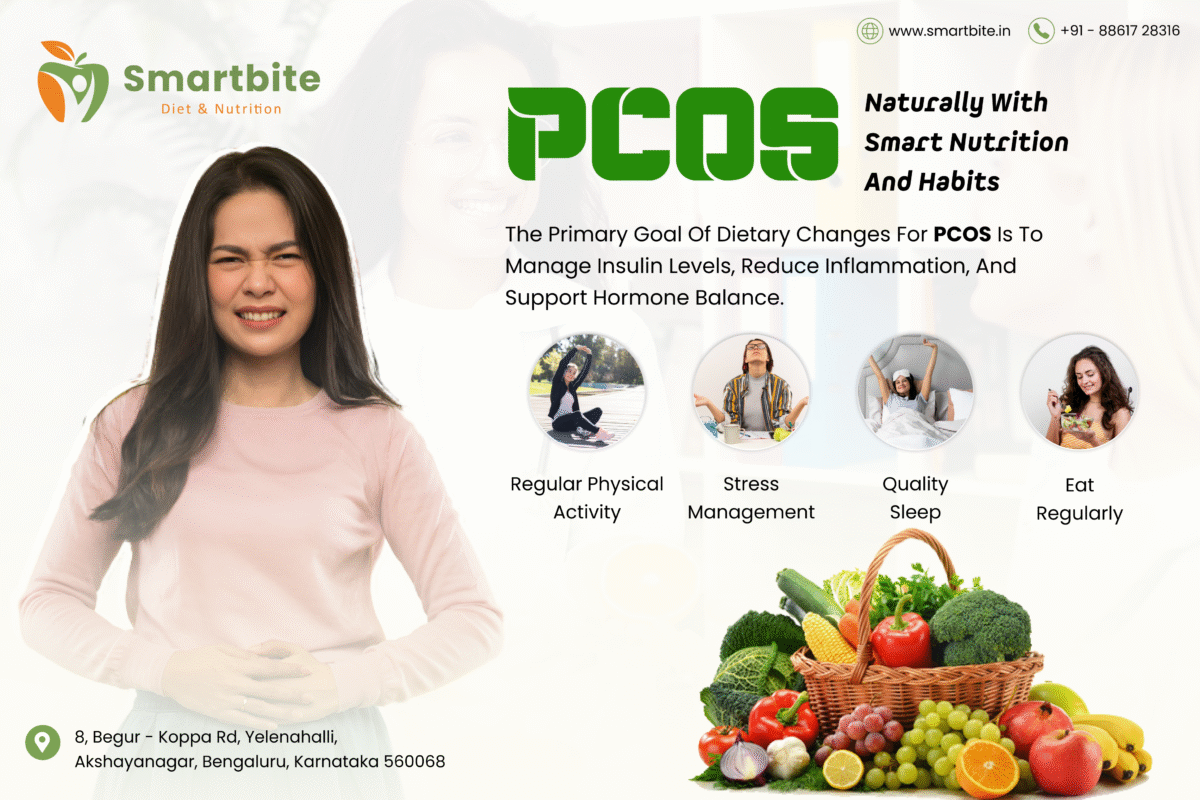
Successful weight management with PCOS involves:
Balanced Nutrition
Include:
- Lean protein
- Whole grains
- Fruits and vegetables
- Healthy fats
- High-fiber foods
Regular Physical Activity
Aim for at least 150 minutes per week.
Stress Management
Practice relaxation techniques regularly.
Quality Sleep
Prioritize consistent sleep schedules.
Consistency Over Perfection
Small, sustainable changes often produce the best long-term results.
When Should You Consult a Nutritionist?
Professional guidance can be beneficial if you experience:
- Persistent weight gain
- Strong food cravings
- Irregular periods
- Difficulty losing weight
- Insulin resistance
- Thyroid disorders
- Emotional eating
A personalized nutrition plan can address your unique hormonal and metabolic needs.
Frequently Asked Questions (FAQs)
Why is it harder to lose weight with PCOS?
PCOS often involves insulin resistance and hormonal imbalances that promote fat storage and increase cravings.
Can I lose weight naturally with PCOS?
Yes. A balanced diet, regular exercise, stress management, and quality sleep can help support healthy weight loss.
Which diet is best for PCOS weight loss?
There is no one-size-fits-all approach. Diets rich in protein, fiber, healthy fats, and whole foods are generally beneficial.
How much weight loss is needed to improve PCOS symptoms?
Even a 5–10% reduction in body weight can improve hormone balance, insulin sensitivity, and menstrual regularity.
Should I avoid carbohydrates completely?
No. Complex carbohydrates such as oats, brown rice, millets, fruits, and vegetables can be part of a healthy PCOS diet.
Conclusion
If you’re not losing weight with PCOS despite eating healthy, it doesn’t mean you’re doing something wrong. PCOS affects hormones, metabolism, and insulin sensitivity, making weight loss more complex.
The key is to focus on sustainable habits rather than extreme diets. With the right nutrition, exercise, stress management, and professional support, healthy and lasting weight loss is possible.
At SmartBite Nutrition Clinic, we help women with PCOS achieve sustainable weight loss through personalized nutrition plans and lifestyle strategies tailored to their individual needs.
Do not let another year pass making the same resolutions. Take the next step today.
📍 Book your consultation now at www.smartbite.in – and start your transformation today.