Tag Archives: Diet

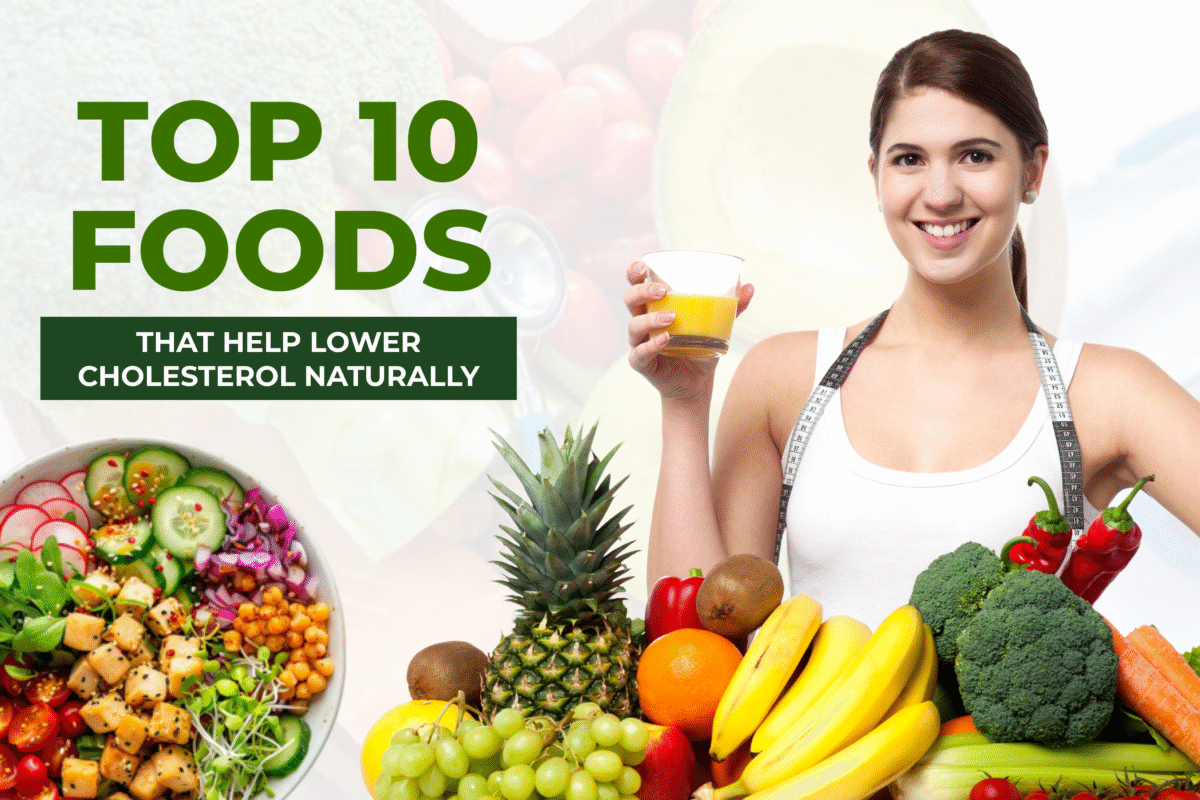
Top 10 Foods That Help Lower Cholesterol Naturally

Top 10 Foods That Help Lower Cholesterol Naturally

Introduction

High cholesterol is one of the major risk factors for heart disease and stroke. While medications may be necessary in some cases, making healthy dietary changes can significantly improve cholesterol levels. Including heart-friendly foods in your daily diet can help reduce LDL (“bad”) cholesterol and support overall cardiovascular health.

Here are the top 10 foods that can help lower cholesterol naturally.

1. Oats and Whole Grains

Oats are rich in soluble fiber called beta-glucan, which helps remove excess cholesterol from the body.

Include:

  • Oatmeal
  • Barley
  • Brown rice
  • Whole wheat

2. Nuts

Almonds and walnuts contain healthy fats, fiber, and antioxidants that support heart health.

Recommended intake:
A small handful (20–30 grams) daily.

3. Fatty Fish

Fish rich in omega-3 fatty acids help lower triglycerides and improve heart health.

Best options:

  • Salmon
  • Sardines
  • Mackerel
  • Tuna

4. Beans and Lentils

Legumes are excellent sources of plant protein and fiber, which help reduce LDL cholesterol.

Examples:

  • Rajma
  • Chickpeas
  • Moong dal
  • Masoor dal

5. Fruits Rich in Fiber

Fruits contain soluble fiber and antioxidants that help maintain healthy cholesterol levels.

Best choices:

  • Apples
  • Oranges
  • Berries
  • Guava
  • Pears

6. Leafy Green Vegetables

Green vegetables provide fiber and antioxidants that support heart health.

Include:

  • Spinach
  • Fenugreek leaves
  • Kale
  • Broccoli

7. Flaxseeds and Chia Seeds

These seeds are packed with omega-3 fatty acids and fiber that help lower bad cholesterol naturally.

Tip:
Add one to two tablespoons to smoothies, curd, or salads.

8. Garlic

Garlic contains compounds that may help reduce LDL cholesterol and support healthy blood pressure.

How to use:
Add fresh garlic to soups, curries, and salads.

9. Avocados

Avocados provide heart-healthy monounsaturated fats that help improve cholesterol balance.

10. Olive Oil

Replacing saturated fats with olive oil can help reduce bad cholesterol and promote heart health.

Foods to Limit

Avoid excessive intake of:

  • Fried foods
  • Processed snacks
  • Sugary beverages
  • Bakery products
  • Trans fats
  • Red meat and processed meats

Lifestyle Tips for Healthy Cholesterol

  • Exercise for at least 30 minutes most days.
  • Maintain a healthy body weight.
  • Avoid smoking.
  • Manage stress effectively.
  • Get regular health check-ups.

When Should You Consult a Nutritionist?

If you have:

  • High cholesterol levels
  • Diabetes
  • Thyroid disorders
  • Obesity
  • Family history of heart disease

A personalized nutrition plan can help improve your cholesterol levels and reduce the risk of heart disease.

Frequently Asked Questions (FAQs)

1. Which foods are best for lowering cholesterol naturally?

Foods rich in soluble fiber and healthy fats, such as oats, nuts, beans, fatty fish, fruits, leafy vegetables, flaxseeds, chia seeds, garlic, avocados, and olive oil, can help lower LDL (bad cholesterol) and support heart health.

2. Can oats really help reduce cholesterol?

Yes. Oats contain a type of soluble fiber called beta-glucan, which helps reduce the absorption of cholesterol into the bloodstream and lowers LDL cholesterol levels.

3. How long does it take for diet changes to lower cholesterol?

Most people may see improvements in their cholesterol levels within 6–12 weeks of consistently following a heart-healthy diet and active lifestyle. Individual results may vary.

4. Are nuts good for people with high cholesterol?

Yes. Almonds, walnuts, pistachios, and other unsalted nuts contain healthy fats, fiber, and antioxidants that help improve cholesterol levels when eaten in moderation.

5. Can I lower cholesterol naturally without medication?

In many cases, healthy eating, regular exercise, maintaining a healthy weight, and avoiding smoking can help lower cholesterol naturally. However, some people may still require medication based on their cholesterol levels and overall health, so it’s important to consult a healthcare professional.

Conclusion

Lowering cholesterol naturally is possible with the right food choices and healthy lifestyle habits. Incorporating fiber-rich foods, healthy fats, fruits, vegetables, and regular exercise can help protect your heart and improve overall well-being.

At SmartBite Nutrition Clinic, Dt. Nazish Akhtar provides personalized diet plans for cholesterol management, weight loss, diabetes, PCOS, thyroid disorders, and overall wellness.

Do not let another year pass making the same resolutions. Take the next step today.

📍 Book your consultation now at www.smartbite.in – and start your transformation today.
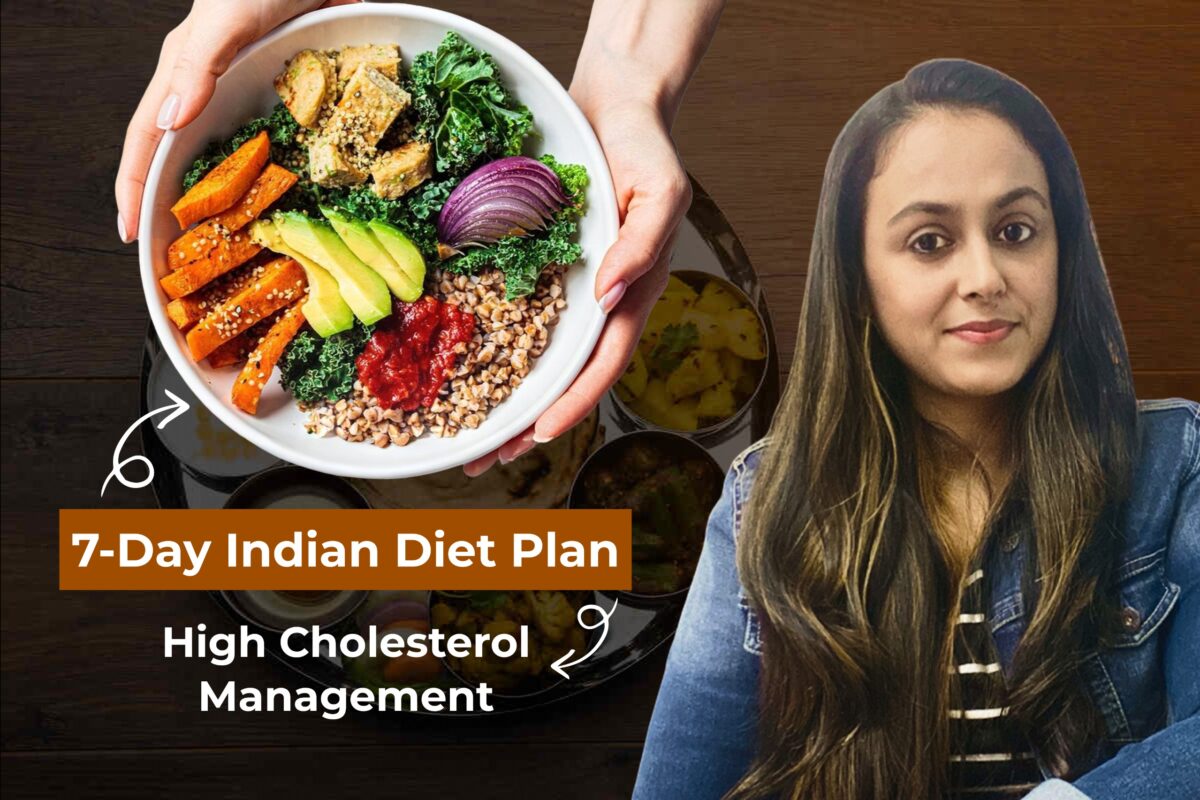
 

7-Day Indian Diet Plan for High Cholesterol Management

7-Day Indian Diet Plan for High Cholesterol Management

Introduction

High cholesterol is a major risk factor for heart disease and stroke. Fortunately, healthy eating and lifestyle changes can help manage cholesterol levels naturally. A balanced Indian diet rich in fiber, healthy fats, and plant-based proteins can help lower LDL (bad cholesterol) and support overall heart health.

Here is a simple 7-day Indian diet plan for managing high cholesterol.


Day 1

Breakfast

Vegetable oats upma + Green tea

Mid-Morning Snack

1 Apple

Lunch

2 Whole wheat rotis + Mixed vegetable curry + Dal + Salad

Evening Snack

Handful of almonds and walnuts

Dinner

Moong dal khichdi + Cucumber raita


Day 2

Breakfast

Vegetable poha + Buttermilk

Mid-Morning Snack

1 Orange

Lunch

Brown rice + Rajma curry + Salad

Evening Snack

Roasted chana

Dinner

Grilled fish or paneer + Stir-fried vegetables


Day 3

Breakfast

Oats porridge with flaxseeds

Mid-Morning Snack

Guava

Lunch

2 Rotis + Chole curry + Vegetable salad

Evening Snack

Green tea + Sprouts salad

Dinner

Vegetable soup + Whole wheat chapati


Day 4

Breakfast

Idli with sambar

Mid-Morning Snack

Papaya

Lunch

Brown rice + Sambar + Beans poriyal

Evening Snack

Handful of walnuts

Dinner

Paneer bhurji with multigrain roti


Day 5

Breakfast

Vegetable dosa with coconut chutney

Mid-Morning Snack

Pear

Lunch

2 Rotis + Mixed vegetable curry + Dal

Evening Snack

Roasted makhana

Dinner

Grilled chicken or tofu with sautéed vegetables


Day 6

Breakfast

Besan chilla with mint chutney

Mid-Morning Snack

Watermelon

Lunch

Millet khichdi + Curd + Salad

Evening Snack

Green tea and roasted peanuts

Dinner

Vegetable soup with whole wheat toast


Day 7

Breakfast

Vegetable upma + Fresh fruit

Mid-Morning Snack

Pomegranate

Lunch

Brown rice + Fish curry or dal + Salad

Evening Snack

Sprouts chaat

Dinner

Mixed vegetable stew + Chapati


Foods to Include

  • Oats and whole grains
  • Fruits and vegetables
  • Lentils and legumes
  • Nuts and seeds
  • Fatty fish
  • Olive oil
  • Low-fat dairy products

Foods to Avoid

  • Fried foods
  • Bakery products
  • Sugary drinks
  • Processed snacks
  • Red meat
  • Butter and ghee in excess
  • Foods high in trans fats

Lifestyle Tips for Healthy Cholesterol

  • Exercise for at least 30–45 minutes daily.
  • Maintain a healthy body weight.
  • Manage stress through yoga and meditation.
  • Avoid smoking and excessive alcohol.
  • Get regular lipid profile check-ups.

When Should You Consult a Nutritionist?

Seek professional guidance if you have:

  • High cholesterol levels
  • Diabetes
  • Obesity
  • Hypertension
  • Thyroid disorders
  • Family history of heart disease

A personalized diet plan can help improve cholesterol levels and reduce the risk of cardiovascular diseases.

Frequently Asked Questions (FAQs)

What is the best Indian diet for high cholesterol?

A diet rich in oats, whole grains, fruits, vegetables, legumes, nuts, seeds, and healthy fats can help lower cholesterol and improve heart health.

Which foods should I avoid if I have high cholesterol?

Avoid fried foods, processed snacks, sugary beverages, bakery products, trans fats, and excessive amounts of red meat, butter, and ghee.

Can oats help lower cholesterol levels?

Yes. Oats contain soluble fiber called beta-glucan, which helps reduce LDL (bad cholesterol) and supports heart health.

How long does it take to lower cholesterol through diet?

With consistent dietary and lifestyle changes, many people may notice improvements in cholesterol levels within 6–12 weeks, depending on their overall health and habits.

Conclusion

Managing cholesterol naturally is possible with the right diet and lifestyle. A balanced Indian meal plan rich in fiber, healthy fats, fruits, vegetables, and regular exercise can significantly improve heart health.

At SmartBite Nutrition Clinic, Dt. Nazish Akhtar provides personalized nutrition plans for cholesterol management, weight loss, diabetes, PCOS, thyroid disorders, and overall wellness.

Do not let another year pass making the same resolutions. Take the next step today.

📍 Book your consultation now at www.smartbite.in – and start your transformation today.
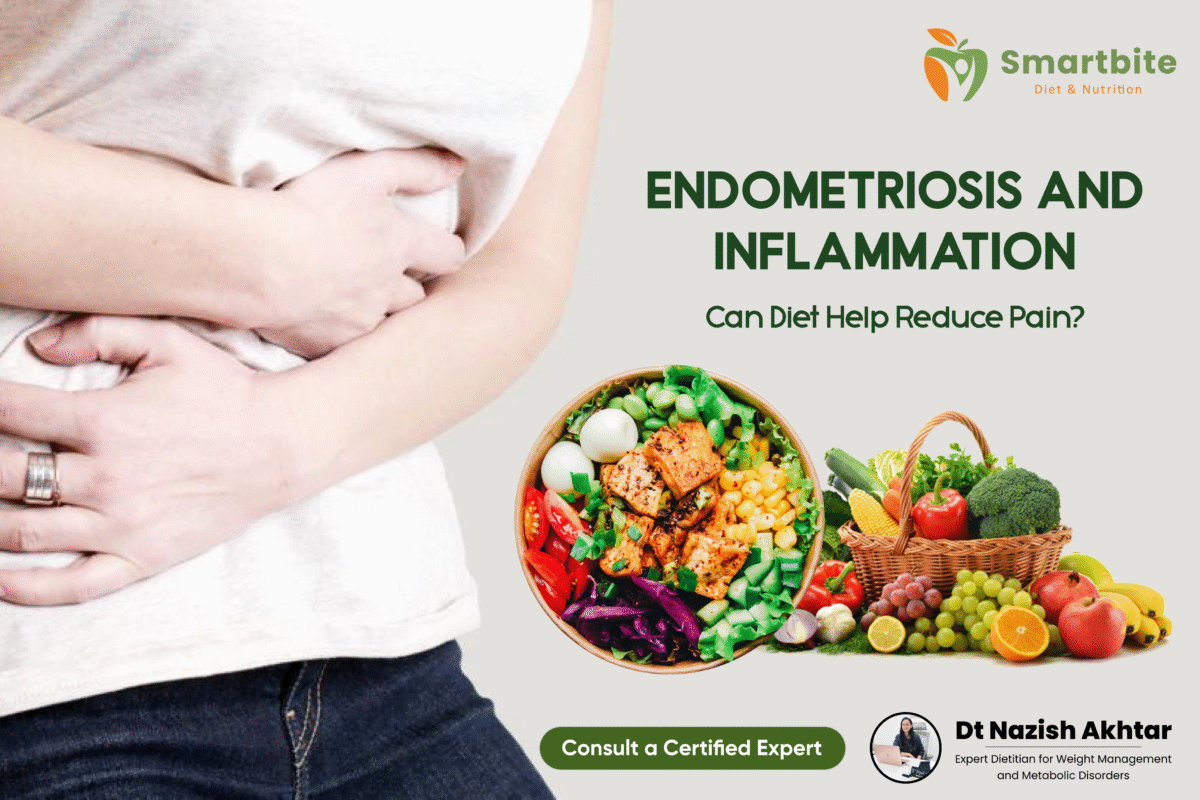
 

Endometriosis and Inflammation: Can Diet Help Reduce Pain?

Endometriosis and Inflammation: Can Diet Help Reduce Pain?

Introduction

Endometriosis is a chronic inflammatory condition that affects approximately 1 in 10 women of reproductive age. It can cause debilitating pelvic pain, painful periods, digestive issues, fatigue, and fertility challenges, significantly impacting quality of life.

While there is currently no cure for endometriosis, research suggests that inflammation plays a major role in the progression of the disease. The good news is that dietary and lifestyle modifications may help manage inflammation and potentially reduce pain and other symptoms.

In this article, we’ll explore the connection between endometriosis and inflammation and discuss how an anti-inflammatory diet may support symptom management.

What is Endometriosis?

Endometriosis occurs when tissue similar to the lining of the uterus grows outside the uterus. These growths are commonly found on:

  • Ovaries
  • Fallopian tubes
  • Bladder
  • Bowel
  • Pelvic lining

Like the uterine lining, these tissues respond to hormonal changes during the menstrual cycle. However, because the blood and tissue cannot leave the body normally, inflammation, scar tissue, and pain can develop over time.

Common Symptoms of Endometriosis

Symptoms may vary from person to person and include:

  • Severe menstrual cramps
  • Chronic pelvic pain
  • Heavy menstrual bleeding
  • Pain during intercourse
  • Painful bowel movements
  • Bloating and digestive discomfort
  • Fatigue
  • Lower back pain
  • Difficulty conceiving

Some women experience mild symptoms, while others may have severe pain that interferes with daily activities.

The Role of Inflammation in Endometriosis

Inflammation is one of the key factors involved in endometriosis.

Women with endometriosis often have increased levels of inflammatory substances in the body. This persistent inflammation may contribute to:

  • Increased pain sensitivity
  • Pelvic discomfort
  • Fatigue
  • Hormonal imbalance
  • Oxidative stress
  • Digestive symptoms

Reducing inflammation through nutrition and lifestyle changes may help improve symptom management and overall well-being.

Can Diet Help Reduce Endometriosis Pain?

Although diet cannot cure endometriosis, adopting an anti-inflammatory eating pattern may help:

  • Reduce inflammation
  • Support hormonal balance
  • Improve gut health
  • Decrease bloating
  • Enhance energy levels
  • Support immune function
  • Improve quality of life

Best Foods for Endometriosis

1. Fruits and Vegetables

Rich in antioxidants and phytonutrients, fruits and vegetables help combat inflammation.

Include:

  • Berries
  • Apples
  • Oranges
  • Spinach
  • Broccoli
  • Tomatoes
  • Carrots
  • Bell peppers

Aim for a colorful plate to maximize nutrient intake.

2. Omega-3 Fatty Acids

Omega-3 fats have powerful anti-inflammatory properties.

Good sources include:

  • Salmon
  • Sardines
  • Mackerel
  • Flaxseeds
  • Chia seeds
  • Walnuts

3. Whole Grains

Whole grains provide fiber that supports gut health and hormone metabolism.

Choose:

  • Oats
  • Brown rice
  • Quinoa
  • Whole wheat
  • Millets

4. Healthy Fats

Healthy fats may help reduce inflammation and support hormonal health.

Include:

  • Olive oil
  • Avocados
  • Almonds
  • Walnuts
  • Pumpkin seeds

5. Lean Protein Sources

Protein supports tissue repair and overall health.

Healthy options include:

  • Eggs
  • Fish
  • Chicken
  • Paneer
  • Tofu
  • Lentils
  • Beans

Foods That May Worsen Inflammation

Some foods may trigger or worsen symptoms in certain women.

Consider limiting:

Processed Foods

  • Packaged snacks
  • Fast food
  • Chips

Added Sugars

  • Soft drinks
  • Cakes
  • Sweets
  • Candy

Refined Carbohydrates

  • White bread
  • Pastries
  • Sugary cereals

Excess Red Meat

High intake of red and processed meat may increase inflammatory markers.

Excess Alcohol and Caffeine

These may aggravate symptoms in some individuals and should be consumed in moderation.

The Importance of Gut Health

Emerging research suggests that gut health and endometriosis may be closely linked.

To support a healthy gut microbiome, include:

  • Yogurt
  • Kefir
  • Fermented foods
  • Fruits and vegetables
  • Whole grains
  • Fiber-rich foods

A healthy gut may help regulate hormones and reduce inflammation.

Lifestyle Habits That May Help Manage Endometriosis

Exercise Regularly

Regular physical activity may:

  • Improve circulation
  • Reduce stress
  • Support hormonal balance
  • Enhance mood

Activities such as walking, yoga, swimming, and strength training are excellent options.

Prioritize Sleep

Aim for 7–9 hours of quality sleep each night to support recovery and reduce inflammation.

Manage Stress

Chronic stress can increase inflammatory responses and worsen symptoms.

Helpful stress-management techniques include:

  • Meditation
  • Deep breathing exercises
  • Yoga
  • Mindfulness practices

Stay Hydrated

Adequate water intake supports digestion and overall health and may help reduce bloating.

When Should You Consult a Nutritionist?

You should seek professional guidance if you experience:

  • Severe menstrual pain
  • Persistent bloating
  • Digestive issues
  • Chronic fatigue
  • Difficulty managing symptoms
  • Nutritional concerns

A personalized nutrition plan can help identify trigger foods and provide strategies tailored to your individual needs.

Frequently Asked Questions (FAQs)

Can diet cure endometriosis?

No. Diet cannot cure endometriosis, but it may help manage inflammation and reduce symptoms.

Which foods are best for endometriosis?

Fruits, vegetables, omega-3-rich foods, whole grains, healthy fats, and lean proteins are generally beneficial.

Does sugar increase inflammation?

Excess sugar and highly processed foods may contribute to inflammation and worsen symptoms in some women.

Is dairy bad for endometriosis?

Not necessarily. Some women tolerate dairy well, while others may notice symptom improvement by limiting certain dairy products.

Can maintaining a healthy weight help?

Yes. Maintaining a healthy weight may support hormonal balance and help manage inflammation.

Conclusion

Endometriosis is a complex inflammatory condition that affects many aspects of a woman’s health. While diet alone cannot cure endometriosis, an anti-inflammatory eating pattern and healthy lifestyle habits may help reduce pain, improve energy levels, and enhance quality of life.

At SmartBite Nutrition Clinic, we believe in a holistic approach to women’s health. Our personalized nutrition programs are designed to help women manage inflammation, support hormonal balance, and improve overall well-being naturally.

Do not let another year pass making the same resolutions. Take the next step today.

📍 Book your consultation now at www.smartbite.in – and start your transformation today.

X