
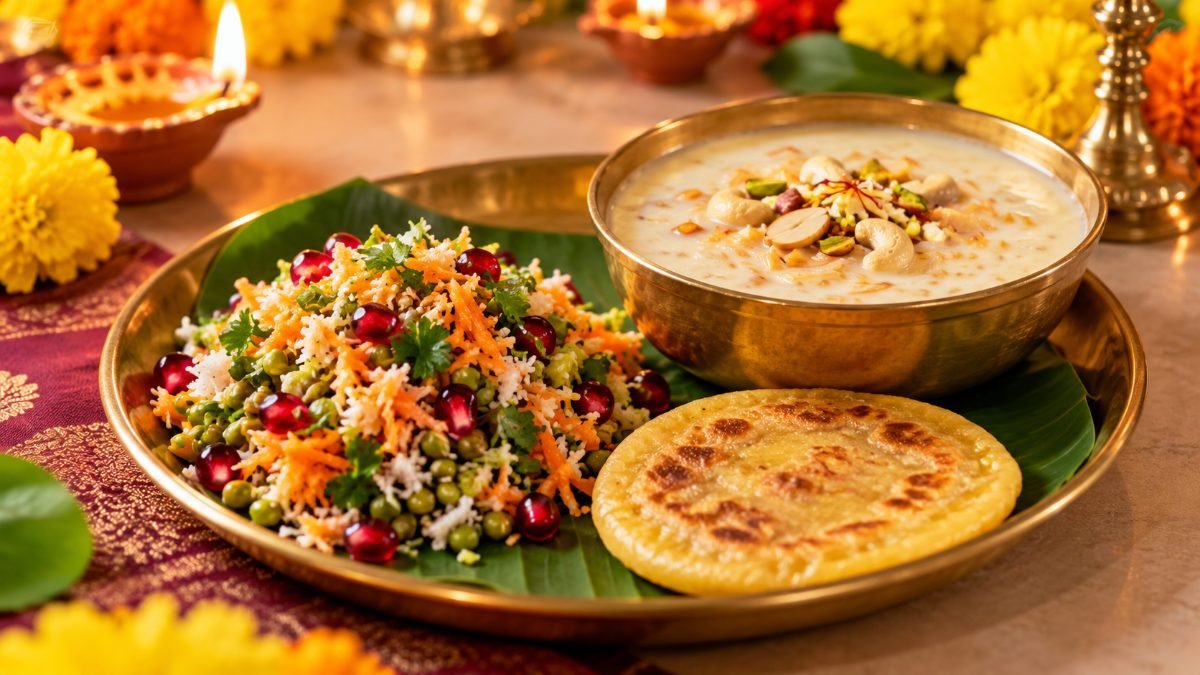
Does your healthy routine quietly disappear every festive season? Healthy festive eating does not mean skipping the sweets. It means enjoying them wisely.
From Dussehra (Dasara) and Ayudha Pooja to Diwali, festive food can easily stretch over three or four weeks.
Obbattu, payasa, Mysore pak, chakli, boxes of sweets from friends and late family dinners are all part of the celebration. But for many people, this is also when weight creeps up, blood sugar becomes harder to manage, and cravings get stronger. The good news is that you do not have to choose between celebrating and staying on track. With a few practical habits, you can enjoy festive food and still feel good when the season ends.
At SmartBite Nutrition, we believe festivals are meant to be enjoyed, not feared.
Healthy Festive Eating: 10 Dietitian Tips for Dussehra and Diwali
1. Understand Why Festive Weeks Affect Weight and Blood Sugar
It is rarely one big meal that causes problems. It is the small extras repeated over many days: a sweet with every visit, fried snacks between meals, heavier dinners, late nights and less movement than usual.
For people with diabetes, prediabetes or PCOS, frequent sugary and fried foods can also make blood sugar, energy levels and cravings harder to manage. Awareness is the first step to enjoying the season without losing control.
2. Do Not Skip Meals to “Save Space”
Skipping breakfast or lunch before a get-together often leads to overeating later. When you arrive very hungry, it becomes much harder to stop at one sweet or one plate of snacks.
Instead, have your regular meals with some protein and vegetables, so you reach the celebration comfortably satisfied rather than starving.
3. Choose Your Sweets Instead of Grazing
Rather than picking up a piece from every box, decide which one or two sweets you truly love, and enjoy them slowly. A small portion eaten mindfully is often more satisfying than many pieces eaten without noticing.
Enjoy your favourites — just choose them on purpose.
4. Have Sweets After a Meal, Not on an Empty Stomach
Eating a sweet right after a balanced meal, rather than on its own between meals, is generally gentler on blood sugar. The protein, fibre and fat in your meal help slow how quickly sugar is absorbed.
5. Make Lighter Versions of Festive Sweets at Home
Homemade sweets give you more control over ingredients and portions. A few simple ideas:
- Make smaller obbattu or holige
- Prepare payasa with less sugar or jaggery, and add nuts for richness
- Try laddoos made with dates, figs, nuts and seeds
- Use roasted makhana or nuts as a festive snack
- Reduce ghee where the recipe allows
Remember that “sugar-free” or jaggery-based sweets still contain calories, so portion size still matters.
6. Watch the Namkeen and Fried Snacks
Chakli, kodubale, mixture and other fried snacks are easy to overeat because we often eat them while talking or watching TV. Serve a small bowl instead of eating straight from the packet or box.
Keep lighter options within reach as well:
- Roasted chana
- Roasted makhana
- Sundal or kosambari
- Fresh fruit
- Buttermilk
7. Build a Balanced Festive Plate
Festive meals can still be balanced. Try building your plate like this:
Vegetables: Fill about half your plate with vegetables, palya or salad.
Protein: Add dal, kosambari, sundal, paneer, curd, eggs, chicken or fish.
Carbohydrates: Enjoy rice, roti or puri in a sensible portion.
Healthy fats: A little ghee, nuts or coconut adds flavour and helps keep you satisfied.
Festive favourites like kosambari and sundal are protein-rich choices, so fill up on these first.
8. Stay Hydrated and Go Easy on Sweet Drinks
Festive drinks, sherbets and soft drinks add sugar very quickly without making you feel full. The World Health Organization recommends limiting free sugars as part of a healthy diet. Choose water, buttermilk, lemon water without added sugar, or plain tea and coffee more often.
9. Keep Moving and Protect Your Sleep
You do not need the gym every day during festivals, but some movement helps you feel lighter and supports blood sugar control. Simple habits can make a difference:
- Take a 20–30 minute walk after a heavy meal
- Join in with family dances or festival activities
- Do a short home workout on busy days
- Try to return to your usual sleep routine as soon as possible
- Avoid very late snacking after dinner
Very little sleep can increase cravings and make healthy choices harder the next day.
10. Get Back on Track the Next Day, Without Guilt
One heavy day does not undo weeks of progress. There is no need for a “detox”, juice cleanse or crash diet after a festival. Simply return to your regular balanced meals, water and movement the next morning.
Consistency matters more than perfection.
Special Tips If You Have Diabetes or PCOS
If you are managing diabetes or prediabetes, monitor your blood sugar as your doctor advises, keep your meal timings regular, and do not change your medication without medical guidance. Our guide to the best foods for prediabetes in India may also help.
If you have PCOS, festive weeks can make sugar cravings stronger. Including protein and fibre at every meal, and keeping sweets to planned portions, can help. You may find these tips to stop sugar cravings naturally useful, along with our practical tips for PCOS weight loss.
When Should You Seek Professional Nutrition Guidance?
Consider speaking to a dietitian if:
- Your weight tends to increase every festive season and is hard to bring back down
- You have diabetes, prediabetes, PCOS, thyroid issues or high cholesterol
- You often feel out of control around sweets or snacks
- You want a plan that fits your family meals, work routine and festivals
At SmartBite Nutrition, Dt. Nazish Akhtar creates personalised plans for weight loss, PCOS and diabetes, with practical guidance for festivals, travel and family events. Consultations are available in-clinic at Akshayanagar, Bangalore, or online.
Final Thoughts: Celebrate Fully, Eat Mindfully
Festivals are about family, gratitude and joy, and food is a beautiful part of that. You do not need to avoid your favourite sweets or feel guilty for enjoying them. Small, mindful choices — regular meals, planned treats, balanced plates, daily movement and good sleep — can help you enjoy Dussehra and Diwali while still feeling your best.
Enjoy the celebrations, and let your health come along for the ride.
If you would like a festive-friendly plan built around your health, reports and food preferences, SmartBite Nutrition is here to help.
Frequently Asked Questions
Can I eat sweets during Dussehra and Diwali if I am trying to lose weight?
Yes. Planning and portion size matter more than avoiding sweets completely. Choose one or two favourites, enjoy them after a balanced meal, and stay active.
Are sugar-free sweets healthy?
They may contain less sugar, but many are still high in fat and calories. Treat them as sweets and keep portions small.
How do I get back on track after the festive season?
Return to regular meals with protein and vegetables, drink enough water, walk daily and get enough sleep. Avoid crash diets or “detox” plans.
Should people with diabetes avoid all sweets during festivals?
Not necessarily, but portions, timing and blood sugar monitoring are important. Follow your doctor’s advice and speak to a dietitian for a plan suited to you.
This article is for general information and is not a substitute for personalised medical advice.