Category Archives: Weight Loss

Best Indian Breakfast for Weight Loss

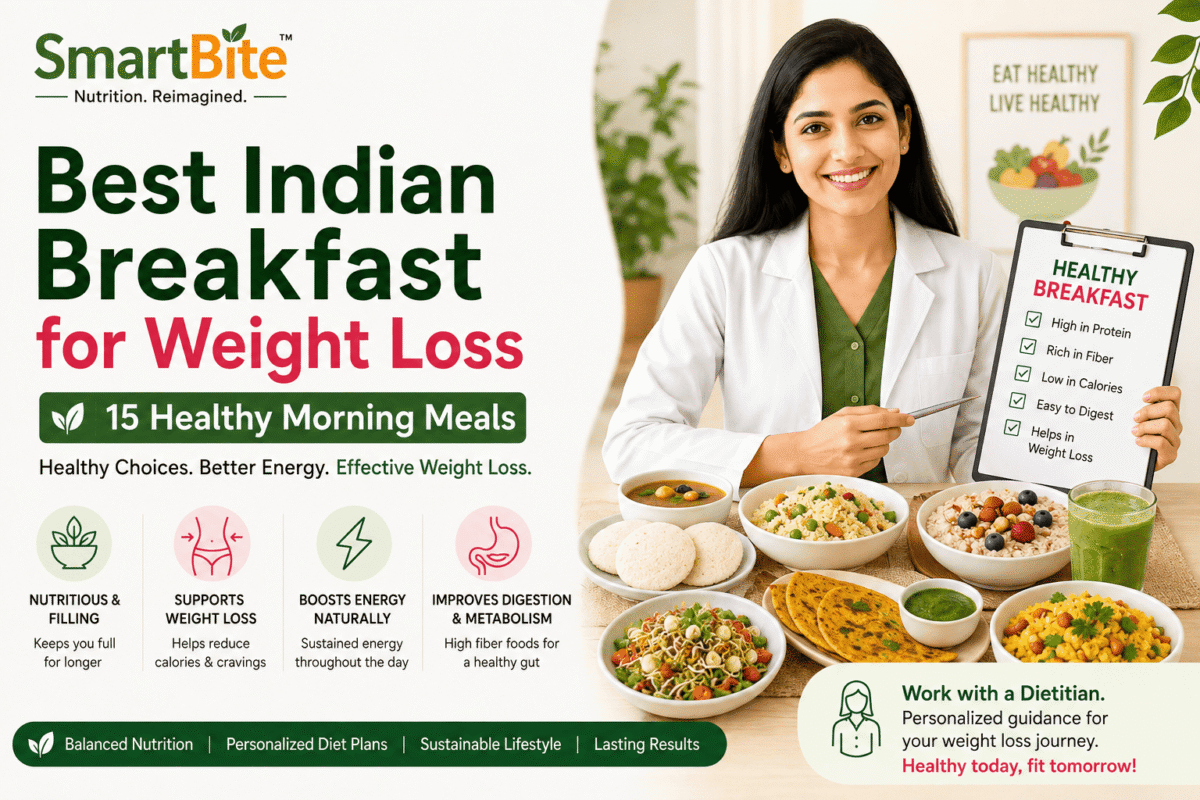
Best Indian Breakfast for Weight Loss: 15 Healthy Morning Meals

When it comes to weight loss, breakfast is often the most overlooked meal. Many people either skip breakfast or choose foods high in sugar, refined flour, or unhealthy fats. While skipping breakfast may seem like a way to reduce calories, it can actually increase hunger later in the day and lead to overeating. A balanced breakfast rich in protein, fiber, and healthy carbohydrates helps improve satiety and supports sustainable weight management.

The good news is that you don’t need expensive superfoods or imported ingredients. Traditional Indian breakfasts can be healthy, filling, and delicious when prepared the right way.

Here are 15 healthy Indian breakfast options that can support your weight loss journey.

What Makes a Good Weight Loss Breakfast?

A healthy breakfast should contain:

  • High-quality protein to keep you full for longer.
  • Fiber-rich foods for better digestion.
  • Complex carbohydrates for sustained energy.
  • Healthy fats in moderation.
  • Fresh vegetables or fruits for vitamins and minerals.

Avoid breakfasts loaded with sugar, deep-fried foods, and refined flour, as they may cause energy crashes and increase cravings later in the day.

  1. Vegetable Oats Upma

Oats are rich in soluble fiber, while vegetables add vitamins and minerals. This breakfast is low in calories and helps keep you satisfied for hours.

Add: Carrots, beans, peas, onions, and capsicum.

  1. Moong Dal Chilla

Moong dal chilla is one of the best high-protein Indian breakfasts for weight loss. It is filling, easy to digest, and supports muscle maintenance during weight loss.

Healthy Tip: Serve with mint chutney or low-fat curd.

  1. Vegetable Poha

Poha can be a healthy breakfast when prepared with plenty of vegetables and a moderate amount of peanuts.

Add:

  • Carrots
  • Green peas
  • Curry leaves
  • Lemon juice

This improves fiber and nutrient content.

  1. Vegetable Upma

Made from semolina, vegetable upma becomes healthier when loaded with colorful vegetables and cooked with minimal oil.

Pair it with a bowl of curd for added protein.

  1. Idli with Sambar

Steamed idlis are lighter than fried breakfast options. Sambar provides protein from lentils along with vegetables, making it a balanced meal.

Limit coconut chutney if you are watching your calorie intake.

  1. Besan Chilla

Gram flour is naturally rich in protein. Add onions, spinach, tomatoes, coriander, and capsicum to increase fiber.

Serve with green chutney for a nutritious breakfast.

  1. Vegetable Dalia

Broken wheat (dalia) is rich in fiber and digests slowly, helping you stay full longer.

You can prepare it with:

  • Mixed vegetables
  • Green peas
  • Beans
  • Carrots
  1. Sprouts Salad

Sprouted moong or mixed sprouts are packed with protein, fiber, vitamins, and antioxidants.

Mix with:

  • Tomatoes
  • Onion
  • Cucumber
  • Lemon
  • Black pepper

This is an excellent breakfast for busy mornings.

  1. Greek Yogurt with Fruits and Nuts

Unsweetened Greek yogurt provides protein while fruits offer natural sweetness and fiber.

Top with:

  • Chia seeds
  • Flaxseeds
  • Almonds
  • Walnuts

Avoid flavored yogurts with added sugar.

  1. Paneer Bhurji

Paneer is an excellent protein source for vegetarians.

Cook paneer with:

  • Tomatoes
  • Onions
  • Capsicum
  • Spinach

Serve with one whole wheat roti or multigrain toast.

  1. Egg Bhurji with Whole Wheat Toast

Eggs are among the highest-quality protein foods and help reduce hunger.

Pair egg bhurji with:

  • Whole wheat toast
  • Tomato slices
  • Cucumber

This combination keeps you energized throughout the morning.

  1. Ragi Dosa

Ragi (finger millet) is naturally rich in calcium and fiber.

Serve with:

  • Sambar
  • Mint chutney

It is an excellent alternative to refined flour-based breakfasts.

  1. Vegetable Millet Khichdi

Millets are becoming increasingly popular because they are rich in fiber and support blood sugar control.

Add:

  • Carrots
  • Beans
  • Green peas
  • Spinach

This makes a complete and balanced breakfast.

  1. Overnight Oats

Prepare overnight oats by soaking oats in low-fat milk or curd overnight.

Add:

  • Chia seeds
  • Fresh berries
  • Apple
  • Cinnamon

This quick breakfast is perfect for busy professionals.

  1. Smoothie Bowl

Blend together:

  • Spinach
  • Banana
  • Greek yogurt
  • Chia seeds
  • Flaxseeds

Top with sliced fruits and nuts for a refreshing breakfast.

Foods to Avoid for Weight Loss

If your goal is healthy weight loss, try to limit:

  • Sugary breakfast cereals
  • White bread with jam
  • Deep-fried puri and bhature
  • Bakery products
  • Sweetened fruit juices
  • Processed breakfast foods
  • Sugary tea or coffee in large quantities

Replacing these with whole foods can improve satiety and reduce overall calorie intake.

Weight Loss Breakfast Tips

  • Never skip breakfast if you wake up hungry.
  • Include a protein source in every breakfast.
  • Eat plenty of vegetables whenever possible.
  • Choose whole grains instead of refined grains.
  • Drink enough water in the morning.
  • Control portion sizes.
  • Avoid eating while watching TV or using your phone.

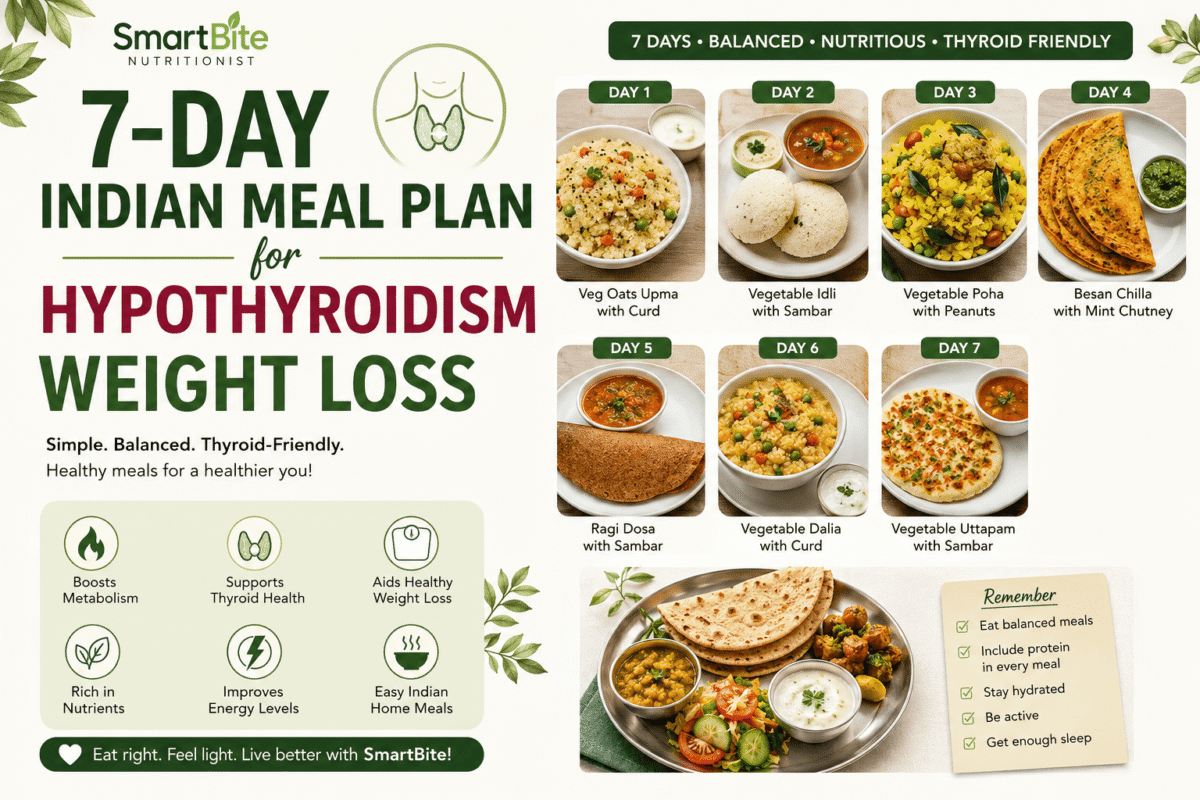
Sample 7-Day Weight Loss Breakfast Plan

Day Breakfast
Monday Vegetable oats upma
Tuesday Moong dal chilla with curd
Wednesday Vegetable poha
Thursday Idli with sambar
Friday Paneer bhurji with whole wheat toast
Saturday Sprouts salad
Sunday Ragi dosa with sambar

Can Breakfast Alone Help You Lose Weight?

No. Weight loss depends on your overall lifestyle, including balanced meals, regular physical activity, quality sleep, stress management, and maintaining a calorie deficit. However, starting your day with a nutritious breakfast can help reduce cravings, improve energy levels, and make it easier to follow a healthy eating plan throughout the day.

Why Choose Smartbite for Your Weight Loss Journey?

At Smartbite, we believe that every individual is different. There is no one-size-fits-all diet. Our experienced dietitians create personalized meal plans based on your:

  • Age
  • Lifestyle
  • Medical conditions
  • Food preferences
  • Weight loss goals

Whether you are managing obesity, PCOS, diabetes, or thyroid disorders, our evidence-based nutrition programs help you lose weight safely without crash diets or starvation.

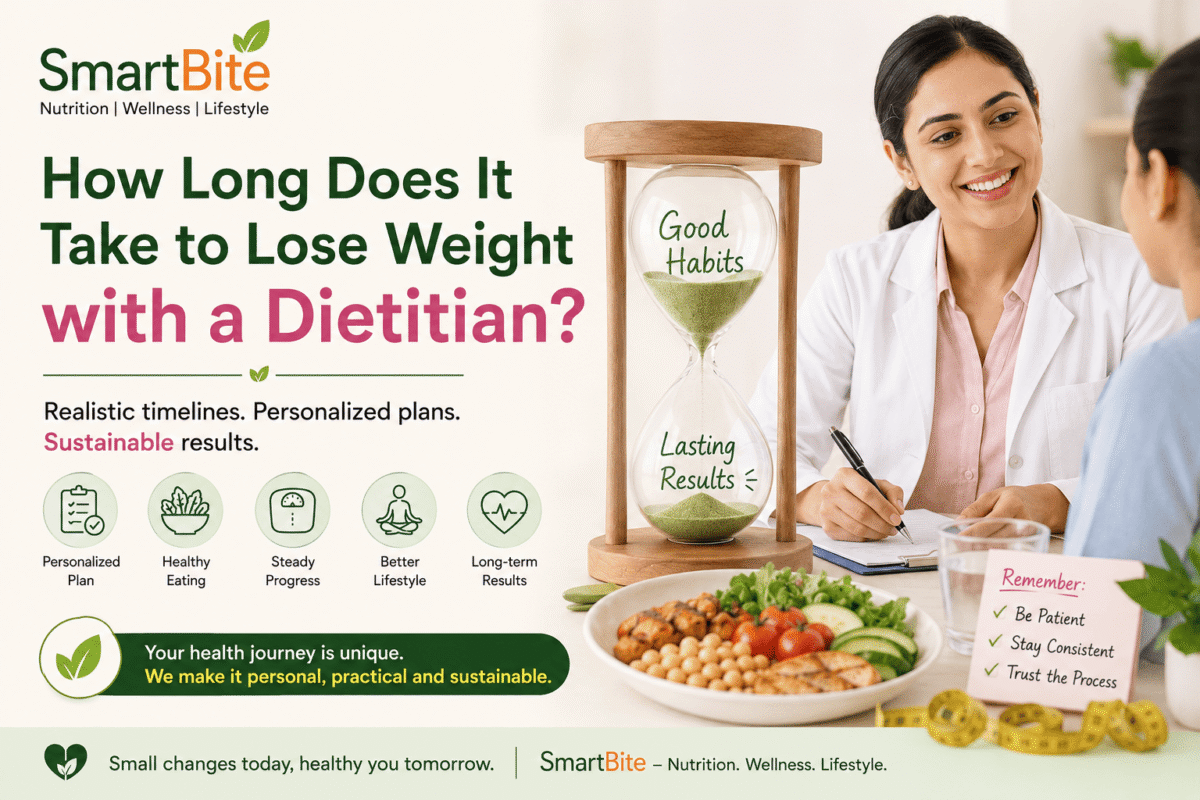
How Long Does It Take to Lose Weight with a Dietitian?

Many people start their weight loss journey with one common question: “How long will it take to lose weight with a dietitian?”

The honest answer is that there is no fixed timeline for everyone. Weight loss depends on several factors, including your current weight, age, activity level, health conditions, eating habits, sleep, stress, and how consistently you follow your plan.

Working with a weight loss dietitian can make the journey more personalised, structured, and sustainable. Instead of following a random diet from the internet, you get a plan designed according to your body, lifestyle, food preferences, and health goals.

What Is a Healthy Rate of Weight Loss?

A healthy weight loss plan usually focuses on gradual and sustainable progress rather than rapid results.

Some people may notice changes in the first few weeks, while others may need more time. In the beginning, changes in body water and eating habits can also affect the number on the weighing scale.

The goal should not be to lose weight as quickly as possible. The goal is to lose weight in a way that you can maintain for the long term.

A dietitian helps you focus on:

  • Healthy eating habits
  • Proper portion sizes
  • Balanced nutrition
  • Regular physical activity
  • Better sleep
  • Stress management
  • Long-term lifestyle changes

What Can You Expect During the First Few Weeks?

During the first few weeks, your dietitian may focus on understanding your current lifestyle and building healthy habits.

Your plan may include:

  • Eating more protein and fibre
  • Adding more vegetables and fruits
  • Reducing highly processed foods
  • Improving meal timing
  • Drinking enough water
  • Managing portion sizes
  • Creating a suitable exercise routine

At this stage, the focus may not only be on weight loss. You may also notice other positive changes, such as better digestion, improved energy, reduced cravings, and better control over your eating habits.

These changes are important because successful weight loss is about more than just a number on the scale.

Why Weight Loss Can Be Different for Everyone

Two people can follow similar diets but lose weight at different rates. This is completely normal.

Several factors can affect your progress.

  1. Your Starting Weight

People with a higher starting weight may sometimes see faster changes at the beginning. However, the rate of weight loss can slow down over time.

  1. Medical Conditions

Health conditions such as thyroid disorders, PCOS, diabetes, and other hormonal issues may affect weight management.

In such cases, a personalised plan from a qualified dietitian can help you manage your nutrition while considering your health needs.

  1. Your Daily Activity

Your activity level can affect how many calories your body uses. Walking, strength training, yoga, and other forms of exercise can support your weight loss journey.

The best exercise is often the one you can follow consistently.

  1. Sleep and Stress

Poor sleep and high stress can affect hunger, cravings, energy levels, and eating habits.

That is why a good weight loss plan should include healthy lifestyle habits, not just food restrictions.

  1. Consistency

Consistency is one of the most important factors in weight loss.

You do not need to follow your plan perfectly every single day. However, making healthy choices regularly can help you achieve better long-term results.

How a Dietitian Can Help You Lose Weight

A dietitian does more than simply give you a list of foods to eat and avoid.

A personalized weight loss dietitian near me programmed may include:

Personalized Meal Planning

Your meal plan can be designed according to your food preferences, lifestyle, work schedule, culture, and health goals.

This makes it easier to follow compared to a strict one-size-fits-all diet.

Portion Control

You do not necessarily need to remove all your favourite foods to lose weight.

A dietitian can help you understand portion sizes and create a balanced eating pattern that you can follow in your daily life.

Managing Cravings

Cravings are common during weight loss. Instead of completely ignoring them, a dietitian can help you understand your eating patterns and find healthier ways to manage cravings.

Tracking Your Progress

Your progress may be measured in different ways, including:

  • Changes in body weight
  • Body measurements
  • Energy levels
  • Eating habits
  • Physical activity
  • Sleep quality
  • Overall health improvements

The scale is only one part of your progress.

Making Changes When Needed

Weight loss is not always a straight line. You may lose weight quickly at one stage and more slowly at another.

A dietitian can review your progress and make suitable changes to your nutrition plan.

Is Fast Weight Loss Better?

Not always.

Very restrictive diets may lead to quick changes, but they can be difficult to maintain. Some people may return to old eating habits after stopping the diet.

A sustainable weight loss plan focuses on building habits that can continue even after you reach your goal.

This means learning how to:

  • Make better food choices
  • Eat balanced meals
  • Enjoy favourite foods in moderation
  • Manage social occasions
  • Stay active
  • Maintain your weight after losing it

The best diet is one that supports your health and fits into your lifestyle.

When Should You Expect to See Results?

Some people may notice changes within a few weeks, while others may take longer.

Your results may depend on:

  • Your starting weight
  • Your health condition
  • Your nutrition plan
  • Your activity level
  • Your sleep and stress
  • Your consistency

Instead of asking, “How quickly can I lose weight?”, it may be better to ask:

“Can I follow this plan for the long term?”

A plan that helps you lose weight gradually while improving your eating habits can be more valuable than a short-term crash diet.

What Happens After You Reach Your Weight Loss Goal?

Reaching your target weight is not the end of the journey.

Many people regain weight because they stop following healthy habits after reaching their goal.

A dietitian can also help you with weight maintenance. This may involve gradually adjusting your food intake and continuing healthy habits that support your new weight.

The goal is to make healthy eating a normal part of your lifestyle.

Final Thoughts

So, how long does it take to lose weight with a dietitian?

The answer is different for every person. Your weight loss timeline depends on your body, health, lifestyle, goals, and consistency.

A dietitian can help you create a personalised plan that focuses on healthy and sustainable progress. Instead of following extreme diets, you can learn how to make better food choices and build habits that support your long-term health.

Remember, weight loss is not a race. Small, consistent changes can lead to meaningful results over time.

Weight Loss Tips for Thyroid Patients A Practical Guide

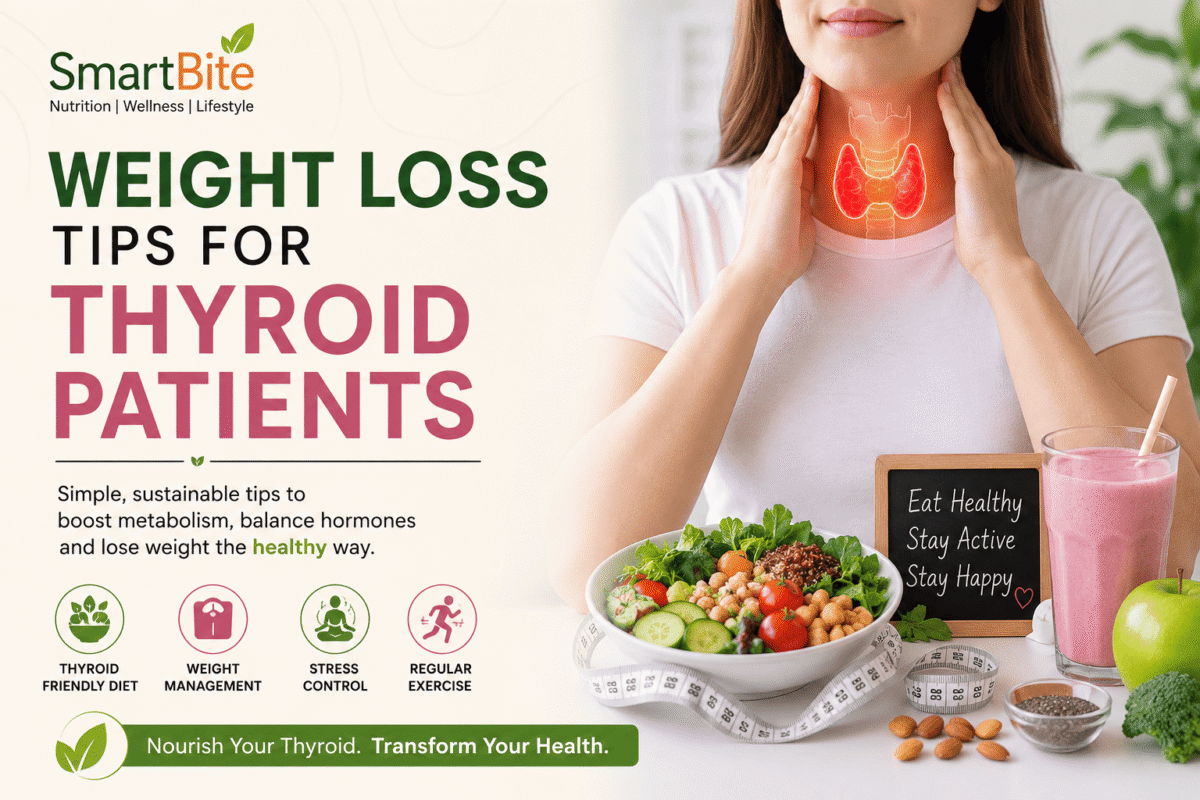
Weight Loss Tips for Thyroid Patients: A Practical Guide

Losing weight can sometimes feel difficult when you have a thyroid condition, especially hypothyroidism. A slow metabolism, tiredness, hormonal changes, water retention, and changes in appetite can make weight management more challenging.

However, having a thyroid condition does not mean that healthy weight loss is impossible. With the right medical treatment, balanced nutrition, regular physical activity, and patience, many people can work towards their health and weight goals.

If you are looking for Weight Loss Tips for Thyroid Patients, the most important thing to remember is that there is no single diet that works for everyone. Your nutrition plan should be based on your thyroid condition, health history, medication, lifestyle, food preferences, and personal goals.

Why Can Thyroid Problems Make Weight Loss Difficult?

The thyroid gland plays an important role in regulating metabolism. In hypothyroidism, the body may produce fewer thyroid hormones, which can slow down several body processes.

Some people may experience:

  • Weight gain
  • Low energy
  • Tiredness
  • Feeling cold
  • Constipation
  • Difficulty losing weight
  • Changes in mood
  • Water retention

These symptoms can make it harder to maintain an active lifestyle and follow a regular eating routine.

However, weight gain is not always caused by thyroid problems alone. Food habits, sleep, stress, physical activity, medications, and other health conditions can also affect weight. This is why personalized guidance can be helpful.

  1. Follow Your Prescribed Thyroid Treatment

The first step in managing your health is to follow the treatment recommended by your doctor. If you have been prescribed thyroid medication, take it as directed by your healthcare professional.

Do not stop or change your medication without medical advice. A healthy diet can support your overall health, but it should not replace prescribed medical treatment.

  1. Focus on Balanced Meals

A balanced meal should provide a combination of protein, fibre, healthy fats, and suitable carbohydrates.

For example, your meal may include:

  • Vegetables
  • Dal or other pulses
  • Eggs, fish, chicken, paneer, or tofu
  • Whole grains
  • Curd or other suitable dairy products
  • Nuts and seeds in suitable portions

A balanced meal can help you feel satisfied and may make it easier to maintain a consistent eating pattern.

  1. Include Enough Protein

Protein is important for maintaining muscle mass and supporting overall health. It may also help you feel full for longer.

Good protein sources can include:

  • Eggs
  • Fish
  • Chicken
  • Paneer
  • Tofu
  • Dal
  • Beans
  • Curd
  • Greek yoghurt

Your exact protein requirements depend on your age, body weight, health condition, activity level, and personal goals.

  1. Eat More Fibre-Rich Foods

Vegetables, fruits, pulses, beans, oats, and whole grains can provide fibre.

Fibre can support digestive health and help make meals more filling. If you are increasing your fibre intake, do so gradually and drink enough fluids unless your doctor has advised otherwise.

  1. Avoid Extreme Diets

Crash diets and very restrictive eating plans may promise fast weight loss, but they are often difficult to maintain.

Extreme diets may also lead to:

  • Low energy
  • Poor nutrition
  • Increased cravings
  • Loss of muscle mass
  • Difficulty following the plan long-term

A sustainable Thyroid Diet Plan should focus on balanced nutrition and realistic habits rather than extreme food restrictions.

  1. Be Careful with Unnecessary Food Restrictions

Many thyroid patients receive advice to completely avoid large groups of foods. However, food restrictions should be based on individual health needs.

For example, some foods may be suitable for one person but may need to be limited for another person because of an allergy, intolerance, medical condition, or medication-related concern.

A qualified Thyroid Dietitian in Bangalore can help you understand which foods are suitable for your individual needs.

  1. Add Regular Physical Activity

Exercise can support weight management, muscle strength, energy, and overall health.

Depending on your fitness level and medical condition, you may include:

  • Walking
  • Strength training
  • Yoga
  • Cycling
  • Swimming
  • Other enjoyable physical activities

If you are very tired or have other health concerns, start slowly and speak with your healthcare professional before beginning a new exercise programmed.

  1. Focus on Strength Training

When trying to lose weight, maintaining muscle is important. Strength training can help support muscle health and improve physical strength.

You can start with simple exercises using your body weight, resistance bands, or light weights. A fitness professional can help you choose exercises that are suitable for your ability and goals.

  1. Improve Your Sleep

Poor sleep can affect hunger, energy, cravings, and daily activity levels.

Try to follow a regular sleep routine and create healthy bedtime habits. If you regularly experience serious sleep problems, speak with a healthcare professional.

  1. Manage Stress

Stress can affect eating habits, sleep, energy, and overall well-being. Some people may eat more when they feel stressed, while others may skip meals.

Simple activities such as walking, breathing exercises, yoga, relaxation, hobbies, and spending time with loved ones may help support better stress management.

How Can a Thyroid Dietitian Help with Weight Loss?

A personalized nutrition plan can be helpful because thyroid patients may have different health needs and symptoms.

A professional Thyroid Dietitian in Bangalore can help you:

  • Review your current food habits
  • Understand your health goals
  • Create a personalized diet plan
  • Support healthy weight management
  • Improve meal balance
  • Guide you on suitable food choices
  • Help you develop sustainable eating habits

At SmartBite, nutrition plans are designed according to individual needs instead of following a one-size-fits-all approach. The focus is on practical, evidence-based nutrition and sustainable lifestyle changes.

When Should You Consult a Professional?

Consider speaking with a doctor or qualified nutrition professional if you have:

  • Unexplained weight gain
  • Difficulty losing weight despite consistent efforts
  • Persistent tiredness
  • Thyroid-related symptoms
  • Changes in appetite
  • Concerns about your diet or medication
  • Difficulty managing your daily eating routine

If you are searching for a Weight Loss Dietitian in Bangalore or a Thyroid Nutritionist in Bangalore, professional guidance can help you follow a more structured and personalized approach.

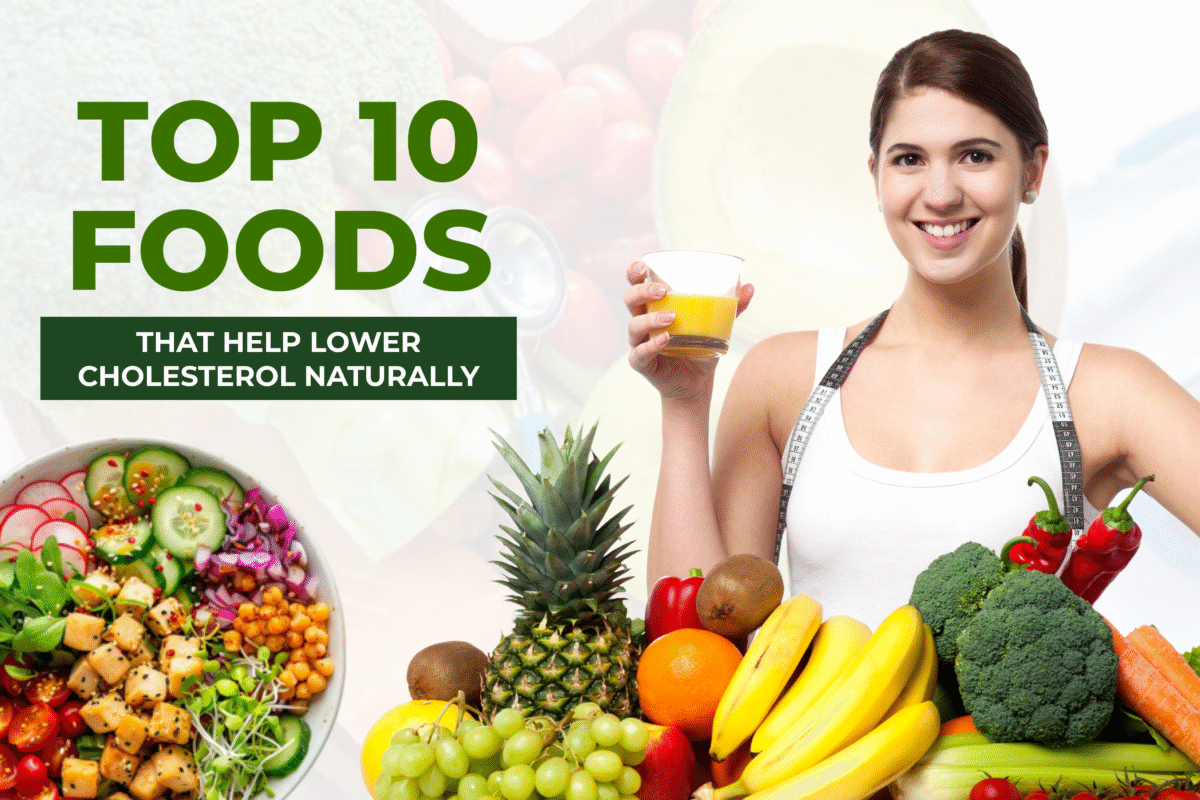
Top 10 Foods That Help Lower Cholesterol Naturally

Top 10 Foods That Help Lower Cholesterol Naturally

Introduction

High cholesterol is one of the major risk factors for heart disease and stroke. While medications may be necessary in some cases, making healthy dietary changes can significantly improve cholesterol levels. Including heart-friendly foods in your daily diet can help reduce LDL (“bad”) cholesterol and support overall cardiovascular health.

Here are the top 10 foods that can help lower cholesterol naturally.

1. Oats and Whole Grains

Oats are rich in soluble fiber called beta-glucan, which helps remove excess cholesterol from the body.

Include:

  • Oatmeal
  • Barley
  • Brown rice
  • Whole wheat

2. Nuts

Almonds and walnuts contain healthy fats, fiber, and antioxidants that support heart health.

Recommended intake:
A small handful (20–30 grams) daily.

3. Fatty Fish

Fish rich in omega-3 fatty acids help lower triglycerides and improve heart health.

Best options:

  • Salmon
  • Sardines
  • Mackerel
  • Tuna

4. Beans and Lentils

Legumes are excellent sources of plant protein and fiber, which help reduce LDL cholesterol.

Examples:

  • Rajma
  • Chickpeas
  • Moong dal
  • Masoor dal

5. Fruits Rich in Fiber

Fruits contain soluble fiber and antioxidants that help maintain healthy cholesterol levels.

Best choices:

  • Apples
  • Oranges
  • Berries
  • Guava
  • Pears

6. Leafy Green Vegetables

Green vegetables provide fiber and antioxidants that support heart health.

Include:

  • Spinach
  • Fenugreek leaves
  • Kale
  • Broccoli

7. Flaxseeds and Chia Seeds

These seeds are packed with omega-3 fatty acids and fiber that help lower bad cholesterol naturally.

Tip:
Add one to two tablespoons to smoothies, curd, or salads.

8. Garlic

Garlic contains compounds that may help reduce LDL cholesterol and support healthy blood pressure.

How to use:
Add fresh garlic to soups, curries, and salads.

9. Avocados

Avocados provide heart-healthy monounsaturated fats that help improve cholesterol balance.

10. Olive Oil

Replacing saturated fats with olive oil can help reduce bad cholesterol and promote heart health.

Foods to Limit

Avoid excessive intake of:

  • Fried foods
  • Processed snacks
  • Sugary beverages
  • Bakery products
  • Trans fats
  • Red meat and processed meats

Lifestyle Tips for Healthy Cholesterol

  • Exercise for at least 30 minutes most days.
  • Maintain a healthy body weight.
  • Avoid smoking.
  • Manage stress effectively.
  • Get regular health check-ups.

When Should You Consult a Nutritionist?

If you have:

  • High cholesterol levels
  • Diabetes
  • Thyroid disorders
  • Obesity
  • Family history of heart disease

A personalized nutrition plan can help improve your cholesterol levels and reduce the risk of heart disease.

Frequently Asked Questions (FAQs)

1. Which foods are best for lowering cholesterol naturally?

Foods rich in soluble fiber and healthy fats, such as oats, nuts, beans, fatty fish, fruits, leafy vegetables, flaxseeds, chia seeds, garlic, avocados, and olive oil, can help lower LDL (bad cholesterol) and support heart health.

2. Can oats really help reduce cholesterol?

Yes. Oats contain a type of soluble fiber called beta-glucan, which helps reduce the absorption of cholesterol into the bloodstream and lowers LDL cholesterol levels.

3. How long does it take for diet changes to lower cholesterol?

Most people may see improvements in their cholesterol levels within 6–12 weeks of consistently following a heart-healthy diet and active lifestyle. Individual results may vary.

4. Are nuts good for people with high cholesterol?

Yes. Almonds, walnuts, pistachios, and other unsalted nuts contain healthy fats, fiber, and antioxidants that help improve cholesterol levels when eaten in moderation.

5. Can I lower cholesterol naturally without medication?

In many cases, healthy eating, regular exercise, maintaining a healthy weight, and avoiding smoking can help lower cholesterol naturally. However, some people may still require medication based on their cholesterol levels and overall health, so it’s important to consult a healthcare professional.

Conclusion

Lowering cholesterol naturally is possible with the right food choices and healthy lifestyle habits. Incorporating fiber-rich foods, healthy fats, fruits, vegetables, and regular exercise can help protect your heart and improve overall well-being.

At SmartBite Nutrition Clinic, Dt. Nazish Akhtar provides personalized diet plans for cholesterol management, weight loss, diabetes, PCOS, thyroid disorders, and overall wellness.

Do not let another year pass making the same resolutions. Take the next step today.

📍 Book your consultation now at www.smartbite.in – and start your transformation today.


Can Weight Loss Help Lower Cholesterol Naturally?

Can Weight Loss Help Lower Cholesterol Naturally?

Introduction

High cholesterol is a major risk factor for heart disease and stroke. Many people wonder whether losing weight can improve their cholesterol levels naturally. The answer is yes. Healthy weight loss, combined with a balanced diet and regular physical activity, can help reduce LDL (bad cholesterol), increase HDL (good cholesterol), and improve overall heart health.

How Are Weight and Cholesterol Connected?

Excess body fat, especially around the abdomen, can affect the body’s ability to regulate fats and cholesterol. Being overweight may:

  • Increase LDL (bad cholesterol)
  • Raise triglyceride levels
  • Lower HDL (good cholesterol)
  • Increase the risk of heart disease and diabetes

Losing even 5–10% of body weight can significantly improve cholesterol levels and overall metabolic health.

Benefits of Weight Loss for Cholesterol

1. Reduces Bad Cholesterol (LDL)

Healthy weight loss can help decrease LDL cholesterol, reducing the risk of plaque buildup in arteries.

2. Increases Good Cholesterol (HDL)

Regular exercise and healthy eating can improve HDL cholesterol, which helps remove excess cholesterol from the bloodstream.

3. Lowers Triglycerides

Weight loss and reduced sugar intake can help lower triglycerides, another important marker of heart health.

4. Improves Insulin Sensitivity

Maintaining a healthy weight helps the body use insulin more effectively and reduces the risk of type 2 diabetes.

Best Foods for Weight Loss and Cholesterol Management

Include:

  • Oats and whole grains
  • Fruits and vegetables
  • Lentils and legumes
  • Nuts and seeds
  • Fatty fish rich in omega-3
  • Low-fat dairy products
  • Olive oil and healthy fats

Foods to Limit

Avoid excessive intake of:

  • Fried foods
  • Processed snacks
  • Sugary beverages
  • Bakery products
  • Trans fats
  • Red meat and processed meats

Lifestyle Tips to Lower Cholesterol Naturally

Exercise Regularly

Aim for at least 150 minutes of moderate physical activity every week.

Good options include:

  • Walking
  • Cycling
  • Swimming
  • Strength training
  • Yoga

Maintain a Healthy Weight

Gradual and sustainable weight loss is more effective than crash diets.

Manage Stress

Stress can negatively affect heart health. Practice meditation, yoga, and relaxation techniques.

Get Quality Sleep

Aim for 7–9 hours of sleep every night to support metabolism and overall health.

When Should You Consult a Nutritionist?

Seek professional guidance if you have:

  • High cholesterol levels
  • Obesity or overweight
  • Diabetes
  • Thyroid disorders
  • PCOS
  • Family history of heart disease

A personalized nutrition plan can help you achieve healthy weight loss and better cholesterol control.

Frequently Asked Questions (FAQs)

Can losing weight lower cholesterol naturally?

Yes. Losing even 5–10% of your body weight can help reduce LDL (bad cholesterol), lower triglycerides, and improve HDL (good cholesterol), supporting better heart health.

How much weight do I need to lose to improve cholesterol levels?

Even a modest weight loss of 5–10% of your current body weight can significantly improve cholesterol levels and reduce the risk of heart disease.

Which foods help lower cholesterol and support weight loss?

Foods such as oats, fruits, vegetables, lentils, nuts, seeds, fatty fish, and healthy fats like olive oil can help lower cholesterol naturally and support healthy weight loss.

Can exercise help lower cholesterol?

Yes. Regular physical activity can increase HDL (good cholesterol), lower LDL (bad cholesterol), and improve overall cardiovascular health. Aim for at least 150 minutes of moderate exercise per week.

Conclusion

Weight loss can play an important role in lowering cholesterol naturally and improving heart health. By adopting healthy eating habits, staying physically active, and maintaining a healthy lifestyle, you can achieve long-term wellness and reduce your risk of cardiovascular disease.

At SmartBite Nutrition Clinic, Dt. Nazish Akhtar provides personalized nutrition plans for cholesterol management, weight loss, diabetes, PCOS, thyroid disorders, and overall wellness.

Do not let another year pass making the same resolutions. Take the next step today.

📍 Book your consultation now at www.smartbite.in – and start your transformation today.


Why Thyroid Disorders Can Make Weight Loss Difficult

Thyroid disorders are a common yet often overlooked reason why weight loss can feel unusually difficult. The thyroid gland plays a crucial role in regulating metabolism the process by which your body converts food into energy. When this gland doesn’t function properly, it can significantly impact how your body burns calories.

In conditions like hypothyroidism (under-active thyroid), the body produces lower levels of thyroid hormones. This slows down metabolic rate, meaning fewer calories are burned at rest. As a result, even with a healthy diet and regular exercise, weight loss may be slow or stagnant. Fatigue, low energy levels, and reduced motivation common symptoms of thyroid disorders can further limit physical activity, compounding the issue.

Hormonal imbalance caused by thyroid dysfunction can also affect hunger and satiety signals. Many individuals experience increased cravings, particularly for carbohydrates, which can lead to higher calorie intake. Additionally, water retention and bloating are common, often making weight gain appear more significant.

Another factor is the impact on muscle mass. A slower metabolism can lead to gradual muscle loss, which further reduces the body’s ability to burn calories efficiently. Over time, this creates a cycle where losing weight becomes increasingly challenging.

This is where smart bite nutrition can make a meaningful difference. Instead of focusing solely on reducing calories, it emphasizes supporting metabolic and hormonal health through balanced eating. Including iodine-rich foods, selenium sources, lean proteins, and fiber-rich vegetables can help support thyroid function and improve overall metabolism.

Regular strength training is particularly beneficial, as it helps preserve muscle mass and boost metabolic rate. Pairing this with moderate cardio, proper hydration, and consistent sleep patterns can further support weight management. Managing stress is equally important, as chronic stress can negatively affect thyroid function.

It’s also essential to seek medical guidance and follow prescribed treatments if you have a diagnosed thyroid condition. With the right combination of medical care, lifestyle changes, and approaches like smart bite nutrition, weight loss becomes more achievable and sustainable over time. Ultimately, patience and consistency are key. Progress may be slower, but with the right knowledge and approach, achieving and maintaining a healthy weight is absolutely possible.

PCOS Weight Loss Expert

PCOS Weight Loss Expert | Anti-Inflammatory Nutrition for Hormone Balance in Bangalore

Living with Polycystic Ovary Syndrome (PCOS) can feel heavy, especially when weight gain, tiredness, and mood changes keep showing up again and again. Many women in Bangalore now want more than just tablets; they are looking for simple, natural ways to support their body every day. A PCOS weight loss expert can help you do this in a safe and realistic way.

Instead of forcing strict diets, the focus is on finding what triggers inflammation and hormone imbalance in your body. When inflammation slowly comes down, hormones start to settle, and this can support better energy, better sleep, and gentle weight loss over time. The aim is not quick results but steady progress that you can maintain in real life.

An anti-inflammatory way of eating uses basic, real food. You can include more vegetables, leafy greens, fresh fruits, whole grains, lentils, nuts, seeds, and good fats like groundnut or olive oil. Simple meals like stir-fried vegetables, dal, rice, salads, and homemade soups can fit easily into a typical Bangalore routine. Cutting down on packaged snacks, sugary drinks, white bread, fried stuff, and extra sugar can ease bloating, acne, and those strong cravings.

Some dietitians monitor your sleep working hours, local food habits and sleep schedules to keep the plan practical, food, light movement like walking, yoga, or simple home workouts can support better insulin control and lower stress, which are both linked to PCOS symptoms. So, choosing a professional nutritionist for PCOS strengthen you with knowledge and personal care.

Every woman is different, so what works for one person may not work for another. Working with a PCOS weight loss expert helps you find a plan that matches your body and mind. With small daily changes and an anti-inflammatory diet, hormone balance and healthy, steady weight loss become more possible and less stressful.

The Science Behind Sustainable Weight Loss

Why Fad Diets Fail : The Science Behind Sustainable Weight Loss

Fad diets often promise dramatic results in very little time, attracting people who want quick fixes rather than long-term lifestyle change. While these diets may lead to initial weight loss, the science behind the body’s metabolic response explains why the results rarely last. Many fad diets severely restrict calories or eliminate entire food groups, prompting the body to enter “survival mode.” As a result, the metabolism slows down, muscle mass decreases, and fat loss becomes increasingly difficult to sustain.

Another major reason fad diets fail is because they are not aligned with human biology or behavioral patterns. The body thrives on consistency, balanced nutrition, and gradual habit formation, whereas fad diets rely on extreme rules that are nearly impossible to maintain. When individuals inevitably return to normal eating, the rapid weight regain often known as “rebound weight”, can be even higher than before. This cycle not only affects physical health but also leads to emotional stress, frustration, and a damaged relationship with food.

True sustainable weight loss is rooted in science-backed principles: balanced nutrition, gradual calorie adjustment, adequate protein intake, and mindful eating habits. These approaches support stable blood sugar levels, preserve muscle mass, and keep the metabolism functioning efficiently. Unlike fad diets, sustainable methods encourage realistic, flexible, and enjoyable routines that can be followed for years rather than weeks.

So, the real question is: are you looking for another quick fix, or are you ready for a transformation that actually lasts? Take a moment and think about your last diet attempt. Did it feel restrictive, exhausting, or impossible to maintain? If yes, your body wasn’t the problem, the approach was. Sustainable weight loss happens when you choose consistency over complexity and nourishment over deprivation. Start with one simple habit today: maybe it’s adding more protein to your meals, taking a short walk, or drinking enough water. Small steps, when repeated, turn into big change. Ready to build a healthier lifestyle the right way? Your long-term journey starts with one mindful decision today.

Postpartum Hormones & Weight Loss

Postpartum Hormones & Weight Loss: What Really Works

The postpartum period brings immense hormonal changes—shifts in estrogen, progesterone, insulin, and cortisol can directly affect metabolism, mood, and weight loss. Many new mothers feel frustrated when the scale doesn’t move, even with diet and exercise. This is completely normal, and with the right approach guided by the best dietician, healthy progress is absolutely possible.

How Postpartum Hormones Affect Weight Loss

After delivery, hormone levels fluctuate dramatically. These changes can influence appetite, fat storage, sleep cycles, and emotional wellbeing. According to experts like Dietician Nazish Akhtar, understanding these hormonal patterns helps mothers choose a sustainable and scientific weight-loss strategy.

What Actually Works for Postpartum Weight Loss

Here are practical, safe, and effective tips recommended by leading experts and the best nutritionist teams:

1. Balance Your MealsInclude protein in every meal to stabilise blood sugar.

  • Add healthy fats (nuts, seeds, ghee) to support hormone regulation.
  • Priorities fiber-rich foods for digestion and fullness.
  • Follow frameworks suggested by SmartBite Nutrition for structured eating.

2. Focus on Gentle Fat-Burning Activities

  • Begin with walking, stretching, and low-impact workouts.
  • Avoid intense exercises too early, as they increase cortisol and hinder weight loss.

3. Support Your Sleep Cycle

  • Sleep deprivation increases hunger hormones (ghrelin).
  • Take short naps, share nighttime duties, or follow sleep-rotation with partners.

4. Manage Emotional Eating

  • Postpartum stress can trigger cravings.
  • Keep healthy snacks handy and practice mindful eating.

5. Hydration & Hormone Health

  • Drink 2–3 litres of water daily.
  • Herbal teas (like fennel or cinnamon) support metabolism.

Consult a Certified Expert

Personalised nutrition guidance from professionals like Dietician Nazish Akhtar or the team at SmartBite Nutritionist in Bangalore can make postpartum weight management easier, safer, and more effective. With consistency, patience, and the right hormonal support, postpartum weight loss becomes a smooth, achievable journey for every new mother.

Remember, your body has done something extraordinary. Give yourself time, nourish yourself with care, and lean on expert support when needed. With patience and smart nutrition strategies, postpartum weight loss becomes not just achievable but empowering.

Easy Meals That Help Postpartum Moms Lose Weight Without Cooking Separately

Reimagining Postpartum Nutrition for the Modern Mother

For many new mothers, the postpartum phase brings a profound shift in priorities nurturing the newborn often takes precedence over self-care. Between sleepless nights, feeding schedules, and the pressures of returning to work, preparing separate diet meals can feel impossible. At Smart Bite Nutrition, we understand this reality and design integrated meal strategies that enable postpartum mothers to lose weight safely while sharing the same food as their families.

The key lies not in restrictive dieting, but in strategic meal composition balancing macronutrients, controlling portion sizes, and incorporating nutrient-dense foods that support lactation, recovery, and metabolism simultaneously.

  1. Balanced Breakfasts That Energies the Day

A well-structured breakfast sets the metabolic tone for the day. Instead of sugary or refined options, Smart Bite Nutrition recommends fiber-rich and protein-focused choices such as:

  • Oats upma with vegetables or moong dal chilla – providing slow-release carbohydrates and plant-based protein.
  • Ragi porridge with nuts and seeds – a calcium-rich option that promotes bone health and sustained energy.
  • Greek yogurt parfait with fresh fruit and chia seeds – supporting gut health and hydration.

Smart Bite Insight: Incorporating nuts, seeds, and dairy improves healthy fat intake, vital for hormonal balance and steady milk supply.

  1. One-Pot Lunches that Nourish and Simplify

Family meals can easily double as balanced postpartum options with minor modifications.

  • Vegetable dal khichdi or brown rice with dal and sabzi offer an ideal mix of carbohydrates, protein, and fiber.
  • Quinoa or millet pulao can replace white rice for enhanced satiety and mineral density.
  • Grilled chicken or tofu with steamed vegetables adds lean protein to sustain energy and aid tissue repair.

Smart Bite Insight: Use minimal oil, include herbs like turmeric and cumin for digestion, and maintain moderate ghee use for postpartum recovery.

  1. Evening Meals for Metabolic Support

Dinner should be light, protein-oriented, and easy to digest.

  • Lentil soups, stir-fried vegetables, or paneer wraps are ideal.
  • Replace refined carbs with whole grains or legumes to regulate blood sugar and prevent late-night cravings.

Smart Bite Insight: Avoid skipping meals, controlled, consistent eating maintains hormonal equilibrium and supports steady weight loss.

  1. Smart Snacking for Sustained Energy

Mid-meal options like roasted chickpeas, nuts, makhana, or fruit smoothies with oats curb hunger between meals without excess calories.

The Smart Bite Nutrition Perspective

At Smart Bite Nutrition, weight loss nutrition is approached holistically focusing on restoration, resilience, and long-term health rather than rapid weight loss. Every plan is scientifically structured to ensure that lactating mothers meet their caloric and micronutrient requirements while achieving gradual, sustainable fat loss.

By adopting these simple, family-inclusive meals, mothers can reclaim their strength, maintain milk production, and manage weight effectively all without cooking separately.

Because at Smart Bite Nutrition, we make nourishment practical, evidence-based, and achievable for every modern mother.

After delivery, eating the right food is very important for recovery and baby care. A healthy postpartum dinner should be light, nourishing, and easy to digest. Many mothers prefer simple postpartum recipes and traditional postpartum food recipes Indian style. Homemade meals and healthy Indian snacks for breastfeeding moms help improve energy, support milk supply, and keep the body strong during the healing period.

X