
Monthly Archives: June 2026

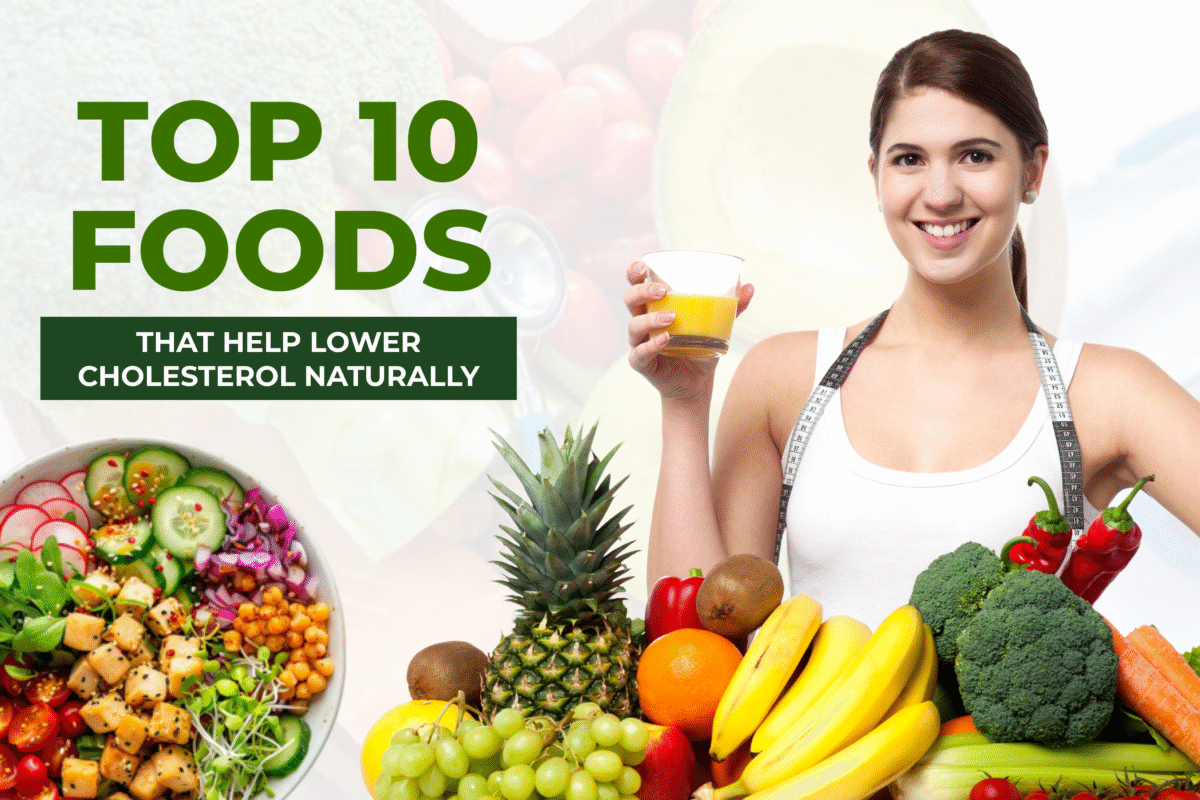
Top 10 Foods That Help Lower Cholesterol Naturally

Top 10 Foods That Help Lower Cholesterol Naturally

Introduction

High cholesterol is one of the major risk factors for heart disease and stroke. While medications may be necessary in some cases, making healthy dietary changes can significantly improve cholesterol levels. Including heart-friendly foods in your daily diet can help reduce LDL (“bad”) cholesterol and support overall cardiovascular health.

Here are the top 10 foods that can help lower cholesterol naturally.

1. Oats and Whole Grains

Oats are rich in soluble fiber called beta-glucan, which helps remove excess cholesterol from the body.

Include:

  • Oatmeal
  • Barley
  • Brown rice
  • Whole wheat

2. Nuts

Almonds and walnuts contain healthy fats, fiber, and antioxidants that support heart health.

Recommended intake:
A small handful (20–30 grams) daily.

3. Fatty Fish

Fish rich in omega-3 fatty acids help lower triglycerides and improve heart health.

Best options:

  • Salmon
  • Sardines
  • Mackerel
  • Tuna

4. Beans and Lentils

Legumes are excellent sources of plant protein and fiber, which help reduce LDL cholesterol.

Examples:

  • Rajma
  • Chickpeas
  • Moong dal
  • Masoor dal

5. Fruits Rich in Fiber

Fruits contain soluble fiber and antioxidants that help maintain healthy cholesterol levels.

Best choices:

  • Apples
  • Oranges
  • Berries
  • Guava
  • Pears

6. Leafy Green Vegetables

Green vegetables provide fiber and antioxidants that support heart health.

Include:

  • Spinach
  • Fenugreek leaves
  • Kale
  • Broccoli

7. Flaxseeds and Chia Seeds

These seeds are packed with omega-3 fatty acids and fiber that help lower bad cholesterol naturally.

Tip:
Add one to two tablespoons to smoothies, curd, or salads.

8. Garlic

Garlic contains compounds that may help reduce LDL cholesterol and support healthy blood pressure.

How to use:
Add fresh garlic to soups, curries, and salads.

9. Avocados

Avocados provide heart-healthy monounsaturated fats that help improve cholesterol balance.

10. Olive Oil

Replacing saturated fats with olive oil can help reduce bad cholesterol and promote heart health.

Foods to Limit

Avoid excessive intake of:

  • Fried foods
  • Processed snacks
  • Sugary beverages
  • Bakery products
  • Trans fats
  • Red meat and processed meats

Lifestyle Tips for Healthy Cholesterol

  • Exercise for at least 30 minutes most days.
  • Maintain a healthy body weight.
  • Avoid smoking.
  • Manage stress effectively.
  • Get regular health check-ups.

When Should You Consult a Nutritionist?

If you have:

  • High cholesterol levels
  • Diabetes
  • Thyroid disorders
  • Obesity
  • Family history of heart disease

A personalized nutrition plan can help improve your cholesterol levels and reduce the risk of heart disease.

Frequently Asked Questions (FAQs)

1. Which foods are best for lowering cholesterol naturally?

Foods rich in soluble fiber and healthy fats, such as oats, nuts, beans, fatty fish, fruits, leafy vegetables, flaxseeds, chia seeds, garlic, avocados, and olive oil, can help lower LDL (bad cholesterol) and support heart health.

2. Can oats really help reduce cholesterol?

Yes. Oats contain a type of soluble fiber called beta-glucan, which helps reduce the absorption of cholesterol into the bloodstream and lowers LDL cholesterol levels.

3. How long does it take for diet changes to lower cholesterol?

Most people may see improvements in their cholesterol levels within 6–12 weeks of consistently following a heart-healthy diet and active lifestyle. Individual results may vary.

4. Are nuts good for people with high cholesterol?

Yes. Almonds, walnuts, pistachios, and other unsalted nuts contain healthy fats, fiber, and antioxidants that help improve cholesterol levels when eaten in moderation.

5. Can I lower cholesterol naturally without medication?

In many cases, healthy eating, regular exercise, maintaining a healthy weight, and avoiding smoking can help lower cholesterol naturally. However, some people may still require medication based on their cholesterol levels and overall health, so it’s important to consult a healthcare professional.

Conclusion

Lowering cholesterol naturally is possible with the right food choices and healthy lifestyle habits. Incorporating fiber-rich foods, healthy fats, fruits, vegetables, and regular exercise can help protect your heart and improve overall well-being.

At SmartBite Nutrition Clinic, Dt. Nazish Akhtar provides personalized diet plans for cholesterol management, weight loss, diabetes, PCOS, thyroid disorders, and overall wellness.

Do not let another year pass making the same resolutions. Take the next step today.

📍 Book your consultation now at www.smartbite.in – and start your transformation today.
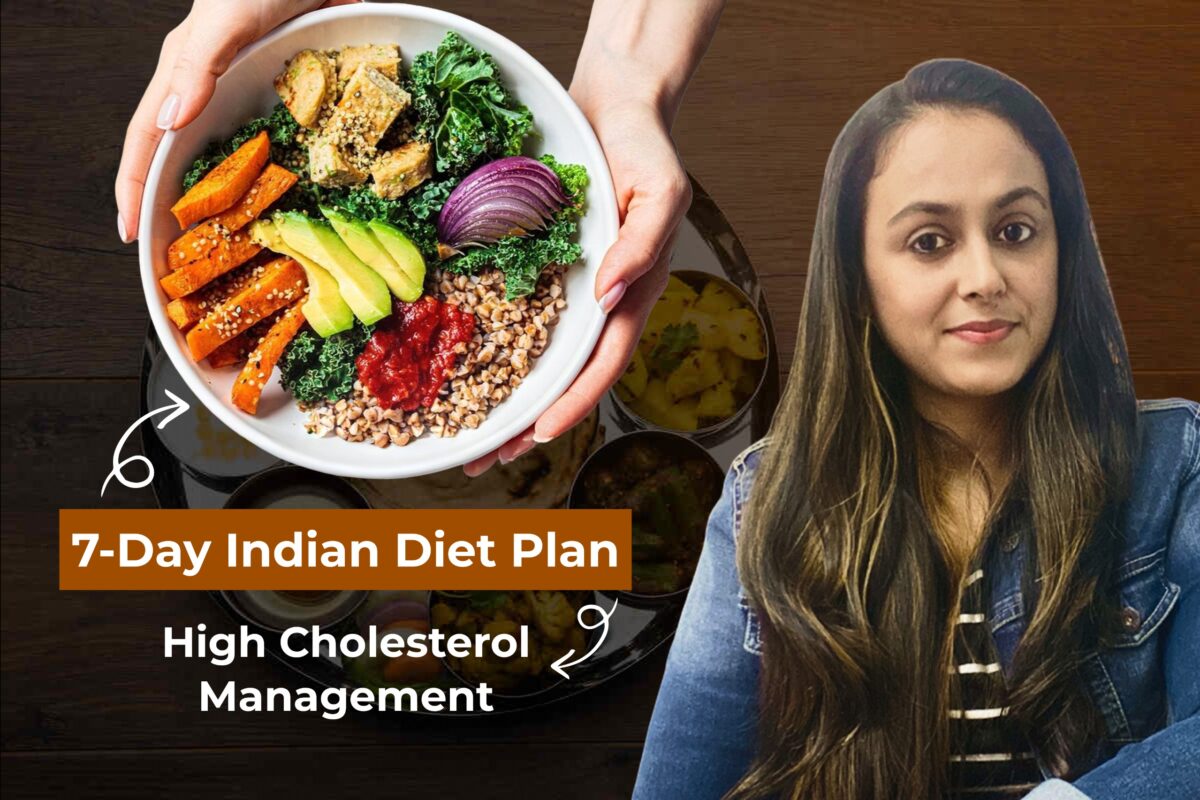
 

7-Day Indian Diet Plan for High Cholesterol Management

7-Day Indian Diet Plan for High Cholesterol Management

Introduction

High cholesterol is a major risk factor for heart disease and stroke. Fortunately, healthy eating and lifestyle changes can help manage cholesterol levels naturally. A balanced Indian diet rich in fiber, healthy fats, and plant-based proteins can help lower LDL (bad cholesterol) and support overall heart health.

Here is a simple 7-day Indian diet plan for managing high cholesterol.


Day 1

Breakfast

Vegetable oats upma + Green tea

Mid-Morning Snack

1 Apple

Lunch

2 Whole wheat rotis + Mixed vegetable curry + Dal + Salad

Evening Snack

Handful of almonds and walnuts

Dinner

Moong dal khichdi + Cucumber raita


Day 2

Breakfast

Vegetable poha + Buttermilk

Mid-Morning Snack

1 Orange

Lunch

Brown rice + Rajma curry + Salad

Evening Snack

Roasted chana

Dinner

Grilled fish or paneer + Stir-fried vegetables


Day 3

Breakfast

Oats porridge with flaxseeds

Mid-Morning Snack

Guava

Lunch

2 Rotis + Chole curry + Vegetable salad

Evening Snack

Green tea + Sprouts salad

Dinner

Vegetable soup + Whole wheat chapati


Day 4

Breakfast

Idli with sambar

Mid-Morning Snack

Papaya

Lunch

Brown rice + Sambar + Beans poriyal

Evening Snack

Handful of walnuts

Dinner

Paneer bhurji with multigrain roti


Day 5

Breakfast

Vegetable dosa with coconut chutney

Mid-Morning Snack

Pear

Lunch

2 Rotis + Mixed vegetable curry + Dal

Evening Snack

Roasted makhana

Dinner

Grilled chicken or tofu with sautéed vegetables


Day 6

Breakfast

Besan chilla with mint chutney

Mid-Morning Snack

Watermelon

Lunch

Millet khichdi + Curd + Salad

Evening Snack

Green tea and roasted peanuts

Dinner

Vegetable soup with whole wheat toast


Day 7

Breakfast

Vegetable upma + Fresh fruit

Mid-Morning Snack

Pomegranate

Lunch

Brown rice + Fish curry or dal + Salad

Evening Snack

Sprouts chaat

Dinner

Mixed vegetable stew + Chapati


Foods to Include

  • Oats and whole grains
  • Fruits and vegetables
  • Lentils and legumes
  • Nuts and seeds
  • Fatty fish
  • Olive oil
  • Low-fat dairy products

Foods to Avoid

  • Fried foods
  • Bakery products
  • Sugary drinks
  • Processed snacks
  • Red meat
  • Butter and ghee in excess
  • Foods high in trans fats

Lifestyle Tips for Healthy Cholesterol

  • Exercise for at least 30–45 minutes daily.
  • Maintain a healthy body weight.
  • Manage stress through yoga and meditation.
  • Avoid smoking and excessive alcohol.
  • Get regular lipid profile check-ups.

When Should You Consult a Nutritionist?

Seek professional guidance if you have:

  • High cholesterol levels
  • Diabetes
  • Obesity
  • Hypertension
  • Thyroid disorders
  • Family history of heart disease

A personalized diet plan can help improve cholesterol levels and reduce the risk of cardiovascular diseases.

Frequently Asked Questions (FAQs)

What is the best Indian diet for high cholesterol?

A diet rich in oats, whole grains, fruits, vegetables, legumes, nuts, seeds, and healthy fats can help lower cholesterol and improve heart health.

Which foods should I avoid if I have high cholesterol?

Avoid fried foods, processed snacks, sugary beverages, bakery products, trans fats, and excessive amounts of red meat, butter, and ghee.

Can oats help lower cholesterol levels?

Yes. Oats contain soluble fiber called beta-glucan, which helps reduce LDL (bad cholesterol) and supports heart health.

How long does it take to lower cholesterol through diet?

With consistent dietary and lifestyle changes, many people may notice improvements in cholesterol levels within 6–12 weeks, depending on their overall health and habits.

Conclusion

Managing cholesterol naturally is possible with the right diet and lifestyle. A balanced Indian meal plan rich in fiber, healthy fats, fruits, vegetables, and regular exercise can significantly improve heart health.

At SmartBite Nutrition Clinic, Dt. Nazish Akhtar provides personalized nutrition plans for cholesterol management, weight loss, diabetes, PCOS, thyroid disorders, and overall wellness.

Do not let another year pass making the same resolutions. Take the next step today.

📍 Book your consultation now at www.smartbite.in – and start your transformation today.
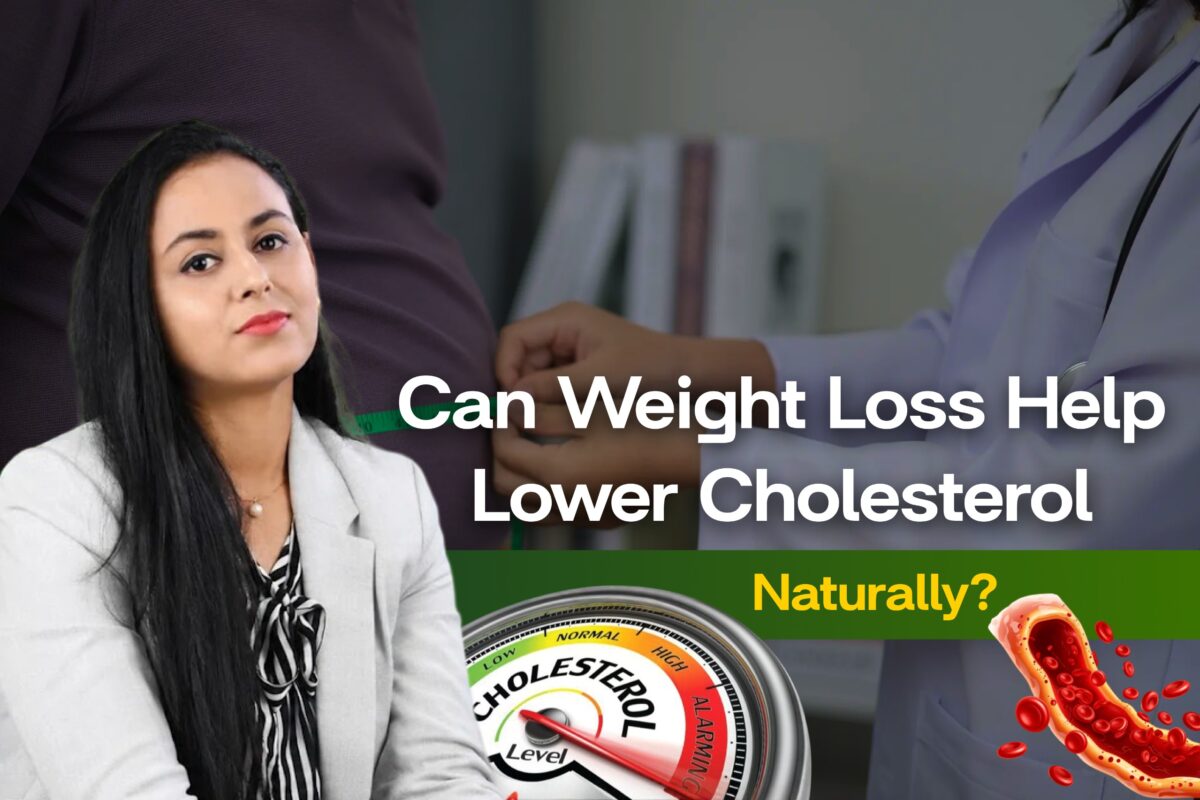
 

Can Weight Loss Help Lower Cholesterol Naturally?

Can Weight Loss Help Lower Cholesterol Naturally?

Introduction

High cholesterol is a major risk factor for heart disease and stroke. Many people wonder whether losing weight can improve their cholesterol levels naturally. The answer is yes. Healthy weight loss, combined with a balanced diet and regular physical activity, can help reduce LDL (bad cholesterol), increase HDL (good cholesterol), and improve overall heart health.

How Are Weight and Cholesterol Connected?

Excess body fat, especially around the abdomen, can affect the body’s ability to regulate fats and cholesterol. Being overweight may:

  • Increase LDL (bad cholesterol)
  • Raise triglyceride levels
  • Lower HDL (good cholesterol)
  • Increase the risk of heart disease and diabetes

Losing even 5–10% of body weight can significantly improve cholesterol levels and overall metabolic health.

Benefits of Weight Loss for Cholesterol

1. Reduces Bad Cholesterol (LDL)

Healthy weight loss can help decrease LDL cholesterol, reducing the risk of plaque buildup in arteries.

2. Increases Good Cholesterol (HDL)

Regular exercise and healthy eating can improve HDL cholesterol, which helps remove excess cholesterol from the bloodstream.

3. Lowers Triglycerides

Weight loss and reduced sugar intake can help lower triglycerides, another important marker of heart health.

4. Improves Insulin Sensitivity

Maintaining a healthy weight helps the body use insulin more effectively and reduces the risk of type 2 diabetes.

Best Foods for Weight Loss and Cholesterol Management

Include:

  • Oats and whole grains
  • Fruits and vegetables
  • Lentils and legumes
  • Nuts and seeds
  • Fatty fish rich in omega-3
  • Low-fat dairy products
  • Olive oil and healthy fats

Foods to Limit

Avoid excessive intake of:

  • Fried foods
  • Processed snacks
  • Sugary beverages
  • Bakery products
  • Trans fats
  • Red meat and processed meats

Lifestyle Tips to Lower Cholesterol Naturally

Exercise Regularly

Aim for at least 150 minutes of moderate physical activity every week.

Good options include:

  • Walking
  • Cycling
  • Swimming
  • Strength training
  • Yoga

Maintain a Healthy Weight

Gradual and sustainable weight loss is more effective than crash diets.

Manage Stress

Stress can negatively affect heart health. Practice meditation, yoga, and relaxation techniques.

Get Quality Sleep

Aim for 7–9 hours of sleep every night to support metabolism and overall health.

When Should You Consult a Nutritionist?

Seek professional guidance if you have:

  • High cholesterol levels
  • Obesity or overweight
  • Diabetes
  • Thyroid disorders
  • PCOS
  • Family history of heart disease

A personalized nutrition plan can help you achieve healthy weight loss and better cholesterol control.

Frequently Asked Questions (FAQs)

Can losing weight lower cholesterol naturally?

Yes. Losing even 5–10% of your body weight can help reduce LDL (bad cholesterol), lower triglycerides, and improve HDL (good cholesterol), supporting better heart health.

How much weight do I need to lose to improve cholesterol levels?

Even a modest weight loss of 5–10% of your current body weight can significantly improve cholesterol levels and reduce the risk of heart disease.

Which foods help lower cholesterol and support weight loss?

Foods such as oats, fruits, vegetables, lentils, nuts, seeds, fatty fish, and healthy fats like olive oil can help lower cholesterol naturally and support healthy weight loss.

Can exercise help lower cholesterol?

Yes. Regular physical activity can increase HDL (good cholesterol), lower LDL (bad cholesterol), and improve overall cardiovascular health. Aim for at least 150 minutes of moderate exercise per week.

Conclusion

Weight loss can play an important role in lowering cholesterol naturally and improving heart health. By adopting healthy eating habits, staying physically active, and maintaining a healthy lifestyle, you can achieve long-term wellness and reduce your risk of cardiovascular disease.

At SmartBite Nutrition Clinic, Dt. Nazish Akhtar provides personalized nutrition plans for cholesterol management, weight loss, diabetes, PCOS, thyroid disorders, and overall wellness.

Do not let another year pass making the same resolutions. Take the next step today.

📍 Book your consultation now at www.smartbite.in – and start your transformation today.
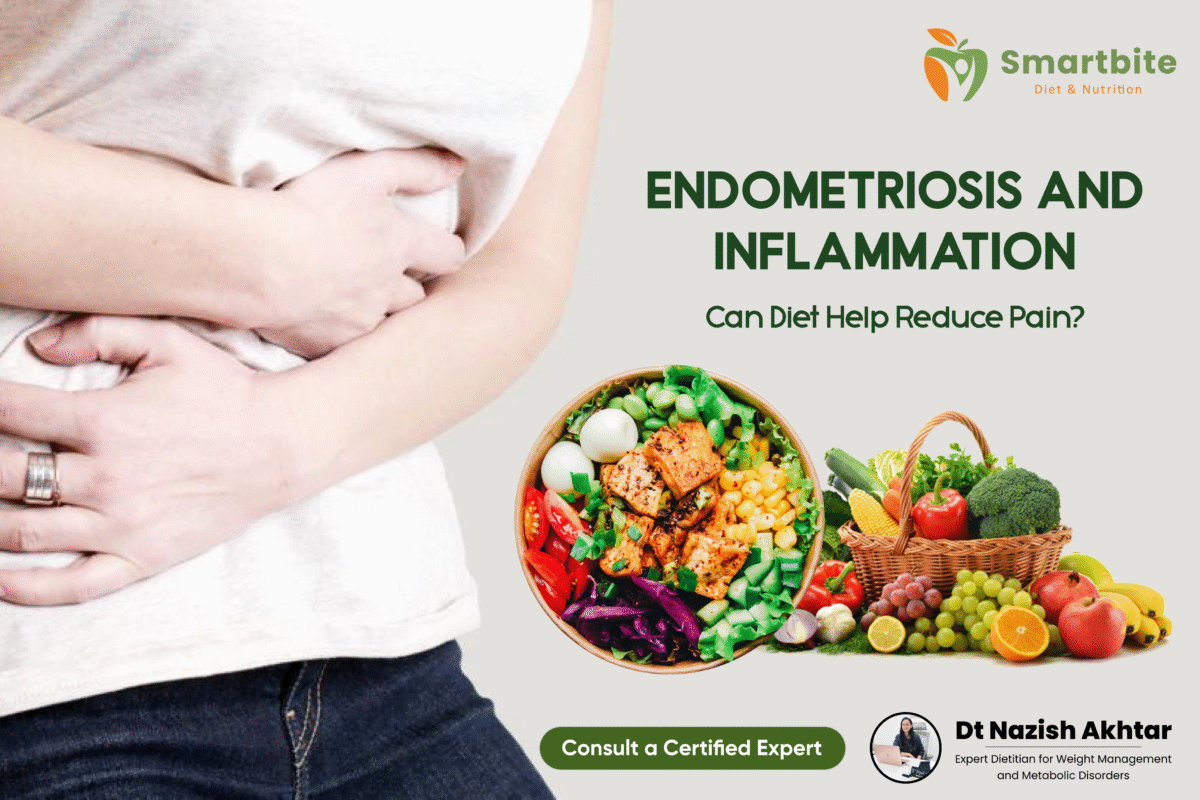
 

Endometriosis and Inflammation: Can Diet Help Reduce Pain?

Endometriosis and Inflammation: Can Diet Help Reduce Pain?

Introduction

Endometriosis is a chronic inflammatory condition that affects approximately 1 in 10 women of reproductive age. It can cause debilitating pelvic pain, painful periods, digestive issues, fatigue, and fertility challenges, significantly impacting quality of life.

While there is currently no cure for endometriosis, research suggests that inflammation plays a major role in the progression of the disease. The good news is that dietary and lifestyle modifications may help manage inflammation and potentially reduce pain and other symptoms.

In this article, we’ll explore the connection between endometriosis and inflammation and discuss how an anti-inflammatory diet may support symptom management.

What is Endometriosis?

Endometriosis occurs when tissue similar to the lining of the uterus grows outside the uterus. These growths are commonly found on:

  • Ovaries
  • Fallopian tubes
  • Bladder
  • Bowel
  • Pelvic lining

Like the uterine lining, these tissues respond to hormonal changes during the menstrual cycle. However, because the blood and tissue cannot leave the body normally, inflammation, scar tissue, and pain can develop over time.

Common Symptoms of Endometriosis

Symptoms may vary from person to person and include:

  • Severe menstrual cramps
  • Chronic pelvic pain
  • Heavy menstrual bleeding
  • Pain during intercourse
  • Painful bowel movements
  • Bloating and digestive discomfort
  • Fatigue
  • Lower back pain
  • Difficulty conceiving

Some women experience mild symptoms, while others may have severe pain that interferes with daily activities.

The Role of Inflammation in Endometriosis

Inflammation is one of the key factors involved in endometriosis.

Women with endometriosis often have increased levels of inflammatory substances in the body. This persistent inflammation may contribute to:

  • Increased pain sensitivity
  • Pelvic discomfort
  • Fatigue
  • Hormonal imbalance
  • Oxidative stress
  • Digestive symptoms

Reducing inflammation through nutrition and lifestyle changes may help improve symptom management and overall well-being.

Can Diet Help Reduce Endometriosis Pain?

Although diet cannot cure endometriosis, adopting an anti-inflammatory eating pattern may help:

  • Reduce inflammation
  • Support hormonal balance
  • Improve gut health
  • Decrease bloating
  • Enhance energy levels
  • Support immune function
  • Improve quality of life

Best Foods for Endometriosis

1. Fruits and Vegetables

Rich in antioxidants and phytonutrients, fruits and vegetables help combat inflammation.

Include:

  • Berries
  • Apples
  • Oranges
  • Spinach
  • Broccoli
  • Tomatoes
  • Carrots
  • Bell peppers

Aim for a colorful plate to maximize nutrient intake.

2. Omega-3 Fatty Acids

Omega-3 fats have powerful anti-inflammatory properties.

Good sources include:

  • Salmon
  • Sardines
  • Mackerel
  • Flaxseeds
  • Chia seeds
  • Walnuts

3. Whole Grains

Whole grains provide fiber that supports gut health and hormone metabolism.

Choose:

  • Oats
  • Brown rice
  • Quinoa
  • Whole wheat
  • Millets

4. Healthy Fats

Healthy fats may help reduce inflammation and support hormonal health.

Include:

  • Olive oil
  • Avocados
  • Almonds
  • Walnuts
  • Pumpkin seeds

5. Lean Protein Sources

Protein supports tissue repair and overall health.

Healthy options include:

  • Eggs
  • Fish
  • Chicken
  • Paneer
  • Tofu
  • Lentils
  • Beans

Foods That May Worsen Inflammation

Some foods may trigger or worsen symptoms in certain women.

Consider limiting:

Processed Foods

  • Packaged snacks
  • Fast food
  • Chips

Added Sugars

  • Soft drinks
  • Cakes
  • Sweets
  • Candy

Refined Carbohydrates

  • White bread
  • Pastries
  • Sugary cereals

Excess Red Meat

High intake of red and processed meat may increase inflammatory markers.

Excess Alcohol and Caffeine

These may aggravate symptoms in some individuals and should be consumed in moderation.

The Importance of Gut Health

Emerging research suggests that gut health and endometriosis may be closely linked.

To support a healthy gut microbiome, include:

  • Yogurt
  • Kefir
  • Fermented foods
  • Fruits and vegetables
  • Whole grains
  • Fiber-rich foods

A healthy gut may help regulate hormones and reduce inflammation.

Lifestyle Habits That May Help Manage Endometriosis

Exercise Regularly

Regular physical activity may:

  • Improve circulation
  • Reduce stress
  • Support hormonal balance
  • Enhance mood

Activities such as walking, yoga, swimming, and strength training are excellent options.

Prioritize Sleep

Aim for 7–9 hours of quality sleep each night to support recovery and reduce inflammation.

Manage Stress

Chronic stress can increase inflammatory responses and worsen symptoms.

Helpful stress-management techniques include:

  • Meditation
  • Deep breathing exercises
  • Yoga
  • Mindfulness practices

Stay Hydrated

Adequate water intake supports digestion and overall health and may help reduce bloating.

When Should You Consult a Nutritionist?

You should seek professional guidance if you experience:

  • Severe menstrual pain
  • Persistent bloating
  • Digestive issues
  • Chronic fatigue
  • Difficulty managing symptoms
  • Nutritional concerns

A personalized nutrition plan can help identify trigger foods and provide strategies tailored to your individual needs.

Frequently Asked Questions (FAQs)

Can diet cure endometriosis?

No. Diet cannot cure endometriosis, but it may help manage inflammation and reduce symptoms.

Which foods are best for endometriosis?

Fruits, vegetables, omega-3-rich foods, whole grains, healthy fats, and lean proteins are generally beneficial.

Does sugar increase inflammation?

Excess sugar and highly processed foods may contribute to inflammation and worsen symptoms in some women.

Is dairy bad for endometriosis?

Not necessarily. Some women tolerate dairy well, while others may notice symptom improvement by limiting certain dairy products.

Can maintaining a healthy weight help?

Yes. Maintaining a healthy weight may support hormonal balance and help manage inflammation.

Conclusion

Endometriosis is a complex inflammatory condition that affects many aspects of a woman’s health. While diet alone cannot cure endometriosis, an anti-inflammatory eating pattern and healthy lifestyle habits may help reduce pain, improve energy levels, and enhance quality of life.

At SmartBite Nutrition Clinic, we believe in a holistic approach to women’s health. Our personalized nutrition programs are designed to help women manage inflammation, support hormonal balance, and improve overall well-being naturally.

Do not let another year pass making the same resolutions. Take the next step today.

📍 Book your consultation now at www.smartbite.in – and start your transformation today.
Why You’re Not Losing Weight with PCOS Despite Eating Healthy

Why You’re Not Losing Weight with PCOS Despite Eating Healthy

Introduction

Are you eating healthy, exercising regularly, and still struggling to lose weight with PCOS? If so, you’re not alone. Many women with Polycystic Ovary Syndrome (PCOS) find that weight loss feels much harder compared to others.

The truth is, PCOS is more than just a reproductive disorder—it is a complex hormonal and metabolic condition that can affect insulin levels, appetite, metabolism, stress hormones, and even sleep. As a result, weight loss with PCOS requires a different approach than simply “eating less and exercising more.”

In this article, we’ll explore why weight loss can be challenging with PCOS and what you can do to achieve sustainable results.

Understanding PCOS and Weight Gain

PCOS affects hormones that regulate metabolism, blood sugar, and fat storage. Women with PCOS are more likely to experience:

  • Weight gain, especially around the abdomen
  • Increased hunger and cravings
  • Difficulty burning fat
  • Hormonal imbalance
  • Insulin resistance
  • Irregular menstrual cycles

These factors make losing weight more challenging, even when you’re making healthy choices.

1. Insulin Resistance May Be Slowing Down Weight Loss

Approximately 70–80% of women with PCOS have insulin resistance.

When your cells become resistant to insulin, the body produces more insulin to compensate. High insulin levels promote fat storage and make it difficult to lose weight.

Signs of Insulin Resistance

  • Belly fat accumulation
  • Sugar cravings
  • Fatigue after meals
  • Increased appetite
  • Difficulty losing weight

What Helps?

  • Eating balanced meals
  • Increasing protein intake
  • Choosing high-fiber foods
  • Exercising regularly
  • Avoiding sugary drinks and refined carbohydrates

2. You May Not Be Eating Enough Protein

Protein helps:

  • Control hunger
  • Reduce cravings
  • Maintain muscle mass
  • Improve metabolism

Low protein intake may leave you feeling hungry and increase snacking.

Good Protein Sources

  • Eggs
  • Chicken
  • Fish
  • Paneer
  • Greek yogurt
  • Tofu
  • Lentils and beans

Aim to include protein in every meal.

3. Chronic Stress Can Affect Weight Loss

Stress increases cortisol, commonly known as the “stress hormone.”

High cortisol levels may contribute to:

  • Increased appetite
  • Emotional eating
  • Belly fat storage
  • Poor sleep quality

Stress Management Strategies

  • Yoga
  • Meditation
  • Deep breathing exercises
  • Walking
  • Spending time outdoors

Managing stress is an important part of PCOS treatment.

4. Poor Sleep May Be Working Against You

Lack of sleep affects hormones that regulate hunger and fullness.

Poor sleep can lead to:

  • Increased cravings
  • Reduced energy
  • Higher cortisol levels
  • Slower metabolism

Aim for 7–9 hours of quality sleep every night.

5. Healthy Foods Can Still Be High in Calories

Foods like nuts, dried fruits, smoothies, and granola are nutritious but can be calorie-dense.

Portion control matters.

Focus on:

  • Balanced meals
  • Mindful eating
  • Proper meal timing
  • Avoiding unnecessary snacking

Remember, healthy eating isn’t just about food quality—it also involves quantity.

6. You’re Doing Too Much Cardio and Not Enough Strength Training

While cardio burns calories, strength training helps build muscle and improves insulin sensitivity.

Benefits of strength training include:

  • Increased metabolism
  • Better blood sugar control
  • Fat loss
  • Improved body composition

Aim to combine:

  • Strength training 2–3 times per week
  • Walking
  • Yoga
  • Cycling
  • Swimming

7. Hormonal Imbalances Can Affect Your Metabolism

PCOS often involves elevated androgen levels, which can influence:

  • Fat distribution
  • Appetite
  • Energy levels
  • Muscle mass

In some cases, thyroid disorders or vitamin deficiencies may also contribute to weight-loss resistance.

Consult your healthcare provider if weight loss remains difficult despite lifestyle changes.

8. Hidden Sugars and Processed Foods May Be Sabotaging Progress

Many packaged foods marketed as “healthy” contain added sugars and refined ingredients.

Common culprits include:

  • Flavored yogurt
  • Breakfast cereals
  • Granola bars
  • Fruit juices
  • Packaged smoothies

Reading food labels and choosing whole foods can make a big difference.

9. Crash Diets Can Slow Down Your Metabolism

Severely restricting calories may lead to:

  • Muscle loss
  • Increased cravings
  • Fatigue
  • Nutrient deficiencies
  • Slower metabolism

Instead of quick fixes, focus on sustainable lifestyle habits.

The Best Approach to Weight Loss with PCOS

Successful weight management with PCOS involves:

Balanced Nutrition

Include:

  • Lean protein
  • Whole grains
  • Fruits and vegetables
  • Healthy fats
  • High-fiber foods

Regular Physical Activity

Aim for at least 150 minutes per week.

Stress Management

Practice relaxation techniques regularly.

Quality Sleep

Prioritize consistent sleep schedules.

Consistency Over Perfection

Small, sustainable changes often produce the best long-term results.

When Should You Consult a Nutritionist?

Professional guidance can be beneficial if you experience:

  • Persistent weight gain
  • Strong food cravings
  • Irregular periods
  • Difficulty losing weight
  • Insulin resistance
  • Thyroid disorders
  • Emotional eating

A personalized nutrition plan can address your unique hormonal and metabolic needs.

Frequently Asked Questions (FAQs)

Why is it harder to lose weight with PCOS?

PCOS often involves insulin resistance and hormonal imbalances that promote fat storage and increase cravings.

Can I lose weight naturally with PCOS?

Yes. A balanced diet, regular exercise, stress management, and quality sleep can help support healthy weight loss.

Which diet is best for PCOS weight loss?

There is no one-size-fits-all approach. Diets rich in protein, fiber, healthy fats, and whole foods are generally beneficial.

How much weight loss is needed to improve PCOS symptoms?

Even a 5–10% reduction in body weight can improve hormone balance, insulin sensitivity, and menstrual regularity.

Should I avoid carbohydrates completely?

No. Complex carbohydrates such as oats, brown rice, millets, fruits, and vegetables can be part of a healthy PCOS diet.

Conclusion

If you’re not losing weight with PCOS despite eating healthy, it doesn’t mean you’re doing something wrong. PCOS affects hormones, metabolism, and insulin sensitivity, making weight loss more complex.

The key is to focus on sustainable habits rather than extreme diets. With the right nutrition, exercise, stress management, and professional support, healthy and lasting weight loss is possible.

At SmartBite Nutrition Clinic, we help women with PCOS achieve sustainable weight loss through personalized nutrition plans and lifestyle strategies tailored to their individual needs.

Do not let another year pass making the same resolutions. Take the next step today.

📍 Book your consultation now at www.smartbite.in – and start your transformation today.
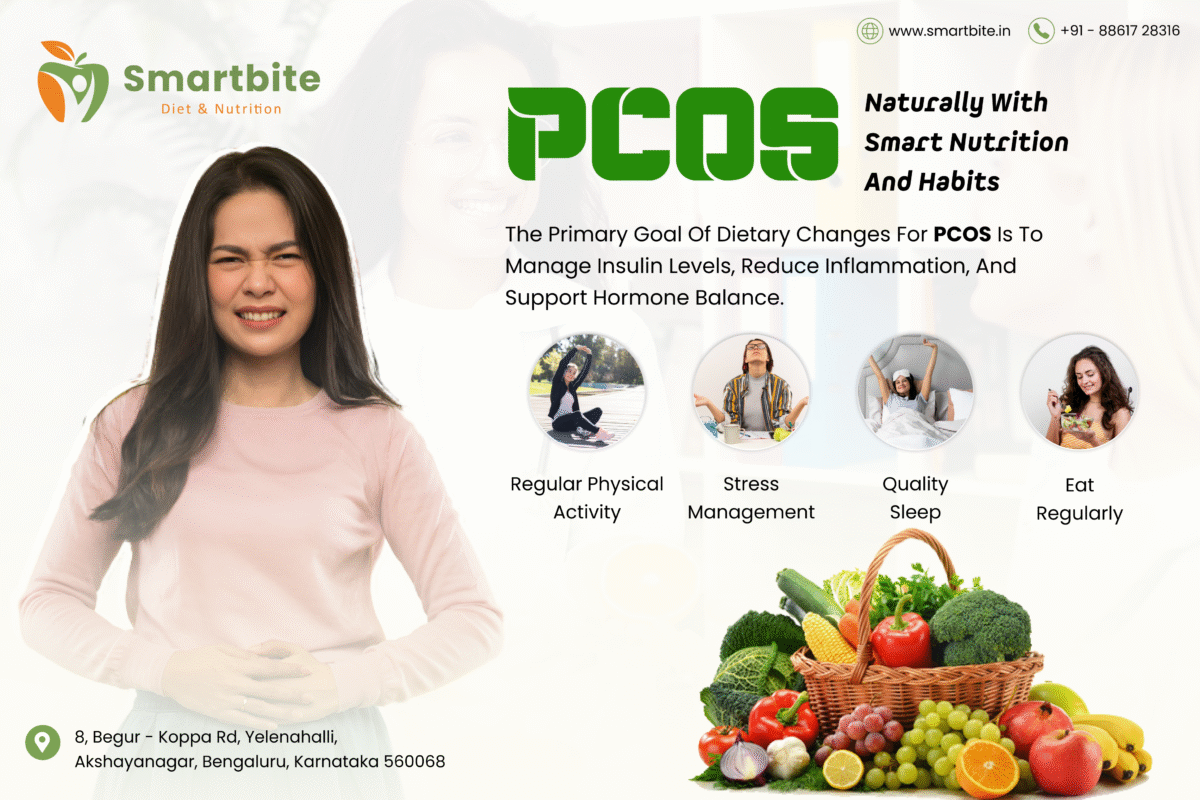
PCOS and Insulin Resistance: The Missing Link Behind Weight Gain and Cravings

PCOS and Insulin Resistance: The Missing Link Behind Weight Gain and Cravings


Introduction

Are you struggling with stubborn weight gain, constant sugar cravings, and difficulty losing weight despite eating healthy and exercising? If you have Polycystic Ovary Syndrome (PCOS), the underlying reason could be insulin resistance.

Insulin resistance is one of the most common yet often overlooked factors contributing to weight gain and metabolic issues in women with PCOS. Understanding this connection can help you manage your symptoms effectively and achieve sustainable weight loss.


What is PCOS?

Polycystic Ovary Syndrome (PCOS) is a hormonal disorder that affects women of reproductive age. It can cause:

  • Irregular or missed periods
  • Weight gain, especially around the abdomen
  • Acne and oily skin
  • Excess facial or body hair
  • Hair thinning or hair loss
  • Difficulty conceiving
  • Mood changes and fatigue

Around 70-80% of women with PCOS have insulin resistance, making it one of the key drivers of the condition.


What is Insulin Resistance?

Insulin is a hormone produced by the pancreas that helps move glucose (sugar) from the bloodstream into the body’s cells for energy.

In insulin resistance, the cells do not respond properly to insulin. As a result:

  • The body produces more insulin to compensate.
  • Excess insulin levels increase fat storage.
  • Blood sugar fluctuations trigger cravings and hunger.
  • Hormonal imbalance worsens PCOS symptoms.

How Insulin Resistance Causes Weight Gain

1. Increased Fat Storage

High insulin levels encourage the body to store excess calories as fat, particularly around the abdomen.

2. Frequent Hunger and Cravings

Blood sugar spikes and crashes can lead to:

  • Sugar cravings
  • Emotional eating
  • Increased appetite
  • Energy crashes

3. Slower Metabolism

Insulin resistance can make it harder for the body to burn fat efficiently, leading to gradual weight gain.

4. Increased Androgen Levels

Excess insulin stimulates the ovaries to produce more male hormones (androgens), which can worsen:

  • Acne
  • Irregular periods
  • Hair growth
  • Weight gain

Signs You May Have Insulin Resistance

Common symptoms include:

  • Difficulty losing weight
  • Cravings for sweets or carbohydrates
  • Fatigue after meals
  • Belly fat accumulation
  • Increased hunger
  • Dark patches around the neck or underarms (Acanthosis Nigricans)
  • Irregular periods
  • Elevated blood sugar levels

Best Diet for PCOS and Insulin Resistance

Focus on High-Fiber Foods

Fiber helps slow sugar absorption and improves insulin sensitivity.

Include:

  • Oats
  • Brown rice
  • Quinoa
  • Whole wheat
  • Vegetables
  • Fruits
  • Lentils and beans

Increase Protein Intake

Protein helps reduce cravings and keeps you fuller for longer.

Good sources include:

  • Eggs
  • Chicken
  • Fish
  • Paneer
  • Greek yogurt
  • Tofu
  • Dal and legumes

Choose Healthy Fats

Healthy fats support hormone balance and reduce inflammation.

Examples:

  • Nuts and seeds
  • Avocados
  • Olive oil
  • Flaxseeds
  • Chia seeds

Limit Refined Carbohydrates and Sugar

Reduce intake of:

  • White bread
  • Sugary drinks
  • Cakes and pastries
  • Cookies
  • Processed snacks
  • Packaged juices

Lifestyle Changes That Improve Insulin Sensitivity

Exercise Regularly

Aim for at least 150 minutes of physical activity per week.

Include:

  • Walking
  • Strength training
  • Yoga
  • Cycling
  • Swimming

Prioritize Sleep

Poor sleep can worsen insulin resistance and increase hunger hormones. Aim for 7–9 hours of quality sleep daily.

Manage Stress

Chronic stress raises cortisol levels, which may aggravate PCOS symptoms.

Helpful activities include:

  • Meditation
  • Deep breathing exercises
  • Yoga
  • Spending time outdoors

Stay Hydrated

Drinking enough water supports metabolism and overall health.


Can Weight Loss Improve PCOS?

Yes. Even losing 5-10% of body weight can significantly improve:

  • Menstrual regularity
  • Insulin sensitivity
  • Ovulation
  • Fertility
  • Energy levels
  • Hormonal balance

The goal should not be rapid weight loss but long-term, sustainable lifestyle changes.


When Should You Consult a Nutritionist?

If you experience:

  • Persistent weight gain
  • Irregular periods
  • Strong cravings
  • Difficulty losing weight
  • Prediabetes or diabetes
  • Hormonal imbalance

A personalized nutrition plan can help address the root cause and improve overall health.


Frequently Asked Questions (FAQs)

1. Does every woman with PCOS have insulin resistance?
No, but approximately 70-80% of women with PCOS are affected by insulin resistance.

2. Can insulin resistance be reversed?
Yes. Lifestyle changes, weight management, and proper nutrition can significantly improve insulin sensitivity.

3. Which foods should be avoided in PCOS?
Sugary drinks, refined flour products, processed snacks, and excessive sweets should be limited.

4. Is intermittent fasting beneficial for PCOS?
Some women may benefit from intermittent fasting, but it should be done under professional guidance to avoid hormonal imbalance.

5. Can losing weight help reduce PCOS symptoms?
Yes. Even modest weight loss can improve hormones, menstrual cycles, and fertility.


Conclusion

Insulin resistance is often the missing link behind weight gain and cravings in women with PCOS. By focusing on balanced nutrition, regular exercise, quality sleep, and stress management, it is possible to improve insulin sensitivity and regain control over your health.

At SmartBite Nutrition Clinic, we provide customized diet plans and lifestyle guidance to help women with PCOS achieve healthy, sustainable results.

Do not let another year pass making the same resolutions. Take the next step today.

📍 Book your consultation now at www.smartbite.in – and start your transformation today.
Best Dietitian in Akshayanagar for Weight Loss: Complete 2026 Guide

Best Dietitian in Akshayanagar for Weight Loss: Complete 2026 Guide

If you have been searching for best dietitian in Akshayanagar, you are not alone. Akshayanagar, one of Bangalore’s fastest-growing residential neighbourhoods, is home to thousands of working professionals and families who are increasingly aware of the link between healthy eating and long-term well-being. Yet with busy schedules, confusing online advice, and a flood of fad diets on social media, most people struggle to find a weight management approach that actually works and lasts.

That is exactly where Smartbite steps in. As a trusted nutrition and wellness clinic serving Akshayanagar and surrounding areas, Smartbite delivers science-backed, personalised diet plans designed around your health goals, medical history, food preferences, and lifestyle. Whether you want to lose weight, manage a health condition, or simply eat better, this guide covers everything you need to know before booking your first consultation.

Why Consult a Dietitian for Weight Loss?

Most people try to lose weight on their own through crash diets, skipping meals, or following generic plans found online. While these approaches might show short-term results, they rarely lead to sustainable fat loss and can sometimes cause nutritional deficiencies or hormonal imbalances. A qualified dietitian takes a completely different approach.

Personalised Meal Plans

No two bodies are the same. A certified dietitian studies your body composition, basal metabolic rate, food allergies, cultural dietary preferences, and activity levels before crafting a meal plan tailored specifically for you. This is fundamentally different from a one-size-fits-all diet chart you find online.

Sustainable Weight Management

Professional diet guidance focuses on long-term lifestyle changes rather than quick fixes. You learn how to eat smarter, understand food labels, manage portions, and make healthy choices even when dining out. This knowledge stays with you for life.

Medical Nutrition Therapy

If your weight gain is linked to conditions such as hypothyroidism, PCOS, insulin resistance, or type 2 diabetes, a dietitian can integrate medical nutrition therapy into your plan. Food becomes a tool for healing, not just calorie counting.

Lifestyle Modification Support

Beyond food, the best dietitians in Akshayanagar also guide you on hydration, sleep hygiene, stress eating patterns, and behaviour change strategies. This holistic approach dramatically improves your success rate compared to diet plans alone.

Qualities of the Best Dietitian in Akshayanagar

When searching for a weight loss nutritionist in Akshayanagar, look for these key qualities to ensure you are in the right hands:

Recognised Qualifications: A credible dietitian holds at least a Bachelor’s or Master’s degree in Food Science, Nutrition, or Dietetics, and is registered with the Indian Dietetic Association (IDA) or a recognised body.

Specialisation in Weight Management: Look for practitioners with specific experience in obesity treatment, metabolic disorders, and weight reduction programmes rather than general nutritional counselling alone.

Client-Centred Approach: The best dietitians listen first. They ask questions about your daily routine, stress levels, food habits, and past weight loss attempts before recommending anything.

Evidence-Based Practice: Avoid practitioners promoting supplements, detox teas, or extreme elimination diets. A trustworthy dietitian relies on peer-reviewed nutrition science.

Transparent Success Stories: Look for before-and-after transformations, client testimonials, and verifiable outcomes that demonstrate real results in real people.

Services Offered by Weight Loss Dietitians at Smartbite

Smartbite in Akshayanagar offers a comprehensive range of nutrition services designed to address diverse health and weight management needs:

  • Weight Reduction Programmes – Structured 4, 8, and 12-week programmes combining dietary planning, portion guidance, and regular follow-ups.
  • PCOS Weight Management – Hormone-balancing diet plans that address insulin resistance, reduce inflammation, and support healthy weight loss for women with polycystic ovary syndrome.
  • Thyroid Diet Plans – Customised nutrition strategies to support thyroid function and manage weight in hypothyroid or hyperthyroid patients.
  • Diabetes-Friendly Weight Loss Diets – Low-glycaemic, nutrient-rich meal plans that help control blood sugar while facilitating gradual fat loss.
  • Post-Pregnancy Weight Management – Safe, nourishing plans for new mothers looking to regain pre-pregnancy weight while maintaining milk supply and energy.
  • Gut Health & IBS Nutrition – Elimination and reintroduction protocols for digestive disorders that often interfere with metabolism and weight.
  • Online Dietitian Consultations – Video and chat-based consultations for Akshayanagar residents who prefer flexible, at-home appointments.

Top Dietitian and Nutrition Clinics Near Akshayanagar

Akshayanagar is conveniently located near several well-established nutrition clinics across South Bangalore. When evaluating your options, consider the following factors:

Clinic Name

ClinicSpecialtyMode
Smartbite, AkshayanagarWeight Loss, PCOS, Thyroid, DiabetesIn-Clinic & Online

Smartbite stands out for its personalised, condition-specific programmes and transparent client outcomes. Visit smartbite.in to explore current packages and availability.

Cost of Dietitian Consultation in Akshayanagar

Understanding the investment involved helps you plan your weight loss journey without financial surprises. Here is a general overview of dietitian consultation fees in Akshayanagar, Bangalore:

  • Initial Consultation: Typically ranges from ₹400 to ₹800 for a 45–60 minute session covering health assessment, goal setting, and a preliminary diet plan.
  • Monthly Weight Loss Packages: Comprehensive programmes including weekly or biweekly follow-ups usually range from ₹2,000 to ₹5,000 per month depending on the complexity of your condition and frequency of check-ins.
  • Online Consultations: Generally 15–20% more affordable than in-clinic visits, with the added convenience of attending from home or office. Smartbite offers structured online packages for Bangalore residents who prefer digital consultations.
  • Specialised Medical Nutrition Therapy: Condition-specific programmes for PCOS, thyroid, or diabetes management may be priced slightly higher due to additional monitoring and coordination with your treating physician.

Always ask about what is included in a package – diet plans, progress tracking, recipe guides, and WhatsApp support should ideally be part of the programme, not billed separately.

What to Expect During Your First Consultation at Smartbite

If this is your first time visiting a dietitian, here is a clear picture of what a professional consultation at Smartbite typically involves:

1. Comprehensive Health Assessment

Your dietitian will begin by reviewing your medical history, current medications, past diet attempts, blood reports (if available), and any diagnosed health conditions. This forms the clinical foundation of your personalised plan.

2. Body Composition Analysis

Beyond measuring your weight on a scale, a thorough body composition assessment measures your muscle mass, body fat percentage, visceral fat levels, and BMI. This data helps set realistic targets and track true progress beyond the numbers on a weighing scale.

3. Lifestyle and Food Habit Evaluation

Your dietitian will explore your daily schedule, meal timings, stress levels, sleep quality, physical activity, and social eating habits. This helps identify hidden barriers to weight loss that generic plans completely overlook.

4. Goal Setting and Expectation Management

You and your dietitian will collaboratively set achievable short-term and long-term goals. Healthy, sustainable weight loss is typically between 0.5 kg and 1 kg per week – anything more aggressive may indicate muscle or water loss rather than actual fat reduction.

5. Customised Diet Plan

You leave with a personalised meal plan designed around your food preferences, cultural habits, and health goals. It will specify meal timings, portion sizes, food combinations, and practical substitutes so you can follow it in real life without constant calculations.

Success Tips for Faster Weight Loss

Even the best diet plan in Akshayanagar will not deliver results without your consistent effort. Here are evidence-backed tips to accelerate your weight loss journey:

  • Consistency Over Perfection: Following your diet plan 80–85% of the time consistently will outperform a “perfect” plan followed only 3 days a week.
  • Stay Hydrated: Drinking 2.5–3 litres of water daily supports metabolism, reduces water retention, and often prevents hunger pangs caused by mild dehydration.
  • Prioritise Protein: Including a good protein source (eggs, lentils, paneer, legumes, fish) in every meal improves satiety and helps preserve muscle mass during fat loss.
  • Move Daily: Even a 30-minute brisk walk six days a week significantly complements your diet plan. Strength training 2–3 times per week enhances fat burning and metabolic rate.
  • Protect Your Sleep: Poor or insufficient sleep (less than 7 hours) raises cortisol and ghrelin levels, increasing cravings for sugary and fatty foods. Sleep is a non-negotiable pillar of weight management.
  • Manage Stress Proactively: Chronic stress triggers emotional eating and fat storage around the abdomen. Yoga, meditation, journaling, or simply a daily walk can meaningfully reduce stress-related weight gain.
  • Track Progress Beyond the Scale: Take weekly photos, measure your waist and hips, and note your energy levels. The scale often lags behind real body composition changes.

Frequently Asked Questions

Q: How much weight can I realistically lose in one month with a dietitian?

A: With professional dietary guidance and consistent effort, most people lose between 2–4 kg per month in a healthy and sustainable way. Rapid weight loss beyond this range is generally not advisable as it can lead to muscle loss, nutritional deficiencies, and metabolic slowdown.

Q: Does Smartbite provide written meal plans after consultation?

A: Yes. Every consultation at Smartbite results in a detailed, written personalised meal plan along with food swap guides, recipe suggestions, and guidance on dining out. Your plan is updated regularly based on your progress and feedback.

Q: Is an online dietitian consultation as effective as an in-person visit?

A: Online consultations are equally effective for most weight management and condition-specific nutrition goals. The advice, meal planning, and follow-up support are identical. The main difference is that certain physical measurements such as body composition analysis may require an in-clinic visit.

Q: How frequently should I follow up with my dietitian?

A: For the first four to six weeks, weekly or biweekly follow-ups are recommended to track progress, address challenges, and adjust the plan. Once you build consistency, monthly reviews are typically sufficient to maintain momentum.

Q: Can I consult a dietitian if I have thyroid or PCOS?

A: Absolutely. At Smartbite, condition-specific programmes for PCOS, hypothyroidism, and diabetes are among the most sought-after services. Your dietitian will coordinate your nutrition plan with your treating physician for integrated care.

Q: What is the best time to start a weight loss diet?

A: The best time is today. There is no ideal season, event, or weight milestone you need to wait for. Every day you delay is a day of opportunity missed. Book your consultation at smartbite.in and take that first concrete step.

Conclusion: Choose Smartbite for Your Weight Loss Journey in Akshayanagar

Losing weight is one of the most impactful things you can do for your health, confidence, and quality of life. But it is also one of the areas where wrong advice, unsustainable approaches, and lack of professional support cause the most harm. The good news is that help is available right in Akshayanagar.

Smartbite is committed to helping every client in Akshayanagar and across Bangalore achieve their health goals through evidence-based nutrition, personalised care, and ongoing support. Whether you need a practical weight loss diet, a medical nutrition plan for PCOS or thyroid, or simply want to develop healthier eating habits, Smartbite has the expertise and dedication to make that happen.

Do not let another year pass making the same resolutions. Take the next step today.

📍 Book your consultation now at www.smartbite.in – and start your transformation today.

X