Category Archives: PCOS

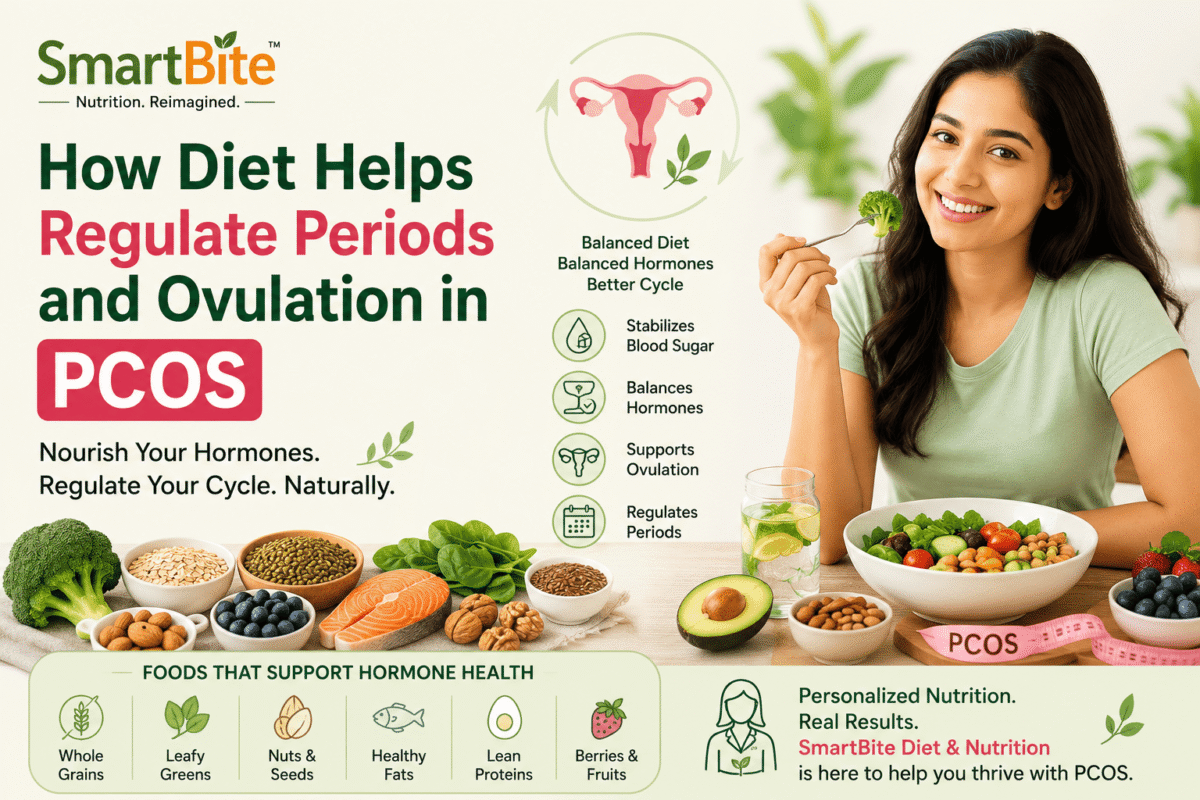
How Diet Helps Regulate Periods and Ovulation in PCOS

How Diet Helps Regulate Periods and Ovulation in PCOS

Polycystic Ovary Syndrome (PCOS) is one of the most common hormonal conditions affecting women of reproductive age. Irregular periods, delayed ovulation, weight gain, acne, and difficulty conceiving are some of the most common symptoms. While medications may be necessary in some cases, diet and lifestyle changes are considered the foundation of PCOS management and can play a major role in improving menstrual cycles and ovulation. Research shows that dietary changes can improve menstrual regularity, ovulation, and fertility outcomes, especially when tailored to the individual’s needs.

At SmartBite Diet & Nutrition, our experienced dietitians create personalized nutrition plans that help women manage PCOS naturally and improve their overall health.

Why Does PCOS Cause Irregular Periods?

PCOS is often linked with:

  • Insulin resistance
  • Hormonal imbalance
  • High androgen (male hormone) levels
  • Weight gain
  • Chronic inflammation

These factors interfere with normal ovulation. When ovulation does not occur regularly, periods become irregular or may stop for several months. PCOS is one of the leading causes of anovulation and infertility worldwide. (World Health Organization)

How Diet Helps Regulate Periods in PCOS

A balanced diet supports hormone balance by improving insulin sensitivity, reducing inflammation, and maintaining a healthy weight.

  1. Improves Insulin Sensitivity

Many women with PCOS have insulin resistance, causing the body to produce extra insulin. High insulin levels stimulate the ovaries to produce more androgens, disrupting ovulation.

Eating foods with a low glycemic index helps control blood sugar levels and improves insulin sensitivity.

Good choices include:

  • Whole grains
  • Oats
  • Brown rice
  • Millets
  • Lentils
  • Beans
  • Fresh vegetables
  1. Supports Healthy Ovulation

A nutrient-rich diet provides vitamins, minerals, protein, and healthy fats needed for hormone production and egg development.

Research indicates that dietary interventions can improve ovulation rates and menstrual regularity in women with PCOS. (PMC)

  1. Helps with Weight Management

Even a modest weight loss of 5–10% in women who are overweight can improve hormone balance and increase the chances of regular ovulation. Healthy eating combined with regular physical activity is recommended as first-line management for many women with PCOS.

Best Foods for PCOS

Include these foods regularly:

  • High-fiber vegetables
  • Fresh fruits in moderation
  • Whole grains
  • Lean proteins
  • Eggs
  • Fish
  • Greek yogurt
  • Nuts and seeds
  • Healthy fats like olive oil and avocado

These foods help stabilize blood sugar and keep you feeling full for longer.

Foods to Limit

Reducing certain foods may help improve insulin resistance and inflammation.

Limit:

  • Sugary drinks
  • Cakes and pastries
  • White bread
  • Refined flour products
  • Deep-fried foods
  • Processed snacks
  • Excess sweets

There is no single “PCOS diet” that works for everyone, but balanced, sustainable eating patterns are generally recommended over restrictive diets.

Nutrients That Support Hormonal Health

Certain nutrients are especially important for women with PCOS:

  • Protein
  • Omega-3 fatty acids
  • Vitamin D
  • Magnesium
  • Zinc
  • Iron
  • Folate

Some women may also benefit from supplements such as inositol under the guidance of a healthcare professional, as evidence suggests it can improve insulin sensitivity and support ovulation in some cases. (PubMed)

Lifestyle Habits That Improve PCOS

Diet works best when combined with healthy lifestyle habits.

Try to:

  • Exercise for at least 30 minutes most days
  • Sleep 7–8 hours every night
  • Manage stress through yoga or meditation
  • Drink enough water
  • Avoid smoking and excessive alcohol

Consistency is more important than following extreme diets.

When Should You Consult a Dietitian?

Consider consulting a qualified dietitian if you have:

  • Irregular periods
  • Difficulty losing weight
  • PCOS diagnosis
  • Fertility concerns
  • Insulin resistance
  • High cholesterol
  • Prediabetes or diabetes

A personalized nutrition plan can help address your specific health goals and medical needs.

Why Choose SmartBite Diet & Nutrition?

At SmartBite, we understand that every woman experiences PCOS differently. Our PCOS dietitians create customized nutrition plans based on your health condition, lifestyle, and goals.

We offer:

  • Personalized PCOS diet plans
  • Weight management programs
  • Fertility nutrition guidance
  • Diabetes-friendly meal planning
  • Continuous progress monitoring
  • Practical, sustainable dietary advice

Our goal is to help you build healthy habits that support long-term hormone balance rather than relying on short-term solutions.

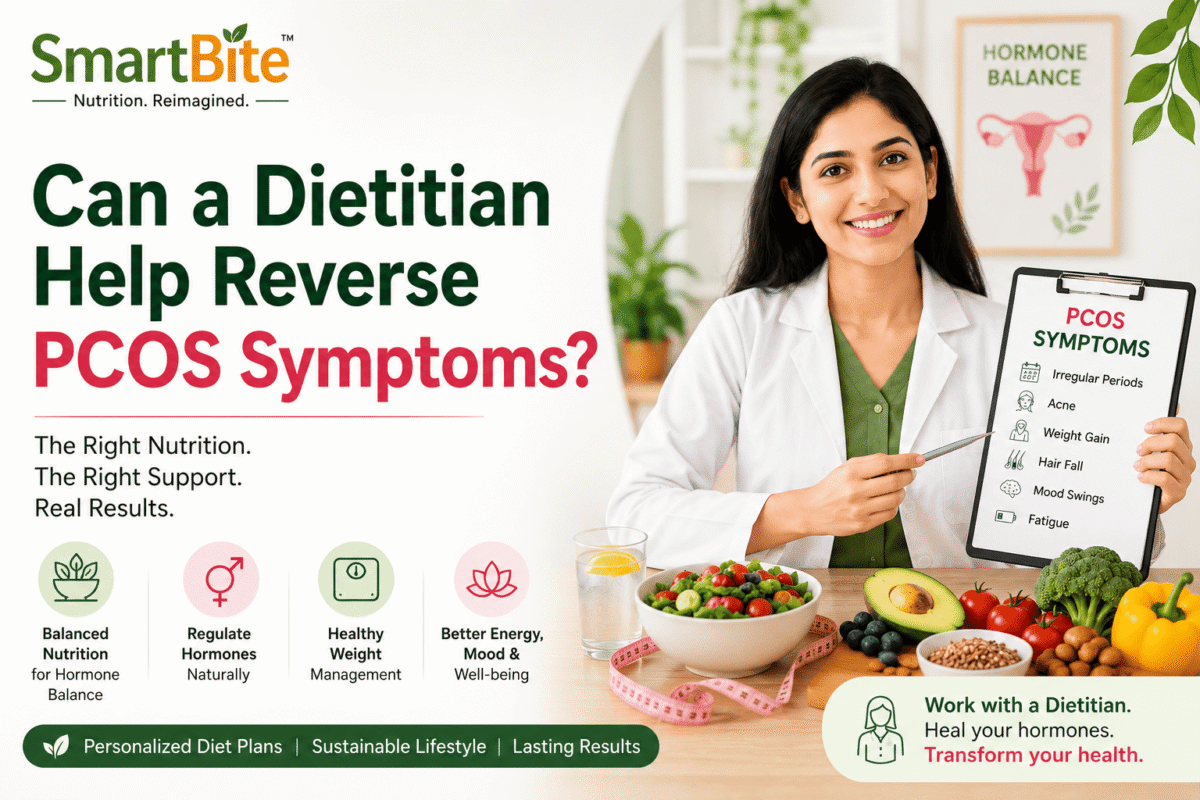
Can a Dietitian Help Reverse PCOS Symptoms

Can a Dietitian Help Reverse PCOS Symptoms?

Yes — a dietitian can help manage and improve many PCOS symptoms by building a food plan that supports better insulin control, weight management, energy, and hormone balance. PCOS is not usually “reversed” in a one-step way, but the right nutrition plan can make symptoms much easier to control over time

What a dietitian actually does ?

A dietitian looks at your symptoms, eating habits, lifestyle, and medical history before creating a realistic plan. At SmartBite, the focus is on sustainable, natural support for women in Bangalore who want help with PCOS, thyroid, diabetes, and weight management. That means the plan is not a random diet chart — it is built around your routine and food preferences

How food helps in PCOS ?

PCOS is often linked with insulin resistance, weight gain, cravings, and irregular cycles, so food choices can make a big difference. A dietitian may suggest lower-GI carbohydrates, more protein, more fibre, and more balanced meals to reduce blood sugar swings. These changes can support better energy, fewer cravings, and gradual improvement in symptoms

Common symptoms that may improve

With the right nutrition support, many women see improvement in:

  • Irregular periods.
  • Weight gain or difficulty losing weight.
  • Sugar cravings and energy crashes.
  • Bloating and poor meal tolerance.
  • Acne and inflammation-related concerns.
  • Mood swings linked with poor food patterns A dietitian may also help you build habits around sleep, meal timing, and stress management, which are important in PCOS care.

Why local support matters ?

SmartBite Nutrition offers PCOS dietitian support in Bangalore and focuses on personalized care for women with hormonal and lifestyle concerns. The clinic profile also highlights customized diet plans with Indian meals and ongoing support for sustainable results. This local, practical approach is useful for women who want advice that fits real Indian food habits, not a generic diet plan.

What results to expect

A dietitian cannot promise a quick cure, but they can help you make steady progress and reduce the symptoms that interfere with daily life. Many improvements in PCOS come from consistency, not extreme restriction, so the best plan is usually one you can follow long term. That is why working with a dietitian often gives better results than trying random diets found online

Conclusion

So, can a dietitian help reverse PCOS symptoms? The better answer is that a dietitian can help you control and improve them in a safe, structured, and sustainable way. For women in Bangalore, SmartBite offers personalized PCOS support that is focused on practical Indian meals and long-term lifestyle change.

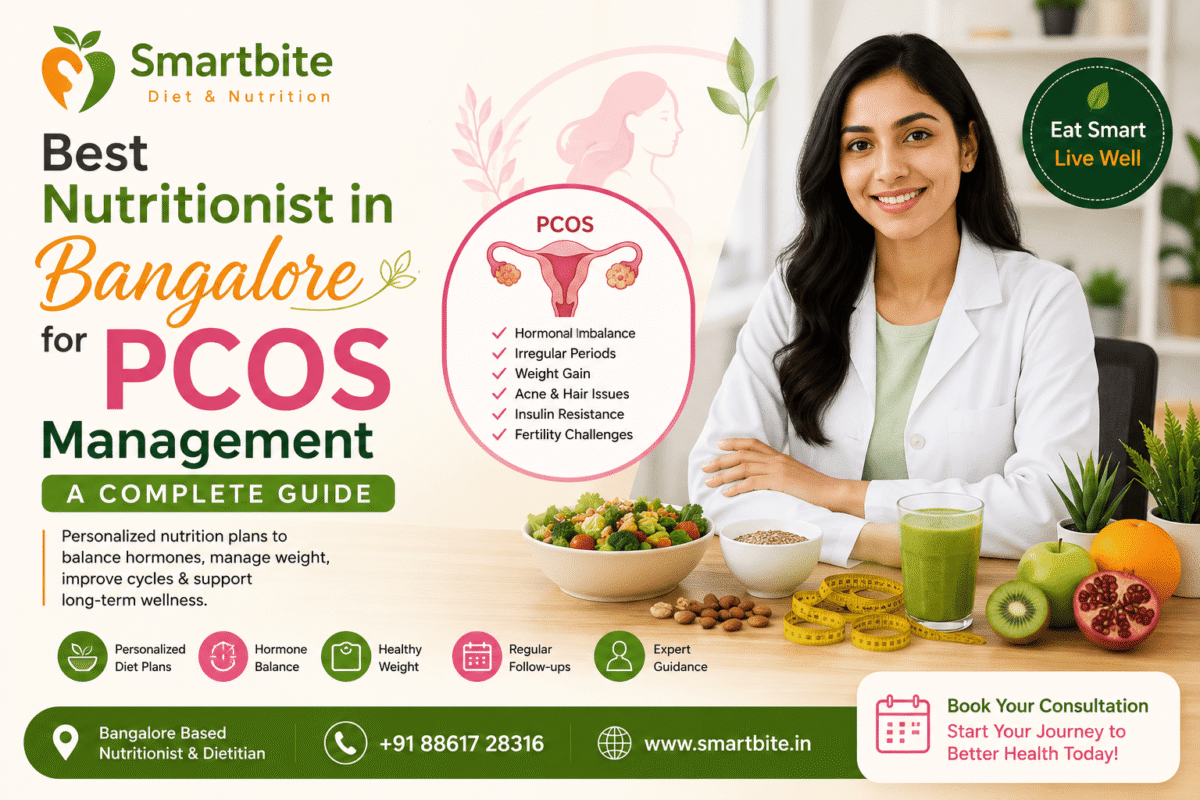
Best Nutritionist in Bangalore for PCOS Management

Best Nutritionist in Bangalore for PCOS Management – A Complete Guide

Living with Polycystic Ovary Syndrome (PCOS) can be challenging. Many women experience irregular periods, weight gain, acne, excessive hair growth, mood changes, and difficulty conceiving. While medications may help manage symptoms, nutrition plays a major role in improving hormonal balance and supporting long-term health.

If you’re looking for the best nutritionist in Bangalore for PCOS management, working with a qualified clinical nutritionist can help you develop healthy eating habits, manage insulin resistance, and achieve sustainable weight management through a personalized diet plan.

Understanding PCOS

PCOS is one of the most common hormonal disorders affecting women of reproductive age. It is often linked with:

  • Hormonal imbalance
  • Insulin resistance
  • Weight gain
  • Inflammation
  • Irregular menstrual cycles
  • Fertility challenges

Although there is no permanent cure for PCOS, the right nutrition and lifestyle changes can significantly improve symptoms and overall well-being.

Why Nutrition Is Important for PCOS ?

A personalized nutrition plan can help:

  • Improve insulin sensitivity
  • Balance hormones naturally
  • Support healthy weight loss
  • Reduce inflammation
  • Regulate menstrual cycles
  • Improve fertility
  • Increase energy levels
  • Reduce acne and skin issues
  • Lower the risk of Type 2 diabetes

Unlike crash diets, a sustainable nutrition plan focuses on long-term lifestyle changes that are practical and easy to follow.

Signs You Should Consult a Nutritionist for PCOS

You may benefit from professional nutrition guidance if you experience:

  • Irregular or missed periods
  • Difficulty losing weight
  • Frequent sugar cravings
  • Acne or oily skin
  • Hair thinning or excessive facial hair
  • Fatigue and low energy
  • Insulin resistance
  • High cholesterol
  • Difficulty conceiving

Early nutritional intervention can help prevent complications and improve your quality of life.

What Makes a Good PCOS Nutritionist?

When choosing the best nutritionist in Bangalore for PCOS management, look for someone who provides:

Personalized Diet Plans

Every woman’s body is different. A nutritionist should design a meal plan based on your health condition, lifestyle, food preferences, work schedule, and medical history.

Science-Based Recommendations

Your nutrition plan should be based on clinical evidence rather than fad diets or unrealistic restrictions.

Lifestyle Guidance

Effective PCOS management includes guidance on:

  • Meal timing
  • Portion control
  • Physical activity
  • Sleep quality
  • Stress management
  • Hydration

Regular Follow-Ups

Weekly or monthly reviews help monitor progress and make necessary adjustments to your nutrition plan.

Foods That Support PCOS Management

A PCOS-friendly diet often includes:

  • High-fiber vegetables
  • Whole grains
  • Lean proteins
  • Healthy fats
  • Low-glycemic fruits
  • Nuts and seeds
  • Probiotic-rich foods

Limiting sugary drinks, refined carbohydrates, processed snacks, and excessive fried foods may help improve blood sugar control and reduce inflammation.

Why Choose SmartBite for PCOS Management?

At SmartBite, we believe that managing PCOS requires more than just a diet chart. Our goal is to help women build healthy habits that fit their lifestyle and deliver lasting results.

Our approach includes:

  • Comprehensive health assessment
  • One-to-one nutrition consultation
  • Personalized PCOS diet plans
  • Weekly progress monitoring
  • Continuous motivation and support
  • Practical meal planning using everyday Indian foods
  • Sustainable lifestyle changes

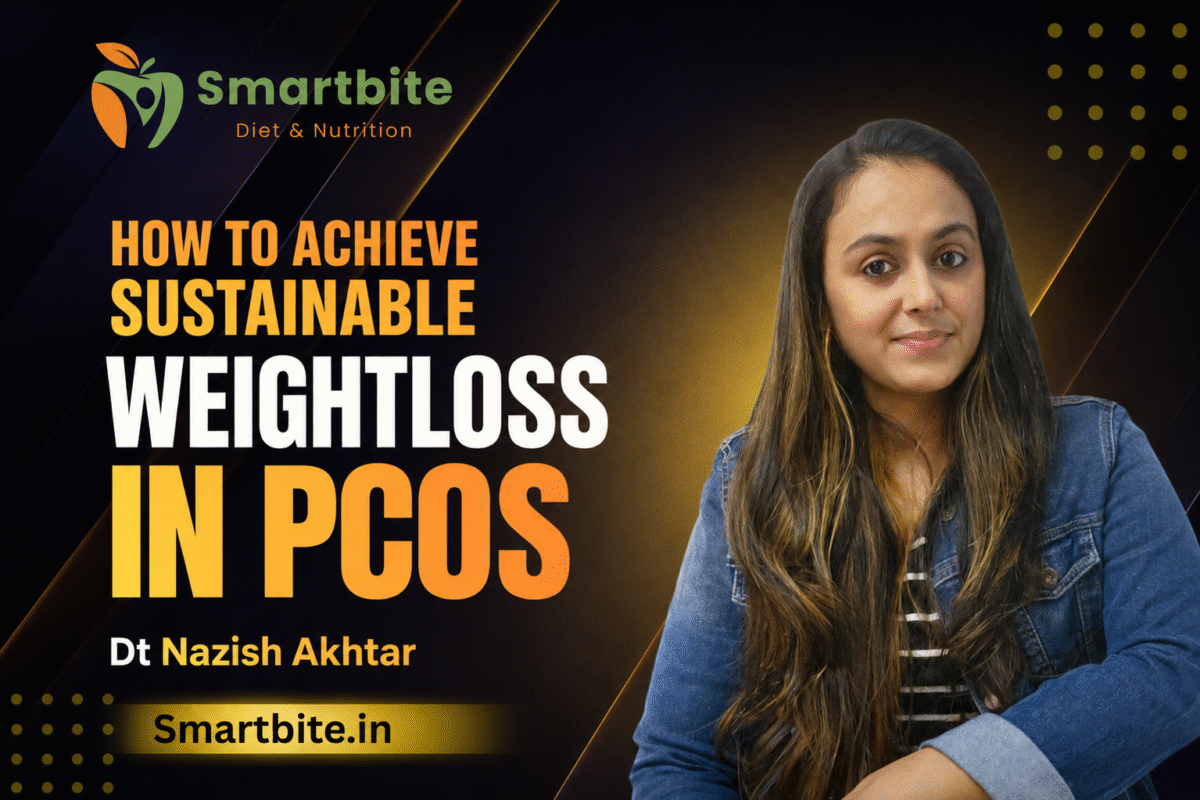
Led by Dt. Nazish Akhtar Nutritionist , SmartBite offers evidence-based nutrition programs designed to support women dealing with PCOS, weight management, thyroid disorders, diabetes, and other lifestyle-related health conditions. Best Nutritionist in Bangalore

Benefits of Choosing SmartBite

  • Personalized nutrition guidance
  • Science-backed meal planning
  • Flexible online and in-clinic consultations
  • Support for busy professionals
  • Focus on sustainable lifestyle changes
  • Regular follow-ups and accountability
  • Holistic approach to hormonal health

Whether your goal is weight management, improving fertility, or balancing hormones, SmartBite provides individualized care tailored to your unique needs.

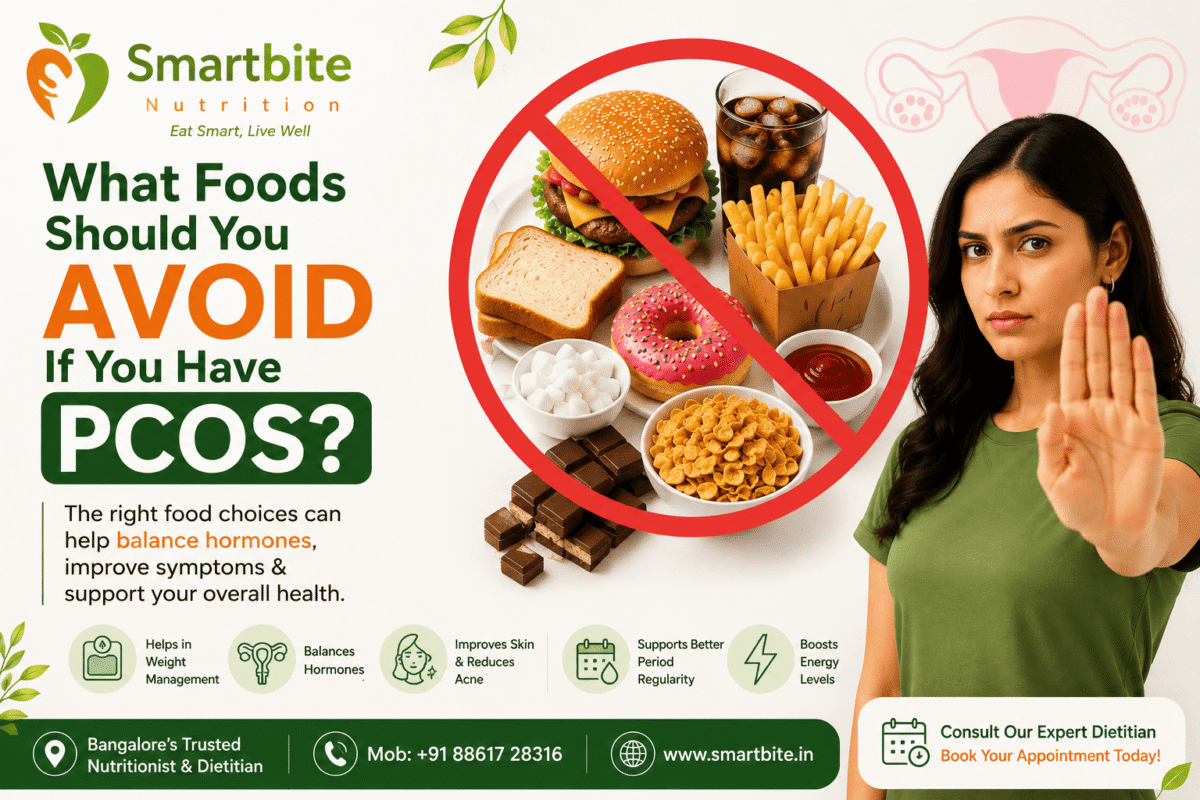
What Foods Should You Avoid If You Have PCOS

What Foods Should You Avoid If You Have PCOS?

If you have PCOS, the goal is not to follow a crash diet. It is to reduce foods that may worsen insulin spikes, inflammation, and weight gain, while building a routine that actually feels manageable. SmartBite Nutrition in Bangalore can help women create a practical PCOS plan based on local food habits and personal health goals.

PCOS and food: why it matters

PCOS is often linked with insulin resistance, inflammation, and weight-related concerns, so food choices can make symptoms feel better or worse. Johns Hopkins notes that many people with PCOS benefit from eating in a way that keeps blood sugar steadier and reduces inflammatory foods. That is why the focus should be on simple, sustainable changes rather than extreme restrictions.

Foods to Limit or Avoid

Here are the main foods that are usually best to cut back on if you have PCOS

  • Sugary drinks like soda, packaged juices, and sweetened energy drinks.
  • Fried foods like chips, French fries, and deep-fried snacks.
  • Refined carbs like white bread, white rice, pizza crust, and regular pasta.
  • Sweet packaged foods like cakes, cookies, candies, and pastries.
  • Processed meats like sausages, hot dogs, and other heavily processed meat items.
  • High-sugar breakfast foods like sweetened cereals and instant flavored oats.
  • Foods high in saturated or trans fat, especially when eaten often.

These foods can make it harder to manage cravings, blood sugar swings, and weight control over time.

Better Food Swaps

You do not need to remove everything you enjoy. Small swaps can make a big difference

  • Choose whole grains instead of refined flour items.
  • Pick brown rice or other higher-fiber options instead of large portions of white rice.
  • Add beans, dals, and other legumes for better protein and fiber.
  • Use more vegetables in meals, especially non-starchy ones.
  • Drink water, unsweetened tea, or coffee instead of sugary beverages.
  • Choose fruit instead of desserts when you want something sweet.

A flexible eating pattern is usually easier to follow than strict food bans, especially for long-term PCOS management.

Simple Indian Food Habits to Avoid

For many women in Bangalore and across India, PCOS-friendly eating becomes easier when you watch daily habits rather than only specific ingredients. Common habits to reduce include frequent bakery snacks, large portions of white rice at every meal, sugary chai multiple times a day, and late-night eating with fried or packaged foods. These patterns can quietly add up and make PCOS symptoms harder to manage.

SmartBite’s local approach

SmartBite Nutrition offers PCOS dietitian support in Bangalore from its clinic in Begur, Yelenahalli, Akshayanagar, Bengaluru, Karnataka 560068. That local setup matters because a good PCOS plan should fit your food preferences, work schedule, and lifestyle, not just generic diet rules. If you are looking for practical help, SmartBite’s Bangalore-based PCOS service is positioned around personalized nutrition support.

Endometriosis and Inflammation: Can Diet Help Reduce Pain?

Endometriosis and Inflammation: Can Diet Help Reduce Pain?

Introduction

Endometriosis is a chronic inflammatory condition that affects approximately 1 in 10 women of reproductive age. It can cause debilitating pelvic pain, painful periods, digestive issues, fatigue, and fertility challenges, significantly impacting quality of life.

While there is currently no cure for endometriosis, research suggests that inflammation plays a major role in the progression of the disease. The good news is that dietary and lifestyle modifications may help manage inflammation and potentially reduce pain and other symptoms.

In this article, we’ll explore the connection between endometriosis and inflammation and discuss how an anti-inflammatory diet may support symptom management.

What is Endometriosis?

Endometriosis occurs when tissue similar to the lining of the uterus grows outside the uterus. These growths are commonly found on:

  • Ovaries
  • Fallopian tubes
  • Bladder
  • Bowel
  • Pelvic lining

Like the uterine lining, these tissues respond to hormonal changes during the menstrual cycle. However, because the blood and tissue cannot leave the body normally, inflammation, scar tissue, and pain can develop over time.

Common Symptoms of Endometriosis

Symptoms may vary from person to person and include:

  • Severe menstrual cramps
  • Chronic pelvic pain
  • Heavy menstrual bleeding
  • Pain during intercourse
  • Painful bowel movements
  • Bloating and digestive discomfort
  • Fatigue
  • Lower back pain
  • Difficulty conceiving

Some women experience mild symptoms, while others may have severe pain that interferes with daily activities.

The Role of Inflammation in Endometriosis

Inflammation is one of the key factors involved in endometriosis.

Women with endometriosis often have increased levels of inflammatory substances in the body. This persistent inflammation may contribute to:

  • Increased pain sensitivity
  • Pelvic discomfort
  • Fatigue
  • Hormonal imbalance
  • Oxidative stress
  • Digestive symptoms

Reducing inflammation through nutrition and lifestyle changes may help improve symptom management and overall well-being.

Can Diet Help Reduce Endometriosis Pain?

Although diet cannot cure endometriosis, adopting an anti-inflammatory eating pattern may help:

  • Reduce inflammation
  • Support hormonal balance
  • Improve gut health
  • Decrease bloating
  • Enhance energy levels
  • Support immune function
  • Improve quality of life

Best Foods for Endometriosis

1. Fruits and Vegetables

Rich in antioxidants and phytonutrients, fruits and vegetables help combat inflammation.

Include:

  • Berries
  • Apples
  • Oranges
  • Spinach
  • Broccoli
  • Tomatoes
  • Carrots
  • Bell peppers

Aim for a colorful plate to maximize nutrient intake.

2. Omega-3 Fatty Acids

Omega-3 fats have powerful anti-inflammatory properties.

Good sources include:

  • Salmon
  • Sardines
  • Mackerel
  • Flaxseeds
  • Chia seeds
  • Walnuts

3. Whole Grains

Whole grains provide fiber that supports gut health and hormone metabolism.

Choose:

  • Oats
  • Brown rice
  • Quinoa
  • Whole wheat
  • Millets

4. Healthy Fats

Healthy fats may help reduce inflammation and support hormonal health.

Include:

  • Olive oil
  • Avocados
  • Almonds
  • Walnuts
  • Pumpkin seeds

5. Lean Protein Sources

Protein supports tissue repair and overall health.

Healthy options include:

  • Eggs
  • Fish
  • Chicken
  • Paneer
  • Tofu
  • Lentils
  • Beans

Foods That May Worsen Inflammation

Some foods may trigger or worsen symptoms in certain women.

Consider limiting:

Processed Foods

  • Packaged snacks
  • Fast food
  • Chips

Added Sugars

  • Soft drinks
  • Cakes
  • Sweets
  • Candy

Refined Carbohydrates

  • White bread
  • Pastries
  • Sugary cereals

Excess Red Meat

High intake of red and processed meat may increase inflammatory markers.

Excess Alcohol and Caffeine

These may aggravate symptoms in some individuals and should be consumed in moderation.

The Importance of Gut Health

Emerging research suggests that gut health and endometriosis may be closely linked.

To support a healthy gut microbiome, include:

  • Yogurt
  • Kefir
  • Fermented foods
  • Fruits and vegetables
  • Whole grains
  • Fiber-rich foods

A healthy gut may help regulate hormones and reduce inflammation.

Lifestyle Habits That May Help Manage Endometriosis

Exercise Regularly

Regular physical activity may:

  • Improve circulation
  • Reduce stress
  • Support hormonal balance
  • Enhance mood

Activities such as walking, yoga, swimming, and strength training are excellent options.

Prioritize Sleep

Aim for 7–9 hours of quality sleep each night to support recovery and reduce inflammation.

Manage Stress

Chronic stress can increase inflammatory responses and worsen symptoms.

Helpful stress-management techniques include:

  • Meditation
  • Deep breathing exercises
  • Yoga
  • Mindfulness practices

Stay Hydrated

Adequate water intake supports digestion and overall health and may help reduce bloating.

When Should You Consult a Nutritionist?

You should seek professional guidance if you experience:

  • Severe menstrual pain
  • Persistent bloating
  • Digestive issues
  • Chronic fatigue
  • Difficulty managing symptoms
  • Nutritional concerns

A personalized nutrition plan can help identify trigger foods and provide strategies tailored to your individual needs.

Frequently Asked Questions (FAQs)

Can diet cure endometriosis?

No. Diet cannot cure endometriosis, but it may help manage inflammation and reduce symptoms.

Which foods are best for endometriosis?

Fruits, vegetables, omega-3-rich foods, whole grains, healthy fats, and lean proteins are generally beneficial.

Does sugar increase inflammation?

Excess sugar and highly processed foods may contribute to inflammation and worsen symptoms in some women.

Is dairy bad for endometriosis?

Not necessarily. Some women tolerate dairy well, while others may notice symptom improvement by limiting certain dairy products.

Can maintaining a healthy weight help?

Yes. Maintaining a healthy weight may support hormonal balance and help manage inflammation.

Conclusion

Endometriosis is a complex inflammatory condition that affects many aspects of a woman’s health. While diet alone cannot cure endometriosis, an anti-inflammatory eating pattern and healthy lifestyle habits may help reduce pain, improve energy levels, and enhance quality of life.

At SmartBite Nutrition Clinic, we believe in a holistic approach to women’s health. Our personalized nutrition programs are designed to help women manage inflammation, support hormonal balance, and improve overall well-being naturally.

Do not let another year pass making the same resolutions. Take the next step today.

📍 Book your consultation now at www.smartbite.in – and start your transformation today.

Why You’re Not Losing Weight with PCOS Despite Eating Healthy

Why You’re Not Losing Weight with PCOS Despite Eating Healthy

Introduction

Are you eating healthy, exercising regularly, and still struggling to lose weight with PCOS? If so, you’re not alone. Many women with Polycystic Ovary Syndrome (PCOS) find that weight loss feels much harder compared to others.

The truth is, PCOS is more than just a reproductive disorder—it is a complex hormonal and metabolic condition that can affect insulin levels, appetite, metabolism, stress hormones, and even sleep. As a result, weight loss with PCOS requires a different approach than simply “eating less and exercising more.”

In this article, we’ll explore why weight loss can be challenging with PCOS and what you can do to achieve sustainable results.

Understanding PCOS and Weight Gain

PCOS affects hormones that regulate metabolism, blood sugar, and fat storage. Women with PCOS are more likely to experience:

  • Weight gain, especially around the abdomen
  • Increased hunger and cravings
  • Difficulty burning fat
  • Hormonal imbalance
  • Insulin resistance
  • Irregular menstrual cycles

These factors make losing weight more challenging, even when you’re making healthy choices.

1. Insulin Resistance May Be Slowing Down Weight Loss

Approximately 70–80% of women with PCOS have insulin resistance.

When your cells become resistant to insulin, the body produces more insulin to compensate. High insulin levels promote fat storage and make it difficult to lose weight.

Signs of Insulin Resistance

  • Belly fat accumulation
  • Sugar cravings
  • Fatigue after meals
  • Increased appetite
  • Difficulty losing weight

What Helps?

  • Eating balanced meals
  • Increasing protein intake
  • Choosing high-fiber foods
  • Exercising regularly
  • Avoiding sugary drinks and refined carbohydrates

2. You May Not Be Eating Enough Protein

Protein helps:

  • Control hunger
  • Reduce cravings
  • Maintain muscle mass
  • Improve metabolism

Low protein intake may leave you feeling hungry and increase snacking.

Good Protein Sources

  • Eggs
  • Chicken
  • Fish
  • Paneer
  • Greek yogurt
  • Tofu
  • Lentils and beans

Aim to include protein in every meal.

3. Chronic Stress Can Affect Weight Loss

Stress increases cortisol, commonly known as the “stress hormone.”

High cortisol levels may contribute to:

  • Increased appetite
  • Emotional eating
  • Belly fat storage
  • Poor sleep quality

Stress Management Strategies

  • Yoga
  • Meditation
  • Deep breathing exercises
  • Walking
  • Spending time outdoors

Managing stress is an important part of PCOS treatment.

4. Poor Sleep May Be Working Against You

Lack of sleep affects hormones that regulate hunger and fullness.

Poor sleep can lead to:

  • Increased cravings
  • Reduced energy
  • Higher cortisol levels
  • Slower metabolism

Aim for 7–9 hours of quality sleep every night.

5. Healthy Foods Can Still Be High in Calories

Foods like nuts, dried fruits, smoothies, and granola are nutritious but can be calorie-dense.

Portion control matters.

Focus on:

  • Balanced meals
  • Mindful eating
  • Proper meal timing
  • Avoiding unnecessary snacking

Remember, healthy eating isn’t just about food quality—it also involves quantity.

6. You’re Doing Too Much Cardio and Not Enough Strength Training

While cardio burns calories, strength training helps build muscle and improves insulin sensitivity.

Benefits of strength training include:

  • Increased metabolism
  • Better blood sugar control
  • Fat loss
  • Improved body composition

Aim to combine:

  • Strength training 2–3 times per week
  • Walking
  • Yoga
  • Cycling
  • Swimming

7. Hormonal Imbalances Can Affect Your Metabolism

PCOS often involves elevated androgen levels, which can influence:

  • Fat distribution
  • Appetite
  • Energy levels
  • Muscle mass

In some cases, thyroid disorders or vitamin deficiencies may also contribute to weight-loss resistance.

Consult your healthcare provider if weight loss remains difficult despite lifestyle changes.

8. Hidden Sugars and Processed Foods May Be Sabotaging Progress

Many packaged foods marketed as “healthy” contain added sugars and refined ingredients.

Common culprits include:

  • Flavored yogurt
  • Breakfast cereals
  • Granola bars
  • Fruit juices
  • Packaged smoothies

Reading food labels and choosing whole foods can make a big difference.

9. Crash Diets Can Slow Down Your Metabolism

Severely restricting calories may lead to:

  • Muscle loss
  • Increased cravings
  • Fatigue
  • Nutrient deficiencies
  • Slower metabolism

Instead of quick fixes, focus on sustainable lifestyle habits.

The Best Approach to Weight Loss with PCOS

Successful weight management with PCOS involves:

Balanced Nutrition

Include:

  • Lean protein
  • Whole grains
  • Fruits and vegetables
  • Healthy fats
  • High-fiber foods

Regular Physical Activity

Aim for at least 150 minutes per week.

Stress Management

Practice relaxation techniques regularly.

Quality Sleep

Prioritize consistent sleep schedules.

Consistency Over Perfection

Small, sustainable changes often produce the best long-term results.

When Should You Consult a Nutritionist?

Professional guidance can be beneficial if you experience:

  • Persistent weight gain
  • Strong food cravings
  • Irregular periods
  • Difficulty losing weight
  • Insulin resistance
  • Thyroid disorders
  • Emotional eating

A personalized nutrition plan can address your unique hormonal and metabolic needs.

Frequently Asked Questions (FAQs)

Why is it harder to lose weight with PCOS?

PCOS often involves insulin resistance and hormonal imbalances that promote fat storage and increase cravings.

Can I lose weight naturally with PCOS?

Yes. A balanced diet, regular exercise, stress management, and quality sleep can help support healthy weight loss.

Which diet is best for PCOS weight loss?

There is no one-size-fits-all approach. Diets rich in protein, fiber, healthy fats, and whole foods are generally beneficial.

How much weight loss is needed to improve PCOS symptoms?

Even a 5–10% reduction in body weight can improve hormone balance, insulin sensitivity, and menstrual regularity.

Should I avoid carbohydrates completely?

No. Complex carbohydrates such as oats, brown rice, millets, fruits, and vegetables can be part of a healthy PCOS diet.

Conclusion

If you’re not losing weight with PCOS despite eating healthy, it doesn’t mean you’re doing something wrong. PCOS affects hormones, metabolism, and insulin sensitivity, making weight loss more complex.

The key is to focus on sustainable habits rather than extreme diets. With the right nutrition, exercise, stress management, and professional support, healthy and lasting weight loss is possible.

At SmartBite Nutrition Clinic, we help women with PCOS achieve sustainable weight loss through personalized nutrition plans and lifestyle strategies tailored to their individual needs.

Do not let another year pass making the same resolutions. Take the next step today.

📍 Book your consultation now at www.smartbite.in – and start your transformation today.

PCOS and Insulin Resistance: The Missing Link Behind Weight Gain and Cravings

PCOS and Insulin Resistance: The Missing Link Behind Weight Gain and Cravings


Introduction

Are you struggling with stubborn weight gain, constant sugar cravings, and difficulty losing weight despite eating healthy and exercising? If you have Polycystic Ovary Syndrome (PCOS), the underlying reason could be insulin resistance.

Insulin resistance is one of the most common yet often overlooked factors contributing to weight gain and metabolic issues in women with PCOS. Understanding this connection can help you manage your symptoms effectively and achieve sustainable weight loss.


What is PCOS?

Polycystic Ovary Syndrome (PCOS) is a hormonal disorder that affects women of reproductive age. It can cause:

  • Irregular or missed periods
  • Weight gain, especially around the abdomen
  • Acne and oily skin
  • Excess facial or body hair
  • Hair thinning or hair loss
  • Difficulty conceiving
  • Mood changes and fatigue

Around 70-80% of women with PCOS have insulin resistance, making it one of the key drivers of the condition.


What is Insulin Resistance?

Insulin is a hormone produced by the pancreas that helps move glucose (sugar) from the bloodstream into the body’s cells for energy.

In insulin resistance, the cells do not respond properly to insulin. As a result:

  • The body produces more insulin to compensate.
  • Excess insulin levels increase fat storage.
  • Blood sugar fluctuations trigger cravings and hunger.
  • Hormonal imbalance worsens PCOS symptoms.

How Insulin Resistance Causes Weight Gain

1. Increased Fat Storage

High insulin levels encourage the body to store excess calories as fat, particularly around the abdomen.

2. Frequent Hunger and Cravings

Blood sugar spikes and crashes can lead to:

  • Sugar cravings
  • Emotional eating
  • Increased appetite
  • Energy crashes

3. Slower Metabolism

Insulin resistance can make it harder for the body to burn fat efficiently, leading to gradual weight gain.

4. Increased Androgen Levels

Excess insulin stimulates the ovaries to produce more male hormones (androgens), which can worsen:

  • Acne
  • Irregular periods
  • Hair growth
  • Weight gain

Signs You May Have Insulin Resistance

Common symptoms include:

  • Difficulty losing weight
  • Cravings for sweets or carbohydrates
  • Fatigue after meals
  • Belly fat accumulation
  • Increased hunger
  • Dark patches around the neck or underarms (Acanthosis Nigricans)
  • Irregular periods
  • Elevated blood sugar levels

Best Diet for PCOS and Insulin Resistance

Focus on High-Fiber Foods

Fiber helps slow sugar absorption and improves insulin sensitivity.

Include:

  • Oats
  • Brown rice
  • Quinoa
  • Whole wheat
  • Vegetables
  • Fruits
  • Lentils and beans

Increase Protein Intake

Protein helps reduce cravings and keeps you fuller for longer.

Good sources include:

  • Eggs
  • Chicken
  • Fish
  • Paneer
  • Greek yogurt
  • Tofu
  • Dal and legumes

Choose Healthy Fats

Healthy fats support hormone balance and reduce inflammation.

Examples:

  • Nuts and seeds
  • Avocados
  • Olive oil
  • Flaxseeds
  • Chia seeds

Limit Refined Carbohydrates and Sugar

Reduce intake of:

  • White bread
  • Sugary drinks
  • Cakes and pastries
  • Cookies
  • Processed snacks
  • Packaged juices

Lifestyle Changes That Improve Insulin Sensitivity

Exercise Regularly

Aim for at least 150 minutes of physical activity per week.

Include:

  • Walking
  • Strength training
  • Yoga
  • Cycling
  • Swimming

Prioritize Sleep

Poor sleep can worsen insulin resistance and increase hunger hormones. Aim for 7–9 hours of quality sleep daily.

Manage Stress

Chronic stress raises cortisol levels, which may aggravate PCOS symptoms.

Helpful activities include:

  • Meditation
  • Deep breathing exercises
  • Yoga
  • Spending time outdoors

Stay Hydrated

Drinking enough water supports metabolism and overall health.


Can Weight Loss Improve PCOS?

Yes. Even losing 5-10% of body weight can significantly improve:

  • Menstrual regularity
  • Insulin sensitivity
  • Ovulation
  • Fertility
  • Energy levels
  • Hormonal balance

The goal should not be rapid weight loss but long-term, sustainable lifestyle changes.


When Should You Consult a Nutritionist?

If you experience:

  • Persistent weight gain
  • Irregular periods
  • Strong cravings
  • Difficulty losing weight
  • Prediabetes or diabetes
  • Hormonal imbalance

A personalized nutrition plan can help address the root cause and improve overall health.


Frequently Asked Questions (FAQs)

1. Does every woman with PCOS have insulin resistance?
No, but approximately 70-80% of women with PCOS are affected by insulin resistance.

2. Can insulin resistance be reversed?
Yes. Lifestyle changes, weight management, and proper nutrition can significantly improve insulin sensitivity.

3. Which foods should be avoided in PCOS?
Sugary drinks, refined flour products, processed snacks, and excessive sweets should be limited.

4. Is intermittent fasting beneficial for PCOS?
Some women may benefit from intermittent fasting, but it should be done under professional guidance to avoid hormonal imbalance.

5. Can losing weight help reduce PCOS symptoms?
Yes. Even modest weight loss can improve hormones, menstrual cycles, and fertility.


Conclusion

Insulin resistance is often the missing link behind weight gain and cravings in women with PCOS. By focusing on balanced nutrition, regular exercise, quality sleep, and stress management, it is possible to improve insulin sensitivity and regain control over your health.

At SmartBite Nutrition Clinic, we provide customized diet plans and lifestyle guidance to help women with PCOS achieve healthy, sustainable results.

Do not let another year pass making the same resolutions. Take the next step today.

📍 Book your consultation now at www.smartbite.in – and start your transformation today.

Why Belly Fat Is Common in PCOS

Why Belly Fat Is Common in PCOS and How to Manage It

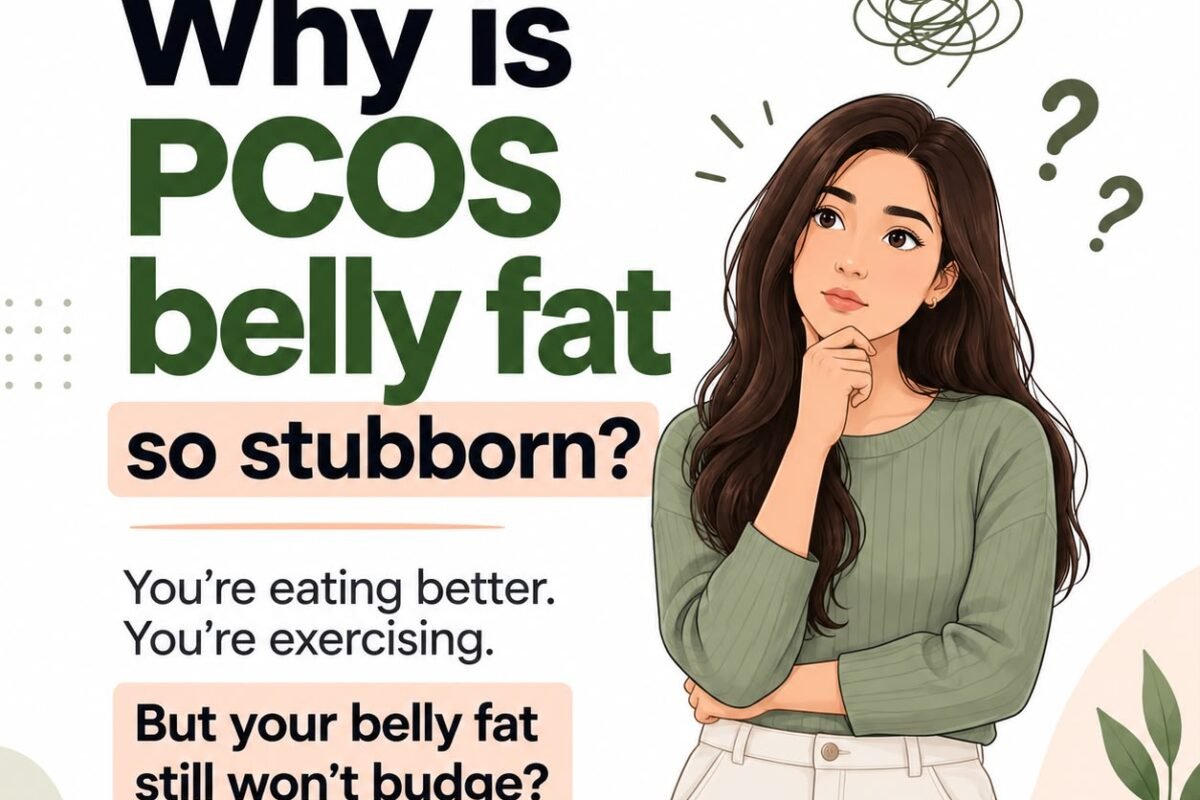
Belly fat is one of the most common and frustrating symptoms experienced by women with PCOS (Polycystic Ovary Syndrome). Unlike general weight gain, fat accumulation in PCOS is often concentrated around the abdomen due to underlying hormonal and metabolic imbalances.

One of the primary reasons for increased belly fat in PCOS is insulin resistance. When the body becomes less responsive to insulin, it produces more of it to compensate. Elevated insulin levels signal the body to store fat—especially visceral fat around the abdominal area. This type of fat is not just stubborn but also linked to increased health risks.

Hormonal imbalance is another major contributor. Higher levels of androgens (male hormones) in women with PCOS promote fat storage in the midsection rather than in other areas like hips or thighs. At the same time, cortisol the stress hormone can further encourage belly fat accumulation when consistently elevated due to stress or poor sleep.

Additionally, inflammation is often higher in individuals with PCOS, which interferes with metabolism and fat-burning processes. Combined with irregular hunger signals and cravings, this creates a cycle that makes managing belly fat particularly challenging.

However, the good news is that targeted lifestyle changes can help. This is where smart bite nutrition plays a powerful role. Instead of focusing solely on cutting calories, it emphasizes balancing blood sugar and hormones through mindful food choices. Including high-fiber foods, lean proteins, and healthy fats while reducing refined carbs and sugars can help control insulin levels and reduce fat storage.

Strength training is especially effective in managing belly fat, as it improves insulin sensitivity and boosts metabolism. Pairing it with low-impact exercises like walking or yoga can support overall hormonal balance. Stress management techniques such as meditation and proper sleep routines are equally important, as they help regulate cortisol levels.

Belly fat in PCOS doesn’t disappear overnight, but with a sustainable approach like smart bite nutrition and a balanced lifestyle, it is absolutely manageable. Understanding the root causes allows you to take control and work towards long-term, healthy results.


PCOS vs Normal Metabolism: Why Weight Loss Feels Harder

Weight loss can feel like an uphill battle for women with PCOS (Polycystic Ovary Syndrome), even when they follow the same diet and exercise routines as others. The reason lies in how metabolism functions differently in the body.

In a normal metabolism, the body efficiently converts food into energy, regulates blood sugar levels, and maintains hormonal balance. However, with PCOS, hormonal imbalances especially elevated insulin levels can disrupt this process. Insulin resistance is one of the most common challenges in PCOS, causing the body to store more fat and making it harder to burn calories effectively.

Additionally, higher levels of androgens (male hormones) can lead to increased fat accumulation, particularly around the abdomen. This not only affects physical appearance but also slows metabolic rate over time. Cravings, fatigue, and irregular hunger signals further complicate weight management, making consistency difficult.

Unlike a normal metabolism where calorie deficits often lead to steady weight loss, PCOS requires a more strategic approach. It’s not just about eating less it’s about eating smarter. Balanced meals that stabilise blood sugar, reduce inflammation, and support hormonal health are key.

This is where smart bite nutrition plays a vital role. Focusing on whole foods, lean proteins, healthy fats, and low-glycemic carbohydrates can help manage insulin levels and improve metabolic function. Regular physical activity, stress management, and adequate sleep also contribute significantly to sustainable results.

Understanding that PCOS is not just a weight issue but a metabolic condition is crucial. With the right approach, patience, and consistency, weight loss is absolutely possible just different from the conventional path. Embracing personalized strategies like smart bite nutrition can make the journey more effective and empowering.

Regular strength training and low-impact exercises, combined with stress management techniques like yoga or meditation, can further enhance metabolic health. Hydration and mindful eating also play a critical role in supporting long-term results.

Your PCOS Isn’t the Problem — It’s Your Strategy | Try The PCOS Weightloss Accelerator Plan by SmartBite Nutrition

Living with PCOS can often feel overwhelming. From irregular periods and stubborn weight gain to fatigue, acne, and sugar cravings, many women are told to simply “manage” their symptoms. Over time, this creates a belief that PCOS itself is the problem. But the truth is, your body isn’t broken. What’s failing you is the strategy you’ve been following.

Most PCOS advice focuses on extremes: cutting entire food groups, over-exercising, or following generic diet plans that ignore hormones, stress, and metabolism. These approaches may show short-term results, but they often increase cortisol, worsen insulin resistance, and leave you feeling exhausted and frustrated. PCOS doesn’t respond to punishment it responds to balance.

That’s where The PCOS Weight loss Accelerator Plan by SmartBite Nutrition comes in. This program is built on the understanding that PCOS is a hormonal and metabolic condition, not a willpower issue. SmartBite focuses on hormone-supportive nutrition, blood sugar stability, stress management, and sustainable lifestyle habits that work with your body’s natural rhythms.

Instead of restrictive rules, The PCOS weight loss accelerator helps you learn how to nourish your body in a way that reduces inflammation, supports insulin sensitivity, and calms cortisol levels. The goal isn’t quick fixes it’s long-term hormonal balance, improved energy, and a healthier relationship with food.

What truly sets SmartBite apart is its focus on long-term transformation, not temporary results. The program supports hormonal balance, improved cycle regularity, better metabolic health, and a healthier relationship with food without fear or extremes.

PCOS doesn’t define you, and it doesn’t have to control your future. With the right strategy, your body can thrive.

Your PCOS isn’t the problem—it’s time to upgrade your approach.

Choose balance. Choose science-backed nutrition. Choose The PCOS Weight loss Accelerator Plan by SmartBite Nutrition.

X