Category Archives: PCOS

PCOS and Insulin Resistance: The Missing Link Behind Weight Gain and Cravings

PCOS and Insulin Resistance: The Missing Link Behind Weight Gain and Cravings


Introduction

Are you struggling with stubborn weight gain, constant sugar cravings, and difficulty losing weight despite eating healthy and exercising? If you have Polycystic Ovary Syndrome (PCOS), the underlying reason could be insulin resistance.

Insulin resistance is one of the most common yet often overlooked factors contributing to weight gain and metabolic issues in women with PCOS. Understanding this connection can help you manage your symptoms effectively and achieve sustainable weight loss.


What is PCOS?

Polycystic Ovary Syndrome (PCOS) is a hormonal disorder that affects women of reproductive age. It can cause:

  • Irregular or missed periods
  • Weight gain, especially around the abdomen
  • Acne and oily skin
  • Excess facial or body hair
  • Hair thinning or hair loss
  • Difficulty conceiving
  • Mood changes and fatigue

Around 70-80% of women with PCOS have insulin resistance, making it one of the key drivers of the condition.


What is Insulin Resistance?

Insulin is a hormone produced by the pancreas that helps move glucose (sugar) from the bloodstream into the body’s cells for energy.

In insulin resistance, the cells do not respond properly to insulin. As a result:

  • The body produces more insulin to compensate.
  • Excess insulin levels increase fat storage.
  • Blood sugar fluctuations trigger cravings and hunger.
  • Hormonal imbalance worsens PCOS symptoms.

How Insulin Resistance Causes Weight Gain

1. Increased Fat Storage

High insulin levels encourage the body to store excess calories as fat, particularly around the abdomen.

2. Frequent Hunger and Cravings

Blood sugar spikes and crashes can lead to:

  • Sugar cravings
  • Emotional eating
  • Increased appetite
  • Energy crashes

3. Slower Metabolism

Insulin resistance can make it harder for the body to burn fat efficiently, leading to gradual weight gain.

4. Increased Androgen Levels

Excess insulin stimulates the ovaries to produce more male hormones (androgens), which can worsen:

  • Acne
  • Irregular periods
  • Hair growth
  • Weight gain

Signs You May Have Insulin Resistance

Common symptoms include:

  • Difficulty losing weight
  • Cravings for sweets or carbohydrates
  • Fatigue after meals
  • Belly fat accumulation
  • Increased hunger
  • Dark patches around the neck or underarms (Acanthosis Nigricans)
  • Irregular periods
  • Elevated blood sugar levels

Best Diet for PCOS and Insulin Resistance

Focus on High-Fiber Foods

Fiber helps slow sugar absorption and improves insulin sensitivity.

Include:

  • Oats
  • Brown rice
  • Quinoa
  • Whole wheat
  • Vegetables
  • Fruits
  • Lentils and beans

Increase Protein Intake

Protein helps reduce cravings and keeps you fuller for longer.

Good sources include:

  • Eggs
  • Chicken
  • Fish
  • Paneer
  • Greek yogurt
  • Tofu
  • Dal and legumes

Choose Healthy Fats

Healthy fats support hormone balance and reduce inflammation.

Examples:

  • Nuts and seeds
  • Avocados
  • Olive oil
  • Flaxseeds
  • Chia seeds

Limit Refined Carbohydrates and Sugar

Reduce intake of:

  • White bread
  • Sugary drinks
  • Cakes and pastries
  • Cookies
  • Processed snacks
  • Packaged juices

Lifestyle Changes That Improve Insulin Sensitivity

Exercise Regularly

Aim for at least 150 minutes of physical activity per week.

Include:

  • Walking
  • Strength training
  • Yoga
  • Cycling
  • Swimming

Prioritize Sleep

Poor sleep can worsen insulin resistance and increase hunger hormones. Aim for 7–9 hours of quality sleep daily.

Manage Stress

Chronic stress raises cortisol levels, which may aggravate PCOS symptoms.

Helpful activities include:

  • Meditation
  • Deep breathing exercises
  • Yoga
  • Spending time outdoors

Stay Hydrated

Drinking enough water supports metabolism and overall health.


Can Weight Loss Improve PCOS?

Yes. Even losing 5-10% of body weight can significantly improve:

  • Menstrual regularity
  • Insulin sensitivity
  • Ovulation
  • Fertility
  • Energy levels
  • Hormonal balance

The goal should not be rapid weight loss but long-term, sustainable lifestyle changes.


When Should You Consult a Nutritionist?

If you experience:

  • Persistent weight gain
  • Irregular periods
  • Strong cravings
  • Difficulty losing weight
  • Prediabetes or diabetes
  • Hormonal imbalance

A personalized nutrition plan can help address the root cause and improve overall health.


Frequently Asked Questions (FAQs)

1. Does every woman with PCOS have insulin resistance?
No, but approximately 70-80% of women with PCOS are affected by insulin resistance.

2. Can insulin resistance be reversed?
Yes. Lifestyle changes, weight management, and proper nutrition can significantly improve insulin sensitivity.

3. Which foods should be avoided in PCOS?
Sugary drinks, refined flour products, processed snacks, and excessive sweets should be limited.

4. Is intermittent fasting beneficial for PCOS?
Some women may benefit from intermittent fasting, but it should be done under professional guidance to avoid hormonal imbalance.

5. Can losing weight help reduce PCOS symptoms?
Yes. Even modest weight loss can improve hormones, menstrual cycles, and fertility.


Conclusion

Insulin resistance is often the missing link behind weight gain and cravings in women with PCOS. By focusing on balanced nutrition, regular exercise, quality sleep, and stress management, it is possible to improve insulin sensitivity and regain control over your health.

At SmartBite Nutrition Clinic, we provide customized diet plans and lifestyle guidance to help women with PCOS achieve healthy, sustainable results.

Do not let another year pass making the same resolutions. Take the next step today.

📍 Book your consultation now at www.smartbite.in – and start your transformation today.
Why Belly Fat Is Common in PCOS

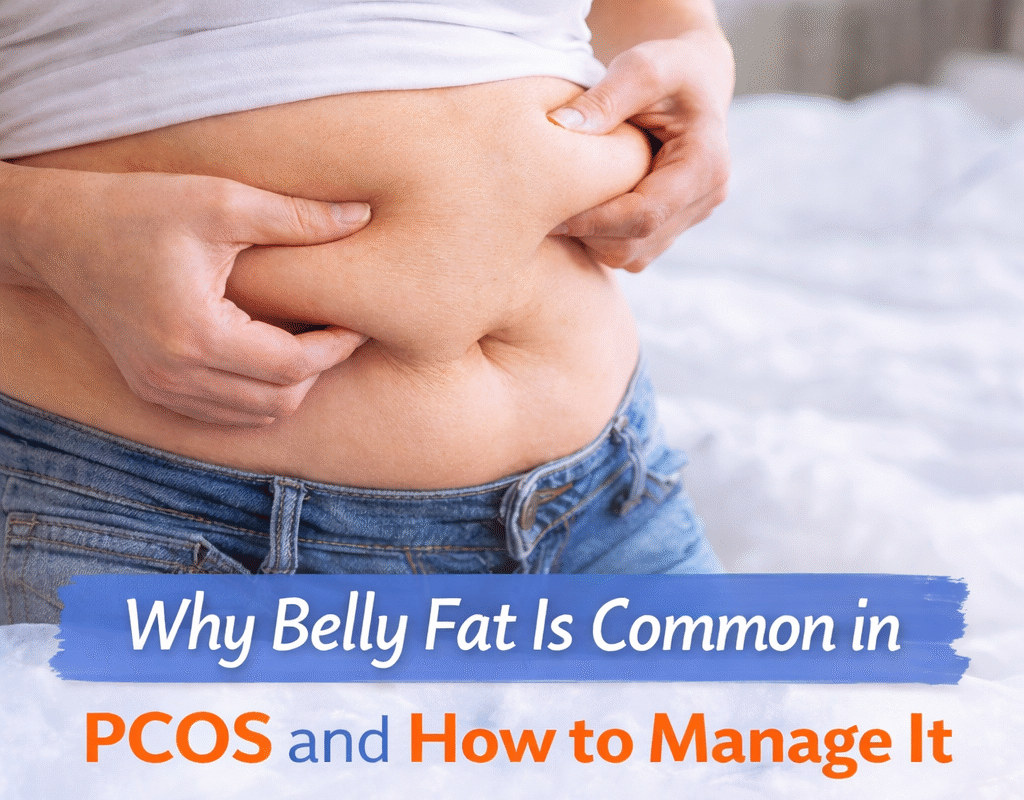
Why Belly Fat Is Common in PCOS and How to Manage It

Belly fat is one of the most common and frustrating symptoms experienced by women with PCOS (Polycystic Ovary Syndrome). Unlike general weight gain, fat accumulation in PCOS is often concentrated around the abdomen due to underlying hormonal and metabolic imbalances.

One of the primary reasons for increased belly fat in PCOS is insulin resistance. When the body becomes less responsive to insulin, it produces more of it to compensate. Elevated insulin levels signal the body to store fat—especially visceral fat around the abdominal area. This type of fat is not just stubborn but also linked to increased health risks.

Hormonal imbalance is another major contributor. Higher levels of androgens (male hormones) in women with PCOS promote fat storage in the midsection rather than in other areas like hips or thighs. At the same time, cortisol the stress hormone can further encourage belly fat accumulation when consistently elevated due to stress or poor sleep.

Additionally, inflammation is often higher in individuals with PCOS, which interferes with metabolism and fat-burning processes. Combined with irregular hunger signals and cravings, this creates a cycle that makes managing belly fat particularly challenging.

However, the good news is that targeted lifestyle changes can help. This is where smart bite nutrition plays a powerful role. Instead of focusing solely on cutting calories, it emphasizes balancing blood sugar and hormones through mindful food choices. Including high-fiber foods, lean proteins, and healthy fats while reducing refined carbs and sugars can help control insulin levels and reduce fat storage.

Strength training is especially effective in managing belly fat, as it improves insulin sensitivity and boosts metabolism. Pairing it with low-impact exercises like walking or yoga can support overall hormonal balance. Stress management techniques such as meditation and proper sleep routines are equally important, as they help regulate cortisol levels.

Belly fat in PCOS doesn’t disappear overnight, but with a sustainable approach like smart bite nutrition and a balanced lifestyle, it is absolutely manageable. Understanding the root causes allows you to take control and work towards long-term, healthy results.


PCOS vs Normal Metabolism: Why Weight Loss Feels Harder

Weight loss can feel like an uphill battle for women with PCOS (Polycystic Ovary Syndrome), even when they follow the same diet and exercise routines as others. The reason lies in how metabolism functions differently in the body.

In a normal metabolism, the body efficiently converts food into energy, regulates blood sugar levels, and maintains hormonal balance. However, with PCOS, hormonal imbalances especially elevated insulin levels can disrupt this process. Insulin resistance is one of the most common challenges in PCOS, causing the body to store more fat and making it harder to burn calories effectively.

Additionally, higher levels of androgens (male hormones) can lead to increased fat accumulation, particularly around the abdomen. This not only affects physical appearance but also slows metabolic rate over time. Cravings, fatigue, and irregular hunger signals further complicate weight management, making consistency difficult.

Unlike a normal metabolism where calorie deficits often lead to steady weight loss, PCOS requires a more strategic approach. It’s not just about eating less it’s about eating smarter. Balanced meals that stabilise blood sugar, reduce inflammation, and support hormonal health are key.

This is where smart bite nutrition plays a vital role. Focusing on whole foods, lean proteins, healthy fats, and low-glycemic carbohydrates can help manage insulin levels and improve metabolic function. Regular physical activity, stress management, and adequate sleep also contribute significantly to sustainable results.

Understanding that PCOS is not just a weight issue but a metabolic condition is crucial. With the right approach, patience, and consistency, weight loss is absolutely possible just different from the conventional path. Embracing personalized strategies like smart bite nutrition can make the journey more effective and empowering.

Regular strength training and low-impact exercises, combined with stress management techniques like yoga or meditation, can further enhance metabolic health. Hydration and mindful eating also play a critical role in supporting long-term results.

Your PCOS Isn’t the Problem — It’s Your Strategy | Try The PCOS Weightloss Accelerator Plan by SmartBite Nutrition

Living with PCOS can often feel overwhelming. From irregular periods and stubborn weight gain to fatigue, acne, and sugar cravings, many women are told to simply “manage” their symptoms. Over time, this creates a belief that PCOS itself is the problem. But the truth is, your body isn’t broken. What’s failing you is the strategy you’ve been following.

Most PCOS advice focuses on extremes: cutting entire food groups, over-exercising, or following generic diet plans that ignore hormones, stress, and metabolism. These approaches may show short-term results, but they often increase cortisol, worsen insulin resistance, and leave you feeling exhausted and frustrated. PCOS doesn’t respond to punishment it responds to balance.

That’s where The PCOS Weight loss Accelerator Plan by SmartBite Nutrition comes in. This program is built on the understanding that PCOS is a hormonal and metabolic condition, not a willpower issue. SmartBite focuses on hormone-supportive nutrition, blood sugar stability, stress management, and sustainable lifestyle habits that work with your body’s natural rhythms.

Instead of restrictive rules, The PCOS weight loss accelerator helps you learn how to nourish your body in a way that reduces inflammation, supports insulin sensitivity, and calms cortisol levels. The goal isn’t quick fixes it’s long-term hormonal balance, improved energy, and a healthier relationship with food.

What truly sets SmartBite apart is its focus on long-term transformation, not temporary results. The program supports hormonal balance, improved cycle regularity, better metabolic health, and a healthier relationship with food without fear or extremes.

PCOS doesn’t define you, and it doesn’t have to control your future. With the right strategy, your body can thrive.

Your PCOS isn’t the problem—it’s time to upgrade your approach.

Choose balance. Choose science-backed nutrition. Choose The PCOS Weight loss Accelerator Plan by SmartBite Nutrition.

Is Stress Making Your PCOS Worse

Is Stress Making Your PCOS Worse? 9 Signs of High Cortisol

PCOS stands for polycystic ovary syndrome. This condition is actually a hormonal disorder that causes irregularities around female reproductive health. It mainly involves hormonal imbalance and resistance of insulin. Some causes of PCOS are listed below:

  • Hormonal changes and imbalance
  • Insulin resistance
  • Chronic stress
  • Genetics

PCOS is observed in many women. These women include women of all age groups and body types. Out of the many reasons for PCOS, chronic stress is observed in most women undergoing this hormonal disorder. Here’s how stress affects PCOS:

  • Raises insulin and resistance 

Higher stress leads to increased cravings and contributes to higher body weight.

  • Increased androgen 

Women experiencing PCOS may suffer from acne, hair fall, increased growth of facial hair. This happens because of production of male hormones which are also called androgen.

  • Disrupts period cycles 

PCOS often leads to delay in ovulation and further disrupts the monthly reproductive cycle.

  • Triggers inflammation 

PCOS not only causes irregularities in the monthly cycle but it has adverse effects on the body of a woman. It triggers inflammation and weight gaining becomes a quick process. It can cause prolonged fatigue in women as well.

Increased stress can lead to higher cortisol which in turn can have adverse effects on the female body

Here are 9 hidden signs of Higher Cortisol : 

  1. Rigid belly fat
  2. Constant fatigue but you’re also unable to relax
  3. Higher cravings for sugary and salty foods
  4. Irregular menstruation and delayed cycles
  5. Increased amount of anxiousness and mood swings
  6. Disrupted sleep cycles
  7. Increased amount of hair fall
  8. Digestive issues and frequent headaches
  9. Acne prone and oily skin

PCOS is the kind of disorder which affects the day to day life of a woman. It is very important to seek help from specialists and develop plans for treatment. Smartbite nutrition focuses on balanced nutrition and stress-smart eating, helping women manage cortisol levels while supporting hormonal and metabolic health. With mindful food choices, Smartbite aims to simplify daily wellness for women navigating PCOS.

How SmartBite Nutrition Is Transforming PCOS Care for Women in Bangalore

How SmartBite Nutrition Is Transforming PCOS Care for Women in Bangalore

PCOS (Polycystic Ovary Syndrome) is one of the most common endocrine and metabolic disorders with high prevalence in women in India. It affects reproductive health, emotional well-being, skin clarity and much more. Medication helps with the symptoms, but a nutrition plan is the most important for long-term PCOS management. Hence, it is important for women with PCOS to consult nutritionist in Bangalore.

A PCOS dietitian or nutritionist in Bangalore should not only help you with a meal plan, but also guide you through several other important factors that affect PCOS and its symptoms. They should aid you with stress reduction techniques, routines, sleep optimization, and eating practices. They should also be aware of the work culture in Bangalore and work with them when guiding you through your PCOS care journey.

SmartBite Nutrition is transforming PCOS care for women in Bangalore with their expert team of dietitians who guide you through every aspect of PCOS care through sustainable and natural solutions. SmartBite Nutrition uses holistic approaches which include multiple steps to tackle PCOS.

The experts begin with a detailed body and lifestyle assessment, which helps them know your symptoms and other important information. They use the results to guide you through further steps and give you complete and personalised care according to your lifestyle in Bangalore.

SmartBite Nutrition provides you with customised diet charts based on your food preferences, so you wouldn’t feel following the chart a burden. You will also receive simple and easy-to-follow meal plans that you can follow through, even with the Bangalore work culture.

Moreover, there will be continuous progress tracking and motivation to make sure you are able to follow the meal plans and diet charts, and to ensure it is not burdensome on your mental well-being. You also receive support for other related conditions like thyroid, diabetes, or postnatal weight gain.

SmartBite Nutrition is transforming PCOS care for women in Bangalore through its effective and holistic approaches and expert guidance.


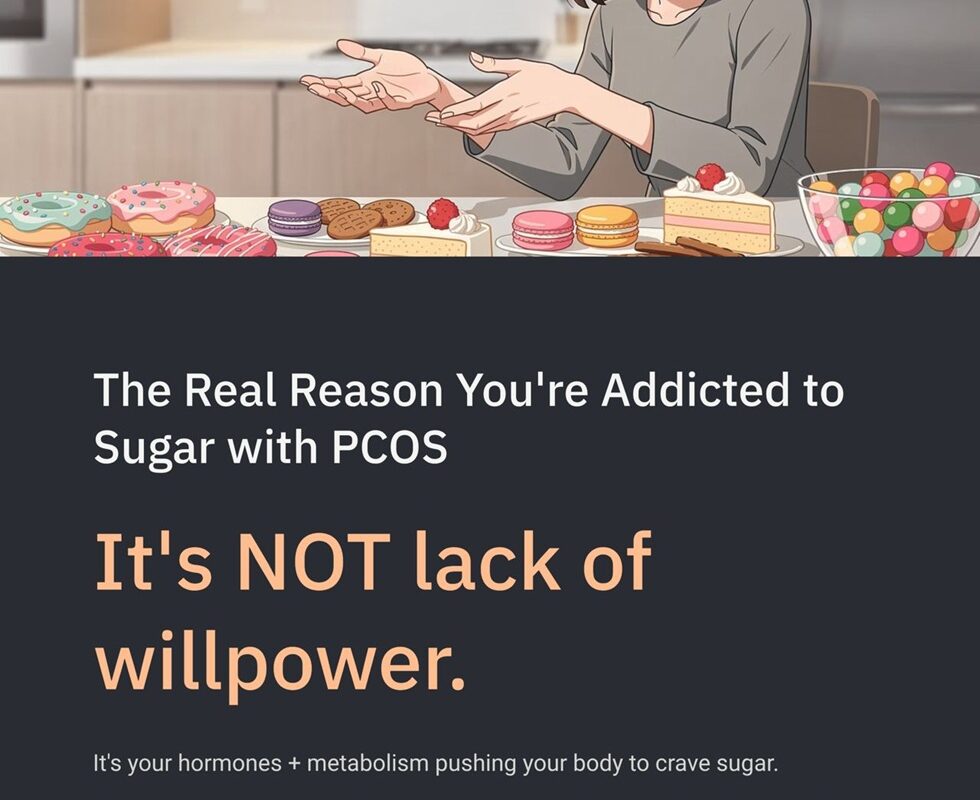
The Real Reason You’re Addicted to Sugar with PCOS (It’s Not Just Willpower)

The Real Reason You’re Addicted to Sugar with PCOS

If you have PCOS and constantly crave sugary foods, you’re not weak and it’s definitely not a lack of self-control. The real reason behind sugar addiction in PCOS lies deep within hormonal and metabolic imbalances.

PCOS is closely linked to insulin resistance, a condition where your body struggles to use insulin effectively. When insulin doesn’t work properly, glucose can’t enter your cells efficiently, leaving you feeling low on energy. As a result, your brain signals a quick fix: Sugar. Sugary foods provide instant energy spikes, which temporarily make you feel better, reinforcing the craving cycle.

Another key factor is elevated cortisol, the stress hormone. Chronic stress is common in women with PCOS due to hormonal fluctuations, lifestyle pressures, and metabolic challenges. High cortisol increases cravings for high-calorie, sugary foods because your body perceives stress as a threat and seeks fast energy for survival.

PCOS dietitian also affects androgen levels, which can disrupt appetite-regulating hormones like leptin and ghrelin. This imbalance makes it harder to feel full and satisfied, increasing emotional eating and frequent snacking especially on sweets.

On top of this, sugar triggers dopamine, the “feel-good” chemical in the brain. When hormones are already imbalanced, your brain may rely more heavily on sugar for temporary mood relief, creating a habit that feels like addiction.

The good news? Once you understand that sugar cravings are biological, not behavioral, you can address them with smarter nutrition and lifestyle changes instead of guilt.

How Smartbite Nutrition Helps

Smartbite nutrition focuses on balanced, hormone-supportive nutrition that helps stabilize blood sugar, reduce cortisol spikes, and curb sugar cravings naturally. By making smarter food choices with Smartbite, women with PCOS can break the sugar cycle and move toward sustainable hormonal balance, without relying on willpower alone.

PCOS Weight Loss Expert

PCOS Weight Loss Expert | Anti-Inflammatory Nutrition for Hormone Balance in Bangalore

Living with Polycystic Ovary Syndrome (PCOS) can feel heavy, especially when weight gain, tiredness, and mood changes keep showing up again and again. Many women in Bangalore now want more than just tablets; they are looking for simple, natural ways to support their body every day. A PCOS weight loss expert can help you do this in a safe and realistic way.

Instead of forcing strict diets, the focus is on finding what triggers inflammation and hormone imbalance in your body. When inflammation slowly comes down, hormones start to settle, and this can support better energy, better sleep, and gentle weight loss over time. The aim is not quick results but steady progress that you can maintain in real life.

An anti-inflammatory way of eating uses basic, real food. You can include more vegetables, leafy greens, fresh fruits, whole grains, lentils, nuts, seeds, and good fats like groundnut or olive oil. Simple meals like stir-fried vegetables, dal, rice, salads, and homemade soups can fit easily into a typical Bangalore routine. Cutting down on packaged snacks, sugary drinks, white bread, fried stuff, and extra sugar can ease bloating, acne, and those strong cravings.

Some dietitians monitor your sleep working hours, local food habits and sleep schedules to keep the plan practical, food, light movement like walking, yoga, or simple home workouts can support better insulin control and lower stress, which are both linked to PCOS symptoms. So, choosing a professional nutritionist for PCOS strengthen you with knowledge and personal care.

Every woman is different, so what works for one person may not work for another. Working with a PCOS weight loss expert helps you find a plan that matches your body and mind. With small daily changes and an anti-inflammatory diet, hormone balance and healthy, steady weight loss become more possible and less stressful.

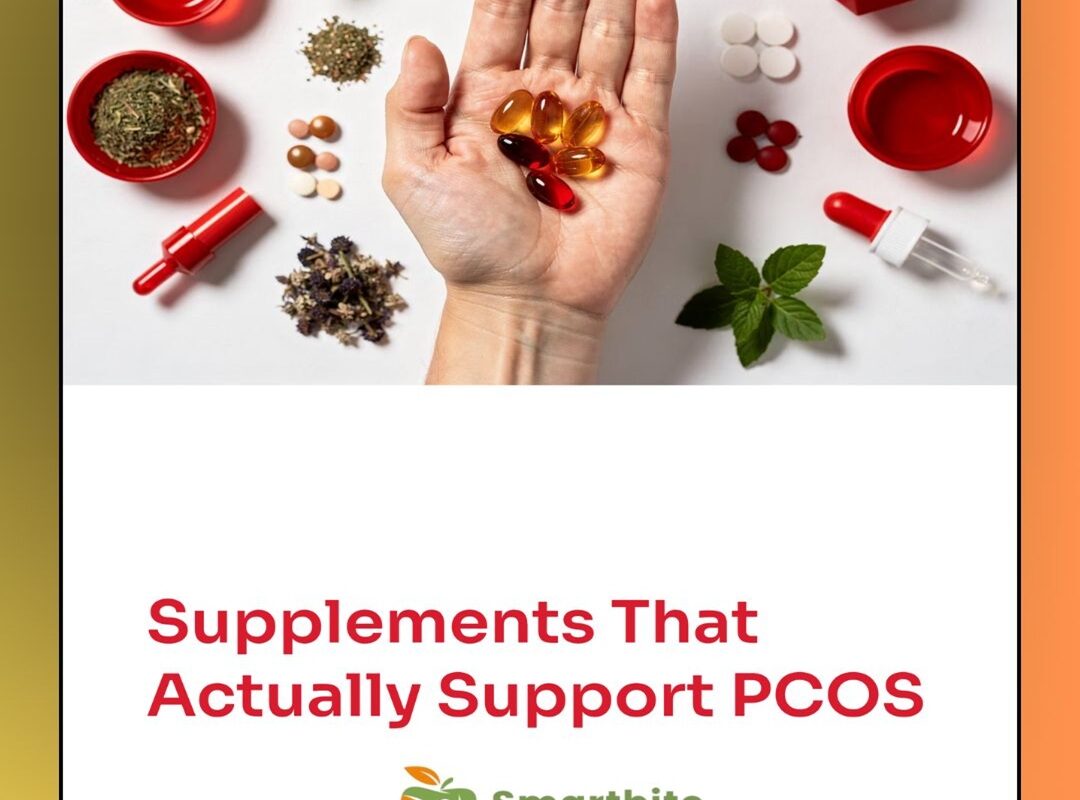
5 Must-Have Supplements for Busy Women with PCOS in Bangalore

5 Must-Have Supplements for Busy Women with PCOS in Bangalore

Living in a fast-paced city like Bangalore, juggling work, traffic, deadlines, and personal life can take a toll especially for women managing PCOS. Irregular routines, high stress, and inconsistent meals often worsen hormonal imbalances. While supplements aren’t a replacement for a healthy lifestyle, the right ones can offer strong support when life gets busy.

Here are five essential supplements commonly recommended to support women with PCOS:

  1. Inositol (Myo & D-Chiro Inositol)
    Inositol is one of the most researched supplements for PCOS. It helps improve insulin sensitivity, supports ovulation, and may reduce cravings and hormonal acne. For women dealing with insulin resistance, a common PCOS concern, inositol can be especially beneficial.
  2. Magnesium
    Chronic stress, long work hours, and poor sleep are common in urban lifestyles. Magnesium helps calm the nervous system, supports better sleep, reduces PMS symptoms, and may help lower cortisol levels, which directly impact PCOS symptoms.
  3. Omega-3 Fatty Acids
    Omega-3s help reduce inflammation, support hormonal balance, and improve lipid profiles. They may also help with acne, mood swings, and irregular cycles issues many women with PCOS experience.
  4. Vitamin D
    Despite Bangalore’s sunny weather, Vitamin D deficiency is surprisingly common due to indoor lifestyles. Adequate Vitamin D levels support insulin function, menstrual regularity, and overall hormonal health.
  5. Zinc
    Zinc plays a key role in hormone regulation, immune function, and skin health. It may help reduce acne, support hair health, and improve ovarian function in women with PCOS.

How SmartBite Supports Your PCOS Journey

At SmartBite Nutrition, supplements are never treated as a one-size-fits-all solution. SmartBite focuses on hormone-friendly nutrition, lifestyle guidance, and personalized supplement strategies tailored to your routine and PCOS symptoms. By combining the right supplements with balanced meals and stress-smart habits, SmartBite helps busy women manage PCOS sustainably even in a demanding city like Bangalore.

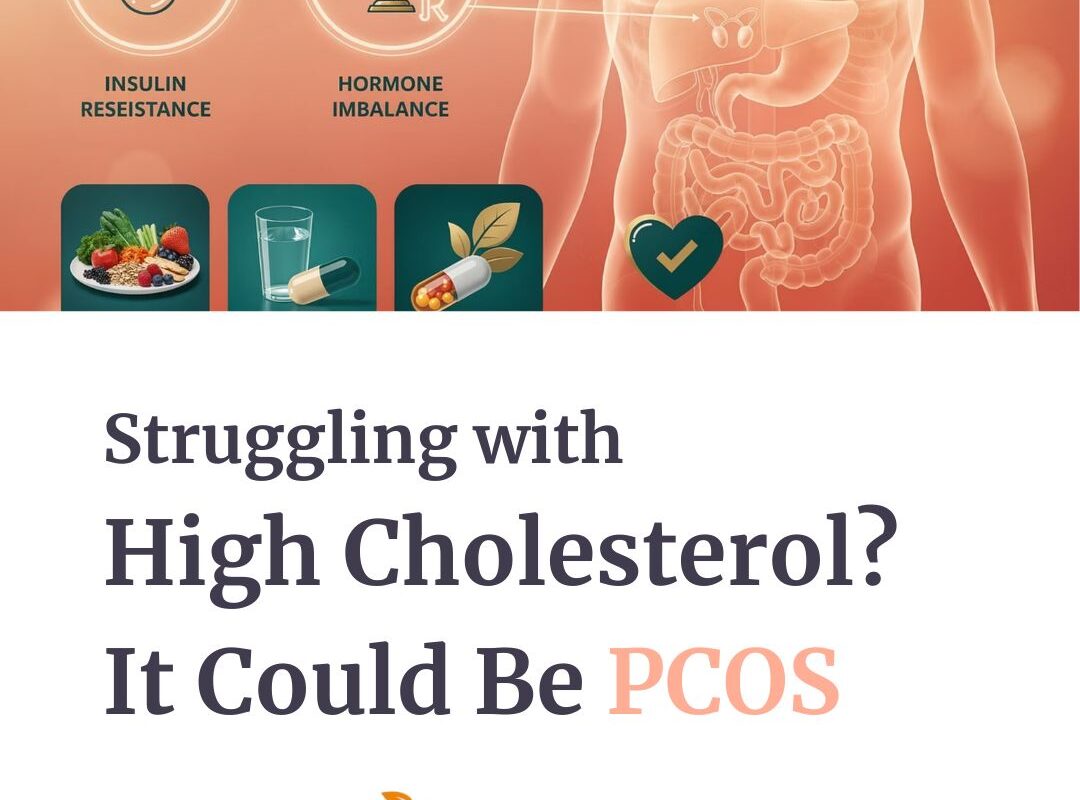
Struggling with High Cholesterol It Could Be PCOS

Struggling with High Cholesterol? It Could Be PCOS

Ever catch your cholesterol readings climbing, no obvious reason? That’s troublesome (PCOS), a widespread hormonal imbalance, frequently hides in the background, driving up high cholesterol and nudging heart risks higher as years pass. Recognizing this tie early and it seems so clear once pointed out lets you step in with practical shifts that stick.

PCOS scrambles insulin regulation completely. Bad cholesterol surges upward and good cholesterol fades away. Slowly but surely, fat accumulates in arteries, restricting blood flow and straining the heart, women dealing with PCOS often show levels two, even three times above normal. Fatigue weighs you down daily. Belly fat accumulates stubbornly; periods turn erratic or vanish. Fortunately, a straightforward blood test pinpoints these shifts early on, giving you a solid head start before complications set in deeper.

Diet proves powerful here, load up on oats for fibres, almonds for crunch, crisp apples, vibrant leafy greens, and fish packed with omega-3s; they actively pull bad cholesterol levels down without much fuss. Dial back those fried temptations, sugary indulgences, hefty red meat portions they only bog things down further. Toss in daily walks, maybe some gentle stretching insulin starts cooperating better, energy steadies out, no need for exhausting gym routines or anything extreme. Stress sneaks in too, worsening PCOS symptoms and inflating cholesterol further; yet yoga sessions, deliberate deep breathing, or even quiet meditation done consistently often yield noticeable drops in numbers within a few months, building momentum.

Keep close tabs with your doctor, perhaps every six months for reviews and tweaks. High cholesterol linked to PCOS might daunt at first glance, but these small mixed daily habits, smart eating, light activity, vigilant monitoring, dramatically lower risks while boosting how you feel overall. Plenty of women navigate this successfully and come out thriving. The momentum builds steadily; begin incorporating one change today and watch it compound over time

Close Welcome Bar